Kitchenware Essentials for Every Home Cook
When you step into the kitchen, the right tools make the difference between a quick meal and a kitchen nightmare. You don’t need a mountain of gadgets – just a few well‑chosen pieces that cover the basics. Below we’ll walk through the must‑have items, why they’re worth the spend, and simple tips to keep them in top shape.
Top Five Pieces Every Kitchen Should Have
1. A sturdy non‑stick skillet. A good skillet handles eggs, stir‑fries, and pancakes without sticking. Look for a pan with a thick base; it spreads heat evenly and resists warping. If you’re worried about chemicals, choose a PFAS‑free coating or a ceramic surface.
2. A heavy‑bottomed saucepan. Whether you’re simmering sauce or boiling pasta, a saucepan with a solid bottom prevents hot spots. A 2‑liter size works for most side dishes, and a lid that fits snugly speeds up cooking.
3. A slotted spoon (or ladle with holes). This tool helps you lift food while draining liquid. It’s perfect for blanching veggies or scooping pasta. Keep it stainless steel for durability, and don’t forget the easy‑clean tip: soak in warm, soapy water to release stuck bits.
4. A set of sharp knives. A chef’s knife, a paring knife, and a serrated knife cover most cuts. Sharp knives are safer because you don’t have to force them through food. Hone them regularly with a stone or a honing rod.
5. A sturdy cutting board. Choose wood or thick plastic. Wood is gentle on knife edges, while plastic can go in the dishwasher. Rotate boards for different tasks – raw meat on one, veggies on another – to avoid cross‑contamination.
How to Keep Your Kitchenware Working Longer
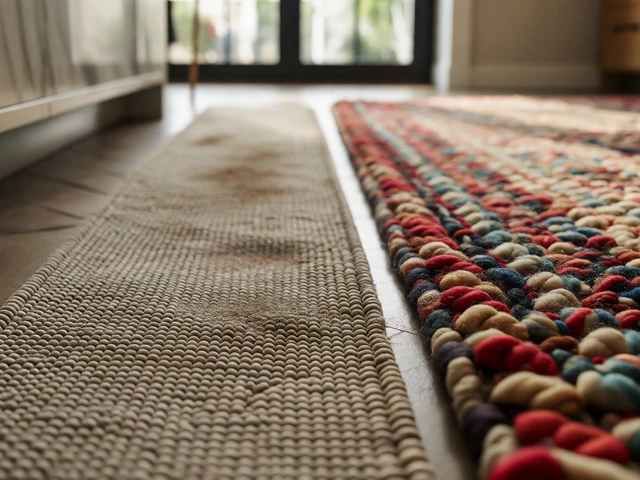
Cleaning is more than a chore; it’s how you protect your investment. For non‑stick pans, avoid metal scrubbers – they chew up the coating. A soft sponge with a dash of baking soda does the trick. If you notice a black layer on the bottom of a pan, it’s burnt residue. Let the pan cool, then scrub with a mixture of water and vinegar; the acidity lifts the carbon buildup without damaging the surface.
Storing cookware properly also matters. Stack pans with a protective layer of cloth between them to prevent scratches. Keep knives in a block or on a magnetic strip instead of a drawer where they can get dulled.
Finally, pay attention to wear signs. If a pan’s surface starts to peel, it’s time to replace it – food particles can get into the coating and cause health concerns. Same goes for knives that have chipped edges; a dull blade can slip and cause accidents.With these basics covered, you’ll feel confident tackling anything from a quick omelet to a slow‑cooked stew. Remember, you don’t need a fancy arsenal; a few solid pieces, proper care, and a little know‑how are all you need to make your kitchen work for you.

Kitchen Utensils Explained: Names, Types, and Uses
Confused by kitchen tool names? Learn the correct terms for spatulas, whisks, and more. Discover why using the right utensil matters for cooking success.

What is Fancy Tableware Called? A Guide to Fine China and Silverware
Discover what fancy tableware is really called. Learn the differences between fine china, bone china, silverware, and flatware to shop smarter and elevate your dining experience.
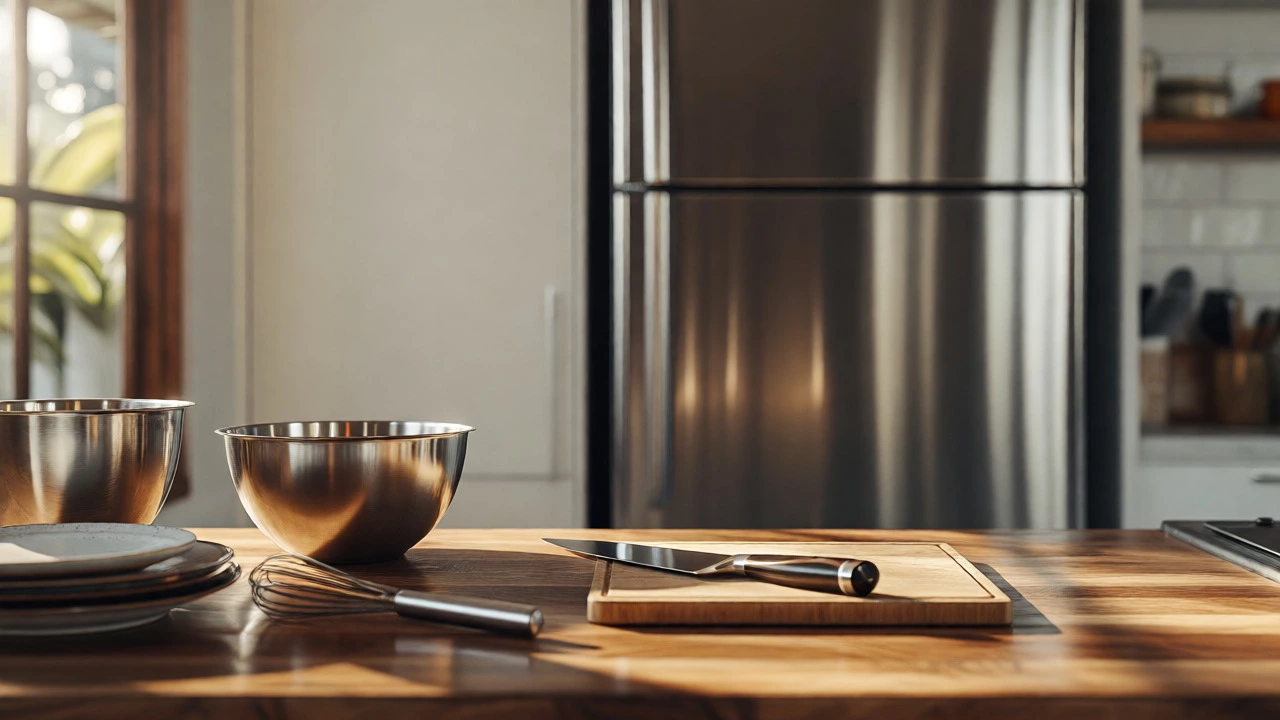
Is a Refrigerator Considered Kitchenware? Defining the Line
Discover why refrigerators are classified as appliances, not kitchenware. Learn the key differences in function, power, and retail categorization.

Kitchen vs. Kitchenware: Understanding the Difference
Confused by the terms kitchen and kitchenware? Learn the clear distinction between the room itself and the tools you use inside it.

Next Kitchen Cabinet Trends for 2026: Styles, Colors & Shelving
Discover the top kitchen cabinet trends for 2026, from warm natural woods and smart open shelving to two-tone designs. Learn how to choose styles that boost both aesthetics and resale value.
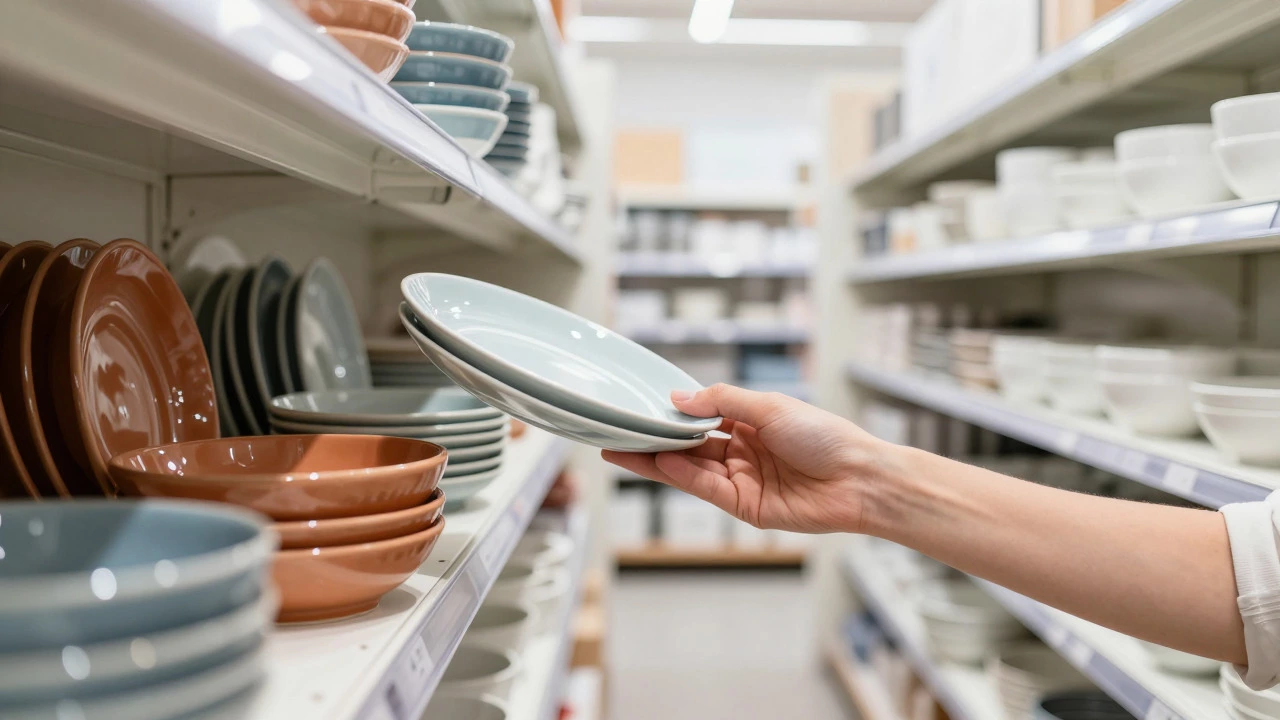
Tableware vs Dinnerware: Key Differences Explained
Learn the clear difference between tableware and dinnerware. Discover which items belong to each category, how to choose the right materials, and tips for building a functional dining collection.
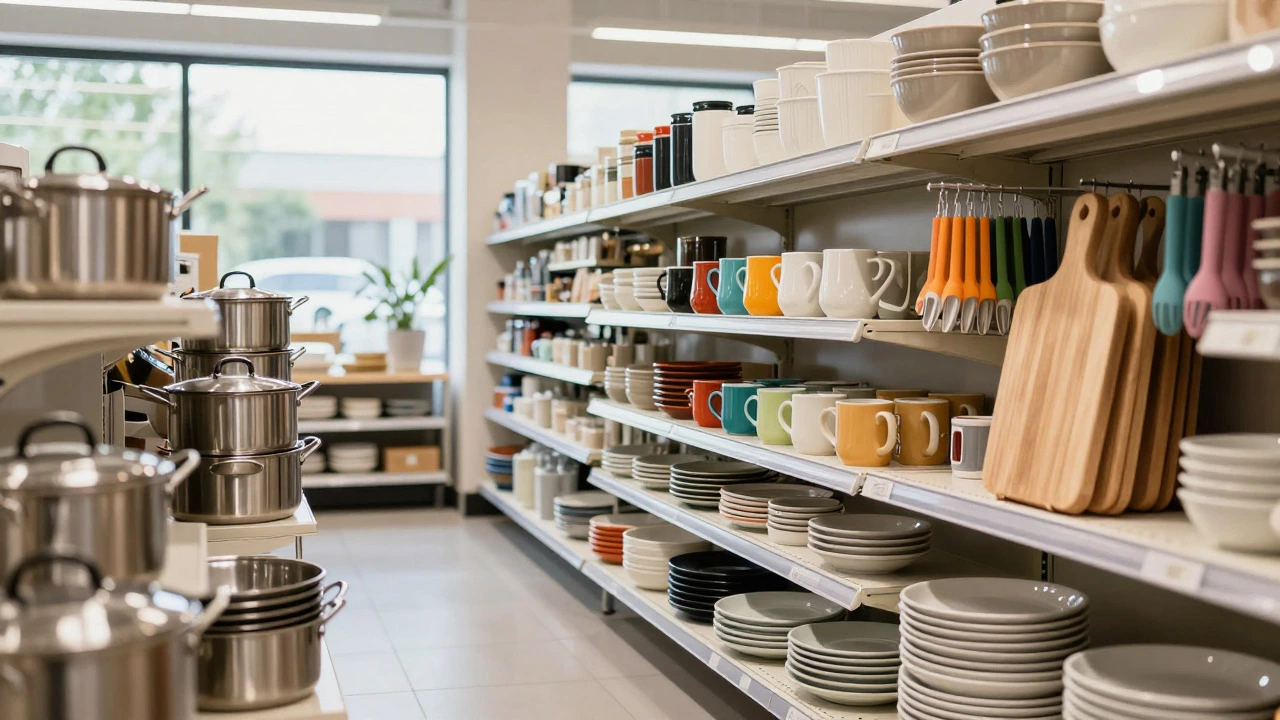
What Category Is Kitchenware? Understanding Retail Classifications and Home Organization
Discover exactly what category kitchenware falls into across retail, functional, and material classifications. Learn the differences between cookware, dinnerware, and general kitchen tools.
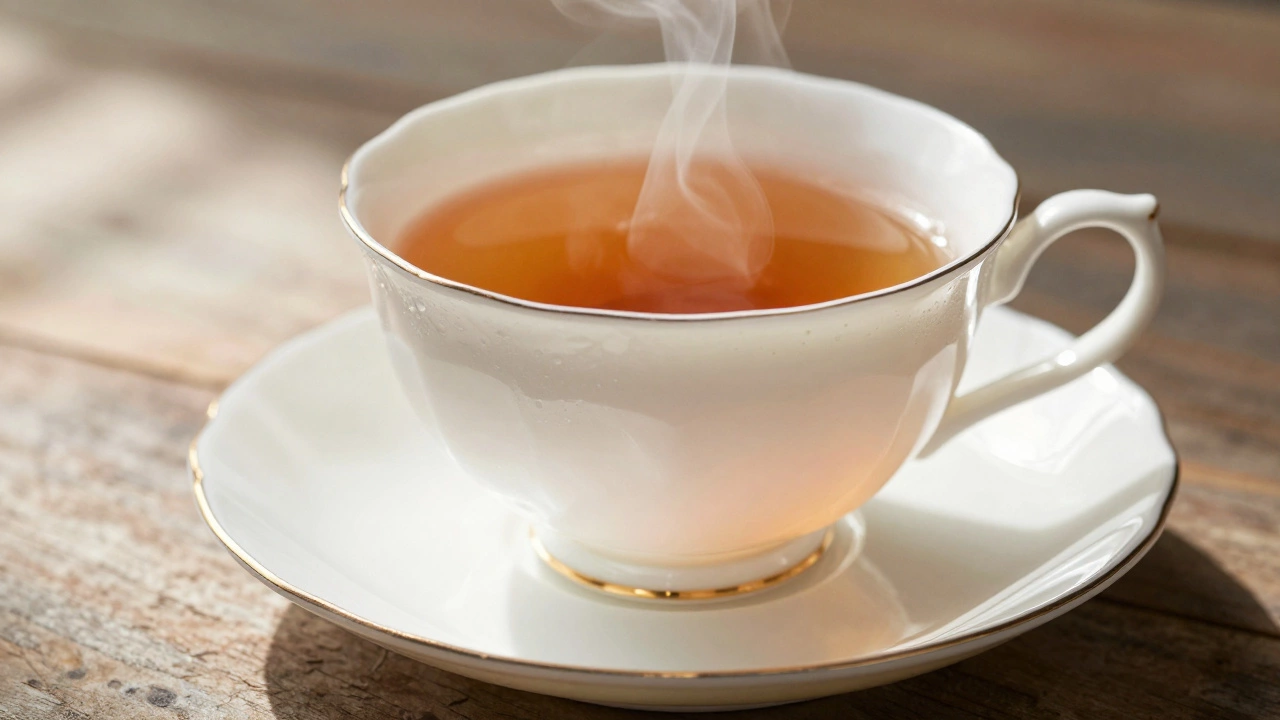
What Do You Call the Small Plate Under the Cup? The Definitive Guide to Saucers
Discover the correct name for the small plate under a cup: the saucer. Learn the differences between saucers, coasters, and underplates, plus tips on choosing the right one for your home.

What Are Plastic Cups and Plates Called? A Guide to Disposables
Discover the correct terms for plastic cups and plates, from Styrofoam to rigid disposables. Learn material differences, eco-friendly alternatives, and how to choose the right tableware for your event.
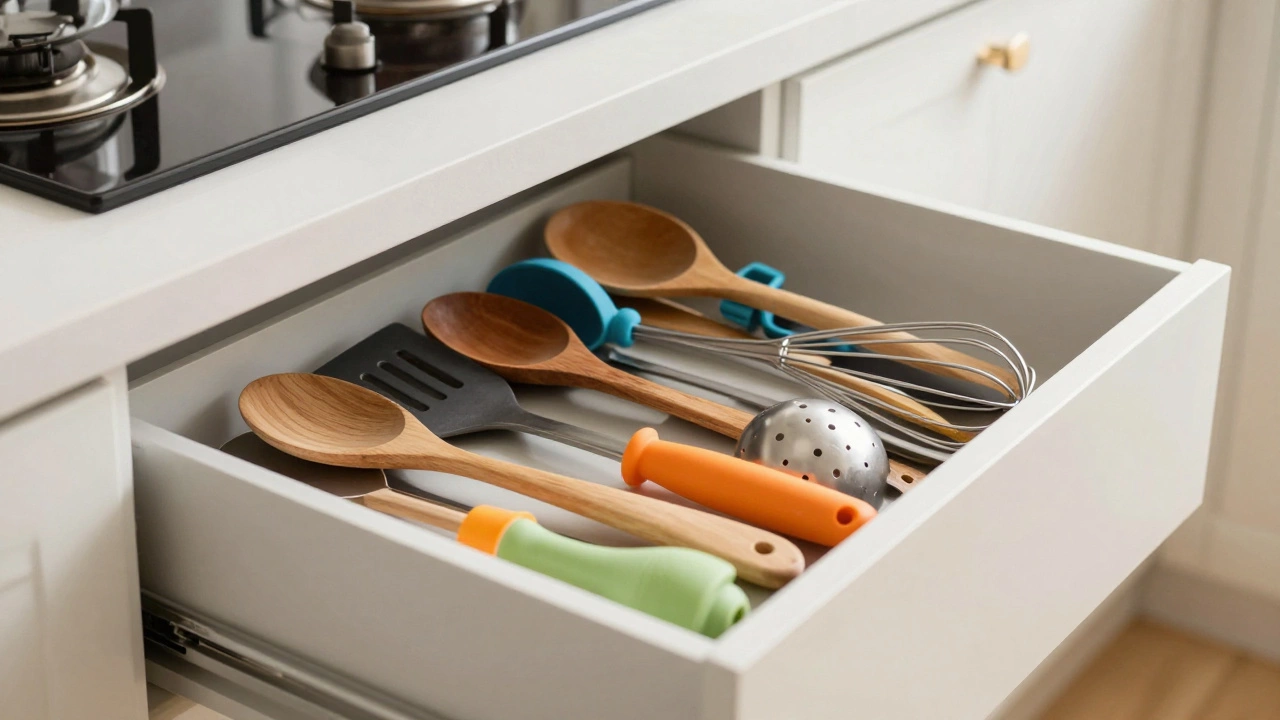
What is a Word for Kitchenware? The Ultimate Guide to Culinary Terms
Discover the precise words for kitchen items. Learn the differences between kitchenware, cookware, tableware, and utensils to shop and organize smarter.
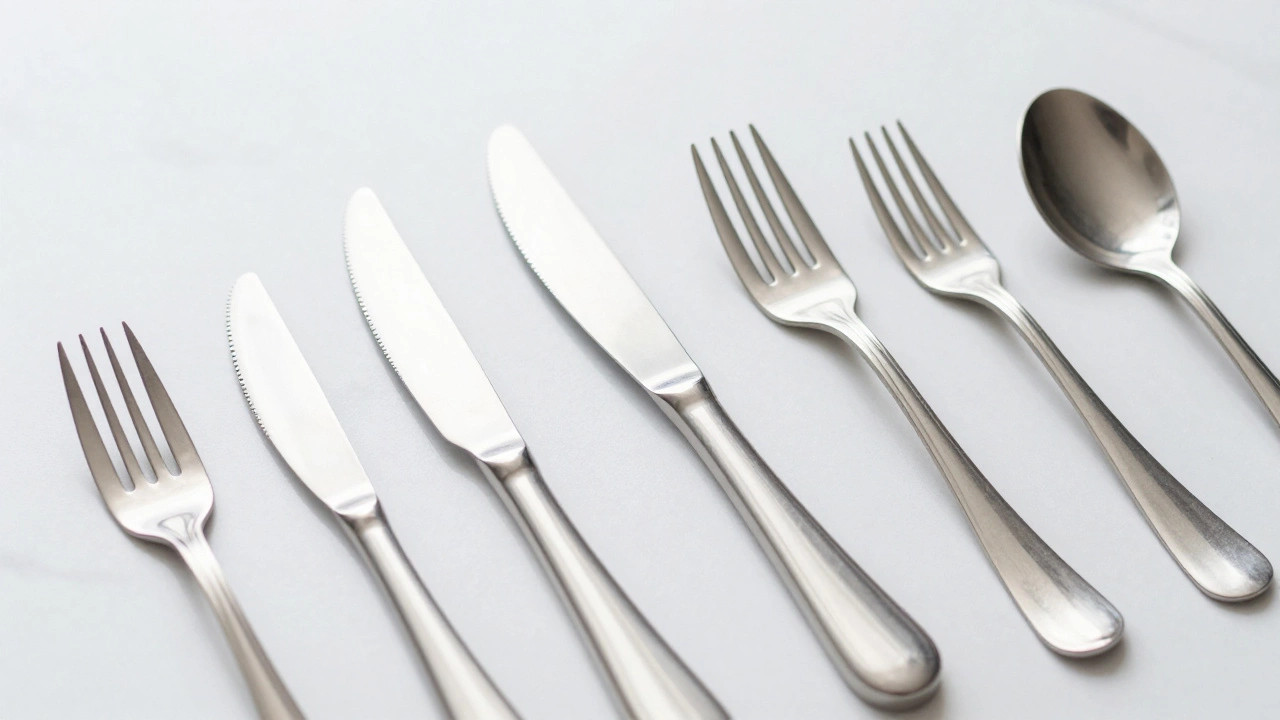
What Do You Call a Knife and a Fork? The Complete Guide to Cutlery
Confused about the difference between cutlery, flatware, and silverware? Learn the correct terms, materials like stainless steel, and proper table etiquette in this guide.
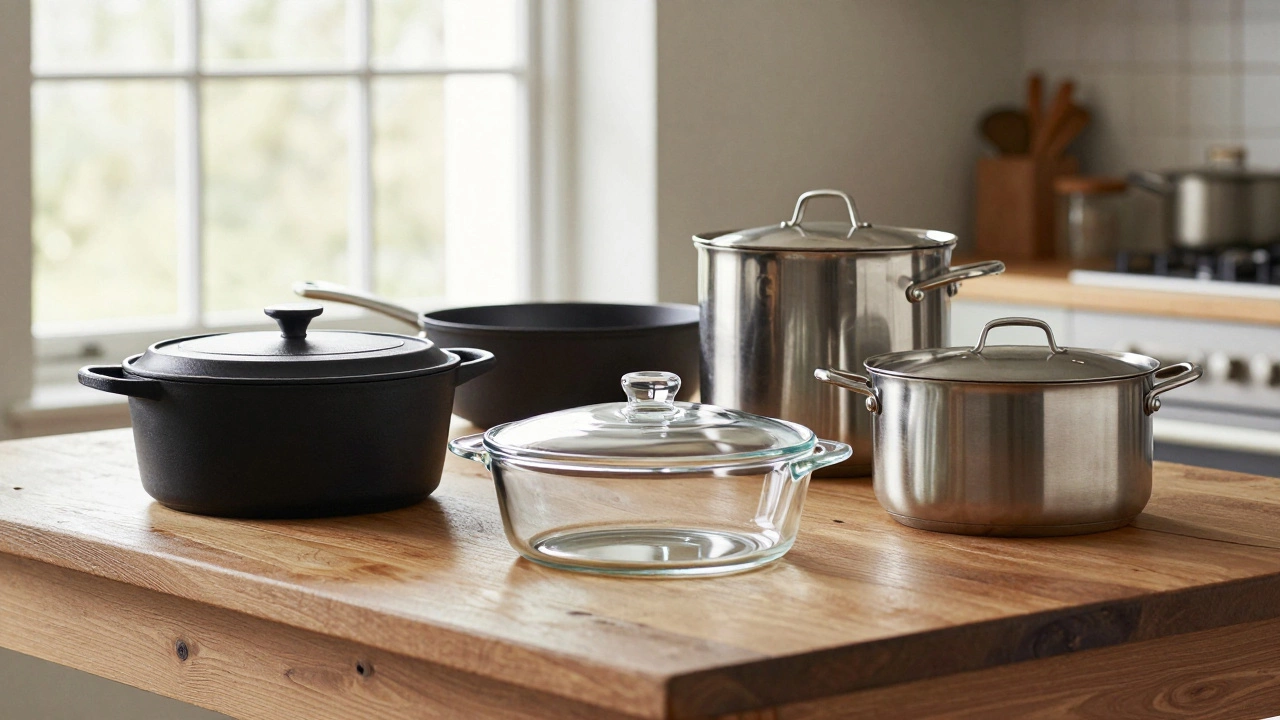
What Is a Deep Pan Called? Complete Guide to Deep Cookware Names
Discover all the names for deep pans including Dutch ovens, casseroles, and stockpots. Learn material differences, sizes, and which one suits your cooking style best.
Categories
- Storage (44)
- Sofas (37)
- Bathroom (29)
- Curtains (26)
- Kitchenware (25)
- Mirrors (22)
- Bedding (19)
- Rugs (17)
- Home Decor (13)
- Cushions (13)