What Rugs Last the Longest? The Ultimate Guide to Durability
Rug Durability & Lifespan Calculator
Rug Specifications
Durability Analysis
Enter your rug details to see how long it will last and its durability score.
Moderate Durability
Estimated Lifespan:
-- Years
Key Insights:
Picture this: you’ve just spent a small fortune on a beautiful area rug. It looks stunning in your living room, soft underfoot, and perfectly matches your sofa. But three years later, it’s thinning near the entryway, fraying at the edges, or looking dull from foot traffic. You’re left wondering why it didn’t hold up.
The truth is, not all rugs are created equal when it comes to longevity. Some materials are built to withstand decades of daily abuse, while others degrade within months if placed in the wrong spot. If you want a rug that actually lasts, you need to look beyond the pattern and price tag. You need to understand the fibers, the construction, and how lifestyle factors impact wear.
Fiber Matters Most: The Core of Rug Longevity
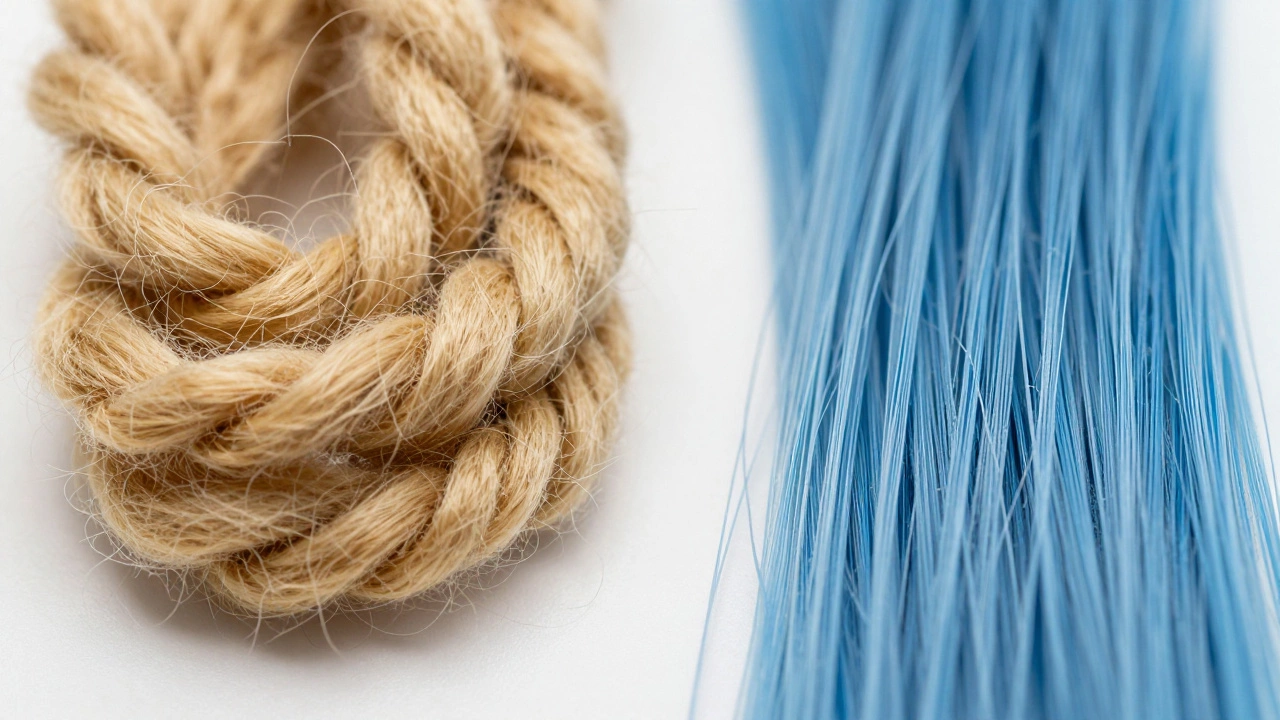
The single biggest factor determining how long a rug will last is the material it’s made from. Think of fiber as the DNA of the rug. If the DNA is weak, the rug won’t survive stress. Let’s break down the top contenders for durability.
Nylon is the undisputed king of synthetic durability. It was originally developed for parachutes during World War II because it needed to be incredibly strong and resistant to tearing. Today, it remains the best choice for high-traffic areas like hallways and living rooms. Nylon has excellent resilience, meaning it bounces back after being compressed by furniture legs or heavy footsteps. It also resists stains better than most natural fibers. Look for Type 6,6 nylon, which is generally more durable than Type 6.
If you prefer natural options, Wool is the gold standard for natural fiber rugs. Wool fibers have a natural crimp that gives them elasticity and resilience. They can bend over 20,000 times without breaking, whereas cotton breaks after about 3,000 bends. Wool is also naturally stain-resistant because its outer layer repels liquids. However, wool requires more care than nylon and can be susceptible to moths if not treated properly.
Avoid Polyester and Polypropylene (Olefin) if longevity is your primary goal. While they are cheap and stain-resistant, they lack resilience. Polyester tends to crush and mat down quickly in high-traffic zones. Polypropylene is brittle and prone to splitting or cracking over time, especially in colder climates or under heavy furniture.
Weave and Construction: How It’s Made Counts
Even the strongest fiber will fail if the rug isn’t constructed correctly. The way threads are interlaced determines how well the rug handles tension and abrasion.
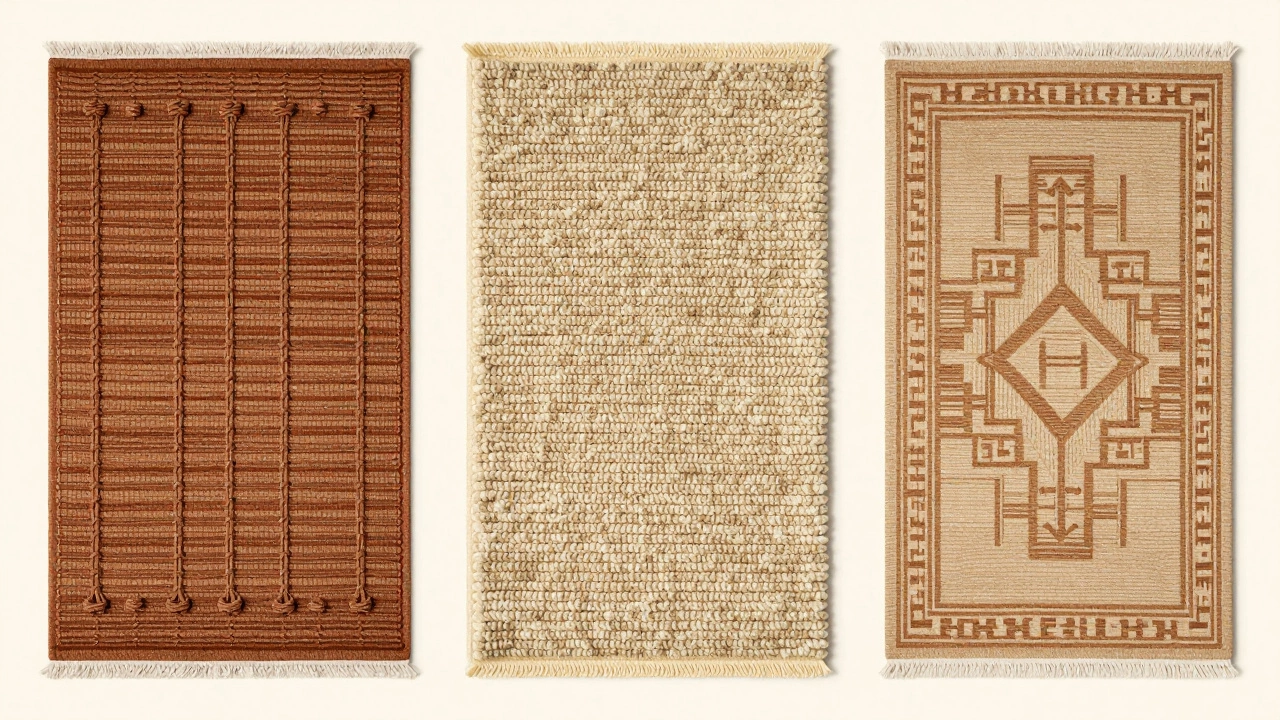
Tufted rugs are the most common type of machine-made rugs. In this process, needles punch yarn into a backing fabric, and then a latex coating secures the tufts. High-quality tufted rugs use a dense pile and a sturdy secondary backing (like jute or cotton) to prevent stretching. Look for a high gauge count-the number of stitches per inch. A higher gauge means tighter stitching and better durability.
Hand-knotted rugs are handcrafted by tying individual knots around the warp threads. These are typically made from silk or wool and can last for generations-often 50 to 100 years or more. Because each knot is tied individually, there is no backing glue to degrade. However, they are expensive and require careful maintenance to avoid damage from vacuuming or spills.
Flat-weave rugs, such as Kilims or Sisal, are woven without a pile, creating a flat surface. Because there are no loops or tufts to snag or flatten, these rugs are extremely durable and ideal for casual spaces. They don’t trap dirt as easily, making them easier to clean. However, they offer less cushioning underfoot.
Pile Height and Density: The Weight Test
You can judge a rug’s durability by lifting one corner. Does it feel heavy and stiff, or light and floppy? This tells you about the pile density and height.
Pile height refers to how tall the fibers are. Low-pile rugs (under 1/4 inch) are generally more durable than high-pile shag rugs. Shorter fibers are less likely to tangle, mat, or show footprints. High-pile rugs look luxurious but hide dirt deep inside and compress easily, leading to bald spots in walkways.
Pile density is even more critical. It measures how many fibers are packed into each square inch. To test this, push your hand into the rug and try to see the backing. If you can easily see the base fabric, the rug is low-density and will wear out fast. A high-density rug feels solid and springy. Industry standards often rate density as Good, Better, or Best. For maximum longevity, aim for "Best" density.
| Fiber Type | Lifespan Estimate | Stain Resistance | Best For |
|---|---|---|---|
| Nylon | 15-25+ years | High | High-traffic areas, families with pets/kids |
| Wool | 20-40+ years | Moderate-High | Living rooms, bedrooms, formal spaces |
| Sisal/Jute | 10-15 years | Low | Dry areas, low-moisture zones |
| Polyester | 5-10 years | High | Low-traffic decorative spaces |
| Polypropylene | 5-8 years | Very High | Outdoor use, basements, allergy sufferers |
Placement and Traffic: Where You Put It Matters
Even the toughest rug will fail if placed in an environment it wasn’t designed for. Consider the specific demands of each room.
In entryways and hallways, rugs face constant abrasion from shoes carrying grit and sand. Sand acts like sandpaper, slowly cutting through fibers. Here, you need a low-pile nylon or polypropylene rug that can handle frequent vacuuming and scraping. Avoid delicate wools or silks here unless you use a separate scraper mat outside.
Living rooms see varied traffic and furniture movement. A medium-pile wool or nylon rug works well here. Rotate the rug every six months to ensure even wear. If you have sofas or chairs that slide across the rug, use felt pads on the legs to reduce friction.
Kitchens and dining areas are prone to spills and stains. While durability matters, stain resistance is key. Synthetic fibers like nylon or polypropylene are ideal because they don’t absorb liquids as readily as wool. Flat-weave rugs are also practical here since they’re easy to hose down or wipe clean.
Bedrooms are low-traffic zones where comfort outweighs extreme durability. Soft wool or blended rugs work well here. Since feet rarely carry dirt indoors, you can prioritize texture and warmth over ruggedness.
Maintenance Habits That Extend Rug Life
How you care for your rug determines whether it lasts five years or fifty. Neglect is the fastest way to destroy even the highest-quality rug.
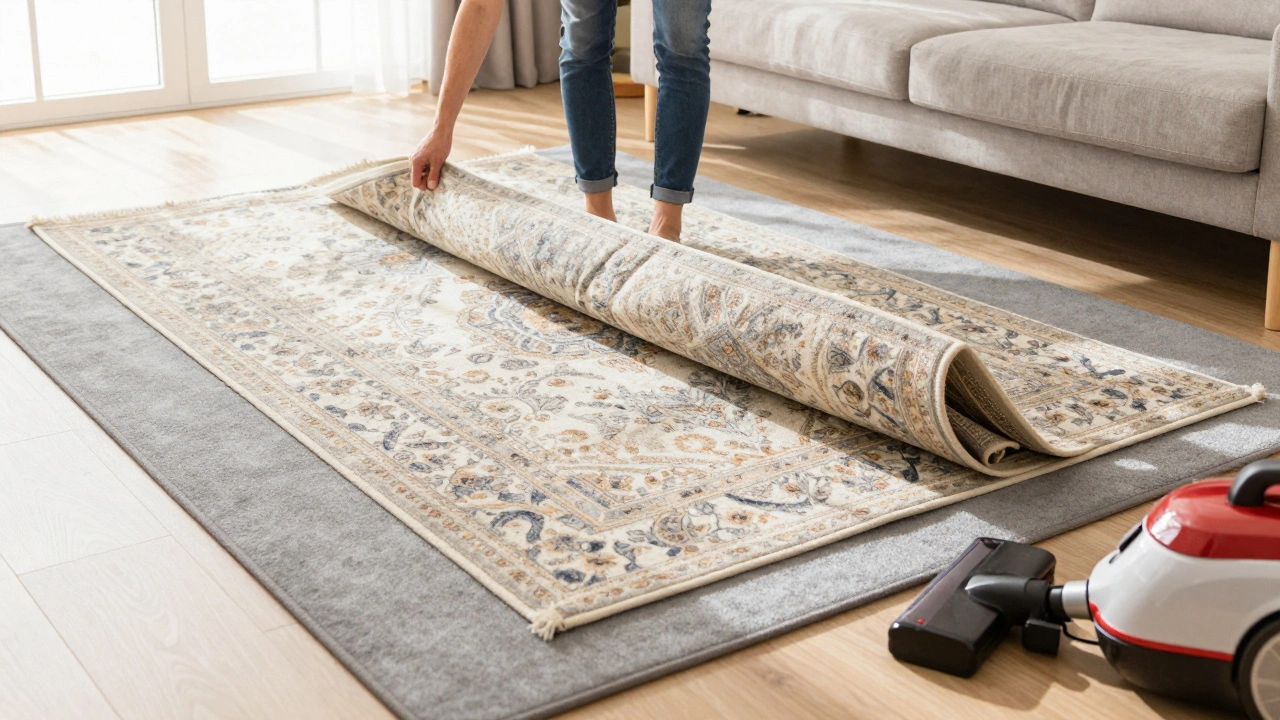
Vacuum regularly. Dust and dirt particles grind against fibers every time you walk. Vacuum at least once a week, using a suction-only setting for delicate rugs or a beater bar for sturdy ones. Don’t skip corners and edges, where dirt accumulates fastest.
Clean spills immediately. Blot, don’t rub. Rubbing pushes stains deeper into the backing. Use cold water for protein-based stains (like wine or blood) and mild detergent for general messes. Never soak a rug, as moisture can lead to mold and mildew underneath.
Rotate annually. Sunlight fades colors, and foot traffic creates paths. Rotating the rug 180 degrees ensures even exposure and wear. Mark the back with a date so you remember when you last rotated it.
Use a rug pad. A good quality rug pad does two things: it prevents slipping and absorbs shock. Without a pad, rugs shift and wrinkle, causing tripping hazards and uneven wear. Pads also allow air circulation, reducing moisture buildup that rots backing materials.
Signs Your Rug Is Wearing Out
Knowing when to replace a rug saves you from safety hazards and further damage to your floors. Watch for these warning signs:
- Bald patches: Areas where the pile has completely flattened or disappeared, usually along walkways.
- Fraying edges: Threads unraveling along the borders indicate structural weakness.
- Permanent stains: Stains that remain after professional cleaning suggest fiber degradation.
- Musty odors: Persistent smells despite cleaning point to mold or bacterial growth in the backing.
- Hardening: When a rug feels stiff or crunchy, the latex backing may be breaking down.
If you notice any of these issues, consider replacing the rug rather than repairing it. Patching rarely restores full integrity and can create new weak points.
Which rug material lasts the longest?
Nylon is the most durable synthetic fiber, lasting 15-25 years or more. Wool is the most durable natural fiber, potentially lasting 20-40 years with proper care. Both resist crushing and abrasion better than polyester or polypropylene.
Do expensive rugs last longer?
Not necessarily. Price often reflects design complexity or brand prestige, not durability. A moderately priced high-density nylon rug will outlast an expensive low-density silk rug in a high-traffic area. Focus on fiber type and construction quality instead of price alone.
How do I make my rug last longer?
Vacuum weekly, blot spills immediately, rotate the rug annually, and use a high-quality rug pad. These simple habits prevent premature wear, staining, and structural damage. Regular maintenance extends lifespan significantly regardless of material.
Are handmade rugs more durable than machine-made?
Hand-knotted rugs can last generations due to their tight construction and lack of adhesives. However, they require gentle handling. Machine-made tufted rugs with high-density nylon are often more resilient for everyday household use, especially in homes with children or pets.
Can I repair a worn-out rug?
Minor fraying can sometimes be stitched by a professional. Bald patches or large stains usually cannot be fully repaired. Attempting DIY fixes often worsens the damage. If significant wear exists, replacement is safer and more cost-effective long-term.