Kitchen Utensils Explained: Names, Types, and Uses
Kitchen Utensil Expert Quiz
Can you tell a spatula from a turner? Test your culinary vocabulary and tool knowledge below.
Your Score
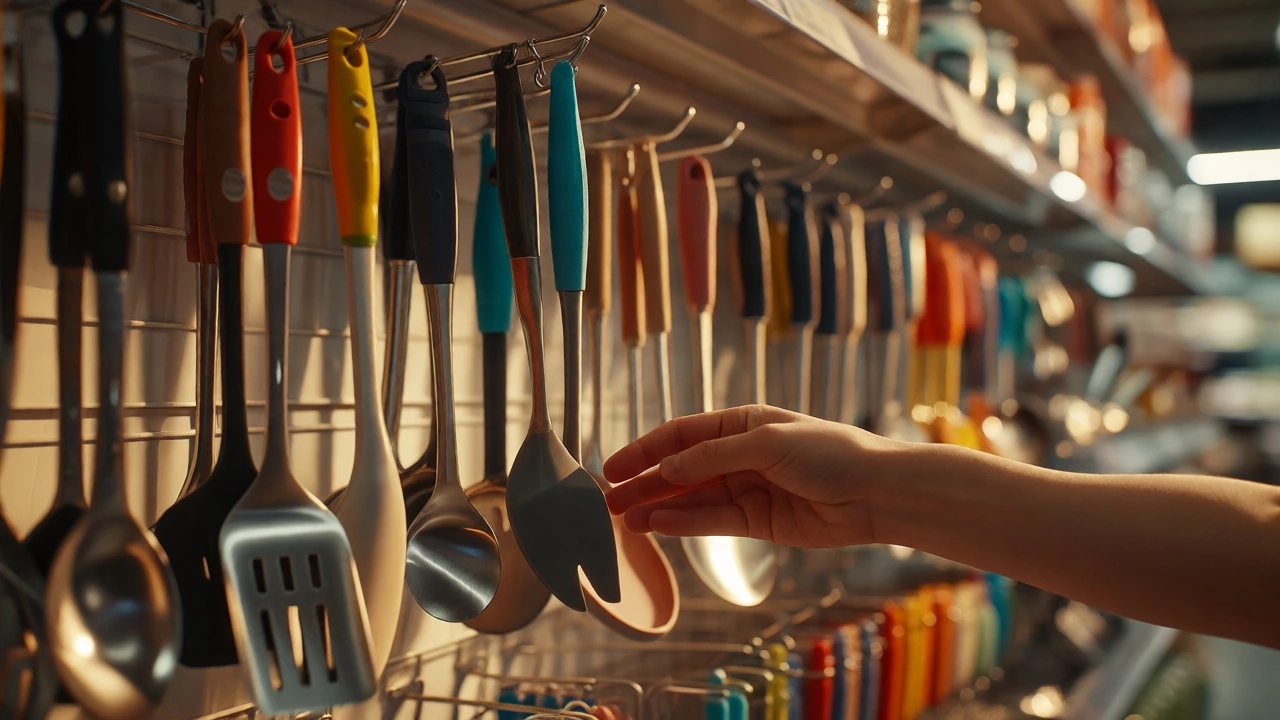
You are standing in a supermarket aisle, staring at a rack of metal tools. You know you need one to flip your eggs or stir your sauce, but do you actually know what they are called? It is frustrating when you cannot find the right tool because you lack the specific name for it. Most people use vague terms like "that thing" or "the mixer," which leads to confusion both in shopping and in following recipes.
Understanding the correct terminology for kitchen utensils transforms how you interact with your cooking space. These are handheld tools used for food preparation, not to be confused with appliances or cookware. Knowing the difference between a spatula and a turner, or a whisk and a beater, helps you buy better quality items and cook more efficiently. This guide breaks down the common names, their specific functions, and why the distinctions matter in real-world cooking scenarios.
The Core Categories of Kitchen Tools
Kitchen utensils generally fall into four functional groups: mixing, cutting, measuring, and serving. Each group contains specific tools designed for precise tasks. When you understand these categories, you can stop guessing and start selecting the right instrument for the job. For instance, using a wooden spoon for non-stick pans prevents scratching, while a silicone spatula ensures every bit of batter leaves the bowl.
Let's look at the most common items you likely own but might mislabel. A spatula is often confused with a turner. In professional kitchens, a spatula (often called a scraper) is flexible and used for scraping bowls or folding ingredients. A turner has a flat, rigid edge used for flipping pancakes or burgers. If you try to fold delicate meringue with a stiff turner, you will deflate the air bubbles. If you try to flip a heavy steak with a flimsy rubber scraper, you will drop it on the floor. The names exist because the physics of the task require different material properties.
| Correct Name | Common Misnomer | Primary Function | Material Tip |
|---|---|---|---|
| Whisk | Beater | Incorporating air into liquids or emulsifying sauces | Stainless steel for heat resistance; silicone for non-stick bowls |
| Colander | Strainer | Draining pasta or washing vegetables | Metal for durability; plastic for lightweight use |
| Ladle | Soup Spoon | Serving soups, stews, or punch | Deep bowl capacity is key; long handle for deep pots |
| Peeler | Knife | Removing skin from fruits and vegetables | Swivel blade handles curves best; Y-peelers offer control |
Mixing and Stirring Tools: Beyond the Wooden Spoon
Most home cooks rely heavily on the wooden spoon. It is versatile, safe for most pans, and cheap. But it is not always the best choice. If you are making a roux or caramelizing sugar, a wooden spoon can burn or leave fibers behind. In those cases, you need a heat-resistant silicone spatula or a stainless steel spoon.
Then there is the whisk. People often call this a "beater," but that term usually refers to an electric appliance attachment. A manual whisk comes in several shapes. A balloon whisk has large loops ideal for whipping cream or egg whites because it incorporates maximum air. A flat whisk, sometimes called a French whisk, is narrow and perfect for stirring sauces in small pots where a balloon whisk would hit the sides. Using the wrong whisk shape makes your cooking slower and messier. If you are trying to make a smooth béchamel, a flat whisk reaches into the corners of the saucepan much better than a round one.
Consider the tongs. Many people treat them as optional, but they are essential for food safety and texture preservation. Tongs allow you to grab hot foods without piercing them, which keeps juices inside meats. Look for tongs with silicone tips if you have non-stick surfaces. Metal tongs will scratch your pan coating instantly. The name "tongs" comes from their gripping action, similar to pliers, but designed specifically for culinary leverage.
Cutting and Prep Instruments
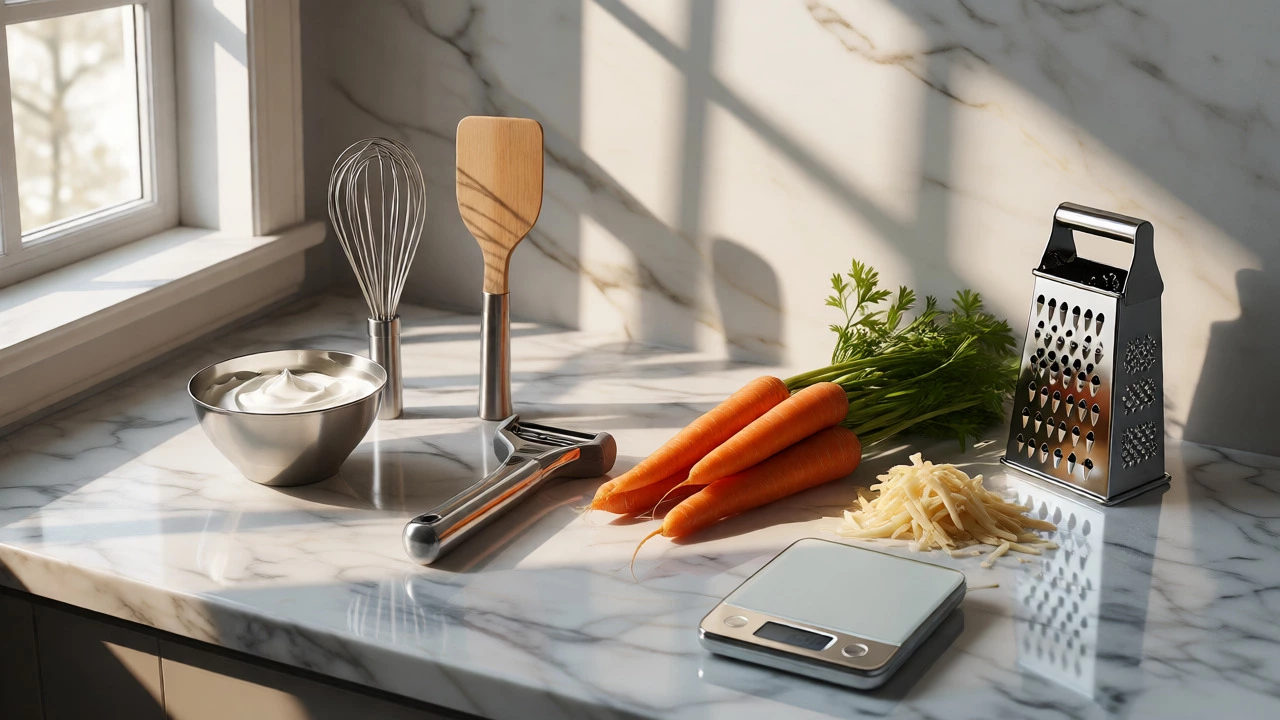
While knives are technically cutlery, many prep tools fall under the general umbrella of kitchen utensils. The peeler is a prime example. There are two main types: swivel and Y-shaped. Swivel peelers are traditional and work well for straight-sided vegetables like carrots. Y-peelers provide more control and are easier on the wrist for users with arthritis or limited grip strength. They also handle curved surfaces like apples and cucumbers more effectively. Choosing the right peeler saves time and reduces waste, as sharp blades remove less flesh than dull ones.
Another frequently misunderstood tool is the grater. Not all graters are created equal. A box grater has multiple sides for coarse shredding, fine shredding, and slicing. A microplane is a specialized grater with tiny teeth, originally designed for zesting citrus. However, chefs now use microplanes for garlic, ginger, and hard cheeses like Parmesan. If you try to grate soft cheese with a standard box grater, it turns into mush. With a microplane, it becomes fluffy shreds. The name "microplane" describes the precision of the etched surface.
Do not forget the masher. Whether you prefer a potato masher with a grid pattern or a ricotta press style, the goal is uniformity. A fork works in a pinch, but a dedicated masher breaks down starches evenly without turning potatoes gluey. Overworking potatoes with a blender or food processor releases too much starch, resulting in a gummy texture. A hand-held masher gives you control over the final consistency.
Measuring and Controlling Ingredients
Accuracy matters in baking more than in savory cooking, but even a pinch of salt requires measurement. The measuring cup comes in two forms: dry and liquid. Dry measuring cups are nested sets made of plastic or metal, meant to be filled to the brim and leveled off. Liquid measuring cups are glass or plastic pitchers with spouts and marked lines. You cannot accurately measure flour in a liquid cup because it settles unevenly. Conversely, you cannot pour boiling water into a plastic dry cup without risking warping or burns. Respecting this distinction ensures recipe success.
A kitchen scale is arguably the most important modern utensil addition. While not a "tool" in the traditional sense of being handheld, it is part of the preparation kit. Professional bakers weigh ingredients by grams rather than volume. Why? Because the weight of a cup of flour varies depending on how tightly it is packed. One cup could be 120 grams or 150 grams. That 30-gram difference can ruin a cake. Digital scales offer precision down to one gram, removing the guesswork entirely.
Thermometers are another critical category. A instant-read thermometer tells you the internal temperature of meat, ensuring safety without cutting into it and losing juices. Candy thermometers clip onto pots and monitor sugar syrup temperatures up to 400°F (204°C). Oil thermometers help maintain frying temperatures. Using the wrong thermometer type can lead to burnt sugar or undercooked chicken. Always check the range specifications before buying.
Serving and Finishing Touches
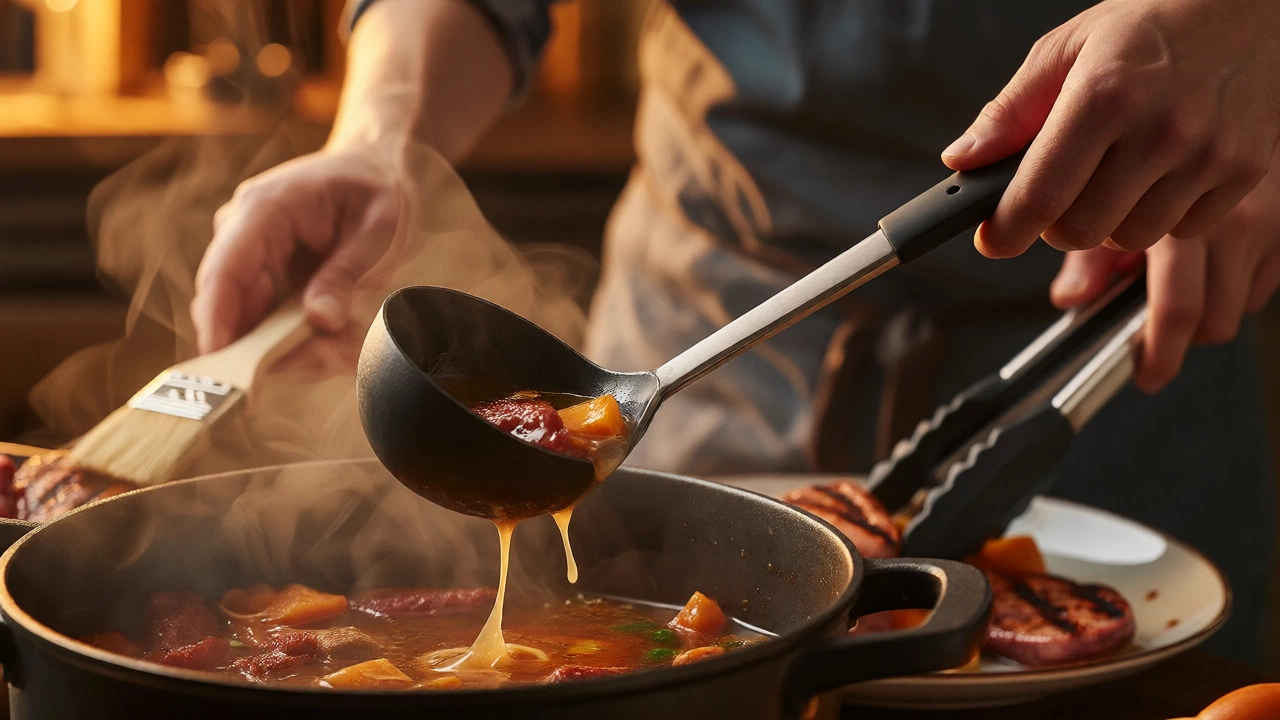
Once the food is cooked, how you serve it impacts presentation and practicality. The ladle is designed for deep vessels. Its long handle keeps your hands away from steam, and its deep bowl holds enough soup for a single serving. A regular spoon spills easily when transferring thick stews. For salads, use salad servers, which are typically large forks and spoons with wide heads to lift bulky greens without crushing them.
Pastry brushes come in natural bristle or silicone varieties. Natural bristles hold oil and butter better but require careful cleaning to prevent bacterial growth. Silicone brushes are dishwasher safe and hygienic, though they may not distribute glaze as evenly. For brushing egg wash on pastries, a natural hair brush creates a smoother finish. For basting grilled meats, silicone is durable against high heat and easy to clean after greasy jobs.
Finally, consider the timer. While phones have timers, a dedicated mechanical or digital kitchen timer is louder and harder to ignore. Relying on your phone means you might miss the alarm if it is on silent or buried in a pocket. A loud beep ensures you pull the roast out exactly when needed, preventing dryness.
How to Choose Quality Utensils
When shopping for kitchen utensils, material dictates longevity. Stainless steel is rust-resistant and durable but can scratch non-stick coatings. Silicone is heat-resistant up to 600°F (315°C) and safe for all surfaces but can absorb odors if low quality. Wood is naturally antimicrobial and gentle on pans but must be hand-washed and oiled regularly to prevent cracking. Plastic is cheap but degrades over time, leaching chemicals into hot foods and staining easily.
Ergonomics play a huge role in daily comfort. Test the grip before buying. A slippery handle causes accidents, especially when hands are wet or oily. Look for textured grips or hanging holes for storage. Balance is also crucial; a top-heavy ladle feels awkward and tires your wrist quickly. High-quality utensils feel like an extension of your hand, not a burden.
Invest in pieces you use daily. Do not buy a set of 20 tools if you only use five. Curate your collection based on your actual cooking habits. If you bake weekly, prioritize high-quality whisks and spatulas. If you grill often, invest in sturdy tongs and a good thermometer. Replacing worn-out tools immediately improves efficiency and safety.
What is the difference between a spatula and a turner?
A spatula (or scraper) is flexible and used for scraping bowls or folding ingredients. A turner has a flat, rigid edge used for flipping foods like pancakes or burgers. Using a turner for folding deflates air, while using a spatula for flipping lacks structural support.
Why should I use a kitchen scale instead of measuring cups?
Volume measurements vary based on how ingredients are packed. Weight measurements are consistent. A cup of flour can weigh anywhere from 120g to 150g depending on humidity and packing pressure. Scales ensure accuracy, which is critical in baking chemistry.
Are silicone kitchen utensils safe for high heat?
Yes, high-quality food-grade silicone is generally safe up to 600°F (315°C). However, avoid direct contact with open flames or broiler elements, as extreme radiant heat can degrade the material faster than ambient oven temperatures.
What is a microplane used for besides zesting?
Microplanes excel at grating hard cheeses like Parmesan, creating fluffy textures. They are also ideal for mincing garlic, ginger, and chocolate. The fine teeth create a paste-like consistency for aromatics, distributing flavor evenly without chunks.
Can I put wooden utensils in the dishwasher?
It is not recommended. Dishwashers expose wood to prolonged heat and moisture, causing warping, cracking, and loss of protective oils. Hand wash wooden utensils with mild soap and dry them immediately to extend their lifespan.