
Kitchen vs. Kitchenware: Understanding the Difference
Kitchen vs. Kitchenware Classifier
Test your knowledge! Can you tell what stays with the house and what goes in a moving box?
You’re standing in a store aisle, staring at a row of stainless steel pots, and you wonder: am I shopping for my kitchen or for kitchenware? It sounds like a silly question, but it trips up plenty of people. We use the words interchangeably in casual chat, yet they refer to completely different things. One is a place; the other is a collection of objects. Confusing them can lead to bad purchases, mismatched gifts, or just awkward conversations when someone asks, "How's your new kitchen?" and you start talking about your blender.
The confusion usually stems from how we label sections in stores or websites. You might see a category called "Kitchen & Dining," which lumps the room’s fixtures together with the tools you cook with. But if you want to buy the right item-or understand what you already own-you need to draw a clear line. Let’s break down exactly what each term means, why the distinction matters, and how to tell them apart without guessing.
Defining the Kitchen: The Space and Infrastructure
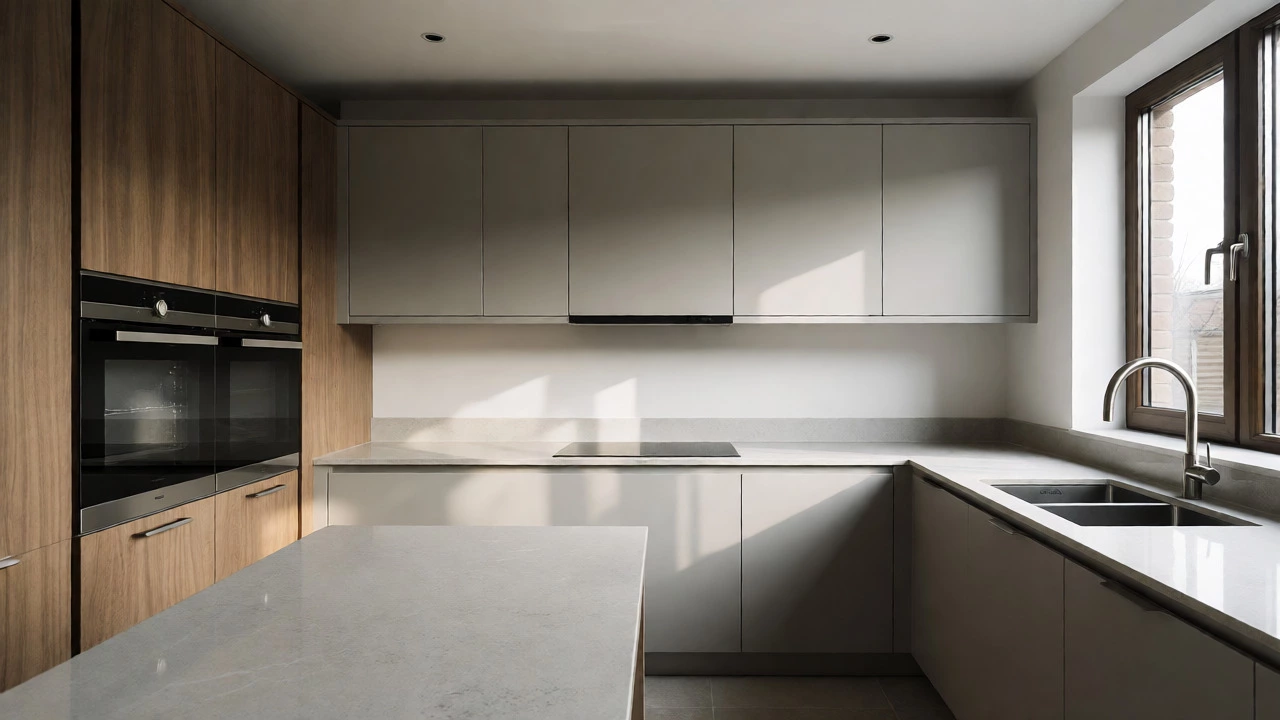
Think of the kitchen as the designated area within a dwelling where food is prepared and cooked. It is a structural part of the house. When architects design a home, they plan the kitchen’s layout, plumbing, electrical outlets, and ventilation. This space includes fixed elements that stay put when you move house.
What actually counts as part of the kitchen itself? It’s not just the walls. The core components include:
- Cabinetry and Countertops: These are built-in storage solutions and work surfaces. They define the kitchen’s footprint.
- Major Appliances (Fixed): Think of the oven, dishwasher, or range hood. These are often installed permanently and connected directly to water, gas, or heavy-duty electrical lines.
- Plumbing Fixtures: The sink and faucet are integral parts of the kitchen infrastructure because they require pipes and drainage systems embedded in the structure.
If you sell your house, the kitchen goes with it. You don’t take the cabinets or the built-in oven with you unless specified in the contract. This permanence is the key identifier. The kitchen is the stage; it’s the environment where the action happens.
Defining Kitchenware: The Tools and Utensils
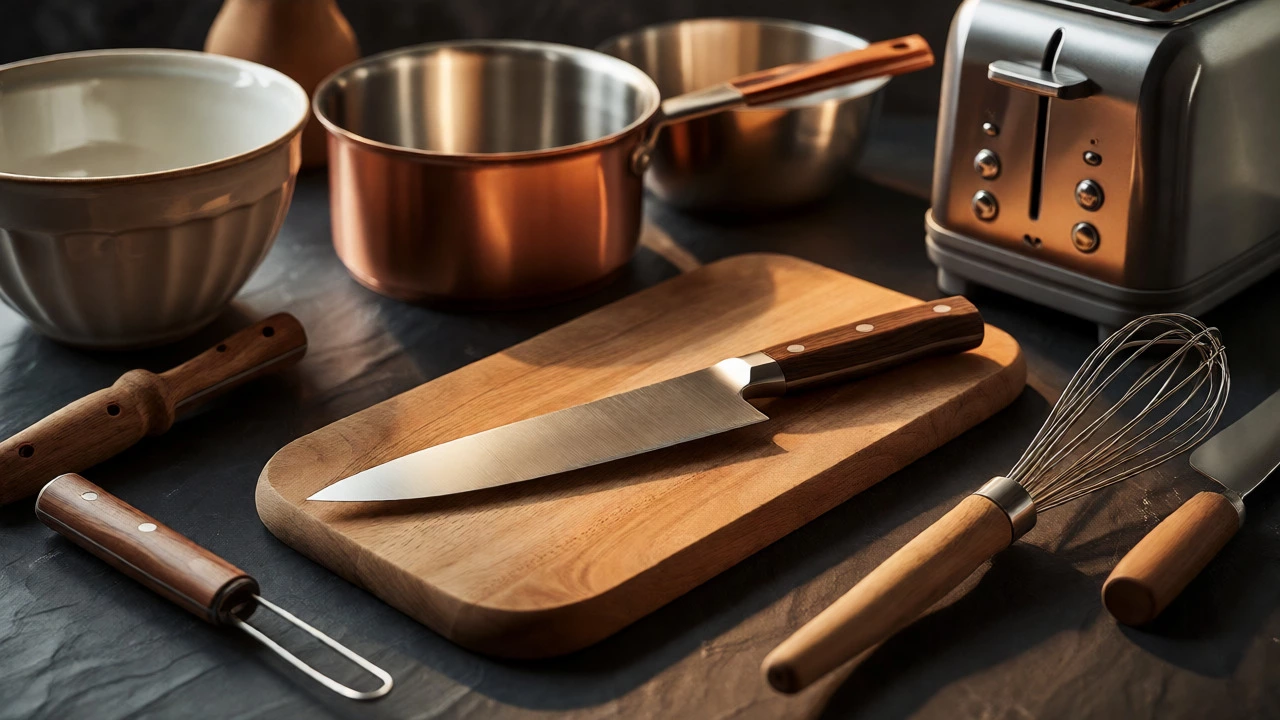
Now, let’s look at kitchenware, which refers to the portable tools, utensils, and small appliances used for cooking, serving, and storing food. Unlike the kitchen itself, these items are movable. You can pack them in a box and take them to a new apartment, leave them at a friend’s house, or lose them in a drawer.
Kitchenware covers a massive range of products. It’s everything you touch while making dinner. Common categories include:
- Cookware: Pots, pans, skillets, and baking sheets. These interact directly with heat sources.
- Preparation Tools: Knives, cutting boards, peelers, graters, and mixing bowls.
- Eating and Serving Ware: Plates, bowls, mugs, cutlery, and serving platters. While some call this "tableware," it falls under the broader umbrella of kitchen-related goods in retail contexts.
- Small Appliances: Toasters, blenders, kettles, and coffee makers. Even though they plug in, they aren’t bolted to the wall. You unplug them and move them.
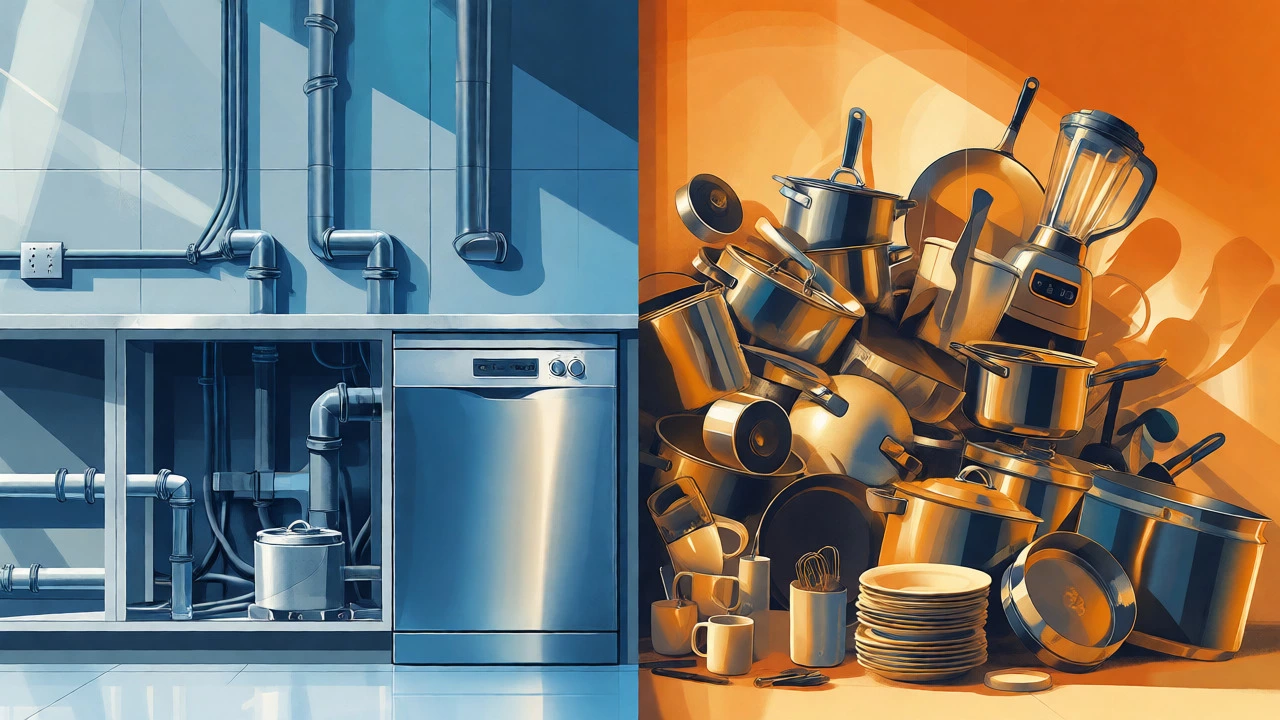
Here’s the critical test: If you can pick it up and walk out the front door with it, it’s likely kitchenware. If removing it requires a screwdriver, a wrench, or a plumber, it’s probably part of the kitchen fixture.
Why the Distinction Matters for Buyers
You might think, "Who cares? It’s all stuff for cooking." But understanding the difference saves money and frustration. Retailers categorize these differently, and so do warranties.
When you shop online, filtering by "Kitchen" might show you furniture like islands or bar stools. Filtering by "Kitchenware" shows you spatulas and spoons. If you’re looking for a new toaster, searching for "kitchen" might bury you in results for tile backsplashes. Knowing the specific term helps you navigate inventory faster.
Consider the warranty aspect too. Major kitchen fixtures often come with installation guarantees or longer-term structural warranties. Kitchenware typically has shorter warranties focused on material defects. A cast-iron skillet might have a lifetime guarantee against cracking, while a custom-built cabinet might have a five-year warranty on its hinges and finish. Treating them as the same category leads to incorrect expectations about support and longevity.
There’s also the resale value angle. In real estate, staging a kitchen involves cleaning the fixtures (the counters, the stove) and adding temporary kitchenware (nice bowls on the counter, fresh herbs in a pot). The fixtures add permanent value to the property. The kitchenware adds aesthetic appeal but doesn’t change the square footage or the structural integrity of the room.
Common Misconceptions and Gray Areas
Language isn’t always black and white, and neither is home organization. Some items sit in a gray area, causing confusion. Let’s tackle the most common ones.
Is a refrigerator kitchen or kitchenware? Most refrigerators are considered major appliances, which are technically part of the kitchen’s equipment suite. However, unlike a blender, you rarely take a fridge with you when moving, especially if it’s built into cabinetry. In legal terms regarding home sales, built-in appliances are usually fixtures (part of the kitchen), while freestanding ones can be negotiable. But colloquially, no one calls a fridge "kitchenware." It’s too big and essential to be grouped with whisks.
What about dishware? Technically, plates and cups are "tableware" or "dinnerware." However, in broad retail classifications, they often fall under kitchen supplies because they are stored in the kitchen cabinets. If you’re buying a wedding gift, you’re buying kitchenware/tableware. You aren’t buying a piece of the kitchen itself.
Decorative items: A decorative bowl sitting on the counter is kitchenware. But if that bowl is mounted to the wall as art, does it become part of the kitchen’s decor? Yes, but it’s still an object you could remove. The distinction remains physical: removable objects are goods; attached structures are fixtures.
Practical Examples: Sorting Your Home
To make this concrete, imagine you’re packing for a move. How do you sort your items? Here’s a quick breakdown of how to classify common household items based on our definitions.
| Item | Category | Reasoning |
|---|---|---|
| Built-in Oven | Kitchen Fixture | Hardwired to power/gas; integrated into cabinetry. |
| Stand Mixer | Kitchenware | Portable; plugs into standard outlet; easily moved. |
| Kitchen Sink | Kitchen Fixture | Connected to plumbing; requires tools to remove. |
| Wooden Cutting Board | Kitchenware | Loose object; used for prep; easily packed. |
| Cabinet Doors | Kitchen Fixture | Attached to frame; defines storage space. |
| Stainless Steel Pot | Kitchenware | Movable tool; used for cooking; part of cookware set. |
This table highlights the logic: permanence equals fixture (kitchen); portability equals good (kitchenware). When you apply this rule, sorting becomes intuitive. You don’t need to guess whether a knife block is kitchenware-yes, it is, because you can carry it out the door.
How to Shop Smarter Using These Terms
Now that you know the difference, use it to your advantage. If you’re renovating, budget separately for "kitchen updates" (new countertops, painting cabinets, replacing handles) and "kitchenware upgrades" (new pots, better knives, updated small appliances).
Renovations affect the home’s value. Buying high-quality kitchenware improves your daily experience. Don’t confuse the two budgets. Spending $500 on a fancy blender won’t fix a leaking sink. Spending $5,000 on granite countertops won’t help if your only pan is warped and scratched.
Also, consider sustainability. Kitchenware wears out. Non-stick coatings degrade, wooden spoons crack, and plastic containers stain. Kitchens last decades. Understanding this lifespan difference helps you plan maintenance. You replace kitchenware every few years. You refresh the kitchen every ten to fifteen years. Keeping these timelines separate prevents financial shock.
Finally, remember the context of language. If a friend says, "I love your kitchen," they are complimenting the room’s design, color scheme, and cleanliness. If they say, "I love your kitchenware," they are admiring your tools-the sharp knives, the beautiful ceramic dishes, the efficient gadgets. Both are compliments, but they target different aspects of your life. One targets your taste in interior design; the other targets your approach to cooking and hosting.
So next time you’re browsing a website or chatting with a contractor, pause before using the wrong word. Are you talking about the room, or the things inside it? Clarity here saves time, money, and misunderstanding.
Are small appliances considered kitchenware?
Yes, small appliances like toasters, blenders, and microwaves are generally classified as kitchenware. Although they use electricity, they are portable and not permanently installed into the home’s structure like a built-in oven or dishwasher.
Does kitchenware include furniture?
No, kitchenware specifically refers to tools, utensils, and containers used for food preparation and consumption. Furniture such as tables, chairs, and islands are considered kitchen furnishings or fixtures, distinct from the functional tools categorized as kitchenware.
Can I take the kitchen sink with me when I move?
Typically, no. The sink is considered a fixture because it is plumbed into the building’s drainage system. Removing it requires professional work and leaves holes in the countertop, so it stays with the property unless otherwise agreed upon in a sale.
What is the difference between cookware and kitchenware?
Cookware is a subset of kitchenware. Cookware specifically refers to vessels used for cooking food over heat, such as pots, pans, and baking dishes. Kitchenware is the broader category that includes cookware plus preparation tools (knives, boards), eating ware (plates, forks), and small appliances.
Why do stores mix kitchen and kitchenware categories?
Retailers often group them under broad headings like "Home & Kitchen" for convenience. Since both relate to domestic life, combining them simplifies navigation for general shoppers. However, specialized retailers keep them separate to help customers find specific technical items versus structural improvements.