How Long Should a Good Rug Last? Lifespan Guide by Material
Rug Lifespan & Cost Calculator
Enter your rug details below to see how long it should last and whether a more expensive option might actually save you money in the long run.
Analysis Results
Smart Alternative?
Fill in the form to see results.
Maintenance Tips to Maximize Lifespan
Flip your rug 180° every 6 months to ensure even wear from foot traffic and furniture.
Avoid beater bars on loop-pile or delicate rugs. Use suction-only settings to prevent fiber damage.
A breathable pad prevents slipping, allows air circulation, and reduces abrasion against hard floors.
Aggressive scrubbing breaks fiber tips. Always blot spills immediately with a clean cloth.
You just dropped $800 on a hand-knotted wool runner, and three years later, the traffic lane near your kitchen island looks like it’s been through a war zone. You’re staring at the bald patch, wondering if you got ripped off or if you just don’t know what to expect from a "good" rug. The truth is, there isn’t one answer. A synthetic polypropylene rug is designed for short-term use in high-traffic zones, typically lasting 3-5 years before showing significant wear. It’s cheap, cheerful, and disposable. On the other end of the spectrum, a hand-knotted wool rug is an heirloom-quality floor covering that can last 20-100+ years with proper care, often outliving its original owner. The gap between those two numbers is massive, and it depends entirely on what you bought, where you put it, and how you treat it.
The Real Math Behind Rug Durability
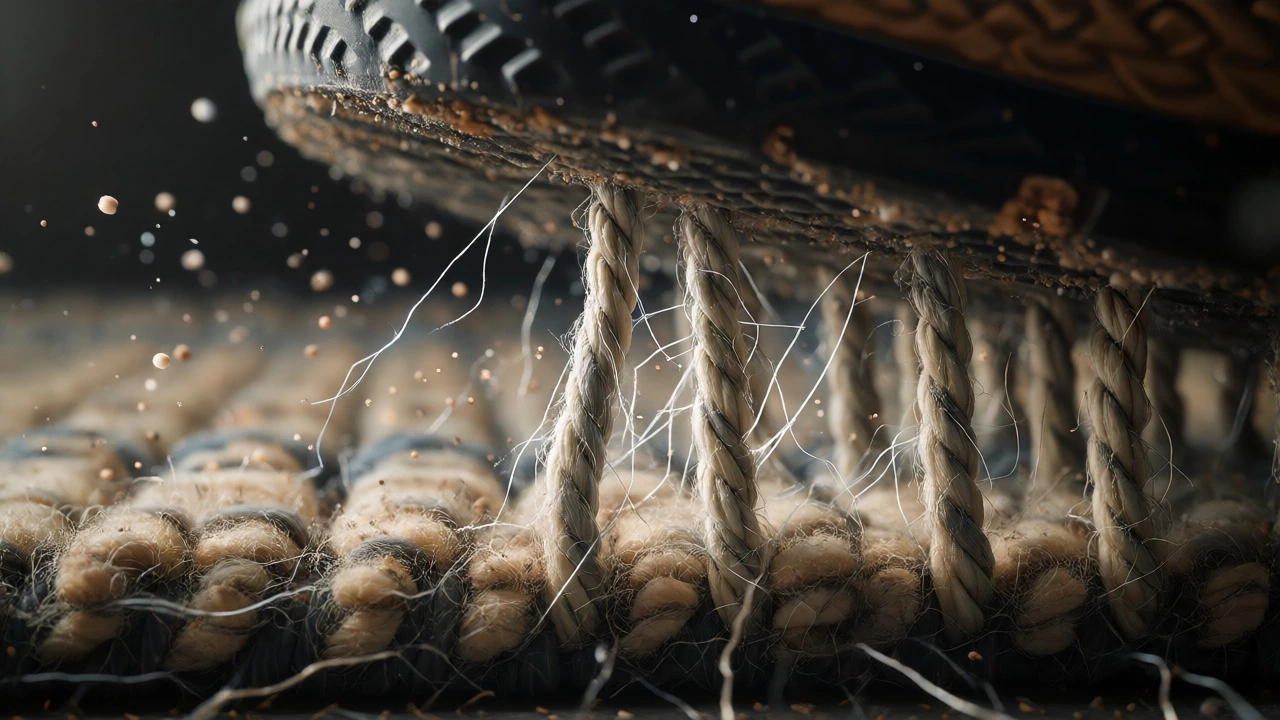
Rug lifespan isn’t magic; it’s physics. Every time you walk across a rug, you’re grinding dirt into the fibers. Dirt acts like sandpaper. If you don’t vacuum correctly, that grit shreds the yarn from the inside out. Most people think they need to replace their rug because it looks old. In reality, 80% of premature rug failures are caused by improper cleaning and lack of rotation, not material failure.
Think about your shoes. They have treads. When those treads wear down, the shoe loses grip and structure. Rug fibers work similarly. Once the twist in the yarn unravels due to friction and soil accumulation, no amount of professional shampooing will restore the structural integrity. That’s why knowing the expected lifespan of your specific rug type helps you plan maintenance instead of replacement.
Lifespan Breakdown by Material Type
Not all rugs are created equal. The fiber content dictates how much abuse the rug can take before it starts looking tired. Here’s a realistic look at what you should expect from common materials found in homes today.
| Material | Expected Lifespan | Best For | Key Weakness |
|---|---|---|---|
| Polypropylene (Olefin) | 3-5 Years | Kids’ rooms, patios, rentals | Crushes easily; stains set permanently |
| Nylon | 5-10 Years | High-traffic hallways, stairs | Can fade in direct sunlight |
| Pet Wool Blend | 7-15 Years | Living rooms, bedrooms | Sensitive to harsh chemicals |
| 100% New Zealand Wool | 20-50 Years | Formal dining, master bedroom | Expensive upfront cost |
| Hand-Knotted Silk/Wool | 50-100+ Years | Low-traffic display areas | Vulnerable to moisture damage |
| Jute/Sisal | 5-10 Years | Dry climates, low traffic | Stains instantly; rough texture |
Why Your High-Traffic Rug Dies Young
If you put a delicate silk-blend rug in front of your front door, you’re asking for trouble. Traffic patterns matter more than material quality when it comes to immediate wear. The entrance to your home collects mud, rain, and grit. Even if you wipe your feet, microscopic particles get tracked in. Over six months, that’s thousands of pounds of abrasive force pressing into the fibers every day.
In Auckland, we deal with damp winters. Moisture is another silent killer. If your rug sits on concrete or tile without a breathable pad, condensation builds up underneath. This breeds mold and mildew, which eat away at natural fibers from the bottom up. You might see a stain on top, but the real damage is happening below. Synthetic rugs resist this better, which is why nylon is often recommended for basements or ground-floor apartments with high humidity.
The Maintenance Mistakes That Shorten Life
Most homeowners clean their rugs wrong. They wait until there’s a visible spot, then scrub it aggressively. Scrubbing breaks the fiber tips, causing fraying. Instead, blotting is key. But beyond spot cleaning, here are three habits that drastically reduce lifespan:
- Skipping Rotation: Furniture creates permanent indentations. Rotate your rug 180 degrees every six months. This ensures even wear across the entire surface rather than just under the sofa legs.
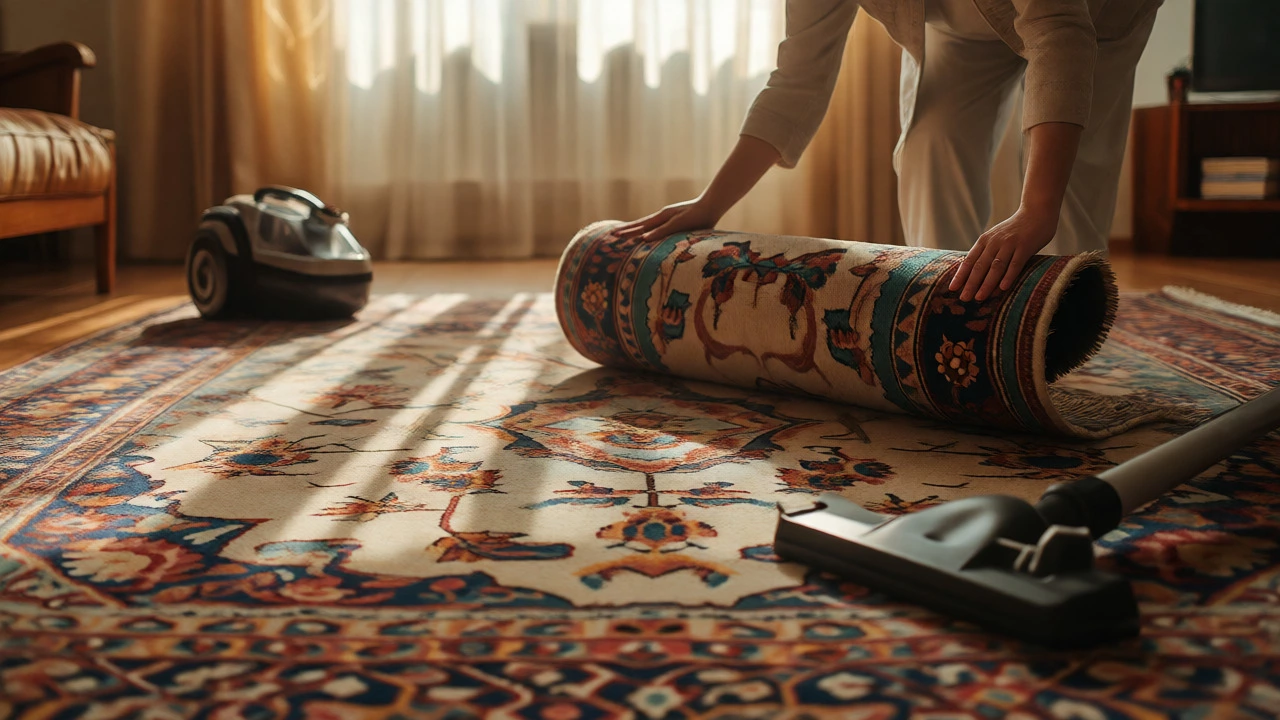
- Using the Wrong Vacuum: Beater bars (the rotating brush on upright vacuums) destroy loop-pile rugs. They snag loops and pull threads. Use a suction-only setting or a canister vacuum with a soft brush attachment for anything handmade or delicate.
- Ignoring the Pad: A rug pad isn’t just for comfort. It prevents slipping, yes, but it also allows air circulation and absorbs impact. Without a pad, the rug rubs directly against hard floors, accelerating abrasion. Replace pads every 2-3 years as they compress and lose resilience.
When to Repair vs. Replace
Just because a rug shows wear doesn’t mean it’s dead. There’s a threshold where repair makes financial sense, and a point where it’s throwing money away. If you have a hand-knotted wool rug worth $2,000, re-piling a worn section costs $200-$400. That’s a smart investment. You preserve the value and extend the life by another decade.
However, if you have a mass-produced power-loomed polyester rug that cost $150, and the backing is crumbling, repairs aren’t viable. The cost of labor exceeds the replacement price. Know your rug’s origin. Handmade pieces hold value and are repairable. Machine-made pieces are consumables. Treat them accordingly.
Signs Your Rug Is Nearing the End
How do you know it’s actually time to let go? Look for these specific indicators:
- Fraying Edges: Small unraveling at the ends can be fixed with binding tape. Large sections falling apart mean the foundation is compromised.
- Permanent Odors: If deep cleaning doesn’t remove pet urine or mildew smells, the backing has absorbed the bacteria. No surface treatment fixes this.
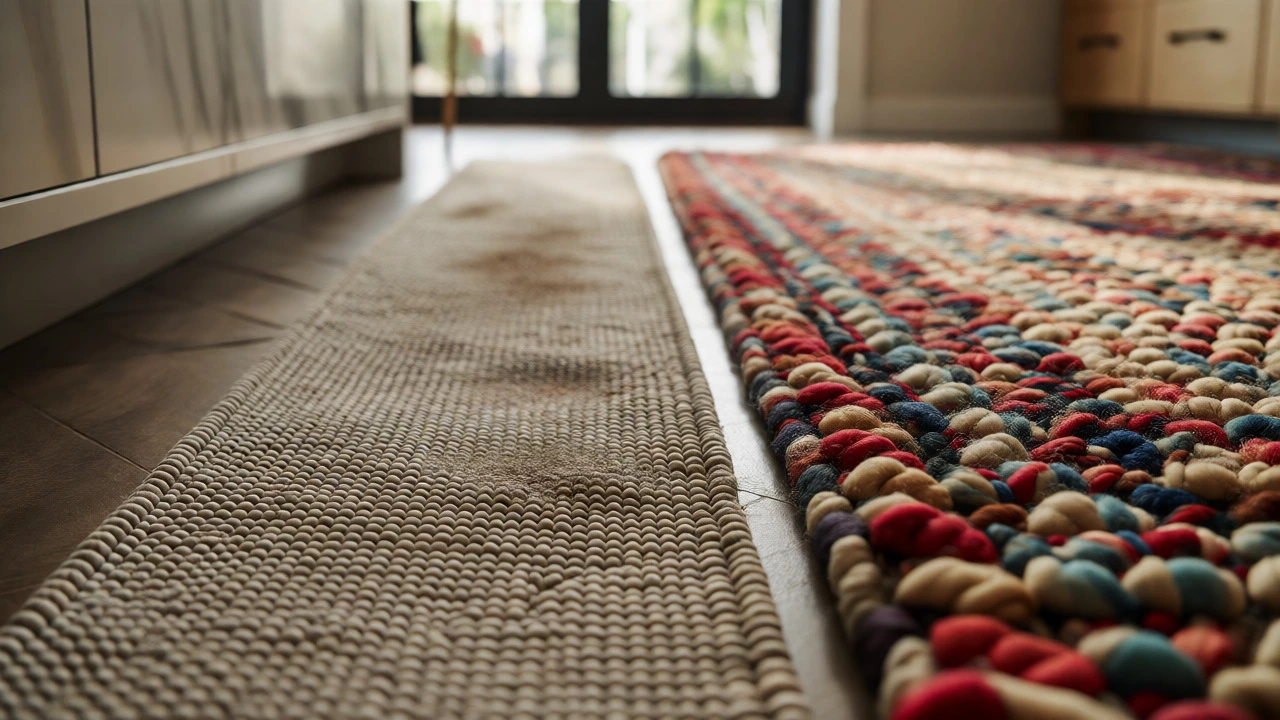
- Bald Patches: If the pile is completely gone in high-traffic areas, exposing the primary backing, the rug has lost its cushioning and aesthetic appeal.
- Curling Corners: Persistent curling despite using heavy furniture or non-slip tape indicates the backing material has degraded or separated from the face fabric.
Maximizing Lifespan: A Practical Checklist
You can double the life of almost any rug by following a simple routine. It doesn’t require expensive equipment, just consistency.
- Vacuum Weekly: Twice weekly in high-traffic areas. Always vacuum both sides if possible. Flip it over occasionally to dislodge embedded dust.
- Professional Clean Every 12-18 Months: Home steam cleaners often leave residue that attracts more dirt. Professional methods use controlled drying to prevent shrinkage and wicking.
- Keep Out of Direct Sun: UV rays break down dyes and weaken fibers. Use curtains or UV-filtering window film if your rug sits in a sunny spot.
- Trim Loose Threads: Never pull a loose thread. Cut it close to the base with sharp scissors. Pulling unravels rows of knots.
Ultimately, a good rug lasts as long as you decide it does. If you view it as a decorative accessory, buy synthetics and replace them every few years. If you view it as an architectural element, invest in wool and maintain it like art. The difference in cost per year of use is surprisingly small once you factor in replacements.
Do expensive rugs really last longer than cheap ones?
Yes, primarily due to material density and construction method. Expensive hand-knotted wool rugs have higher knot counts and stronger foundations than machine-made polypropylene rugs. However, a well-maintained mid-range nylon rug can outlast a neglected luxury silk rug. Care matters as much as cost.
How often should I rotate my rug?
Rotate your rug 180 degrees every six months. If it’s in a very high-traffic area like a hallway, consider rotating it quarterly. This evens out wear patterns caused by foot traffic and furniture weight.
Does sunlight ruin rugs?
Yes, prolonged exposure to direct sunlight causes fading and weakens fibers, making them brittle. Natural dyes fade faster than synthetic ones. Use blinds during peak sun hours or apply UV-protective window film to mitigate damage.
Can I wash a wool rug myself?
Small spills can be blotted with cold water and mild detergent. Full washing is risky for large wool rugs because improper drying leads to mold and shrinkage. For deep cleans, professional services with controlled drying chambers are safer and preserve longevity.
What is the best rug for a house with pets?
Short-pile nylon or polypropylene rugs are best for pets. They are durable, easy to clean, and resistant to stains. Avoid long-pile or looped rugs, as claws can snag the fibers, and dark colors hide pet hair better.