Next Kitchen Cabinet Trends for 2026: Styles, Colors & Shelving
Kitchen Cabinet Style Matcher
Find your perfect kitchen look for 2026 by answering a few quick questions.
Your Recommended Trend
Select options above to see your personalized recommendation.
You’re standing in your kitchen, staring at those white Shaker cabinets that have been there since you bought the house. They look fine, sure. But they also feel a bit... safe. If you’ve been scrolling through Pinterest or walking into any high-end showroom lately, you’ve probably noticed things are shifting. The era of the "everything is white and hidden" kitchen is quietly fading out.
So, what’s actually replacing it? As we move through 2026, kitchen cabinet trends are less about flashy gimmicks and more about personality, warmth, and smart storage. We’re seeing a big push toward materials that age well and designs that let you show off your life rather than hiding it away. Whether you’re planning a full renovation or just swapping out doors, understanding where the industry is heading can save you from picking a style that looks dated in three years.
The Rise of Warm Minimalism and Natural Wood
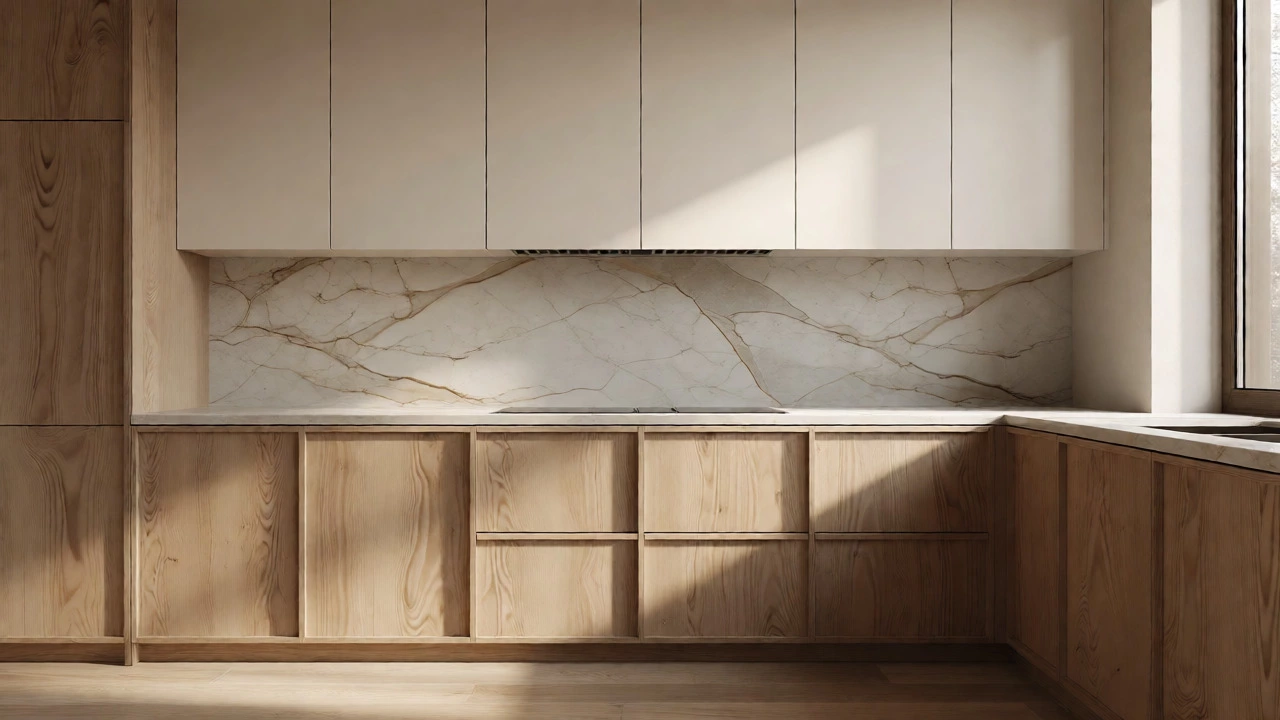
For a long time, minimalism meant cold whites, grays, and black handles. It was clean, but often sterile. In 2026, minimalism has warmed up. We are seeing a massive return to natural wood tones, but not the orangey oak of the 1970s. Think lighter woods like ash, birch, and even bamboo, finished with matte sealants that highlight the grain without adding gloss.
This shift isn’t just aesthetic; it’s psychological. After years of spending more time at home, people want spaces that feel organic and grounded. Natural wood cabinetry provides this warmth while maintaining a sleek, modern profile. Unlike painted cabinets, which chip and scratch visibly, wood ages gracefully. A few scuffs on an oak front just add character, whereas they look like damage on a painted surface.
If you’re worried about maintenance, don’t be. Modern finishes are far more durable than they used to be. Water-based polyurethanes and hardwax oils protect the wood against moisture and heat without creating that plastic-like shine. Plus, pairing warm wood with cool stone countertops (like quartzite or soapstone) creates a balance that feels intentional, not accidental.
Open Shelving Is Back (But Smarter)
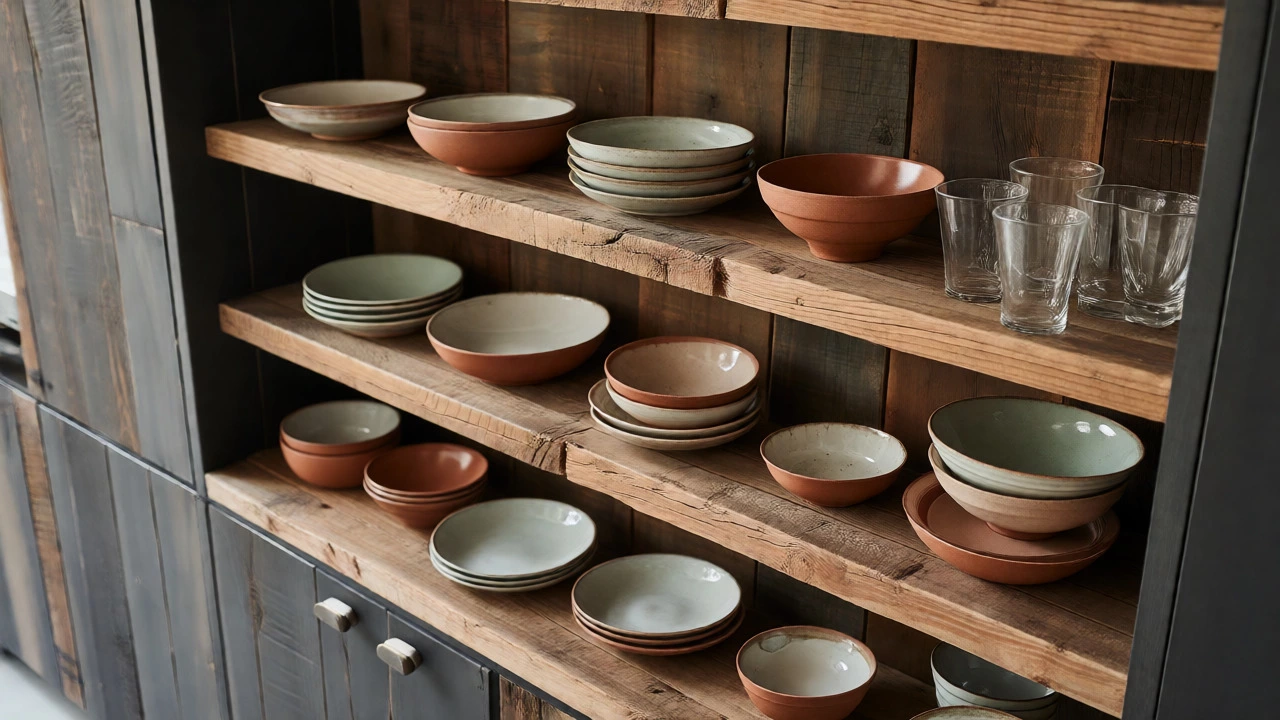
Remember when everyone ripped out their upper cabinets for open shelves, only to realize how much dust collected on their mismatched mugs? Open shelving is back, but the approach has evolved. It’s no longer about having empty shelves for the sake of airiness. It’s about curated display.
In 2026, we see hybrid cabinetry systems. These combine closed lower cabinets for messy pots and pans with selective open shelving above the sink or stove. This setup allows you to keep daily-use items within reach while hiding the clutter. The key here is restraint. You aren’t displaying every bowl you own. You’re showing off a set of handmade ceramics or a collection of vintage glassware.
From a practical standpoint, open shelving changes how you interact with your kitchen. It forces organization. If it’s on the shelf, it needs to look good. Many homeowners are using this trend to break up the monotony of tall cabinet runs. Instead of a wall of solid doors, you get visual interest and height. For smaller kitchens, this can make the space feel larger because there’s less visual weight blocking the eye.
Two-Tone and Color Drenching
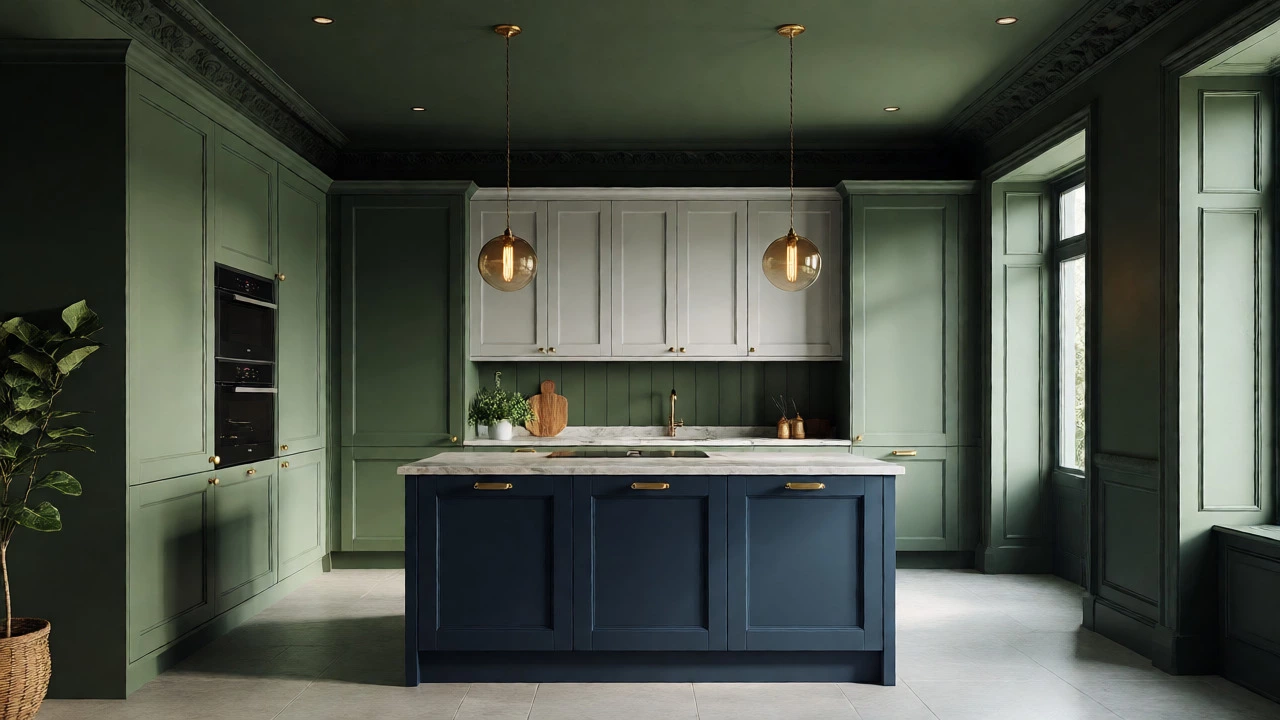
White is still around, but it’s rarely alone. Two-tone kitchens-where the upper and lower cabinets differ in color-are dominating new builds. Typically, this means darker, richer colors on the bottom (navy, forest green, charcoal) and lighter tones on top (cream, light gray, or natural wood). Why? Darker bottoms hide footprints and splashes better, while lighter tops keep the room feeling open.
However, there’s an even bolder trend gaining traction: color drenching. This involves painting the cabinets, walls, and sometimes even the ceiling in the same hue. It sounds intense, but when done with muted, earthy tones like sage green, terracotta, or deep blue, it creates a cozy, enveloping atmosphere. It turns the kitchen into a distinct room rather than just a utility space.
| Strategy | Best For | Maintenance Level | Visual Effect |
|---|---|---|---|
| Two-Tone | Kitchens with poor lighting or small spaces | Medium (Dark hides stains) | Balanced and airy |
| Color Drenching | Large kitchens or open-plan homes | High (Shows smudges easily) | Cohesive and dramatic |
| All White | Classic traditional homes | High (Every mark shows) | Bright but potentially sterile |
| Natural Wood | Modern farmhouse or Japandi styles | Low (Hides wear) | Warm and organic |
Sustainable and Eco-Friendly Materials
We can’t talk about trends without talking about sustainability. Buyers in 2026 are asking harder questions about where their cabinets come from. It’s not enough to just say "wood." People want to know if it’s FSC-certified, if the paints are low-VOC, and if the manufacturing process created excessive waste.
This has led to a surge in popularity for recycled and reclaimed materials. Reclaimed barn wood cabinets offer a unique story and texture that new lumber simply can’t match. Similarly, bamboo is becoming a go-to choice for eco-conscious renovators because it grows rapidly and regenerates quickly compared to traditional hardwoods.
Another aspect of sustainability is longevity. Fast-furniture culture is dying out in the kitchen. Homeowners are investing in custom or semi-custom cabinets built with dovetail joints and plywood boxes, rather than particleboard that swells when wet. Buying once and buying right is now considered the most sustainable option. It reduces landfill waste over time, even if the upfront cost is higher.
Integrated Appliances and Handleless Designs
As kitchens become the social hub of the home, they need to look as good as living rooms. That means fewer visual distractions. Integrated appliances, where refrigerators and dishwashers are covered by cabinet panels, are standard in high-end designs. The goal is seamless flow.
To support this, handleless cabinet fronts are huge. Push-to-open mechanisms and integrated finger pulls create smooth, uninterrupted surfaces. This style aligns perfectly with the warm minimalism mentioned earlier. Without bulky knobs breaking up the wood grain or paint color, the cabinets themselves become the feature.
However, handleless doesn’t mean impractical. High-quality hinges and soft-close mechanisms ensure these cabinets last. The risk with cheap handleless systems is that the doors sag or the push-mechanisms fail after a year. Always test the hardware before committing. Brands like Blum and Hettich remain the gold standards here, offering warranties that span decades.
How to Choose What’s Right for You
With so many options, how do you decide? Start by looking at your lifestyle. Do you cook messy meals every night? Then all-white might drive you crazy. Do you love collecting vintage dishes? Open shelving could be your dream. Are you selling your home in five years? Stick to neutral palettes with bold accents you can change later.
Consider the lighting in your specific space. North-facing kitchens in Auckland, for example, get cool, indirect light. Dark cabinets can make them feel cave-like unless you add significant artificial lighting. South-facing kitchens get plenty of sun, making them perfect candidates for deeper greens or blues.
Finally, think about resale value. While personal taste matters, extremely niche trends (like neon yellow cabinets) can hurt resale. Trends like natural wood, two-tone neutrals, and quality craftsmanship generally hold value because they appeal to a broader audience. You want your kitchen to feel current, not like a time capsule from 2026.
Are open shelves really practical for everyday cooking?
They can be, if you are organized. Open shelves require regular dusting and tidying. However, placing them near the dishwasher makes unloading easier. Many people find they use the items on open shelves more frequently because they are visible, reducing food waste.
What is the most durable finish for kitchen cabinets?
Matte lacquer and catalyzed conversion varnish are among the most durable options. They resist scratches, moisture, and UV fading better than standard oil-based paints. Hardwax oils are great for wood but require more frequent re-application to maintain protection.
Is two-tone cabinetry going out of style?
No, two-tone is considered a classic design technique rather than a fleeting trend. By keeping one color neutral (like white or wood) and the other subdued, you create a balanced look that remains relevant across different design eras.
Do I need to replace my entire kitchen to follow these trends?
Not necessarily. You can update existing cabinets by changing the hardware to handleless styles, adding open shelving by removing a few upper doors, or repainting lower cabinets in a darker tone. Refacing doors is another cost-effective way to adopt new wood tones without full demolition.
Which wood species are best for humid climates?
Teak and Cedar are naturally resistant to moisture and rot due to their oils. Maple and Oak are also popular choices when properly sealed with high-quality polyurethane. Avoid untreated pine, which warps easily in humidity.