What is Fancy Tableware Called? A Guide to Fine China and Silverware
Fine Tableware Identifier & Guide
Not sure what to call that expensive set? Select a category or material below to learn the precise industry term and why it matters.
Select an item above
Learn the difference between "Fine China," "Bone China," "Sterling," and more.
Quick Reference: Material Comparison
| Term | Key Feature | Best For |
|---|---|---|
| Bone China | Translucent, thin, warm white | Luxury heirlooms, weddings |
| Hard-Paste Porcelain | Durable, cool white, heavy | Restaurants, daily use |
| Sterling Silver | Tarnishes, requires polishing | Formal events, collectors |
| 18/10 Stainless | Rust-resistant, shiny, durable | Modern everyday elegance |
You’re standing in the aisle of a high-end department store or browsing an online luxury retailer, staring at a set of plates that cost more than your weekly groceries. You want to buy them, but you hesitate because you don’t know what to call them. Are they just "plates"? Is it "china"? Or do people actually say "tableware" when they mean the fancy stuff? The truth is, there isn’t one single word for fancy tableware. Instead, there’s a whole vocabulary based on material, origin, and how strictly you follow etiquette rules.
Most people use terms like fancy tableware, fine china, or silverware interchangeably, but each term points to something specific. If you call a $200 porcelain plate "dinnerware," you’re technically correct but missing the nuance. If you call a stainless steel fork "silverware," you might be lying about its value. Understanding these distinctions helps you shop smarter, mix and match sets without looking tacky, and impress guests who care about the details. Let’s break down exactly what the fancy stuff is called and why the names matter.
The Core Terms: What Do People Actually Say?
When you search for "what is fancy tableware called," you’ll hit a wall of synonyms. Here’s the reality: the industry uses broad categories, while collectors and etiquette experts use precise ones. Knowing which bucket your items fall into saves you from buying the wrong thing.
Material Matters: Why "China" Isn't Just One Thing
Not all fancy plates are created equal. The material determines the price, durability, and what you should call it. If you buy a set labeled "porcelain" thinking it’s the same as "bone china," you might be disappointed by the translucency-or lack thereof.
| Term | Composition | Characteristics | Best For |
|---|---|---|---|
| Bone China | Porcelain + Bone Ash (30-50%) | Extremely thin, translucent, strong, warm white color | Luxury daily use, heirlooms, high-end dining |
| Hard-Paste Porcelain | Kaolin clay + Petuntse | Vitreous, durable, cool white, heavy, chip-resistant | Restaurants, commercial use, modern minimalist homes |
| Soft-Paste Porcelain | Kaolin + Glass frits | Less durable, easier to shape, intricate designs | Decorative pieces, antique collections |
| Earthenware | Clay fired at lower temps | Porous (needs glaze), heavier, rustic look | Casual chic, farmhouse style, not truly "fine" china |
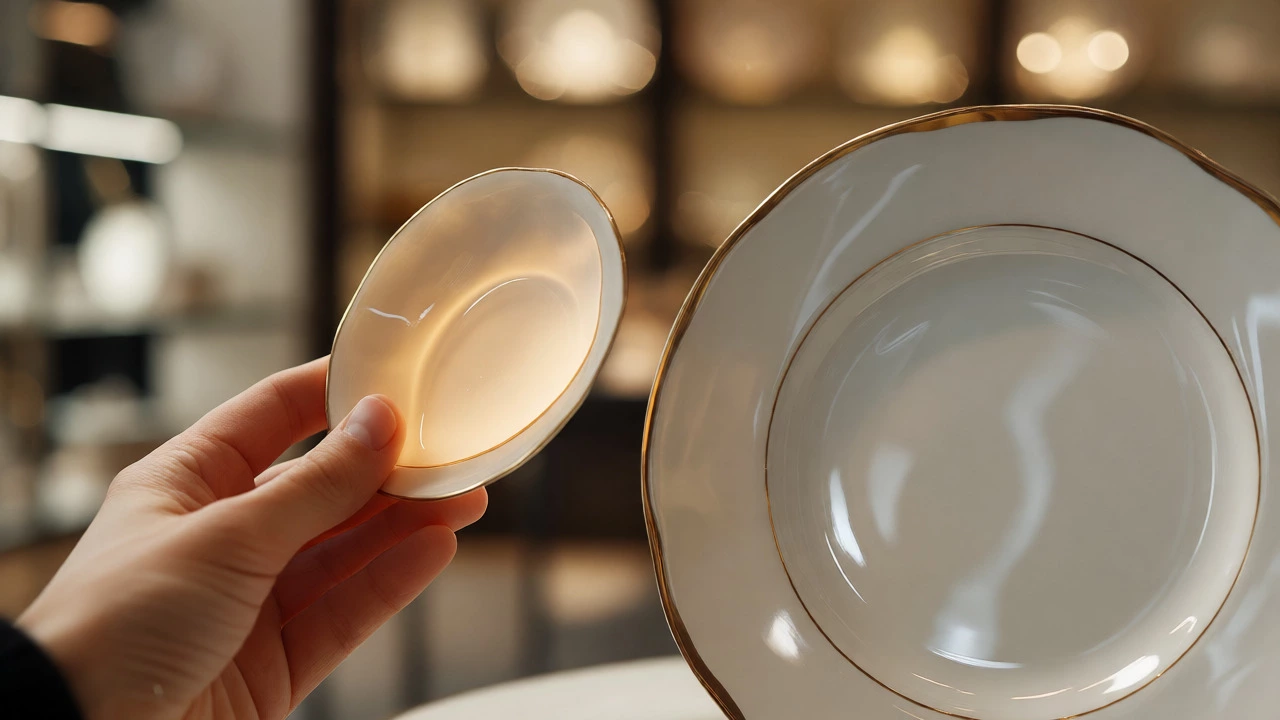
Bone china is the gold standard for "fancy" tableware. Brands like Wedgwood and Royal Doulton built their reputations on it. It rings like a bell when tapped and allows light to pass through if you hold it up to a lamp. Hard-paste porcelain, often associated with Meissen or Limoges, is denser and whiter but lacks that ethereal glow. If you’re shopping for "fine china," check the backstamp. If it says "bone china," you’re getting the premium tier. If it just says "porcelain," ask yourself if you need the extra durability or the aesthetic delicacy.
Cutlery vs. Silverware vs. Flatware: Clearing the Confusion
This is where regional differences trip people up. In the UK, Australia, and New Zealand, we say "cutlery." In the US, people often say "silverware" or "flatware." But what if you’re buying a fancy set online from an international site?
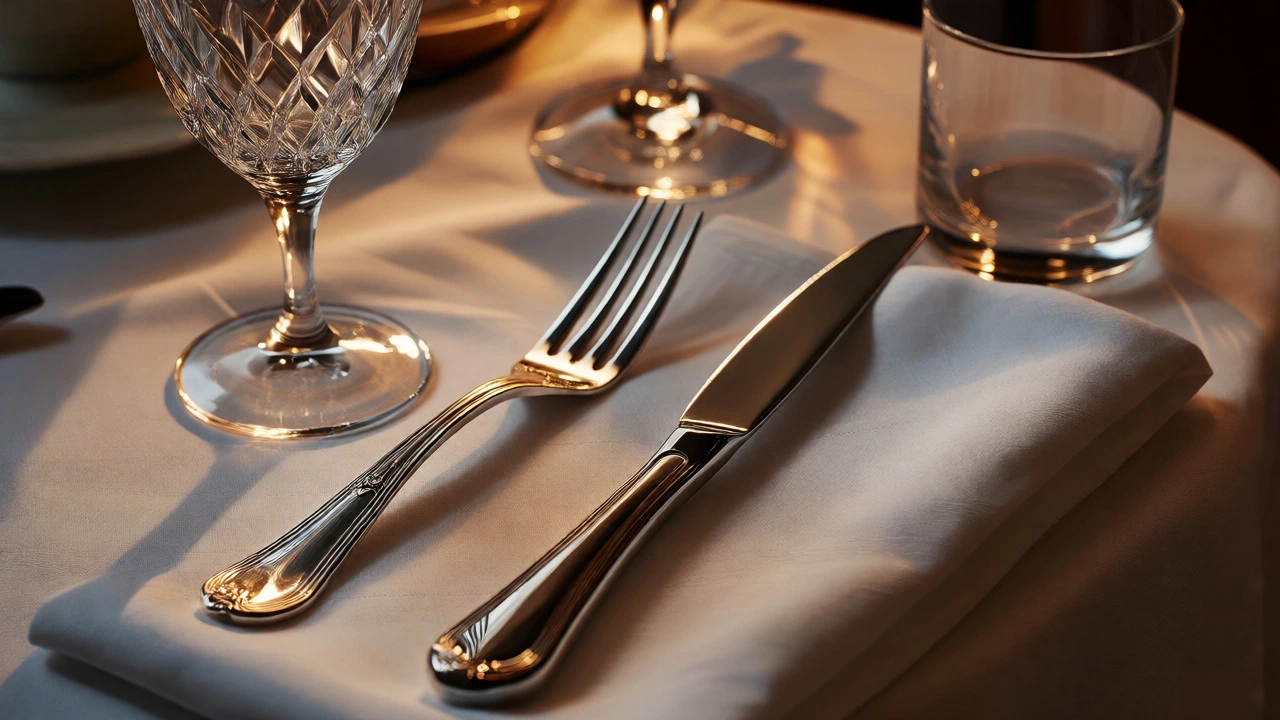
- Cutlery: The general term for knives, forks, and spoons. Originates from "cutting tool." This is the safest term globally.
- Flatware: A US-centric term referring to eating utensils that lie flat on the table (forks, spoons, butter knives). Excludes serving spoons or ladles sometimes.
- Silverware: Implies the metal content. If it’s plated, it’s "silver-plated flatware." If it’s solid sterling, it’s "sterling silverware." Using this term for stainless steel is marketing fluff, not fact.
- Stainless Steel: The workhorse of modern fancy tableware. High-grade stainless steel (like 18/10) can look identical to silver but won’t tarnish. Many "fancy" sets today are stainless steel with polished finishes.
If you’re in Auckland, you’ll likely hear "cutlery" in stores like David Jones or Harvey Norman. If you’re reading American blogs, expect "flatware." Don’t let the terminology stop you. Focus on the grade of steel. 18/10 stainless steel contains 18% chromium and 10% nickel, giving it shine and rust resistance. That’s the spec you want for a set that lasts decades.
Glassware and Stemware: The Crystal Question
Fancy tableware isn’t just plates and forks. It’s also the glasses. And here, the word "crystal" gets abused constantly.
True crystal contains lead oxide (or other metals like titanium or zinc in lead-free versions). This gives it refractive index properties-it sparkles under light and has a distinctive "ring" when wetted with your finger. Lead crystal is heavier and softer than regular glass, making it prone to chipping but beautiful to handle.
Regular glassware, even expensive hand-blown glass, isn’t "crystal" unless it meets those composition standards. So, when someone asks, "Is this fancy tableware?" pointing to a wine glass, the answer depends on whether it’s lead crystal or just high-quality soda-lime glass. Both can be elegant, but only one earns the "crystal" badge.
For stemware, the term stemware itself indicates a level of formality. Tumblers and mugs are casual. Goblets, coupes, and flute glasses with stems are formal. Mixing stemware with casual tumblers at a formal dinner is a faux pas. Stick to matching sets or complementary styles if you’re aiming for a cohesive "fancy" look.
How to Mix and Match Without Looking Messy
Here’s a secret from interior designers: you don’t need a matching 12-piece set anymore. In fact, mixing patterns is now considered more sophisticated than rigid matching. But there’s a method to the madness.
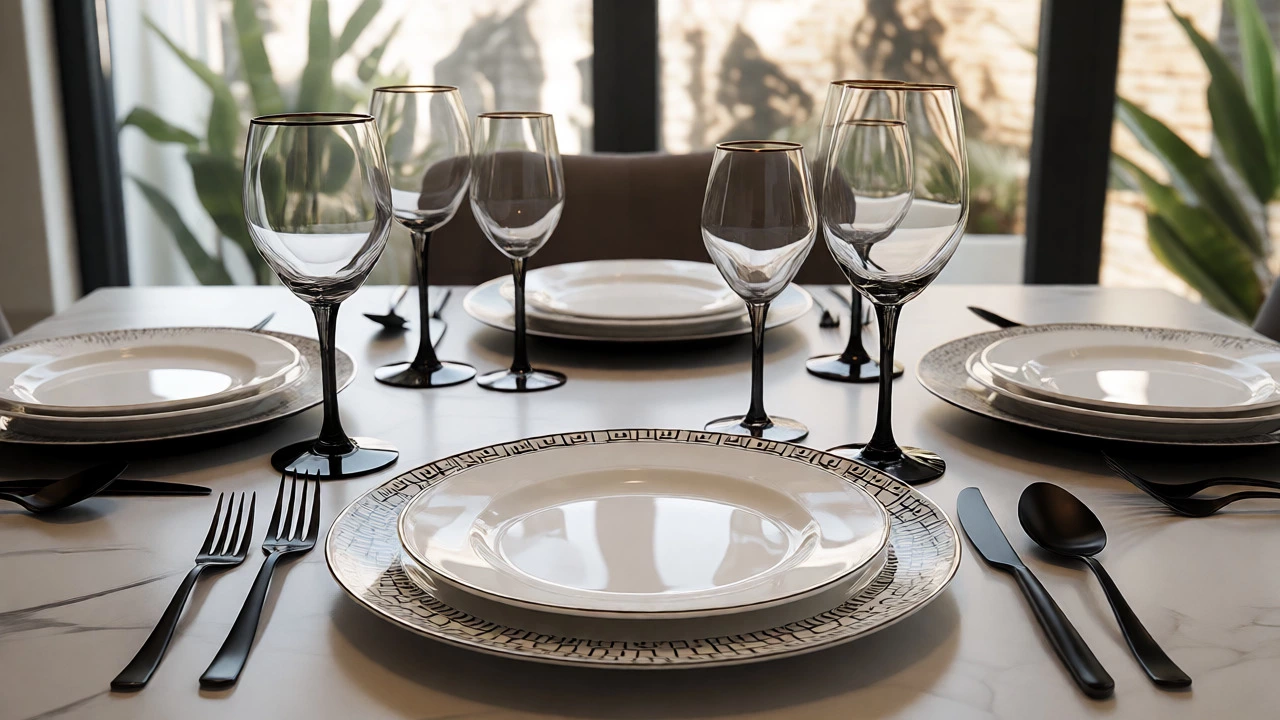
Start with a neutral base. Use plain white bone china or simple porcelain as your foundation. Then, add personality through charger plates (large decorative plates placed under dinner plates) or patterned salad plates. Keep the cutlery consistent-either all silver-plated or all matte black stainless steel. Mixing metals is okay if done intentionally (e.g., brushed nickel handles with polished heads), but random mixing looks accidental.
Consider the occasion. For everyday fancy dining, durable hard-paste porcelain works best. For holiday dinners, bring out the bone china and crystal. Rotate your storage so fragile pieces aren’t stacked too high. Stack plates no more than six high if they have raised rims or gold trim. Gold trim wears off over time if rubbed against other plates, so insert felt separators between layers.
Buying Tips: Where to Find Real Fancy Tableware
Shopping for fancy tableware requires vigilance. Counterfeits exist, especially for brands like Villeroy & Boch or Noritake. Check the backstamp carefully. Authentic pieces have clear maker’s marks, country of origin, and sometimes year codes.
Buy secondhand from reputable estate sales or specialized retailers rather than generic flea markets. Inspect for hairline cracks (crazing) in the glaze. Crazing doesn’t always ruin a piece, but deep cracks harbor bacteria and weaken the structure. Avoid pieces with significant chips on the rim-they’re visible during use.
If you’re new to this, start small. Buy four place settings instead of twelve. Test them in your dishwasher (if labeled dishwasher safe) and microwave. Some gold-trimmed pieces cannot go in the microwave. Read the care instructions before assuming "fancy" means "high maintenance." Modern bone china is surprisingly durable, but older antiques require hand washing.
Is bone china better than porcelain?
Bone china is generally considered higher quality due to its strength-to-weight ratio and translucency. It contains bone ash, which makes it thinner yet stronger than standard hard-paste porcelain. However, high-quality porcelain is more durable against thermal shock and often cheaper. Choose bone china for elegance and lightness; choose porcelain for durability and modern aesthetics.
Can I put fancy tableware in the dishwasher?
Many modern fancy tableware pieces are dishwasher safe, but always check the manufacturer's guidelines. Pieces with metallic lusters (gold, platinum, silver) should usually be hand-washed to prevent the finish from wearing off. Antique or vintage pieces are safer hand-washed to preserve their integrity and value.
What is the difference between silverware and flatware?
Silverware specifically refers to utensils made of sterling silver or silver-plated metal. Flatware is a broader term that includes all eating utensils (knives, forks, spoons) regardless of material, such as stainless steel. In casual usage, people often call stainless steel sets "silverware," but technically, they are flatware.
Why is my crystal cloudy?
Cloudiness in crystal is usually caused by mineral deposits from hard water or detergent residue. It can also result from etching, which is permanent damage to the surface. To remove cloudiness, soak the crystal in a mixture of warm water and white vinegar or use a specialized crystal cleaner. If the cloudiness remains after cleaning, it may be etching, which cannot be reversed.
Do I need matching tableware for every piece?
No. Contemporary design favors mixing and matching. You can combine different patterns or textures as long as they share a common color palette or style theme. For example, pair floral china with geometric chargers, or mix matte and glossy finishes. Consistency in cutlery and glassware often ties the eclectic look together.