
Tableware vs Dinnerware: Key Differences Explained
Tableware vs. Dinnerware Quiz
Drag or click items to sort them into the correct category. Click an item again to deselect it.
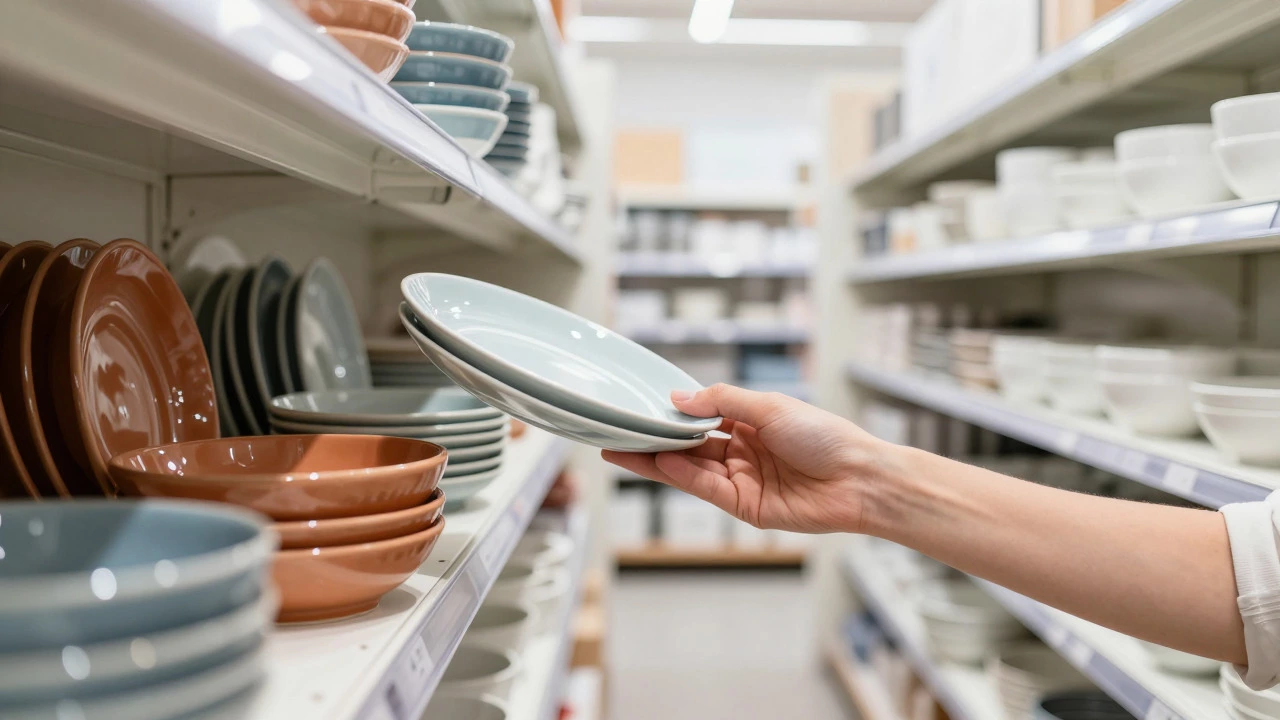
Ever stood in a store aisle staring at two shelves that look nearly identical, wondering why one is labeled Dinnerware and the other Tableware? You’re not alone. The terms are used interchangeably in casual conversation, but they actually refer to different scopes of items. Understanding the distinction helps you buy exactly what you need without overspending on pieces you’ll never use or missing essential components for your daily routine.
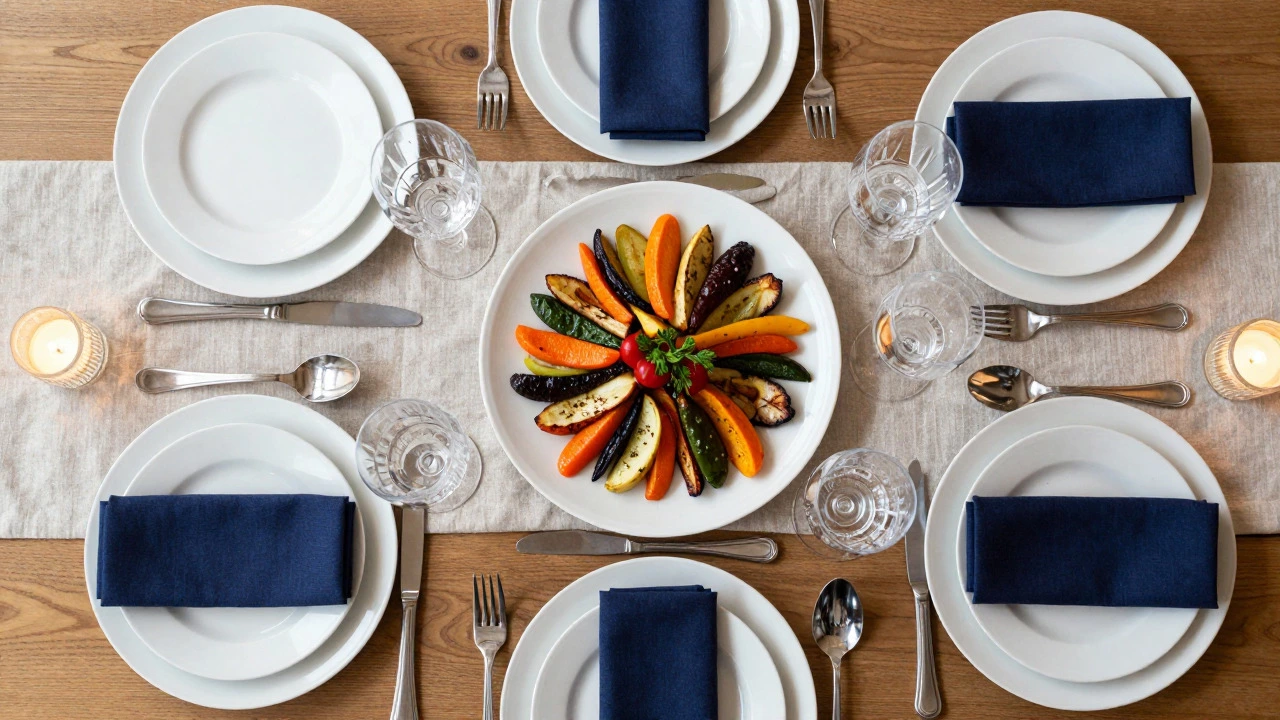
Dinnerware is the specific subset of items used directly to hold food during a meal, primarily plates, bowls, and platters. It is the core functional layer of your dining setup. In contrast, Tableware is the broader umbrella term that encompasses everything placed on the table, including dinnerware, cutlery, glassware, and decorative accents like napkins and placemats. Think of it this way: all dinnerware is tableware, but not all tableware is dinnerware.
The Core Components of Dinnerware
When you hear "dinnerware," visualize the ceramic or porcelain vessels that touch your food. This category is strictly about containment and presentation of the meal itself. A standard dinnerware set usually includes:
- Dinner Plates: Typically 10-11 inches in diameter, used for main courses.
- Salad Plates: Smaller, around 8-9 inches, for appetizers or sides.
- Bowls: For soups, pasta, or cereal; these come in various depths.
- Serving Platters: Larger dishes for family-style meals or shared appetizers.
Materials matter here. Porcelain, stoneware, and bone china are the most common materials for dinnerware because they are durable, microwave-safe (usually), and easy to clean. If you are replacing a broken plate or starting a new household, this is the first category you check. Brands often market "16-piece dinnerware sets" which typically include four of each major piece type mentioned above.
What Falls Under the Tableware Umbrella
Tableware, as a comprehensive concept, covers the entire aesthetic and functional ecosystem of the dining table. Beyond the plates and bowls, this includes:
- Cutlery: Forks, knives, spoons, and specialized tools like butter knives or fish forks.
- Glassware: Water glasses, wine glasses, tumblers, and decanters.
- Textiles: Napkins, placemats, runners, and tablecloths.
- Decorative Accents: Candles, centerpieces, and small serving utensils.
This broader definition means that when you are "setting the table," you are arranging tableware. However, when you are "washing up" after a heavy meal, you are mostly cleaning dinnerware and cutlery. Glassware often goes into a separate drying rack due to its fragility, further distinguishing it from the robust ceramic dinnerware stack.
Why the Distinction Matters for Buying Decisions
Confusing these terms can lead to budget mismanagement. If you search for "buy tableware," you might find bundles that include expensive crystal glassware or high-end linen napkins, even if you only needed a new salad plate. Conversely, searching for "dinnerware" ensures you focus on the ceramic core, allowing you to compare prices based on material quality (like bone china vs. stoneware) rather than getting distracted by peripheral accessories.
Consider a scenario: You are hosting a dinner party for eight. You need to ensure you have enough dinnerware (plates and bowls) to serve everyone comfortably. But to make the experience complete, you also need the full tableware package: matching cutlery for each guest, appropriate glassware for the beverages served, and perhaps cloth napkins to elevate the look. If you only bought dinnerware, you’d be eating off nice plates with mismatched plastic forks and paper cups-a jarring experience.
Material Durability and Care Differences
Dinnerware and the rest of tableware require different care routines. Ceramic dinnerware is generally dishwasher-safe, though hand-washing preserves glaze integrity over time. Check for chip resistance; stoneware is often more forgiving than delicate porcelain. On the other hand, many pieces of non-dinnerware tableware are more fragile or sensitive.
- Cutlery: Stainless steel is durable, but silver requires polishing to prevent tarnish. Avoid putting silver in the dishwasher unless marked safe.
- Glassware: Crystal and fine glass are prone to scratching and chipping. Hand-washing is recommended to maintain clarity and prevent cloudiness from detergent residue.
- Textiles: Linen and cotton napkins shrink if washed in hot water. Always follow label instructions to avoid ruining your table setting aesthetics.
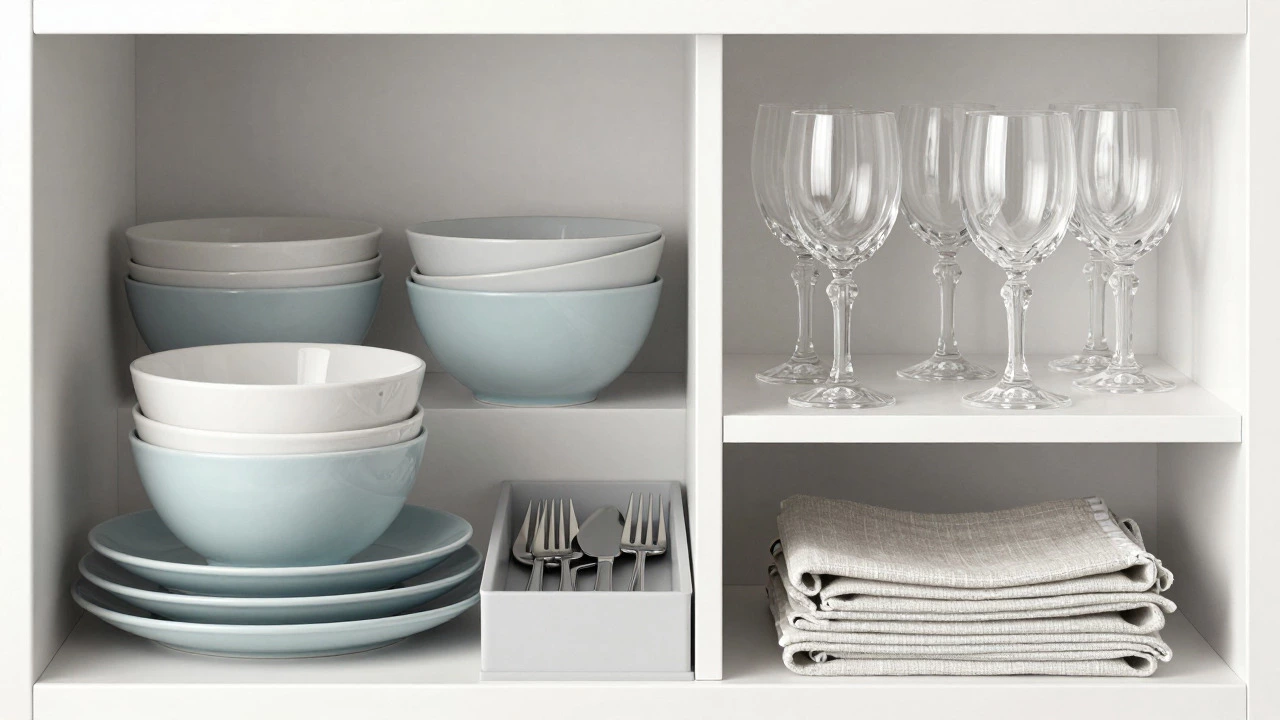
Understanding these care differences helps you plan your storage. Dinnerware stacks vertically in cabinets. Cutlery lives in drawers. Glassware needs shelf space with adequate clearance. Textiles fold in linen closets. Organizing by these categories prevents clutter and makes setting the table faster.
Comparison: Dinnerware vs. Tableware Attributes
| Attribute | Dinnerware | Tableware |
|---|---|---|
| Primary Function | Holding food | Complete table setup and dining experience |
| Core Items | Plates, bowls, platters | Dinnerware + cutlery, glassware, textiles, decor |
| Typical Materials | Porcelain, stoneware, ceramic | Ceramic, stainless steel, glass, crystal, fabric |
| Cleaning Method | Dishwasher or hand wash | Varies: Dishwasher, hand wash, dry cleaning (textiles) |
| Purchase Context | Replacing broken plates, basic necessity | Hosting events, aesthetic upgrades, full set building |
How to Build Your Collection Strategically
Start with your dinnerware needs. Count your household members and add two extra place settings for guests. Buy a cohesive set of plates and bowls first. This ensures visual consistency for everyday meals. Once your core dinnerware is established, assess your cutlery. Do you have enough forks, knives, and spoons? Upgrade to stainless steel if your current set is rusting or dull.
Next, address glassware. Do you drink wine regularly? Invest in proper stemware. If you mostly drink water and coffee, simple tumblers and mugs suffice. Finally, consider textiles. Cloth napkins add texture and formality. Placemats protect your table surface and define individual spaces. By breaking down "tableware" into these sub-categories, you avoid impulse buying and create a functional, stylish dining environment that grows with your needs.
Frequently Asked Questions
Is cutlery considered dinnerware?
No, cutlery is not dinnerware. Cutlery refers to utensils like forks, knives, and spoons. Dinnerware specifically refers to the vessels that hold food, such as plates and bowls. However, both fall under the broader category of tableware.
Can I use any glassware as part of my tableware?
Yes, any drinking vessel placed on the table counts as part of your tableware setup. This includes water glasses, wine glasses, beer mugs, and juice tumblers. While they aren't dinnerware, they are essential components of the overall tableware ensemble.
What is the difference between dishware and dinnerware?
The terms dishware and dinnerware are often used interchangeably to mean the same thing: plates, bowls, and platters. Some people use "dishware" to include serving dishes and baking dishes, while "dinnerware" is strictly for individual place settings. In retail, they are usually grouped together.
Do I need a full tableware set for everyday use?
Not necessarily. For daily life, a basic dinnerware set (plates and bowls) and a standard cutlery set are sufficient. Full tableware sets with extensive glassware and formal linens are better reserved for special occasions or guests. Prioritize function for daily use and aesthetics for entertaining.
Which is more durable: porcelain or stoneware dinnerware?
Stoneware is generally more durable and chip-resistant than porcelain. Porcelain is thinner and lighter, making it elegant but more prone to breaking if dropped. Stoneware is thicker and heavier, offering better longevity for busy households with children or frequent use.