What Do You Call the Small Plate Under the Cup? The Definitive Guide to Saucers
Saucer Size Calculator & Etiquette Guide
Input Details
Recommended Saucer Diameter:
Etiquette Tip:
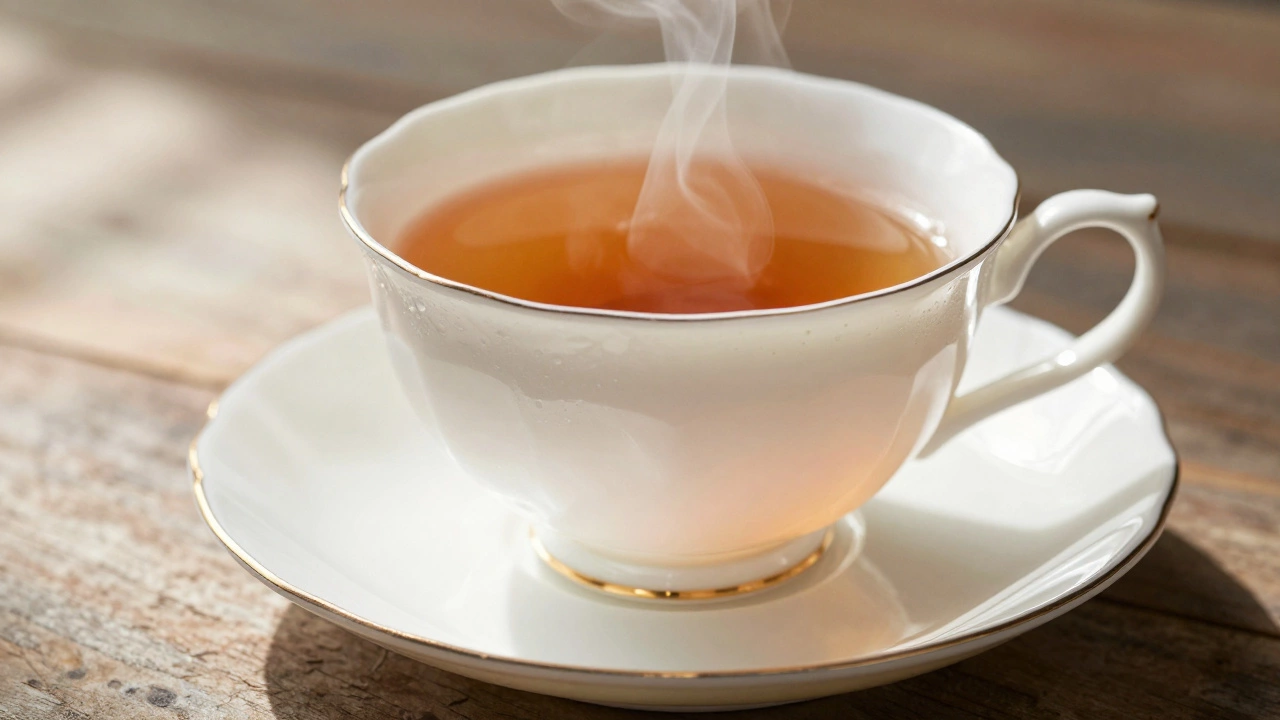
You’re holding a delicate china cup of hot Earl Grey. Steam rises. You set it down on the table, but not directly on the wood or glass surface. You place it on that small, shallow dish designed specifically to catch drips and hold the handle comfortably. It’s a familiar object, yet if someone asked you for its name right now, you might hesitate. Is it a coaster? A plate? A base?
The answer is simple: it is a saucer.
While "saucer" is the correct term, the world of cup-and-saucer etiquette is deeper than just naming the object. Understanding what a saucer is, how it differs from similar items like coasters or underplates, and why it exists can save you from social faux pas and help you choose the right dinnerware for your home.
The Anatomy of a Saucer
A saucer is a small, flat or slightly concave dish intended to support a cup. Historically, the word comes from the Latin saucer, meaning "sauce dish," which evolved through Old French saussier. Originally, these dishes were used to hold sauces or condiments alongside bread. Over centuries, as tea and coffee culture exploded in Europe during the 17th and 18th centuries, the function shifted. The small plate became an essential partner to the cup, protecting tables from heat and spills while providing a resting place for the spoon.
There are two primary types of saucers you will encounter:
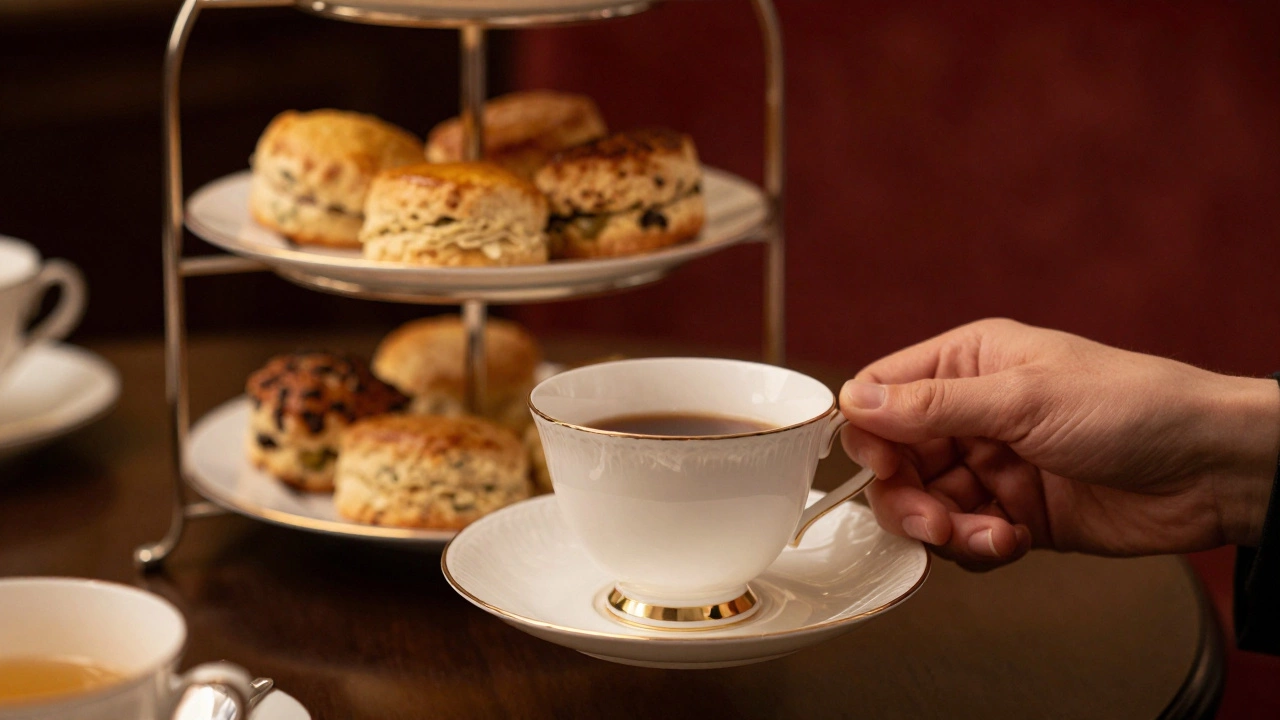
- Tea Saucers: These are typically larger, with a diameter of about 6 to 7 inches (15-18 cm). They have a wider rim because teacups often have smaller bases, and the extra space allows for placing a spoon horizontally across the top when not in use. In formal British tea service, the saucer is also used to rest the cup upon when you are not actively drinking, signaling a pause in conversation.
- Coffee Saucers: Smaller than their tea counterparts, coffee saucers usually measure around 5 to 6 inches (12-15 cm) in diameter. Espresso cups, being tiny, sometimes sit on even smaller saucers known as espresso saucers or demitasse saucers, which may be only 3 to 4 inches wide.
The shape matters too. Most saucers have a slight depression in the center to cradle the cup securely. Some modern designs are completely flat, resembling small plates, while others have a pronounced well. The material varies widely-porcelain, bone china, stoneware, ceramic, and even metal or glass-but porcelain and bone china remain the gold standard for fine dining due to their thinness and heat retention properties.
Saucer vs. Coaster: Know the Difference
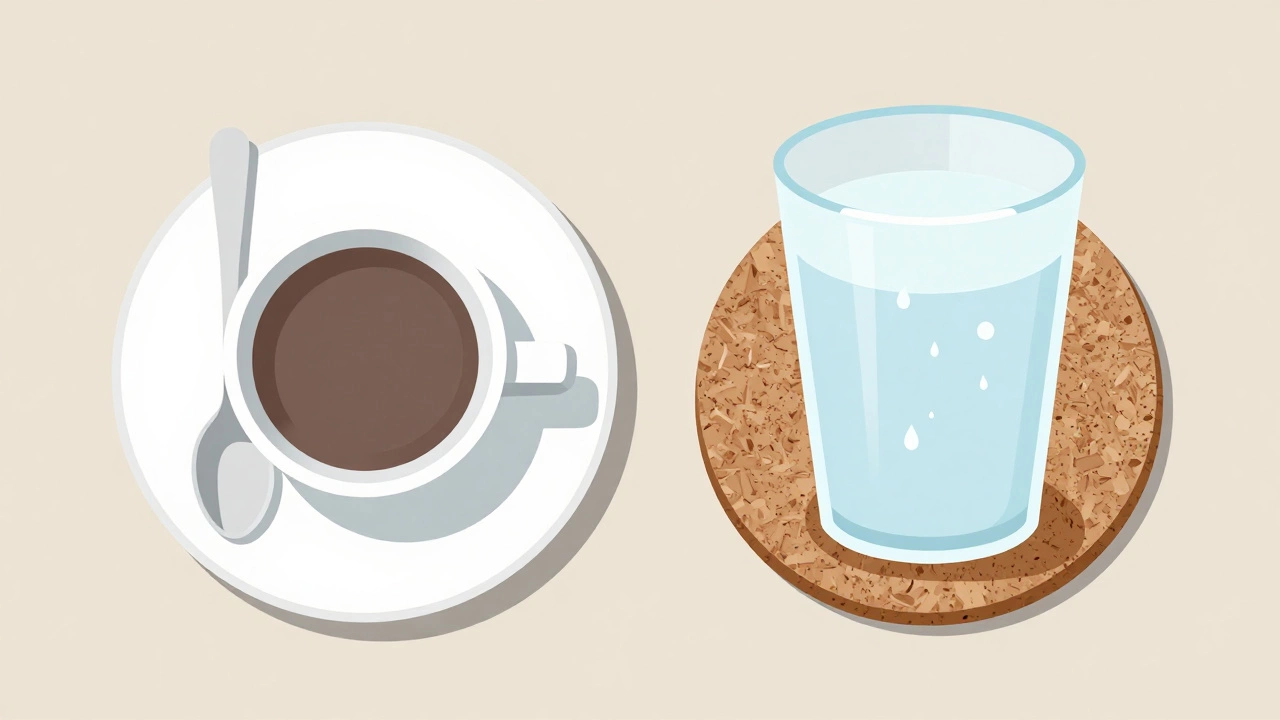
This is where most confusion arises. People often use the terms interchangeably, but they serve distinct purposes. If you put a mug on a cork square at your desk, that’s not a saucer. That’s a coaster.
| Feature | Saucer | Coaster |
|---|---|---|
| Material | Ceramic, porcelain, china, glass | Cork, felt, wood, plastic, silicone |
| Primary Function | Dining accessory; part of the place setting | Furniture protection; absorbs condensation |
| Usage Context | Formal meals, tea service, coffee shops | Home offices, casual bars, living rooms |
| Washability | Dishwasher safe (usually) | Not washable (absorbent materials) |
| Shape | Round, concave, matches cup size | Square, round, irregular; generic sizes |
A saucer is part of your tableware. It goes in the dishwasher, sits on the dining table, and complements the aesthetic of your cup. A coaster is a utilitarian protector. It stays on the coffee table or nightstand, soaking up water rings from cold drinks or catching crumbs from snacks. Using a coaster instead of a saucer at a formal dinner would be considered a breach of etiquette, just as using a saucer to protect your mahogany desk from a sweating beer bottle would be impractical and messy.
Underplates and Chargers: The Bigger Cousins
If a saucer is the small plate under the cup, what about the large plate under your dinner plate? That brings us to related entities in the kitchenware family: underplates and chargers.
An underplate is a plain, sturdy plate placed beneath a decorative dinner plate. Its job is purely functional and aesthetic. It catches any overflow from the main course and adds height and visual interest to the table setting. Unlike a saucer, which is paired with a specific cup, an underplate is part of the core place setting for solid food.
A charger is a large, ornamental plate used primarily in formal dining. Chargers are often made of metal, lacquer, or thick ceramic. They stay on the table throughout the meal, underneath all other plates, and are removed only after the final course. While a saucer supports a vessel for liquid, a charger anchors the entire stack of dinnerware. Confusing these three-saucer, underplate, and charger-is common, but the size and context give them away instantly.
Why Do We Still Use Saucers?
In a world of disposable mugs and travel tumblers, the saucer might seem like an archaic relic. However, it serves several practical functions that justify its continued existence, especially in hospitality and formal settings.
- Spill Management: Hot liquids splash. When you stir sugar into tea or pour milk into coffee, droplets fly. The saucer catches these, keeping your lap and the table clean.
- Heat Insulation: Porcelain conducts heat. Placing a scalding hot cup directly on a wooden table can leave white rings or damage the finish. The saucer acts as a barrier, dissipating heat safely.
- Ergonomics: Holding a cup by its handle is polite, but sometimes handles break or are absent (like in Turkish coffee cups). The saucer provides a stable base to rest the cup on, allowing you to sip without holding it continuously.
- Etiquette Signaling: In traditional tea ceremonies, placing the cup back on the saucer signals that you are finished or taking a pause. Lifting the cup off the saucer indicates active engagement. This subtle language helps guide the flow of conversation.
Moreover, there is an undeniable tactile pleasure in the weight and balance of a cup and saucer. The clink of porcelain against porcelain is a sensory cue that enhances the ritual of drinking tea or coffee. It transforms a quick caffeine fix into a moment of mindfulness.
Choosing the Right Saucer for Your Home
If you are building a collection or replacing broken pieces, consider these factors:
- Match the Cup Base: Measure the bottom diameter of your favorite cups. The saucer should be at least 1 inch larger than the cup’s base to ensure stability and provide adequate drip space.
- Material Durability: For everyday use, stoneware or high-quality ceramic is more chip-resistant than delicate bone china. Reserve fine china for special occasions.
- Color and Pattern: Neutral saucers (white, cream, gray) are versatile and pair with any cup. Patterned saucers add personality but limit mixing and matching. Consider a "mix-and-match" approach where saucers are solid and cups are patterned.
- Stackability: Check if the saucers nest well for storage. Deep wells or uneven rims can make stacking difficult, wasting cabinet space.
Don’t overlook the handle placement. Ensure the cup sits centered on the saucer so the handle aligns comfortably with the edge, making it easy to grip without sliding the cup around.
Common Mistakes to Avoid
Even knowing the name "saucer" doesn’t guarantee proper usage. Here are some frequent errors:
- Placing the Spoon Inside the Cup: In formal settings, when you are done stirring, place the spoon on the saucer, not back in the cup. This prevents the spoon from knocking against the sides and signals you are finished preparing the drink.
- Using Mismatched Sets: Mixing saucers from different patterns can look cluttered unless you are intentionally curating an eclectic style. Stick to one era or color palette for cohesion.
- Igoring the Rim: Never rest your lips on the rim of the saucer. It is not a bowl. Drink from the cup, and let the saucer do its job below.
Understanding the terminology and function of this small but significant piece of kitchenware elevates your dining experience. Whether you are hosting a high tea or simply enjoying morning coffee, the saucer plays a vital role in comfort, cleanliness, and courtesy.
What is the difference between a saucer and a coaster?
A saucer is a small ceramic or porcelain dish used with cups for dining, designed to catch drips and hold spoons. A coaster is a protective pad made of cork, felt, or wood, used to prevent furniture damage from condensation or spills in casual settings.
Can I use a saucer as a small plate for food?
Technically yes, but it is not recommended. Saucers are shallow and lack the rim to contain food effectively. They are also often smaller than standard side plates. Use them only for very small appetizers like olives or nuts, and avoid heavy or saucy foods.
Why are tea saucers bigger than coffee saucers?
Tea cups generally have smaller bases and are held differently than coffee cups. The larger saucer provides a stable platform for the cup and enough space to lay the teaspoon horizontally across the top when not in use, which is standard tea etiquette.
Is it rude to drink directly from the saucer?
Yes, in almost all cultures, drinking directly from the saucer is considered improper etiquette. The saucer is meant to support the cup, not to be a drinking vessel itself. Always drink from the cup.
What should I do with my spoon when I am done stirring?
Place the spoon on the saucer, behind the cup, with the handle pointing to your right. Do not leave the spoon inside the cup, as this can cause noise when sipping and looks unfinished.