What Are Plastic Cups and Plates Called? A Guide to Disposables
Disposable Tableware Selector
Select your options above and click the button to see our recommendation.
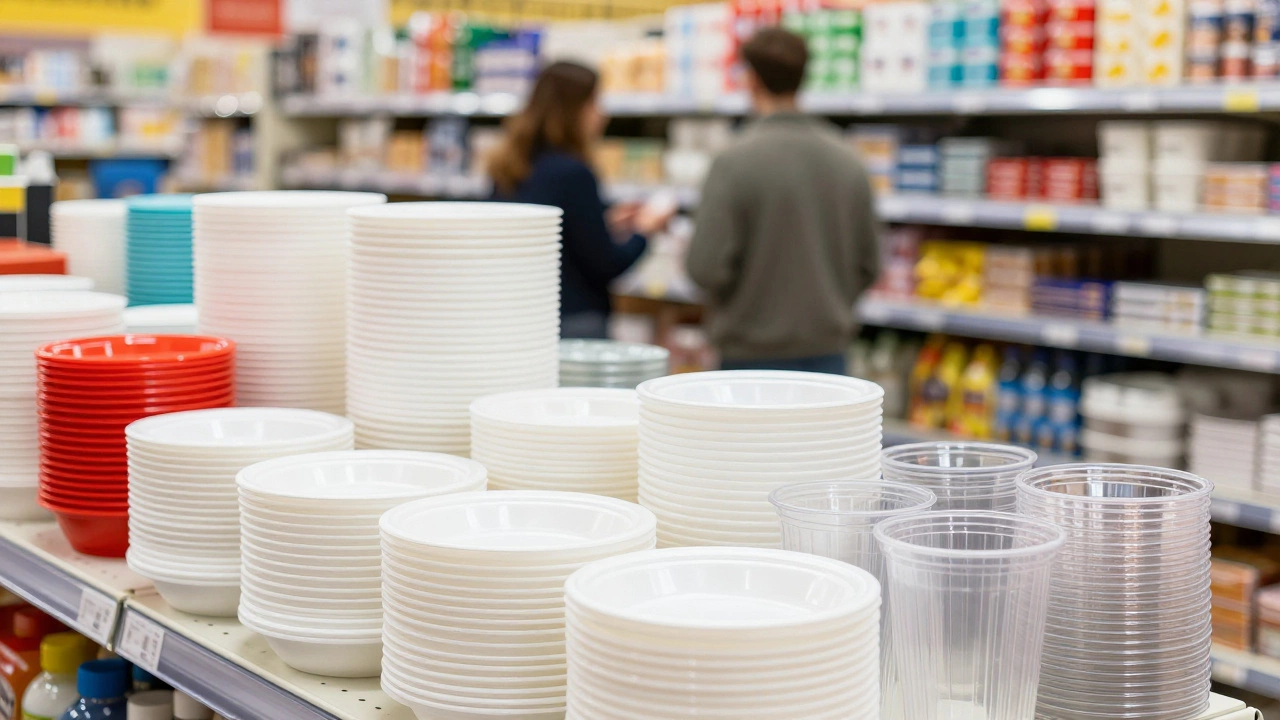
You are standing in the kitchen aisle, staring at a wall of colorful stacks. You need something for a barbecue, a birthday party, or just a lazy Sunday where you don't want to wash dishes. But when you ask for them, what do you actually call them? Are they 'disposables'? 'Party ware'? Or is there a more specific term depending on the material?
Knowing the right terminology helps you find exactly what you need, whether you are looking for sturdy options for hot food or eco-friendly alternatives for cold drinks. Let's break down the names, materials, and uses of these everyday items.
The General Term: Disposable Tableware
If you want a catch-all phrase that covers everything from forks to trays, the industry standard is disposable tableware. This term refers to any eating utensil, plate, cup, or bowl designed for one-time use. It is the broad category you will see in store aisles and online catalogs.
Within this category, people often use shorter, colloquial terms:
- Disposables: The most common shorthand. "Grab some disposables" usually implies plates, cups, and cutlery.
- Party Supplies: This includes tableware but also balloons, napkins, and decorations.
- Serveware: A slightly more formal term, often used by caterers.
When specifically talking about the hard plastic items, you might hear them called polystyrene products (if they are foam) or polypropylene items (if they are rigid). Understanding these material names is key because it tells you how the item will perform with heat and weight.
Plastic Plates: Names by Material
Not all plastic plates are created equal. The name changes based on the polymer used, which affects durability and safety.
| Common Name | Material Type | Best Use Case | Heat Resistance |
|---|---|---|---|
| Styrofoam Plates | Expanded Polystyrene (EPS) | Cold foods, sandwiches, casual picnics | Poor (melts/deforms above 100°C) |
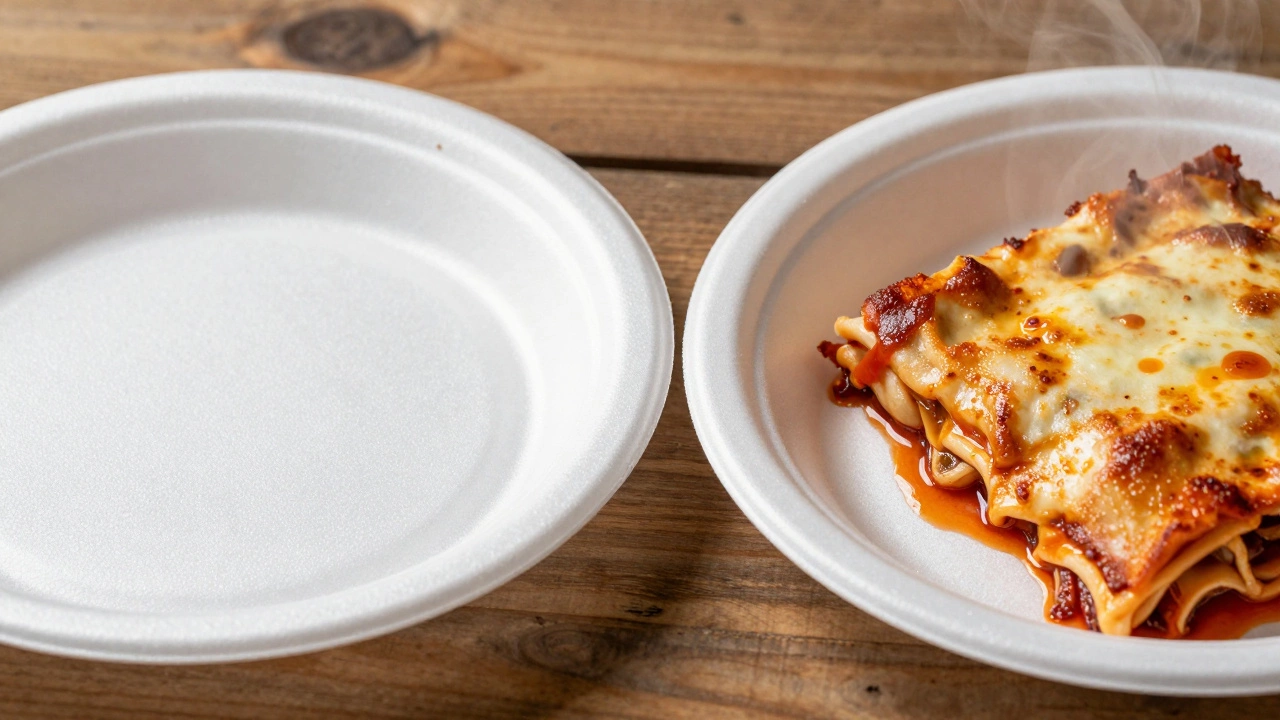
| Rigid Plastic Plates | Polypropylene (PP) or PET | Hot meals, heavy foods like lasagna | Good (microwave safe up to certain temps) |
| Bio-Plates | Bagasse (sugarcane fiber) or PLA | Eco-conscious events, compostable waste streams | Moderate |
Styrofoam Plates: Technically, "Styrofoam" is a brand name owned by Dow Chemical for blue insulation boards. However, everyone uses it to describe expanded polystyrene (EPS) plates. These are white, lightweight, and have a cellular structure that insulates well. They are cheap but brittle. If you put hot soup in an EPS plate, it will likely warp or leak.
Rigid Plastic Plates: Made from polypropylene (PP) or polyethylene terephthalate (PET), these look more like real dinnerware. They are thinner than ceramic but stronger than foam. You will often see them labeled as "microwave-safe" or "oven-safe" (for short periods). In New Zealand and Australia, we sometimes just call them "plastic serviettes" if they are paper-based, but for pure plastic, "rigid disposables" is the accurate term.
Plastic Cups: Beyond Just "Cups"
Cups have even more specific naming conventions based on shape and volume.
Tumblers: When you buy clear, hard plastic cups for water or soda, they are often called plastic tumblers. Unlike glass tumblers, these are unbreakable and often made from SAN (styrene acrylonitrile) or AS plastic. They feel heavier and more substantial than thin-party cups.
Party Cups: The thin, translucent, often colored cups you get in packs of 50 are simply called party cups. They are usually made from polystyrene (PS). They are lightweight and stack easily but can crack if squeezed too hard. A standard size is 9 ounces (approx. 270ml).
Insulated Foam Cups: Similar to EPS plates, these are double-walled foam cups. They keep coffee hot for longer than thin plastic but are not microwave-safe. In many contexts, especially outdoor festivals, these are just called "coffee cups" even though they are plastic foam, not paper.
The Shift Toward Eco-Friendly Alternatives
In recent years, the conversation around plastic tableware has shifted heavily toward sustainability. Many cities and countries, including regions in New Zealand, have banned or taxed single-use plastics. This has introduced new terms into the vocabulary.
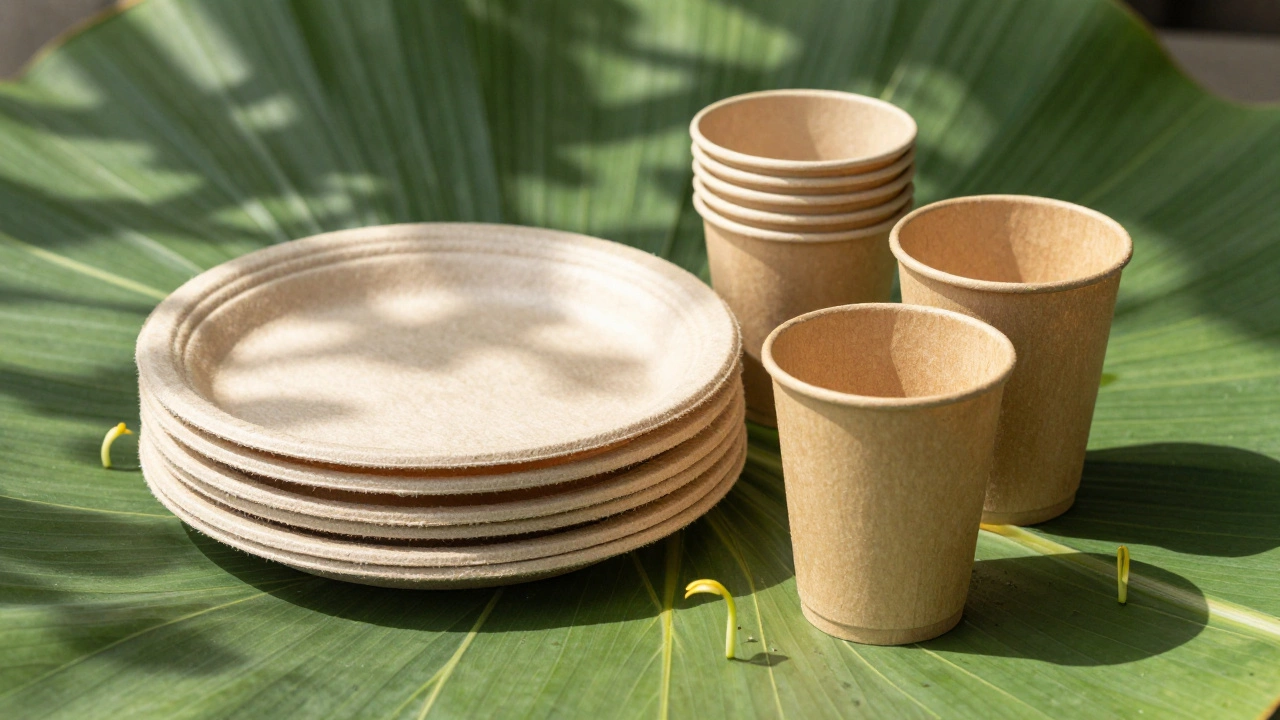
Compostable Tableware: These items are made from plant-based materials like cornstarch (PLA - polylactic acid) or bagasse (sugarcane residue). While they look and feel like plastic, they are technically bioplastics. You should look for certifications like "AS 4736" in Australia/New Zealand or "EN 13432" in Europe to ensure they truly compost in industrial facilities.
Bamboo Fiber Plates: Made from bamboo pulp mixed with resin, these are durable and have a natural aesthetic. They are often marketed as "eco-plates" or "green disposables."
It is important to note that "biodegradable" does not always mean "compostable." Some plastics break down into microplastics over centuries. Always check the label for "industrially compostable" if you want to dispose of them responsibly.
How to Choose the Right Item
Selecting the correct type of disposable depends on three factors: temperature, content weight, and duration of use.
- For Hot Food: Avoid expanded polystyrene (foam). Use rigid polypropylene (PP) plates or bagasse plates. PP can withstand temperatures up to 120°C without melting.
- For Cold Drinks: Thin polystyrene party cups are fine. For a premium feel, choose SAN tumblers, which condensation-resistant and clearer.
- For Outdoor Events: Wind is the enemy. Foam plates are light and blow away easily. Rigid plastic or heavy-duty paper plates stay put better.
- For Environmental Impact: If you have access to industrial composting, choose certified compostable PLA or bagasse. If not, reusable melamine or stainless steel is far better than any "eco-plastic" that ends up in landfill.
Storage and Care Tips
Even though these are single-use, storing them correctly prevents waste before you even start the party.
- Keep Dry: Humidity can cause paper-based disposables to sag and plastic to become sticky or cloudy. Store in sealed boxes or dry cabinets.
- Avoid Direct Sunlight: UV rays degrade plastics over time, making them brittle. A box of cups left in a hot garage for a year may crack when opened.
- Stack Neatly: Overloading shelves can crush the bottom layers. Follow the manufacturer's stacking height recommendations.
Are Styrofoam plates safe for hot food?
No, expanded polystyrene (Styrofoam) plates are not recommended for hot food. They can melt, warp, or leach chemicals into your food when exposed to temperatures above 100°C (212°F). For hot meals, use rigid polypropylene (PP) plates or compostable bagasse plates instead.
What is the difference between PLA and regular plastic?
PLA (polylactic acid) is a bioplastic made from renewable resources like corn starch or sugarcane. Regular plastic is made from petroleum. PLA is biodegradable under specific industrial composting conditions, whereas regular plastic persists in the environment for hundreds of years. However, PLA is not recyclable in standard curbside recycling bins.
Can I microwave plastic disposable plates?
Only if they are explicitly labeled "microwave-safe." Most rigid polypropylene (PP) plates are microwave-safe for short durations. Never microwave expanded polystyrene (foam) or thin polystyrene cups, as they will melt. Always remove lids and avoid overheating fatty foods, which can exceed the plastic's heat tolerance.
What does "compostable" mean on plastic tableware?
Compostable means the item will break down into natural elements within a specific timeframe under industrial composting conditions (high heat and humidity). It does not mean it will decompose quickly in a home garden bin or a landfill. Look for certification logos like ASTM D6400 or EN 13432 to verify claims.
Why are some plastic cups called "tumblers"?
The term "tumbler" originally referred to a glass with a flat bottom that could "tumble" or tip over easily. In modern disposable context, "plastic tumbler" refers to a thicker, clearer, and more durable cup made from materials like SAN or AS, designed to mimic the feel of glass rather than thin party cups.