What Color Bathroom Sells a House? The Best Neutral Shades for 2026
Bathroom Paint Value & Appeal Calculator
Configure Your Bathroom
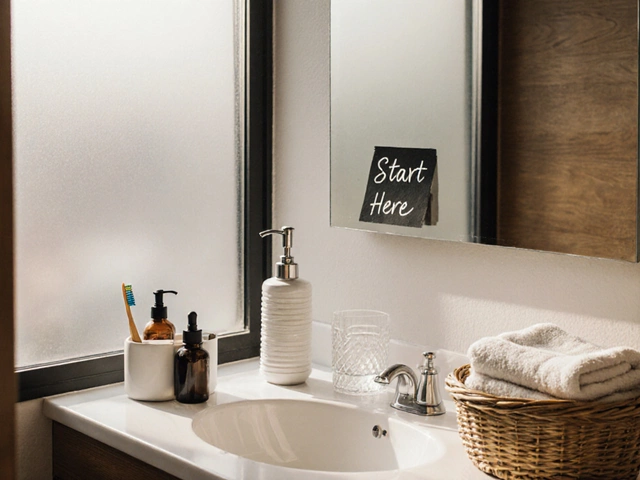
You just listed your home, and the agent’s first question wasn’t about the kitchen or the garden. It was about the bathroom walls. “What color is it?” they asked, as if the answer could make or break the sale. You’re not alone in wondering this. Buyers spend a surprising amount of time scrutinizing bathrooms, often more than any other room. Why? Because bathrooms are personal spaces. They reflect hygiene, comfort, and style all at once. Get the color wrong, and you risk turning off potential buyers before they even step foot inside.
The Psychology of Bathroom Colors
When you walk into a bathroom, your brain instantly categorizes it. Is it clean? Relaxing? Dated? Modern? Color plays a huge role in that split-second judgment. Dark colors can make a small space feel cramped and heavy. Bright primaries might scream ‘child’s room’ rather than ‘serene retreat.’ But neutrals? They work because they act like a blank canvas. They don’t shout; they whisper. And in real estate, whispering usually sells better than shouting.
Think about how you feel when you enter a spa. The walls are rarely bold reds or deep purples. They’re soft whites, warm beiges, or cool grays. These colors lower stress levels and create a sense of calm. Buyers want to imagine themselves relaxing in that space, not fighting with the aesthetic. If the wall color clashes with their mental image, they’ll move on to the next listing. Simple as that.
Top 5 Colors That Sell Homes Fast
If you’re looking for specific shades that consistently perform well in the market, here are the top contenders. These aren’t just trends; they’re proven sellers backed by real estate data and interior design principles.
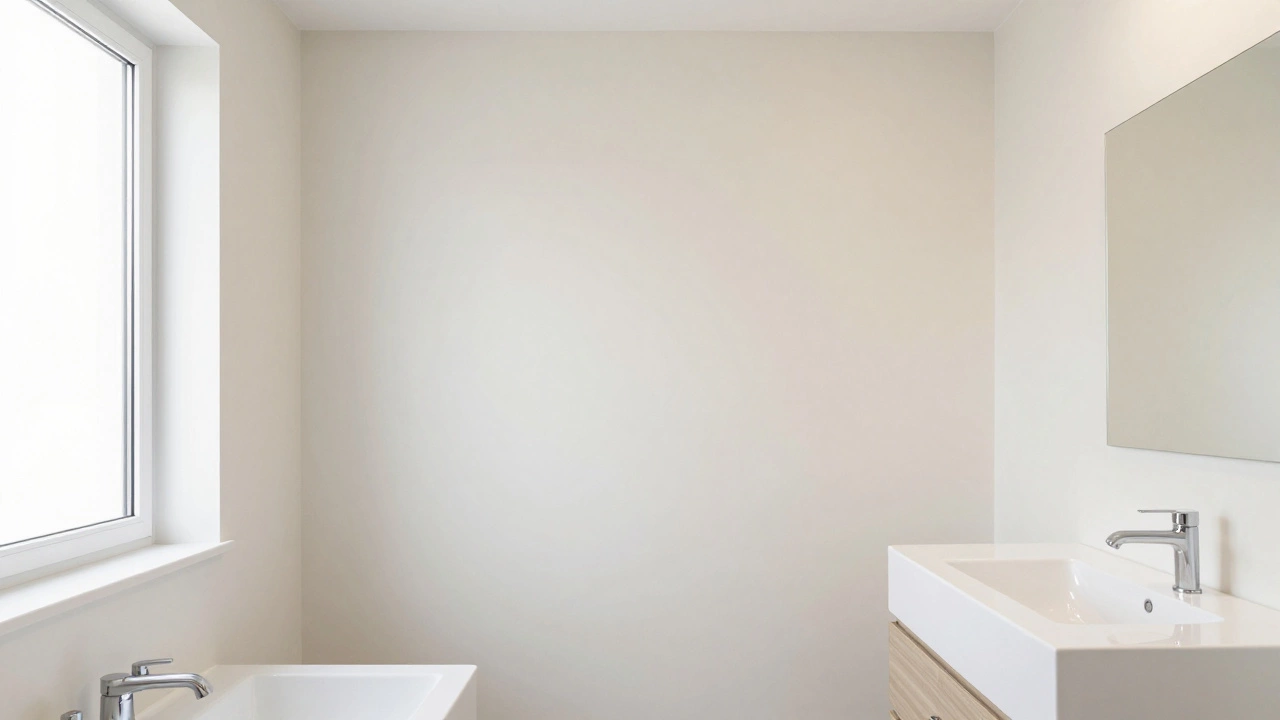
- Soft White: Not stark white, but a creamy, inviting white. Think Benjamin Moore’s White Dove or Dulux’s Pure White. These shades bounce light around the room, making it feel larger and brighter. They also hide minor imperfections better than pure white.
- Warm Beige: A step up from white, beige adds warmth without overwhelming the space. Look for greige tones (a mix of gray and beige) like Sherry’s Greige. This color works beautifully with both modern and traditional fixtures.
- Light Gray: Cool and sophisticated, light gray pairs well with chrome and stainless steel fixtures. It’s perfect for contemporary homes. Just avoid anything too dark or charcoal-like, which can make the room feel cold.
- Pale Blue: For a touch of personality without risking buyer alienation, pale blue is a safe bet. It evokes cleanliness and tranquility. Stick to very light shades, almost pastel, to keep it neutral enough for most tastes.
- Sage Green: A subtle nod to nature, sage green is becoming increasingly popular. It feels fresh and organic, appealing to eco-conscious buyers. Again, keep it light and muted to maintain versatility.
Why Neutrals Win Every Time
You might be thinking, “But I love navy blue! Or maybe a bold terracotta!” Personal taste is great for living in your own home, but terrible for selling it. When you put a house on the market, you’re not selling *your* home anymore. You’re selling a dream to someone else. And that dream looks different to everyone.
Neutrals allow buyers to project their own vision onto the space. They can easily imagine hanging their own art, adding their own towels, or painting over it later if they really want to. Bold colors force them to deal with the existing aesthetic first, which creates friction. Friction kills deals.
Consider this: a study by the National Association of Realtors found that homes with neutral decor sold faster and for closer to the asking price than those with bold accents. While the study didn’t specify exact hex codes, the trend is clear. Buyers prefer flexibility over forced personality.
The Role of Lighting in Color Perception
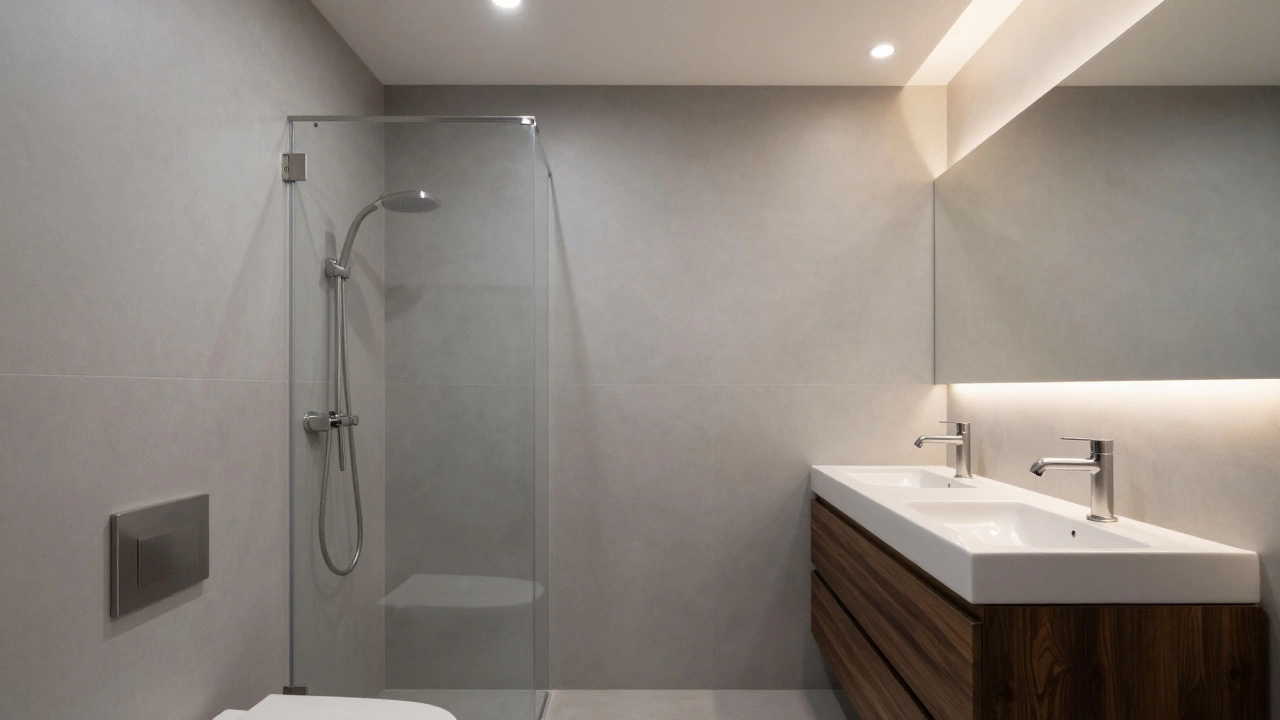
Even the best color choice can fail if the lighting isn’t right. Bathrooms often have limited natural light, relying heavily on artificial sources. Fluorescent lights can make whites look sickly and greens look muddy. Incandescent bulbs add warmth, which can enhance beige but dull down blues.
Before committing to a paint swatch, test it under your bathroom’s actual lighting conditions. Paint large samples on the wall and observe them at different times of day. Morning light, evening light, and night light will all reveal different undertones. If the color looks good only in one scenario, it’s probably not the right choice.
Also, consider upgrading your light fixtures. Warm white LED bulbs (around 2700K-3000K) provide a flattering glow that complements most neutral palettes. Avoid harsh cool whites unless you’re going for a clinical, hotel-like vibe.
Common Mistakes to Avoid
Some homeowners try to save money by skipping professional advice and picking colors based on magazine covers. Magazines are designed to inspire, not necessarily to sell. What looks stunning in a styled shoot might look chaotic in a 5x8 bathroom.
Another common mistake is ignoring the floor and fixture colors. Your wall color needs to harmonize with what’s already there. If you have dark wood vanities, a stark white wall might create too much contrast. A softer cream would bridge the gap better. Similarly, if your tiles are patterned, keep the walls plain. Let one element be the star, not everything.
Don’t forget the ceiling. Painting the ceiling a darker shade than the walls can make the room feel lower and more enclosed. Stick to white or a slightly lighter tone than the walls to draw the eye upward and create height.
| Color | Best For | Pros | Cons |
|---|---|---|---|
| Soft White | All styles | Brightens space, hides flaws | Can look sterile if too bright |
| Warm Beige | Traditional homes | Adds warmth, cozy feel | May date quickly if too yellow |
| Light Gray | Modern/Contemporary | Sophisticated, versatile | Can feel cold without warm lighting |
| Pale Blue | Coastal/Calm vibes | Evokes cleanliness | Risky if too saturated |
| Sage Green | Eco-friendly/Natural | Fresh, organic appeal | Trend-dependent popularity |
How Much Does Bathroom Renovation Really Pay Off?
Painting is the cheapest way to refresh a bathroom, but sometimes it’s not enough. If your fixtures are outdated or the layout is awkward, no amount of paint will fix it. However, minor updates combined with the right color scheme can yield significant returns.
A mid-range bathroom remodel typically recoups 60-70% of its cost at resale. But a simple paint job? That’s nearly 100% ROI because it costs so little. The key is execution. Hire a professional painter if you’re unsure. Sloppy edges and uneven coats scream “cheap,” which hurts your perceived value more than leaving the old color alone.
If you’re doing more than painting-like replacing cabinets or tiling-ensure the new materials complement your chosen wall color. Consistency matters. A mismatched palette suggests poor planning and lowers confidence in the rest of the home.
Regional Preferences Matter
Where you live affects what sells. In Auckland, where we see lots of rain and overcast skies, warmer neutrals tend to perform better. They counteract the gloom outside and make interiors feel inviting. In sunnier climates, cooler tones might be preferred to balance the heat.
Urban apartments often benefit from sleek, monochromatic schemes that maximize perceived space. Subfamily homes might lean towards cozier, earthier tones. Know your local market. Talk to your real estate agent about what’s working in your neighborhood right now. They see dozens of homes and know what catches buyers’ eyes.
Final Thoughts on Choosing the Right Shade
Choosing a bathroom color to sell your house isn’t about finding the prettiest hue. It’s about removing barriers between the buyer and their imagination. Neutrals do that best. They’re safe, timeless, and universally appealing. Whether you go with soft white, warm beige, or light gray, focus on creating a clean, bright, and welcoming environment.
Remember, you’re not decorating for yourself anymore. You’re preparing a stage for someone else’s life. Make it easy for them to step into it, and they’ll thank you with an offer.
What is the best color to paint a bathroom to sell a house?
The best colors are soft neutrals like creamy white, warm beige, or light gray. These shades appeal to the widest range of buyers, make the space feel larger and cleaner, and allow buyers to easily visualize themselves in the home.
Should I use bold colors in my bathroom if I'm selling?
Generally, no. Bold colors can alienate buyers who may not share your taste. They also make it harder for buyers to imagine their own decor in the space. Stick to neutrals to maximize appeal and speed up the sale.
Does lighting affect how bathroom paint colors look?
Yes, significantly. Artificial lighting can change the undertones of paint. Always test samples under your bathroom’s actual lighting conditions at different times of day. Warm white LEDs generally complement neutral palettes best.
Is it worth repainting the bathroom before listing?
Absolutely. Repainting is one of the highest ROI improvements you can make. It’s inexpensive compared to major renovations but dramatically impacts first impressions. A fresh coat of neutral paint makes the home look well-maintained and move-in ready.
What paint finish should I use in a bathroom?
Use satin or semi-gloss finishes. These are moisture-resistant and easier to clean than flat paints. They also reflect light well, helping to brighten the space. Avoid matte finishes in high-humidity areas as they can trap moisture and peel.
Can I keep dark colors if my bathroom has large windows?
While natural light helps, dark colors still pose a risk. They can make the space feel smaller and heavier regardless of window size. Most buyers prefer airy, open feelings. If you love dark tones, consider using them as accents rather than full wall coverage.