Is It Worth Replacing Couch Cushions? Here's What Actually Matters
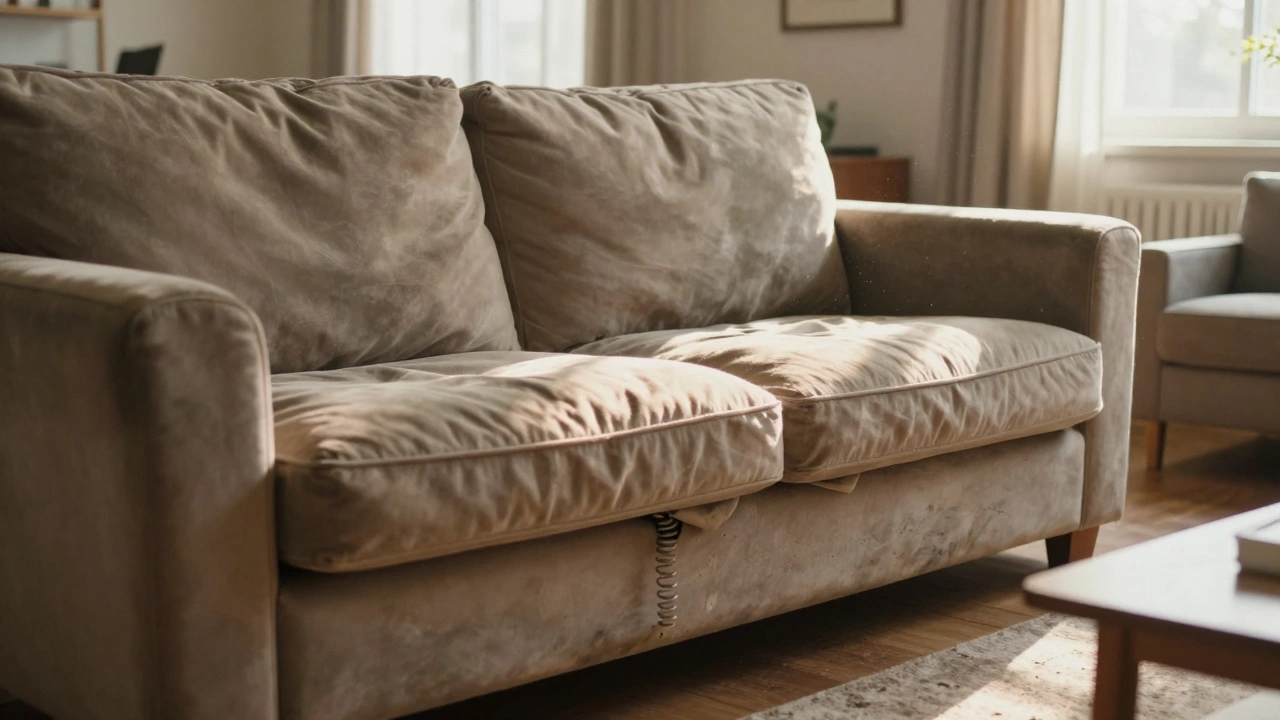
That sinking feeling when you sit down and your couch collapses under you like a deflated balloon. Or when the cushions look flat, lumpy, or just plain worn out after years of movie nights and weekend naps. You start wondering: is it worth replacing couch cushions? Or should you just buy a new sofa?
The truth? It depends. Not every saggy cushion means your couch is dead. And not every new cushion set is a smart buy. Let’s cut through the noise and look at what really matters when deciding whether to replace your couch cushions.
When Replacement Makes Sense
Replacing cushions is a smart move if your sofa frame is still solid. Most couches last 7-15 years, but the cushions? They usually give out in 3-7. That’s because foam breaks down faster than wood or steel. If your couch has a sturdy hardwood frame, good joinery, and no wobbles, then replacing the cushions is like giving it a new lease on life.
Here’s when you should consider it:
- Your cushions are visibly flattened - no bounce back when you stand up
- The fabric is stained or torn, but the frame is fine
- You can feel the springs or wooden slats when you sit
- The shape is uneven - one side sags more than the other
- You’re tired of the color or texture and want a fresh look without buying new furniture
These aren’t just cosmetic issues. They affect how your body supports itself. Poor cushion support can lead to back pain, poor posture, and even trouble getting up - especially as you age.
When Replacement Doesn’t Make Sense
Not every old couch is worth saving. If your sofa has any of these problems, replacing cushions is a waste of money:
- The frame is cracked, wobbly, or squeaky
- The legs are loose or broken
- The springs are poking through or making noise
- The fabric is faded beyond repair or smells like smoke or pets
- You’ve had it for more than 12 years and it’s already been reupholstered once
Why? Because replacing cushions on a failing frame is like putting new tires on a car with a rusted chassis. You’ll spend $300-$800 on new foam and fabric, only to have the whole thing fall apart again in a year.
One real-world example: A friend in Wellington replaced her couch cushions after 5 years - but the frame had hidden rot from a past leak. She spent $650 on new cushions, and two months later, the side leg snapped. She ended up buying a new sofa anyway. Lesson? Always check the frame first.
What to Look for in New Cushions
If you’re replacing, don’t just grab whatever looks similar. Cushion quality varies wildly. Here’s what to ask for:
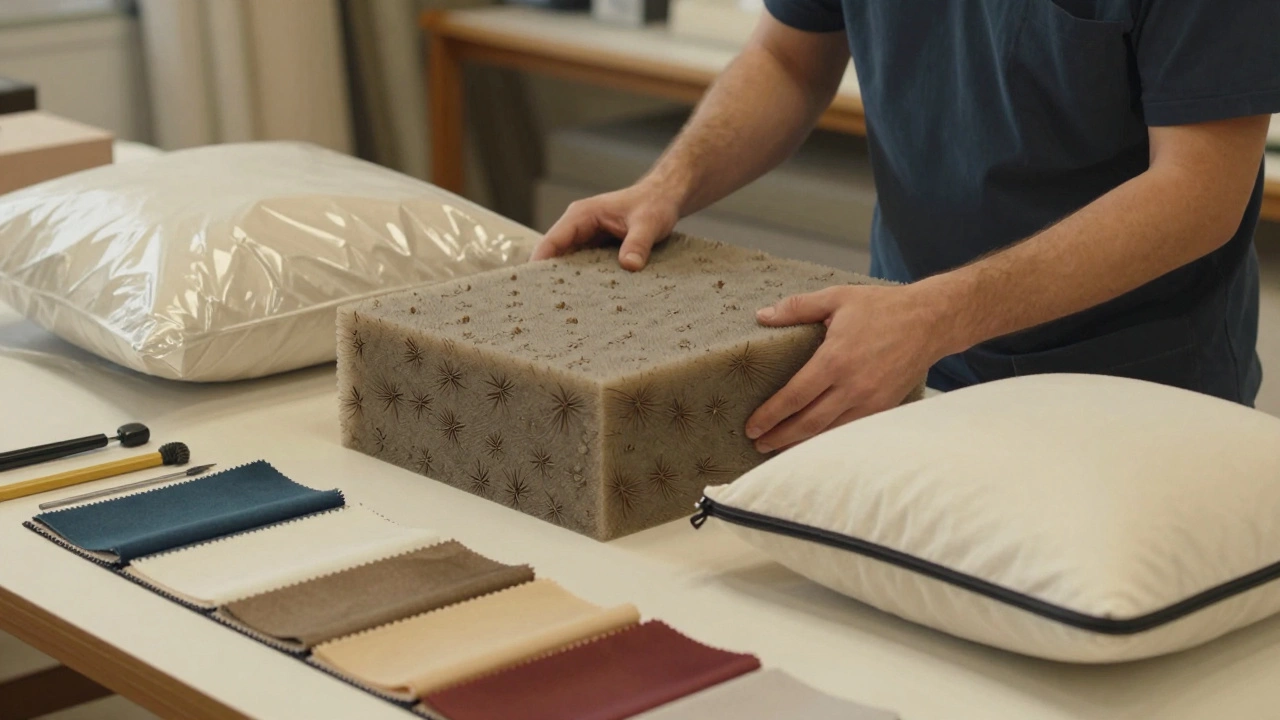
- High-density foam (2.5-3.0 lb/ft³) - This is the sweet spot. Lower density (under 2.0) compresses fast. Higher density (over 3.5) feels too stiff for most people.
- Wrap the foam in dacron fiber - This gives a soft, plump look without sacrificing support. It also prevents the foam from shifting inside the cover.
- Down or feather blend for the top layer - If you like that sink-in luxury, go for a 60/40 down-to-feather mix. Avoid 100% down - it flattens too fast.
- Removable, zippered covers - Makes cleaning and future replacement easier. Non-removable covers mean you’ll need to reupholster the whole cushion next time.
Most people don’t realize that cushion firmness isn’t just about foam density. The amount of fiber wrap matters too. A 2.8 lb foam with heavy dacron wrap will feel softer than a 2.5 lb foam with no wrap. Always ask for samples.
In Auckland, local upholstery shops like Comfort Craft and Seam & Stitch let you test foam samples on the spot. Bring your old cushion - they’ll match the thickness and density. That’s how you avoid the "too hard" or "too mushy" mistake.
Cost Breakdown: Replacement vs. Replacement
Let’s get real about money. Replacing cushions isn’t cheap, but it’s usually cheaper than a new couch.
| Option | Cost Range (NZD) | Time to Complete | Warranty |
|---|---|---|---|
| Replace cushions (DIY fabric + foam) | $150-$300 | 1-2 days | 1 year (materials) |
| Professional replacement (full service) | $400-$800 | 1-2 weeks | 2-5 years |
| Buy new mid-range sofa | $1,200-$2,500 | Immediate | 5-10 years |
Professional replacement includes removing old cushions, cleaning the frame, sewing new covers, and installing everything. DIY is only worth it if you’re handy with a sewing machine and have a place to store foam (it comes compressed in giant rolls).
Most people choose professional replacement because it’s faster, cleaner, and comes with a warranty. Plus, you get to pick the fabric - from durable indoor-outdoor weaves to luxury velvet.
What You Might Not Know
Here’s a trick most stores won’t tell you: swap cushion positions. If you have a three-seater couch, rotate the center cushion to the sides every few months. The side cushions get less weight and wear slower. It’s a free way to extend life by 6-12 months.
Also, vacuum cushions every 2-3 months. Dust and dirt grind into the foam like sandpaper. A simple vacuum with a brush attachment can slow compression by up to 30%.
And don’t ignore humidity. In Auckland’s damp climate, foam can absorb moisture and break down faster. If your couch sits near a window or in a basement, consider a dehumidifier nearby. It’s not glamorous, but it helps.
When to Just Buy New
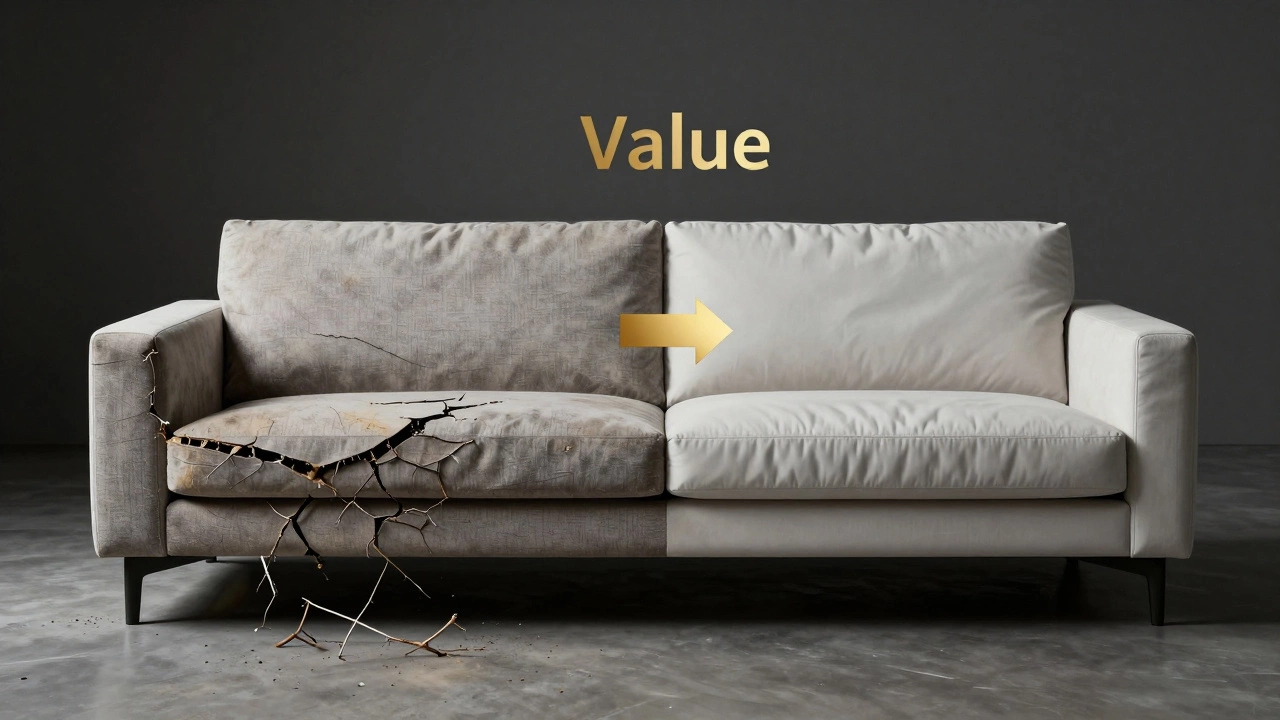
There’s no shame in replacing the whole couch. If you’re spending more than half the cost of a new one on cushions, it’s time to move on. A new sofa isn’t just about comfort - it’s about long-term value.
Modern sofas use better materials: high-resilience foam, pocket springs, recycled fibers, and moisture-resistant fabrics. You’ll get better support, easier cleaning, and longer life.
Also, think about your lifestyle. Got kids? Pets? A messy home? A new sofa with removable, machine-washable covers might save you more money in the long run than replacing cushions every 3 years.
One thing I’ve seen over and over: people delay replacement because they think "it’s still usable." But "usable" doesn’t mean comfortable or healthy. If you’re leaning forward to sit up, or you feel pressure points in your lower back, that’s your body telling you it’s time.
Final Verdict
Is it worth replacing couch cushions? Yes - if your frame is solid and you’re replacing with quality materials. It’s one of the best value upgrades you can make to your home. You get a new look, better comfort, and you’re extending the life of something you already own.
But if the frame is failing, the fabric is stained beyond repair, or you’re spending more than $700 on cushions - walk away. Buy new. It’s not giving up. It’s upgrading.
Take a good look at your couch. Sit on it. Stand up. Do you feel supported? Or do you feel like you’re sinking into a memory? If it’s the latter, don’t just live with it. Do something about it - whether that’s new cushions or a new sofa.
How long do couch cushions usually last?
Most couch cushions last between 3 and 7 years, depending on usage, foam quality, and how often they’re rotated. Heavy daily use, pets, or children can cut that to 2-3 years. High-density foam (2.5-3.0 lb/ft³) with dacron wrapping lasts longer than cheap, low-density foam.
Can I replace just one cushion?
Technically yes, but it’s not recommended. One new cushion will look and feel different from the others, especially if the old ones have compressed over time. You’ll end up with an uneven, lopsided look. Replace all cushions at once for the best results.
What’s the best foam density for couch cushions?
For most homes, 2.5 to 3.0 pounds per cubic foot is ideal. It offers a good balance of comfort and durability. Below 2.0 lb/ft³, the foam compresses too fast. Above 3.5 lb/ft³, it can feel too firm, especially for lounging. Always ask for a sample to test before ordering.
Are cushion covers removable?
Most professional replacements use zippered, removable covers - and you should insist on them. Non-removable covers mean you’ll need to reupholster the whole cushion later, which costs more. Removable covers let you clean them, swap fabrics, or replace foam easily down the road.
Can I reuse my old cushion covers?
Only if they’re in perfect condition - no stains, tears, or fading. Even then, the fabric may have stretched over time and won’t fit snugly over new foam. Most professionals recommend new covers. They’re inexpensive compared to the cost of replacement, and they ensure a clean, tailored look.