How to Stop Sciatic Nerve Pain with the Right Cushions and Seating Setup
Sciatic nerve pain doesn’t just come and go-it can make sitting, standing, or even walking feel like a chore. If you’ve been wincing every time you sit down, you’re not alone. Millions of people deal with this sharp, burning, or electric-like pain that shoots from the lower back down the leg. And while rest and stretching help, one of the most overlooked fixes is what’s under your butt: your cushion.
Why your cushion matters more than you think
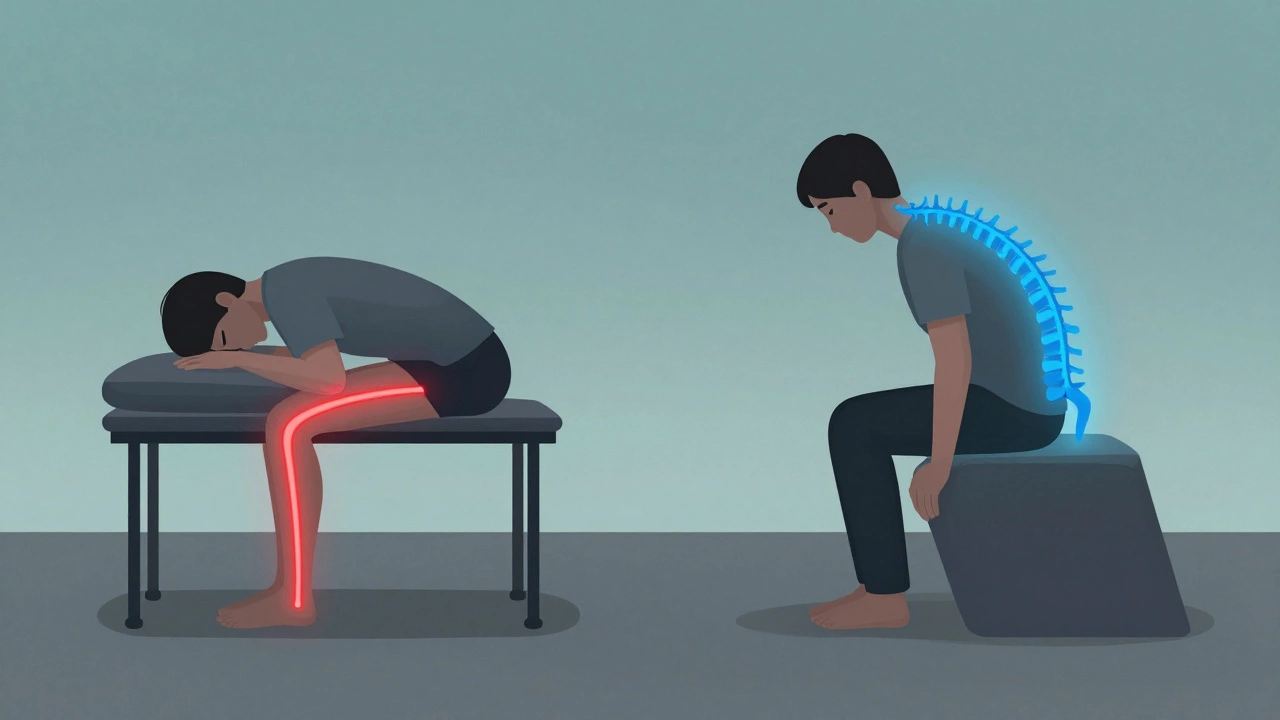
Most chairs-office chairs, car seats, even your couch-are designed for comfort, not spinal support. When you sit on a flat, hard, or too-soft surface, your pelvis tilts backward. That puts extra pressure on the sciatic nerve, which runs right through the buttocks and down the back of each leg. Over time, this pressure causes inflammation, numbness, or that dreaded shooting pain.
Studies show that people with sciatica who switched to supportive seating saw a 40% reduction in pain within two weeks, even without other treatments. It’s not magic-it’s physics. Proper cushioning keeps your hips level, reduces disc pressure, and takes the strain off the nerve.
What makes a good sciatica cushion?
Not all cushions are created equal. A good one for sciatica needs three things: support, shape, and stability.
- Support: It should lift your hips slightly higher than your knees. This keeps your spine in a neutral position. Memory foam or high-density polyurethane foam works best-too soft and you sink; too hard and you create pressure points.
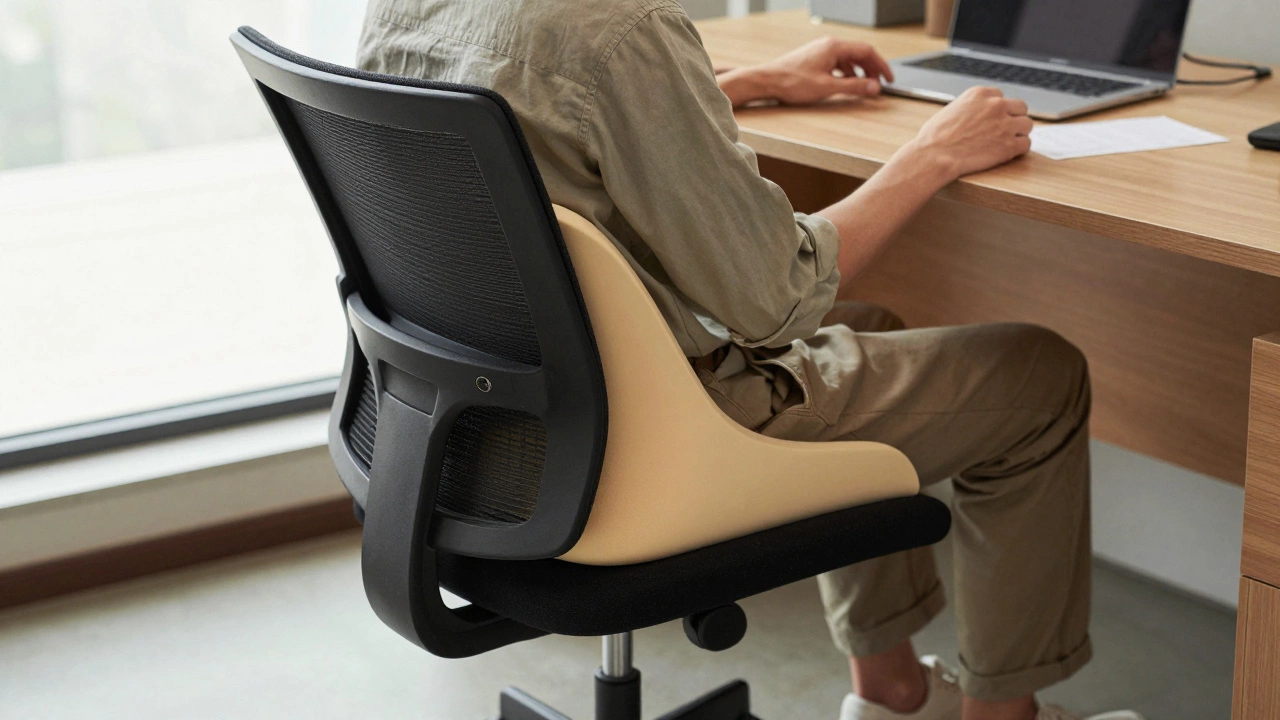
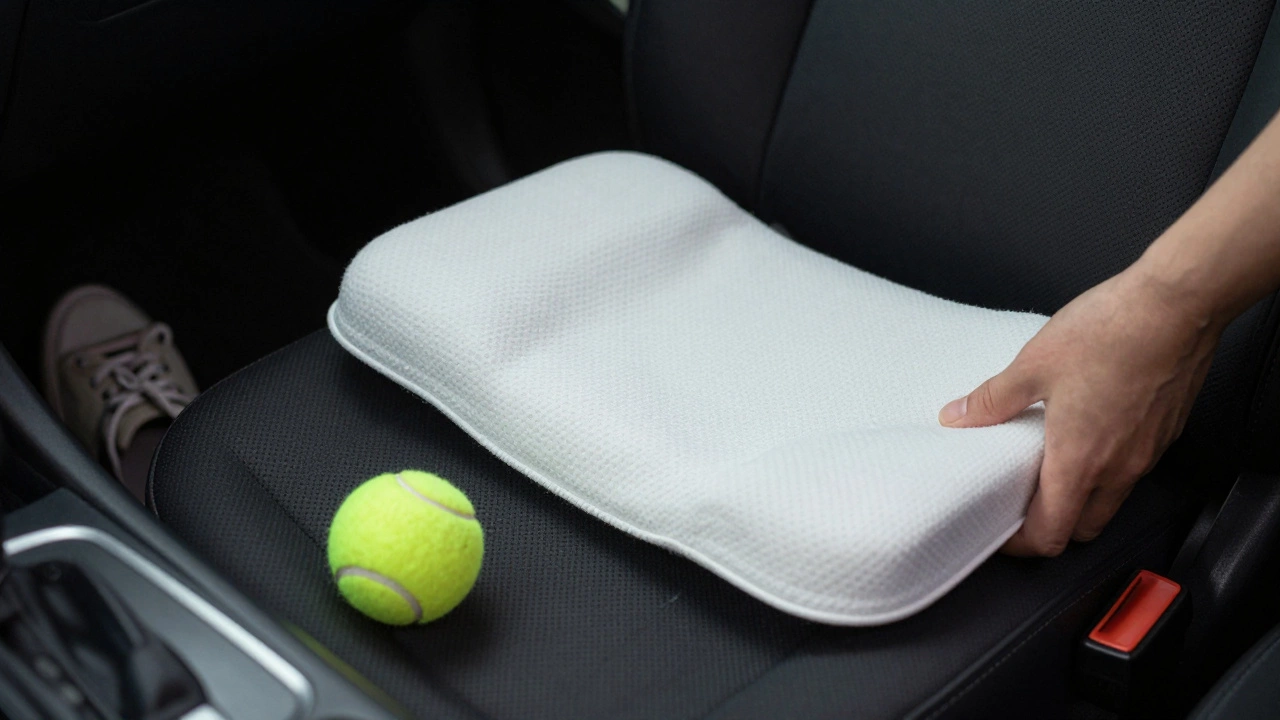
- Shape: Look for a wedge cushion or a donut cushion with a cutout in the back. The wedge tilts your pelvis forward naturally. The donut relieves direct pressure on the tailbone, where the sciatic nerve often gets pinched.
- Stability: The cushion should stay put. Slippery materials or thin covers mean it slides around, defeating the purpose. Non-slip bottoms and firm, breathable fabric (like cotton or mesh) are key.
Brands like ComfiLife, Everlasting Comfort, and Purple offer models tested by physical therapists. But you don’t need to spend $100. A $30 wedge cushion from a reputable brand with 4.5+ star reviews and 500+ verified purchases works just as well.
Where to use it-and where not to
Use your sciatica cushion in places you sit for more than 15 minutes:
- Your office chair
- Your car seat
- Your desk chair at home
- Your reading chair
Avoid using it on the couch if it’s too deep or soft. Couches encourage slouching, and no cushion can fix that. Instead, pair a firm cushion with a small pillow behind your lower back. That combo keeps your spine aligned without forcing you into an awkward posture.
Also, don’t use a donut cushion for long periods. While it helps with tailbone pain, it can reduce blood flow if worn for hours. Use it for short drives or when standing up after sitting is painful.
How to sit right-no cushion needed
Even with the best cushion, bad posture will undo the work. Here’s how to sit without hurting yourself:
- Keep your feet flat on the floor. If your feet don’t reach, use a small stool or stack of books.
- Don’t cross your legs. That twists your pelvis and squeezes the nerve.
- Keep your knees level with or slightly lower than your hips. This is where the wedge cushion helps most.
- Engage your core lightly. Imagine a string pulling your head up toward the ceiling.
- Get up every 20-30 minutes. Walk for 1 minute. Stretch your hamstrings or do a gentle pelvic tilt.
These habits matter more than any product. A cushion is a tool, not a cure.
What to avoid
Many people buy the wrong thing by accident:
- Memory foam toppers for beds: These are great for sleeping, but they’re too soft for sitting. You’ll sink in and compress the nerve further.
- Water cushions: They shift too much. Your body needs consistent support, not wobbling.
- Plastic or inflatable cushions: They deflate over time and offer zero structural support.
- Overly thick cushions: If you’re sinking more than 2 inches, it’s too soft. You need lift, not cloud.
Also skip the heating pads. Heat feels good at first, but it increases swelling around the nerve. Cold packs (15 minutes at a time) are better for acute flare-ups.
When to see a professional
If your pain lasts more than two weeks, gets worse, or includes:
- Loss of bladder or bowel control
- Weakness in your leg or foot
- Numbness that doesn’t go away
-then you need to see a doctor or physiotherapist. Sciatica can be caused by a herniated disc, spinal stenosis, or piriformis syndrome. A cushion helps manage symptoms, but it won’t fix the root cause.
Physical therapy, targeted stretches, and sometimes imaging are needed. Don’t delay if symptoms escalate.
Quick fixes while you wait
While you’re getting the right cushion or seeing a professional, try these:
- Do the seated spinal stretch: Sit tall, cross your right ankle over your left knee, gently lean forward until you feel a stretch in your buttock. Hold 30 seconds. Repeat on the other side.
- Use a tennis ball against the wall: Lean back and roll the ball under your glute for 1-2 minutes. It releases tight muscles pressing on the nerve.
- Walk 10 minutes a day. Movement reduces inflammation better than any pill.
These aren’t replacements for proper support-they’re stopgaps. But they can make the difference between unbearable pain and manageable discomfort.
Final tip: Test before you buy
Don’t buy a cushion online without trying it first. If you can, visit a medical supply store or physio clinic. Sit on a few options. Ask yourself: Does it make sitting easier? Does the pain lessen after 10 minutes? If the answer isn’t yes, keep looking.
The right cushion won’t erase sciatica overnight. But it can turn your daily life from a struggle into something you can manage-without pills, without surgery, without giving up your favorite chair.
Can a cushion really help with sciatic nerve pain?
Yes, if it’s the right kind. A supportive cushion lifts your hips to keep your spine aligned, reducing pressure on the sciatic nerve. Studies show people using proper seating cushions report up to 40% less pain within two weeks. It’s not a cure, but it’s one of the most effective, low-cost tools for daily relief.
What’s the best material for a sciatica cushion?
High-density memory foam or polyurethane foam is best. These materials hold their shape, provide firm support, and don’t compress too much over time. Avoid gel, water, or inflatable cushions-they shift too much and offer no real structure. Look for cushions with a firmness rating of 40-60 ILD (Indentation Load Deflection).
Should I use a donut cushion for sciatica?
Only for short-term use. Donut cushions relieve pressure on the tailbone, which can help if your pain is localized there. But they don’t support your pelvis or spine properly. Long-term use can reduce blood flow and worsen posture. A wedge cushion is better for everyday sitting.
How long should I sit with a sciatica cushion?
You can sit for as long as you’re comfortable, but no more than 30-40 minutes at a time without standing up. Even the best cushion can’t replace movement. Get up, stretch, or walk for a minute every half hour. That’s more important than the cushion itself.
Can I use a regular pillow instead of a sciatica cushion?
Not really. Regular pillows are too soft and flatten out when you sit on them. They don’t lift your hips or support your pelvis. A cushion designed for sciatica has a specific shape and firmness to maintain spinal alignment. A pillow might feel cozy, but it won’t help-and could make things worse.
Is sciatica pain always caused by sitting too long?
No. Sciatica is usually caused by a herniated disc, bone spur, or tight piriformis muscle. But sitting in the wrong way-especially on poor surfaces-makes it worse. Your cushion doesn’t cause the problem, but it can either reduce or increase the pressure on the nerve. That’s why seating matters so much.
If you’ve been avoiding sitting because it hurts, it’s time to change your setup-not your lifestyle. The right cushion, paired with simple habits, can bring back the ease you’ve been missing.