How to Use Unused Space in Your Home: Smart Storage Solutions
Smart Storage Solution Finder
Select the area of your home that is currently cluttered or empty to get a tailored recommendation.
Vertical Walls
Floors are crowded, need height solutions.
Under Furniture
Empty space under beds, sofas, or tables.
Awkward Corners
Sharp corners, gaps, or stairwells.
Multi-Use
Need furniture that does double duty.
Recommendation
Best MatchSolution Name
Description goes here.
Why it works:
Tip text goes here.
You walk into your living room and trip over a pile of shoes. You open the kitchen cabinet and can’t find the spatula because it’s buried under expired spices. Sound familiar? Most homes are full of invisible real estate-corners, vertical walls, and awkward gaps-that we ignore until clutter takes over. The good news is that you don’t need a bigger house to have more space. You just need to look at your current square footage differently.
Using unused space isn’t about buying expensive furniture or renovating your entire home. It’s about spotting the dead zones in your rooms and turning them into functional areas. Whether you live in a tiny apartment or a sprawling suburban home, there are simple, low-cost ways to reclaim every inch. Let’s look at how to transform those forgotten spots into organized, usable areas.
The Vertical Void: Walls and Heights
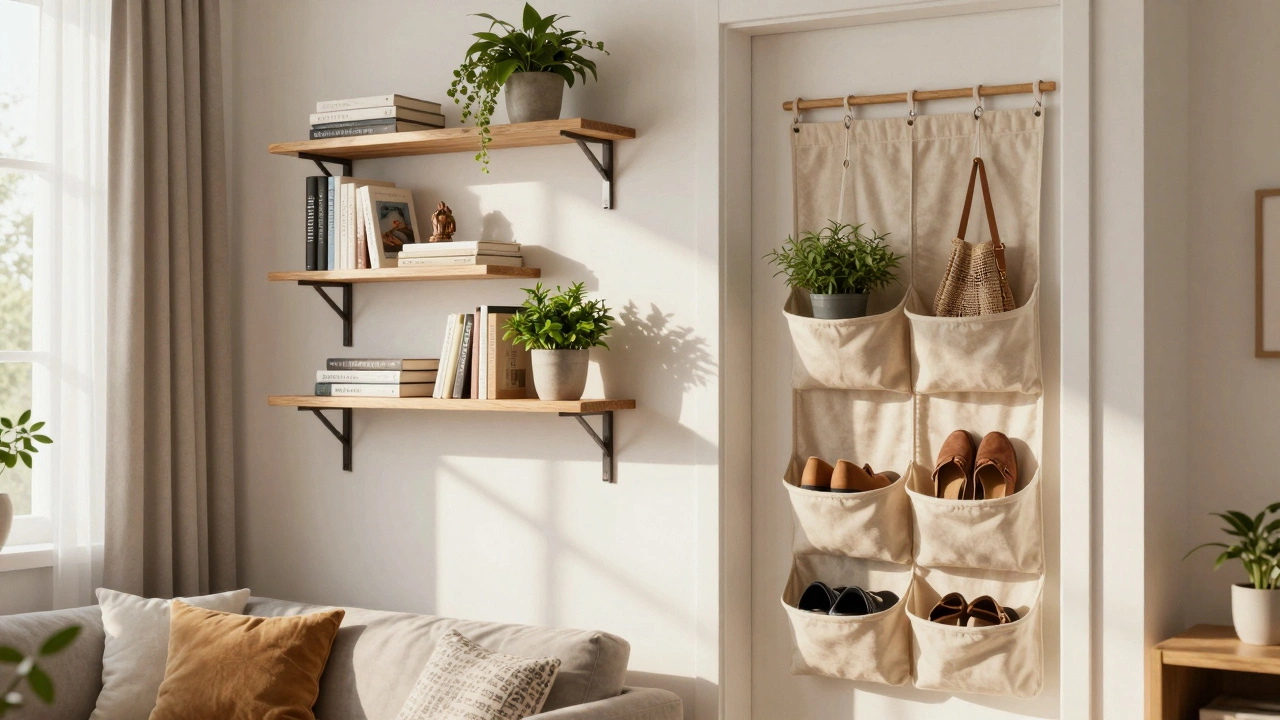
We tend to think in two dimensions-floor space. But your walls are prime real estate. If your floors are crowded, look up. Wall-mounted shelves are floating platforms attached to walls that provide storage without taking up floor space. They are perfect for displaying books, plants, or decorative items while keeping surfaces clear.
- High shelves: Install shelves near the ceiling for items you rarely use, like seasonal decorations or extra bedding. You’ll need a sturdy step ladder to access them, but they keep clutter out of sight.
- Door backs: The back of a door is often wasted space. Over-the-door organizers work great for closets, bathrooms, and even pantry doors. You can hang shoes, cleaning supplies, or snacks here.
- Magnetic strips: In the kitchen, mount magnetic strips on the side of cabinets or inside the fridge door. They hold knives, spice tins, and metal utensils securely, freeing up drawer space.
Don’t forget the space above doors and windows. These narrow horizontal strips are ideal for slim shelving units where you can store lightweight boxes or display framed art. It’s surprising how much visual weight you can lift off your floors by moving items vertically.
Underneath Everything: Floors and Furniture
Now look down. The space under your bed, sofa, and dining table is usually empty air. This is some of the most accessible storage you have if you choose the right containers.
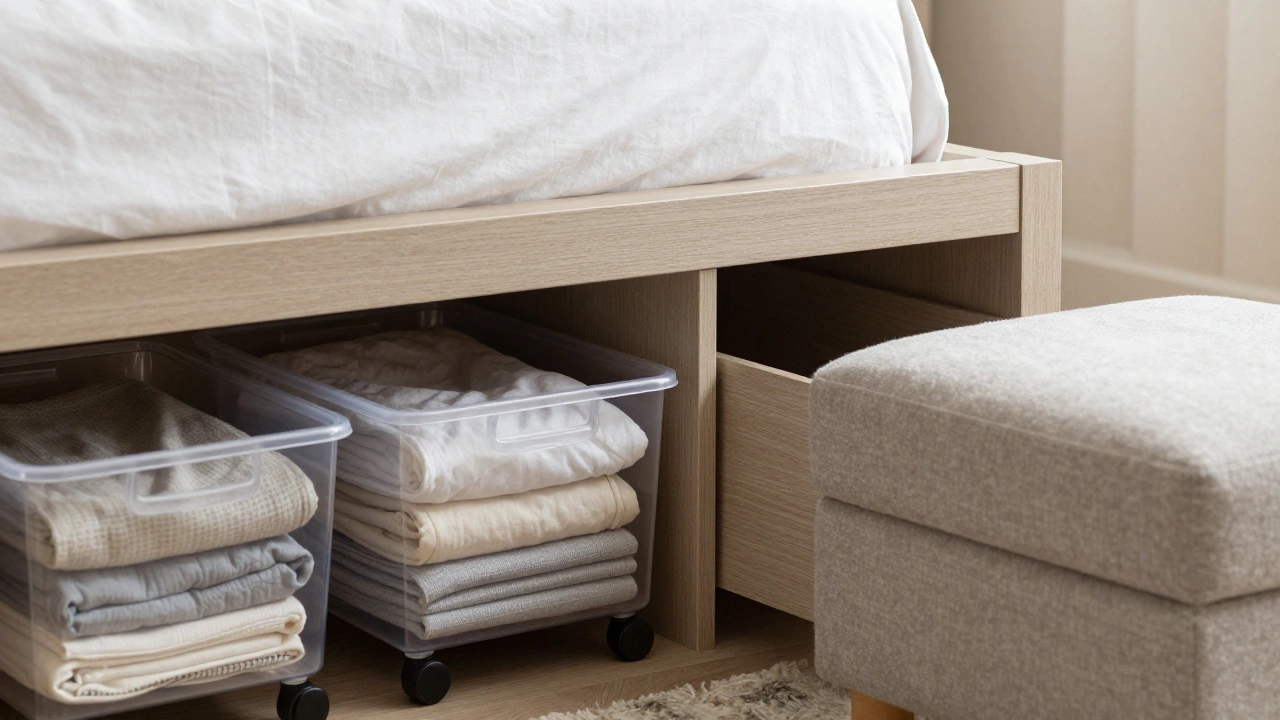
Rolling storage bins are wheeled containers designed to slide easily under furniture. They are essential for maximizing under-bed storage. Instead of pushing heavy boxes into dark corners, use bins with wheels so you can pull them out effortlessly. Store off-season clothing, extra linens, or bulk groceries here. If you have a platform bed, consider one with built-in drawers. Even a few inches of clearance under a standard bed can hold several large bins.
Under-sofa space is trickier because sofas often sit lower to the ground. Look for flat, fabric ottomans or shallow plastic bins that fit snugly underneath. These are perfect for storing remote controls, magazines, or pet toys. For dining tables, use bench seating with hidden compartments. A simple wooden bench can hide blankets or board games, adding seating without sacrificing storage.
Awkward Corners and Nooks
Corners are notorious for being useless. They’re hard to furnish and easy to let collect dust. But with the right strategy, they become high-capacity storage zones.
| Space Type | Recommended Solution | Best For |
|---|---|---|
| Sharp Corner | Corner Shelving Unit | Books, Plants, Decor |
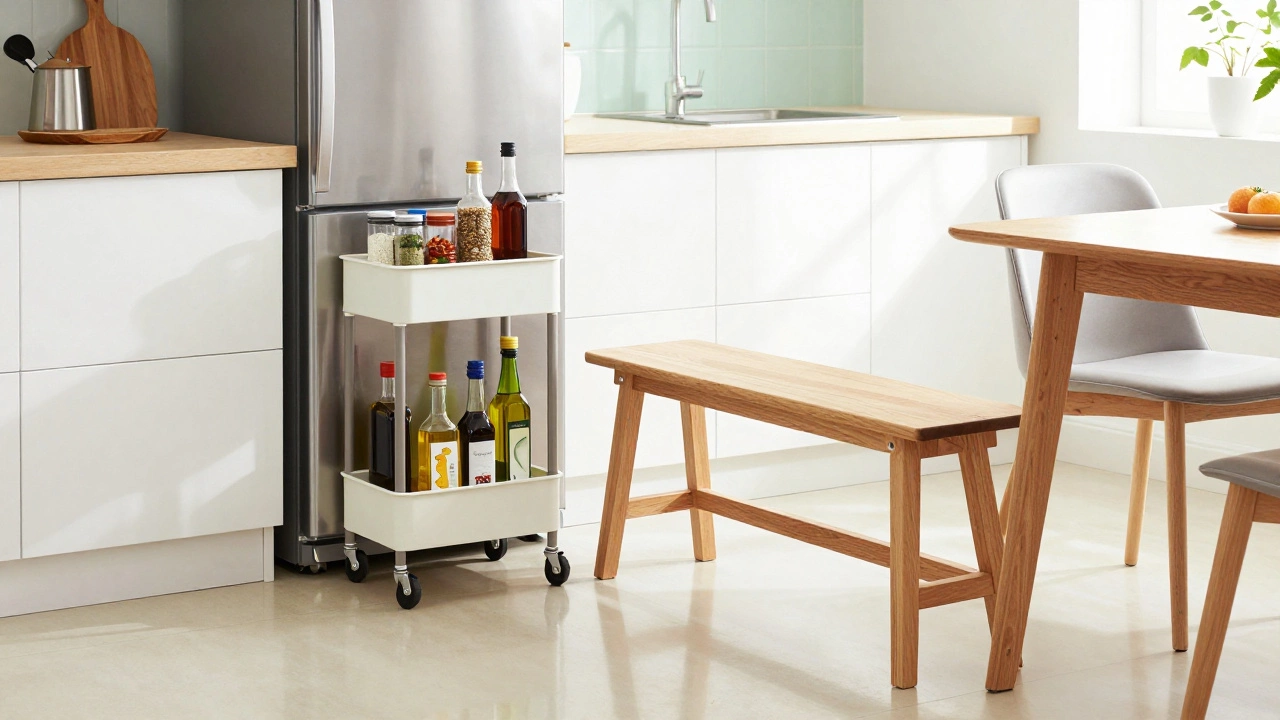
| Narrow Gap (between fridge and wall) | Sliding Narrow Cart | Spices, Cleaning Supplies |
| Under Stairs | Custom Drawers or Closet | Linen, Shoes, Bikes |
| Above Cabinets | Uniform Baskets | Rarely Used Items |
If you have stairs, the area underneath is a goldmine. If you can’t build custom cabinetry, use tension rods and fabric bins to create a makeshift closet. This works well for storing vacuum cleaners, bicycles, or holiday decor. In kitchens, the narrow gap between appliances and cabinets is often overlooked. A slim rolling cart fits perfectly here, providing easy access to oils, spices, or trash bags without needing to reach deep into cupboards.
Multi-Functional Furniture
In smaller homes, every piece of furniture should earn its keep. Multi-functional pieces do double duty, saving both space and money. Ottoman storage refers to upholstered footrests with hollow interiors for storing items. They serve as seating, footrests, and hidden storage all at once.
Consider these versatile options:
- Storage beds: Beds with hydraulic lifts or pull-out drawers can hold an entire wardrobe. This eliminates the need for a separate dresser in small bedrooms.
- Folding tables: Wall-mounted drop-leaf tables fold up when not in use. They are perfect for home offices or dining nooks where you need surface area only occasionally.
- Nesting stools: These stack together when not needed, saving floor space. They provide extra seating when guests arrive and can be used as side tables.
When choosing multi-functional furniture, prioritize quality. A flimsy storage ottoman will sag and break, defeating its purpose. Look for solid wood frames and durable fabrics that can withstand frequent opening and closing.
Decluttering Before Organizing
Before you buy any new storage solutions, take a step back. Adding more shelves to a cluttered home just creates more places for mess to hide. You need to reduce what you own before you organize what remains.
Start with the "one-year rule." If you haven’t used an item in the past year, ask yourself why you’re keeping it. Sentimental items can be photographed and stored digitally. Broken electronics or outdated clothes should be donated or recycled. This process feels overwhelming at first, but it clears mental and physical space simultaneously.
Sort items by category, not by location. Gather all your kitchen gadgets in one place, then decide which ones you actually use. Do you really need three different types of graters? Probably not. Keep the best one and donate the rest. This approach prevents you from accidentally keeping duplicates because you didn’t realize you already owned them.
Maintaining Your System
Organizing your home is not a one-time project. It’s an ongoing habit. To keep unused spaces useful, establish simple rules for yourself and your household.
The "one in, one out" rule is effective. When you buy a new item, remove an old one. This prevents accumulation over time. Also, assign a specific home for every object. If everything has a designated spot, it’s easier to put things away correctly. Label bins clearly so anyone in the household knows where items belong.
Review your storage systems seasonally. What worked in winter might not make sense in summer. Rotate seasonal items and reassess whether your current setup still meets your needs. Small adjustments now prevent major decluttering sessions later.
What is the cheapest way to add storage?
The cheapest method is using existing furniture creatively. Place baskets on top of dressers, use tension rods in cabinets to double shelf space, and repurpose cardboard boxes with nice wrapping paper. Dollar stores also offer affordable bins and hooks.
Can I rent if I want to install shelves?
Yes, many landlords allow minor installations if you patch holes upon moving out. Use adhesive hooks for light items and freestanding shelves that don’t require drilling. Always check your lease agreement first.
How do I store seasonal decorations safely?
Use clear plastic bins rather than cardboard, which attracts pests. Label each bin with contents and photos. Store them in dry, temperature-stable areas like under beds or high closets away from direct sunlight.
Is it better to buy custom furniture or DIY?
DIY is cheaper and allows exact sizing for awkward spaces. Custom furniture offers durability and seamless integration but costs significantly more. Start with DIY solutions like IKEA hacks or simple shelving before investing in custom builds.
What should I do with sentimental clutter?
Keep only the most meaningful items. Photograph the rest and store the images digitally. Consider creating a single memory box instead of filling multiple shelves. This preserves memories without consuming physical space.