
Will Medicare Pay for a Walk-In Shower? Here’s What Actually Covers It
Home Modification Cost Calculator
Estimate your out-of-pocket costs for a walk-in shower installation and discover potential savings through Medicaid, VA benefits, and nonprofit programs.
Many seniors in the U.S. wonder if Medicare will pay for a walk-in shower. The short answer? No - not directly. But that doesn’t mean you can’t get help. There are real ways to make this safety upgrade affordable, and knowing how to navigate the system can save you thousands.
Why a Walk-In Shower Matters for Seniors
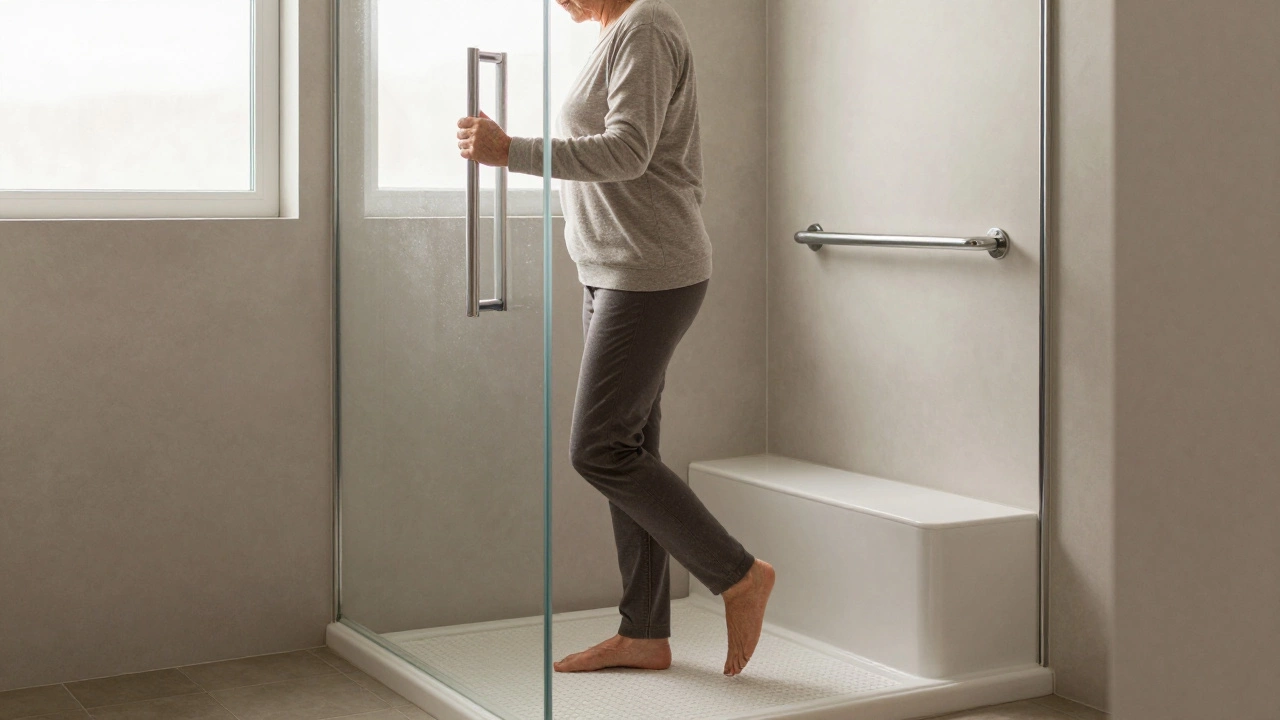
Every year, over 3 million older adults visit the emergency room because of falls. More than half of those happen in the bathroom. A standard tub with a high step is one of the biggest risks. A walk-in shower eliminates that step, adds grab bars, and often includes a non-slip floor and seated bench. These aren’t luxuries - they’re medical necessities for people with arthritis, balance issues, or mobility limits.
Medicare Part A and Part B cover hospital stays, doctor visits, and some home health services. But they don’t cover home modifications like showers, bathtubs, or ramps - unless they’re classified as durable medical equipment (DME). And a walk-in shower? It’s considered a structural change, not a device you can move or replace.
What Medicare Actually Covers (and What It Doesn’t)
Medicare won’t pay for:
- Remodeling your bathroom
- Installing a walk-in shower
- Adding grab bars or non-slip flooring
- Replacing a tub with a shower
But Medicare might cover:
- A portable shower chair (if prescribed by a doctor as DME)
- A handheld showerhead with adjustable mount
- Grab bars - only if they’re part of a home health plan and deemed medically necessary
The key difference? DME items are things you can remove, reuse, or take with you. A walk-in shower is permanent. That’s why it’s treated like a home renovation, not a medical device.
Real Alternatives That Actually Work
If Medicare won’t cover it, what will? Here are the most reliable options seniors are using right now.
Medicaid - The Real Hero
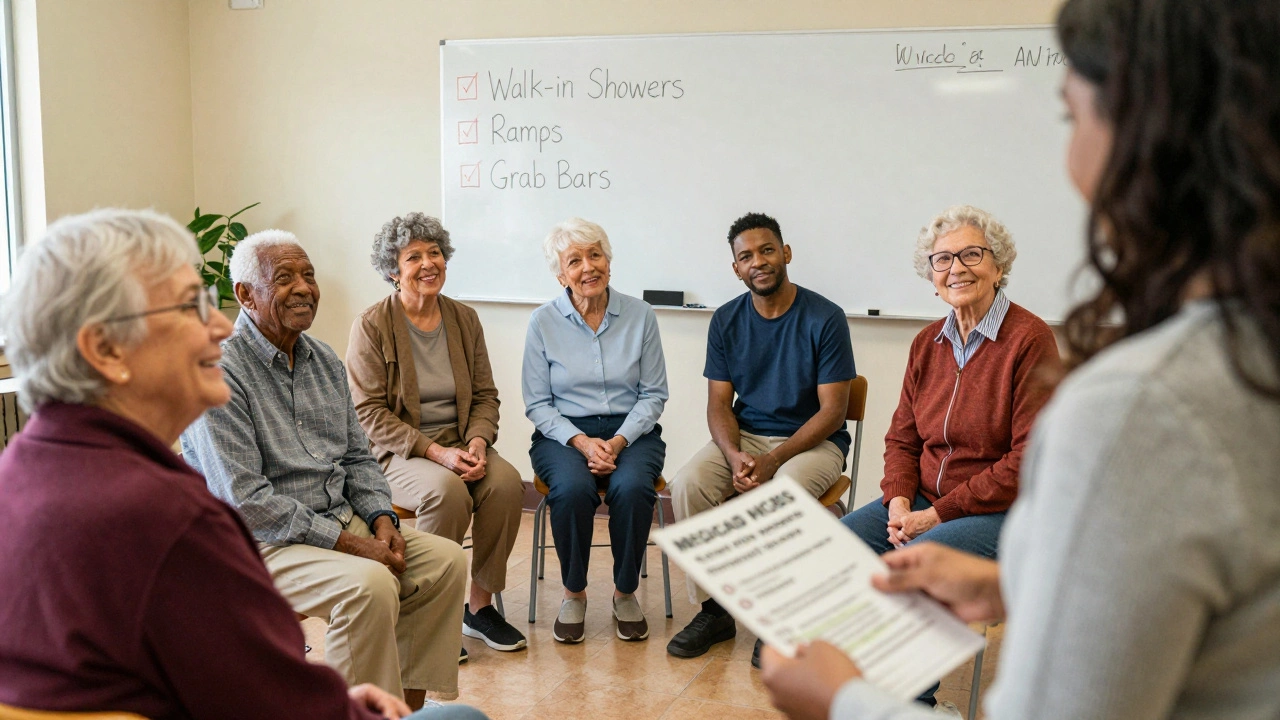
Medicaid, unlike Medicare, often covers home modifications for low-income seniors. Each state runs its own program, but most offer Home and Community Based Services (HCBS) waivers. These waivers let you use Medicaid funds for things like:
- Walk-in showers
- Ramps
- Widened doorways
- Stair lifts
In states like California, New York, and Florida, these waivers have waiting lists - but they’re active. You need to apply through your state’s Medicaid office. A doctor’s letter explaining your mobility needs can speed things up.
VA Benefits for Veterans
If you’re a veteran with service-related disabilities, the VA offers the Specially Adapted Housing (SAH) grant or the Special Housing Adaptation (SHA) grant. These can cover up to $50,000 for home modifications, including full bathroom remodels. You don’t need to be 100% disabled - even 10% service-connected ratings can qualify you for partial funding.
Home Equity and Reverse Mortgages
If you own your home, a reverse mortgage (HECM) lets you tap into your equity without monthly payments. Many seniors use this to fund accessibility upgrades. The FHA-insured HECM program allows you to use funds for home modifications - and it’s not means-tested. No credit score check. No income limits.
Nonprofits and Local Grants
Organizations like Rebuilding Together, Habitat for Humanity, and Area Agencies on Aging often offer free or low-cost modifications. In 2025, over 200 local nonprofits in the U.S. helped seniors install walk-in showers at no cost. Some require you to be over 60, live in a specific zip code, or have an income under $35,000. Call your local Area Agency on Aging - they’ll connect you.
How to Apply: A Step-by-Step Plan
Don’t wait until you fall. Here’s how to get started today:
- Get a doctor’s note. It should say you have a mobility impairment and a walk-in shower is medically necessary to prevent falls.
- Call your state’s Medicaid office. Ask about HCBS waivers. Request an application.
- If you’re a veteran, contact your local VA office. Ask about SAH or SHA grants.
- Search for nonprofits in your area using rebuildingtogether.org or habitat.org.
- Check if your city or county offers senior home modification grants. Many do - and they’re often underused.
- Get 2-3 quotes from licensed contractors who specialize in accessibility. Ask if they accept Medicaid or VA payments.
Common Mistakes to Avoid
- Thinking Medicare will cover it. It won’t - unless it’s a portable item.
- Waiting until after a fall. Programs have waiting lists. Start early.
- Using a general contractor. Look for someone certified in ADA or aging-in-place design.
- Not asking about financing. Many contractors offer payment plans or partner with nonprofits.
What It Costs - And How Much You Can Save
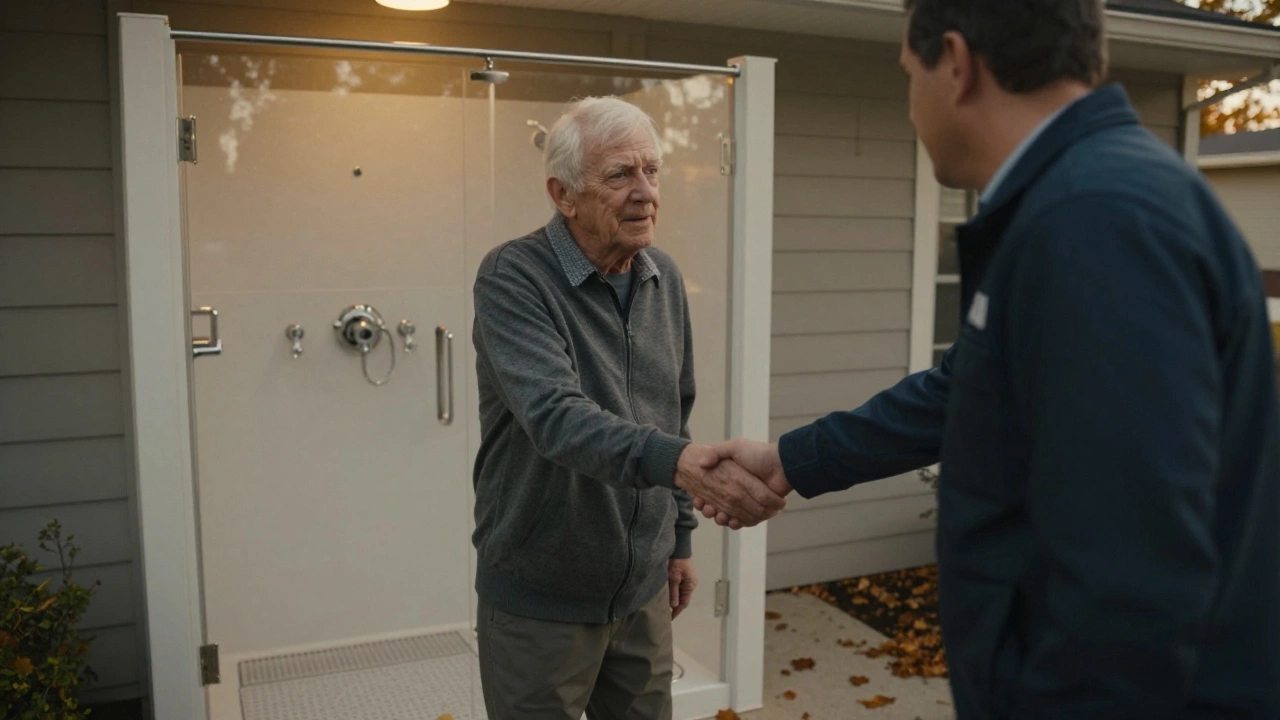
A basic walk-in shower installation runs $5,000-$12,000, depending on materials and labor. But here’s the truth: if you qualify for Medicaid, VA, or a nonprofit program, you could pay $0. In 2024, the average out-of-pocket cost for seniors who received assistance was just $320 - mostly for upgrades like premium tiles or heated floors.
One woman in Ohio, 78, had her tub removed and replaced with a walk-in shower for free through her state’s Medicaid waiver. She said, “I didn’t know this existed. I thought I’d have to move out of my house.”
Final Thought: It’s Not About Medicare - It’s About Access
Medicare was never meant to cover home renovations. But the system has other tools. You just have to know where to look. The goal isn’t to make your bathroom fancy - it’s to keep you safe, independent, and in your home. That’s worth fighting for.
Does Medicare Part D cover walk-in showers?
No. Medicare Part D covers prescription drugs only. Walk-in showers are not medications and fall outside this coverage.
Can I get a walk-in shower if I’m on Supplemental Security Income (SSI)?
Yes - if you qualify for Medicaid. SSI recipients automatically qualify for Medicaid in most states, which means you may be eligible for home modification grants through HCBS waivers.
Do I need a doctor’s prescription to qualify for help?
Most programs require a letter from your doctor stating the shower is medically necessary to prevent falls or improve mobility. It doesn’t need to be a formal prescription, but it should be on letterhead and signed.
Can I install the shower myself and get reimbursed?
No. Most grants and waivers require licensed contractors to ensure safety standards. DIY installations are not eligible for reimbursement, even if you pay out of pocket first.
What if I live in a condo or apartment?
It’s harder, but still possible. Some nonprofit programs will work with property managers. VA grants may cover modifications if approved by the building owner. Always check your lease and get written permission before starting any work.