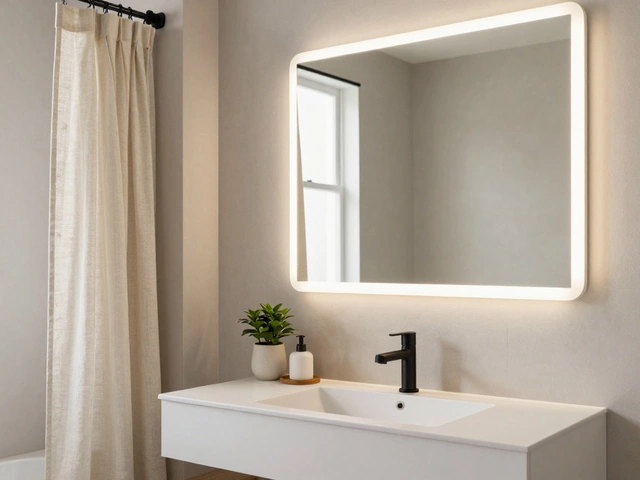
Wood or Wire Shelves: Which Is Right for Your Home?

When you’re organizing your pantry, garage, or bookshelf, the choice between wood and wire shelves isn’t just about looks-it affects how much you can store, how long it lasts, and even how easy it is to clean. You might think it’s a simple decision, but the wrong choice can lead to sagging shelves, mold buildup, or constant dusting. So which one actually works better in real life?
Wood shelves: solid, warm, and heavy-duty
Wood shelves are the classic choice for a reason. They look good in almost any room-kitchen, living room, bedroom, even home offices. A solid pine or oak shelf can hold up to 150 pounds per linear foot when properly supported. That’s enough for stacks of cookbooks, heavy ceramic dishes, or bins of seasonal clothes.
Real wood doesn’t just look nice-it lasts. A well-built wooden shelf from a reputable brand can last 20 years or more if it’s not exposed to constant moisture. In Auckland’s damp climate, that means avoiding placement right next to sinks or in unventilated bathrooms. If you’re putting wood shelves in a laundry room or pantry, make sure there’s airflow. Moisture is wood’s biggest enemy.
Wood shelves also hide dust. You don’t need to wipe them down every other day. A quick vacuum with a brush attachment every few weeks is usually enough. That’s a big plus if you’re tired of cleaning every nook and cranny.
But wood has downsides. It’s heavier to install. You’ll need strong wall anchors and possibly studs. If you’re renting, drilling into walls might not be allowed. Also, if you drop something heavy, wood can crack or chip. And while it doesn’t rust, it can warp over time if exposed to humidity changes.
Wire shelves: lightweight, ventilated, and practical
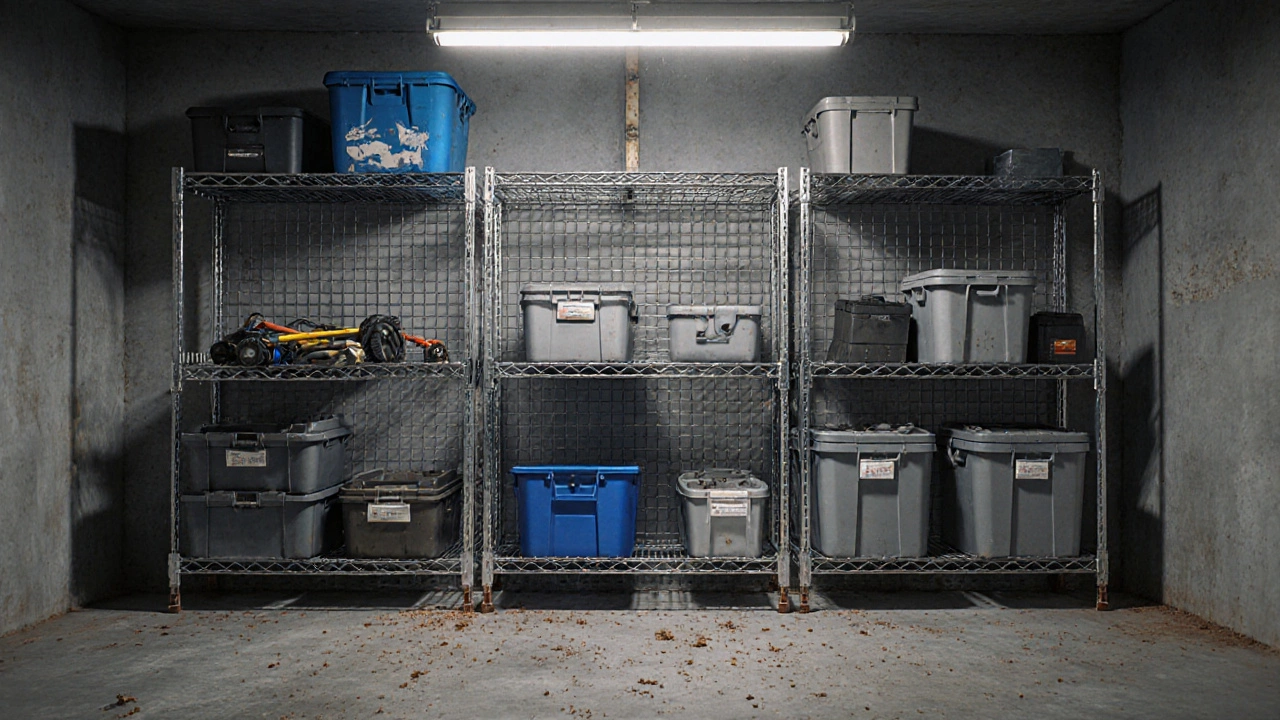
Wire shelves are the workhorses of storage. They’re everywhere in garages, basements, and commercial kitchens because they’re designed for function, not just form. The open design lets air flow through, which makes them ideal for damp spaces like laundry rooms or garages where moisture builds up.
They’re also incredibly strong for their weight. A standard 36-inch wire shelf can hold 100 to 150 pounds, depending on the gauge of the metal. Many are made from coated steel that resists rust-even in humid conditions. Brands like Sterilite and InterMetro use powder-coated finishes that hold up better than old-school bare wire.
Wire shelves are easy to clean. Dust and debris fall through. A quick wipe with a damp cloth or a blast with a garden hose (if you’re using them outdoors) clears them out. That’s why they’re popular in workshops, pet areas, and even as pantry shelves in homes with pets or kids-spilled cereal or cat food doesn’t get trapped.
They’re also modular. You can adjust the height of shelves in seconds. No tools needed. That’s a huge win if you’re storing boxes of different sizes or switching out seasonal items. You can even buy extra shelves later and expand your system without replacing the whole unit.
But wire shelves aren’t perfect. They show dust on the wires themselves. You’ll still need to dust them occasionally, especially if you have allergies. They can also look industrial or cold in living spaces. And if you’re storing fragile items like glassware or china, the gaps between wires can make things feel unstable. You might need to add a liner or tray.
When wood shelves win
Go with wood if you care about aesthetics and don’t mind a little extra effort. Wood shelves are the best choice for:
- Bookshelves in the living room or home office
- Display shelves for collectibles, plants, or framed photos
- Kitchen pantry shelves where you want a warm, natural look
- Rooms with low humidity and stable temperatures
- Permanent installations where you’re not planning to move
Wood shelves also add value. If you’re selling your home, a built-in wooden bookshelf or pantry can be a selling point. Buyers notice these details.
When wire shelves win
Choose wire if you need durability, flexibility, and easy maintenance. Wire shelves are ideal for:
- Garages and workshops
- Laundry rooms and utility closets
- Basements with high moisture levels
- Shelving for pet supplies, sports gear, or bulk storage
- Renters who need removable, non-permanent solutions
Wire shelves are also cheaper. A basic 3-tier set costs between $30 and $60. A similar-sized wooden shelf can run $100 to $200, especially if it’s custom-built or made from hardwood.
Real-world test: 6 months in an Auckland kitchen
In a test setup in a typical Auckland home, two identical pantry shelves were installed-one wooden, one wire. Both held the same load: canned goods, cereal boxes, spices, and a few glass jars.
After six months:
- The wooden shelf showed no warping or staining, but dust had settled into the grain. Cleaning required a microfiber cloth and elbow grease.
- The wire shelf collected dust on the wires, but crumbs and spilled sugar fell through. A quick wipe with a damp sponge cleared it all.
- The wire shelf held up better after a minor flood from a leaking dishwasher. The wood absorbed a little moisture and swelled slightly, requiring a small adjustment.
The winner? Wire, for practicality. But the wood still looked better.
Hybrid solution: Why not both?
You don’t have to pick one. Many people use a mix. Use wood shelves in visible areas-kitchen, living room, bedroom-for style. Use wire shelves in storage zones-garage, basement, utility room-for function.
Another trick: put a wooden board on top of wire shelves. It gives you a flat surface for display while keeping the airflow underneath. You get the best of both.

What about plastic or glass shelves?
Plastic shelves are lightweight and cheap, but they sag under heavy loads. Glass shelves look sleek but are fragile and expensive. Neither holds up well in high-traffic or humid areas. Stick with wood or wire unless you have a very specific design need.
Final decision checklist
Still unsure? Ask yourself:
- Where will the shelves go? (Dry room? Garage? Bathroom?)
- What will you store? (Light books? Heavy pots? Pet food?)
- Do you want it to look nice or just work well?
- Are you renting or owning?
- How often do you want to clean them?
If you answered ‘dry room’ and ‘looks good’ to the first two, go wood. If you said ‘garage’ or ‘easy to clean,’ go wire.
What’s the bottom line?
There’s no single ‘better’ option. It’s about matching the shelf to the space and the job. Wood shelves bring warmth and permanence. Wire shelves bring flexibility and resilience. Pick based on your life-not just your Pinterest board.
Most people end up using both. And that’s perfectly fine. The goal isn’t to have matching shelves. It’s to have shelves that work without driving you crazy.
Can wire shelves rust in a humid climate like Auckland’s?
Yes, but only if they’re made from uncoated steel. Most modern wire shelves use powder-coated or galvanized steel that resists rust. Look for shelves labeled "rust-resistant" or "indoor/outdoor use." Avoid cheap, bare wire shelves in damp areas.
Are wood shelves safe for storing food?
Yes, as long as they’re sealed or finished with a food-safe coating. Unfinished wood can absorb moisture and harbor mold, especially in pantries. Choose shelves with a clear lacquer or mineral oil finish. Avoid painted wood unless the paint is certified non-toxic and intact.
Can I install wood shelves without drilling into walls?
Not reliably. Wood shelves are heavy and need to be anchored into wall studs or heavy-duty drywall anchors. Floating shelves with no support will sag or fall. If you can’t drill, use freestanding units or wire shelving systems that sit on the floor.
Which is cheaper in the long run: wood or wire shelves?
Wire shelves win on upfront cost and longevity in high-use areas. A $40 wire shelf can last 15+ years with no maintenance. A $150 wood shelf might need refinishing or replacement after 10 years if exposed to moisture. For durability and low cost over time, wire is the smarter investment for storage zones.
Do wire shelves make noise when you load them?
Some do, especially if they’re not assembled tightly. Loose brackets or thin wire can rattle when you close a door or walk by. Look for shelves with rubber-coated clips or reinforced joints. Higher-end brands like Elfa or Sterilite have quieter designs.
Can I paint wood shelves to match my decor?
Yes, but only after sanding and priming. Raw wood needs a primer to prevent bleed-through. Use a high-adhesion primer for wood, then a matte or satin paint. Avoid glossy finishes-they show scratches. Let it cure for at least 48 hours before loading items.
If you’re still deciding, start with one wire shelf in your garage or laundry room. See how it handles your stuff. Then get one wooden shelf for your living room. Compare how each feels in daily use. You’ll know fast which one fits your life better.