
Firm vs Soft Sofa: Which Firmness Level Is Right for Your Body and Home?
Sofa Firmness Recommendation Tool
Step 1: Your Physical Profile
Step 2: Usage & Lifestyle
Your personalized recommendation will appear here
Fill out the form and click calculate to see which firmness level suits you best.
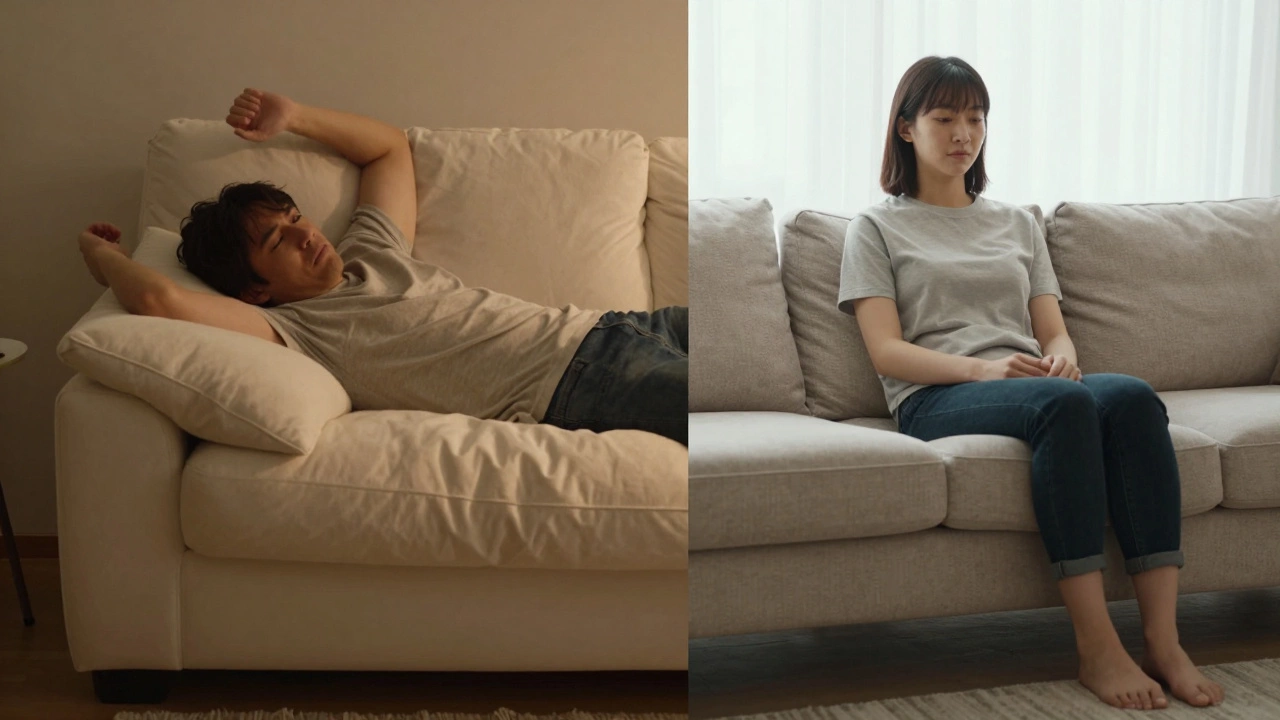
Imagine sinking into a plush cloud after a long day, only to realize you can’t get up without using your arms. Or picture sitting on a board-like seat that leaves your hips aching by dinner time. The debate between firm sofa versus soft isn’t just about preference; it’s about biomechanics, durability, and how you actually use your living space.
We’ve all been there. You visit a showroom, sit for thirty seconds, and buy based on that fleeting sensation. Then, three months later, you’re regretting the purchase because your back hurts or the cushions have collapsed into lumps. Choosing the right seating firmness requires looking past the initial "wow" factor and understanding what happens to your body and the furniture over years of use.
The Anatomy of Comfort: What Makes a Sofa Firm or Soft?
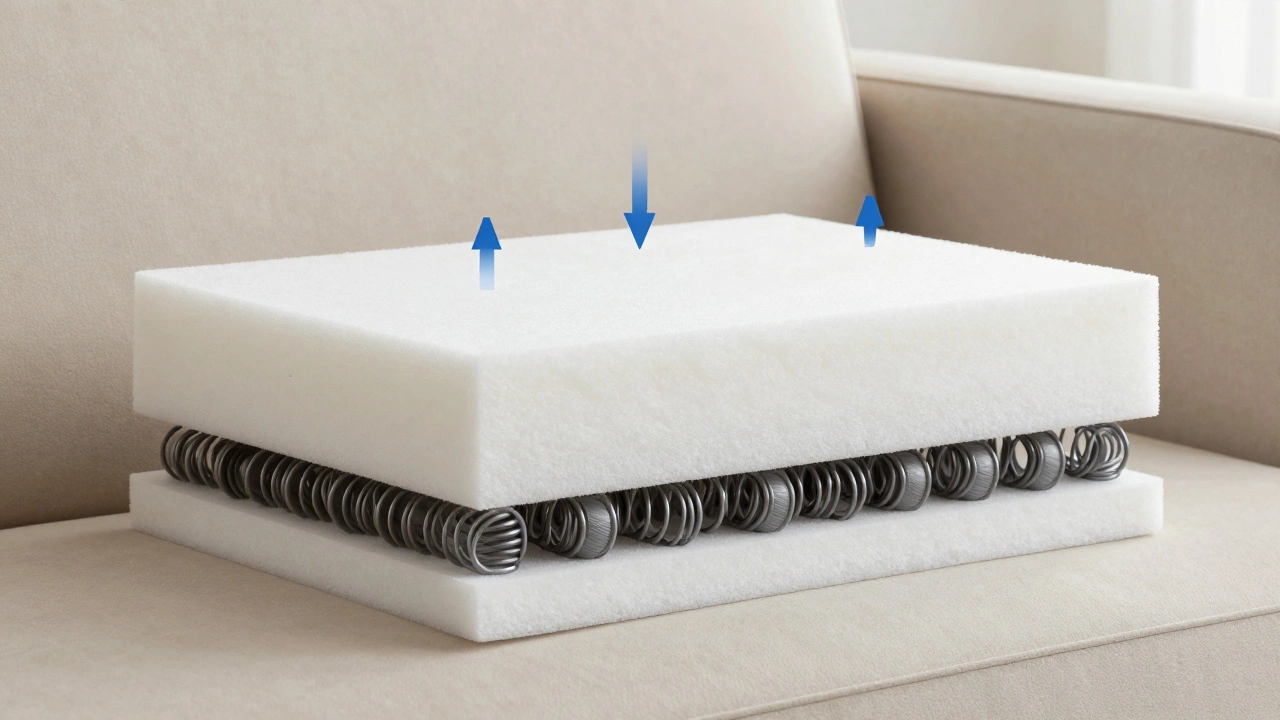
Firmness is rarely determined by a single component. It’s a combination of the base support system, the cushion filling, and the upholstery fabric. When you sit down, your weight compresses these layers in sequence. If the base springs are weak, even high-density foam will feel saggy. If the foam is too dense but the springs are rigid, you’ll feel like you’re sitting on a rock.
Let’s break down the key players:
- Springs: The foundational support structure. Sinuous (S-shaped) springs offer a softer, more flexible feel, while eight-way hand-tied springs provide superior durability and a firmer, more responsive bounce.
- Foam Density: Measured in pounds per cubic foot (PCF). Low-density foam (1.5-1.8 PCF) feels soft initially but breaks down quickly. High-density foam (2.0-3.0+ PCF) provides long-lasting support and a firmer feel.
- Down Blends: A mix of feathers and synthetic fill. These create a luxurious, sink-in feeling but require frequent fluffing and often lack structural support on their own.
A truly comfortable sofa usually layers these materials. For example, a common high-quality construction uses a layer of high-resilience foam topped with a thin layer of down-blend. This gives you the immediate softness of the down with the underlying support of the foam. A cheap sofa might skip the foam entirely, leading to rapid sagging.
Body Mechanics: How Firmness Affects Your Health
Your spine has natural curves that need support. When you sit, gravity pulls your pelvis backward, which can flatten the lower back curve if the seat doesn’t provide adequate resistance. This is where firmness becomes a health issue, not just a comfort one.
If you suffer from chronic lower back pain, a very soft sofa is often your enemy. Without enough pushback from the seat, your hips sink deeper than your knees, creating a slouching posture that strains the lumbar discs. A firmer surface keeps your hips and knees at a more neutral angle, reducing pressure on the spine.
However, "firm" doesn’t mean "hard." A medium-firm sofa with good lumbar support is ideal for most people with back issues. It prevents the "hammock effect" where your middle sags. On the flip side, if you have hip or knee arthritis, extreme firmness can cause pain at the contact points. In this case, a softer top layer (like a pillow-top cushion) distributes pressure more evenly across the joint surfaces.
Consider your weight distribution too. Heavier individuals may find that standard firm sofas feel uncomfortably hard because they compress the foam fully, hitting the base frame. They often benefit from extra-thick, high-density foam that offers deep compression without bottoming out. Lighter individuals might struggle to activate the support in a very firm sofa, making a softer option feel more accommodating.
Durability and Longevity: The Cost of Softness
Here’s the hard truth: soft sofas wear out faster. It’s simple physics. Materials that compress easily also recover slowly. Over time, the fibers in low-density foam and down blends break down, leading to permanent indentations-those dreaded "body prints" that never go away.
A firm sofa made with high-density foam (2.5 PCF or higher) typically lasts 7-10 years before showing significant signs of wear. A soft sofa with low-density foam (under 1.8 PCF) might start sagging within 2-3 years. If you plan to keep your sofa for a decade, investing in firmer, denser materials saves money in the long run.
Also consider maintenance. Down-filled cushions look amazing and feel heavenly, but they shift shape constantly. You’ll be fluffing them daily to maintain symmetry. Foam cushions hold their shape automatically. If you hate tidying up, a firmer foam-based sofa is less work.
| Feature | Firm Sofa | Soft Sofa |
|---|---|---|
| Primary Support | High-density foam, tight springs | Low-density foam, down, loose cushions |
| Lifespan | 7-10+ years | 3-5 years (before sagging) |
| Posture Support | Excellent (aligns spine) | Poor (encourages slouching) |
| Maintenance | Low (holds shape) | High (requires fluffing) |
| Best For | Back pain sufferers, heavy users | Napping, light users, aesthetic appeal |
Usage Scenarios: Who Should Choose What?
Your lifestyle dictates the best choice. There is no universal winner. Ask yourself how you primarily use your living room.
The Daily Driver: If your sofa is where you watch TV, read, or work from home for several hours a day, prioritize support. A medium-firm seat with defined armrests helps you maintain an upright posture. Look for seats that are 18-20 inches deep. Deeper seats encourage lounging, which is fine for naps but bad for sustained sitting.
The Social Hub: If your living room is for entertaining guests who come and go, a slightly softer sofa can be more inviting. People tend to sit for shorter periods during social gatherings, so the risk of postural strain is lower. Plus, a plush look creates a cozy atmosphere. Just ensure the base springs are sturdy so it doesn’t collapse under multiple people.
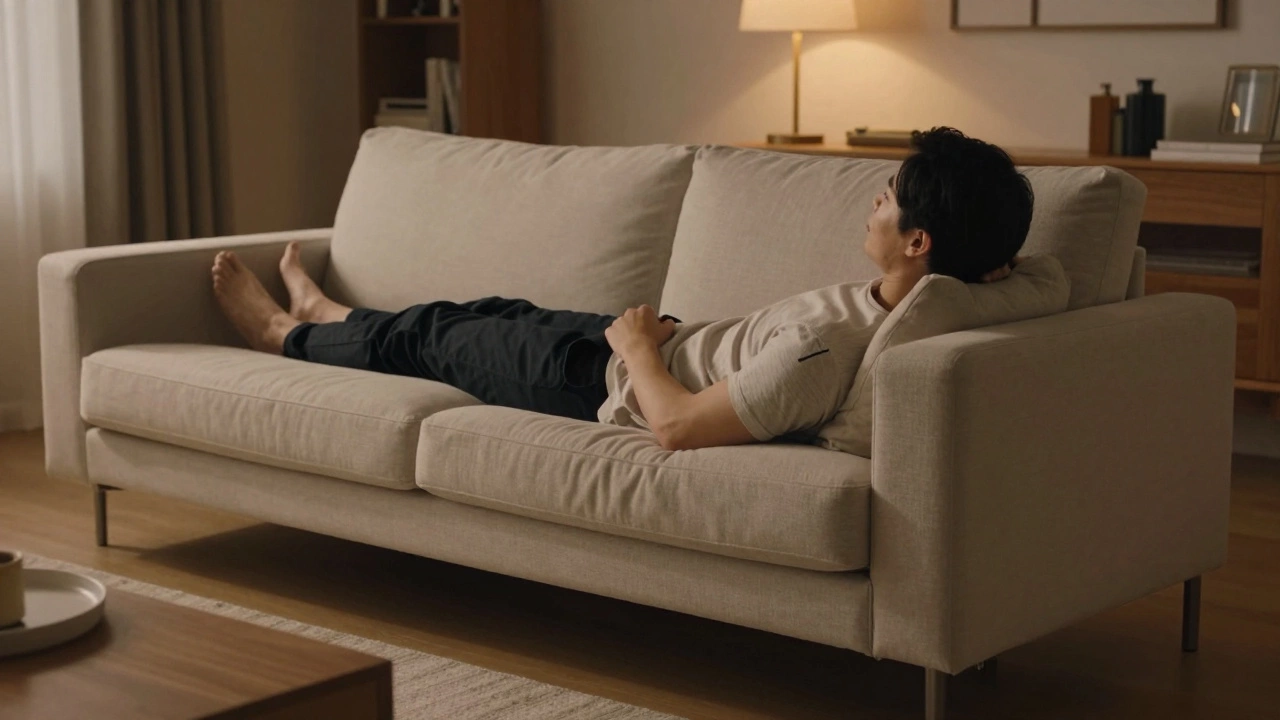
The Nap Zone: If you frequently sleep on your sofa, you want something that mimics a mattress. A soft, thick cushion with some give is better here. However, remember that sofas aren’t designed for spinal alignment during sleep. If you nap regularly, consider adding a supportive topper rather than buying a purely soft sofa.
Small Spaces: In compact rooms, visual bulk matters. Soft, overstuffed sofas often look larger than they are due to their rounded edges. Firm, tailored sofas with clean lines can make a small room feel more open and organized. The sharp angles define the space without overwhelming it.
Testing Like a Pro: Beyond the Showroom Sit
Most people test a sofa wrong. They sit down gently, like they’re afraid of breaking it, and stand up after ten seconds. That tells you nothing. Here’s how to properly evaluate firmness:
- Sit, Don’t Perch: Drop your full weight onto the seat. Lean back as you would when watching TV. Feel where the pressure points are. Are your hips sinking below your knees? If yes, it’s too soft for healthy sitting.
- The Edge Test: Sit near the front edge. Does the cushion compress completely, making you feel like you’re sliding off? Or does it hold its shape? Good firmness maintains integrity even at the edges.
- Check the Arms: Try resting your elbows on the arms. If they sink immediately, the internal structure is likely weak. Armrests should be stable enough to support your upper body weight if you lean forward.
- Wait It Out: If possible, spend at least 15 minutes on the sofa. Initial softness fades as the foam warms up and compresses. Real comfort reveals itself over time, not instantly.
Bring a friend. Sit together. See how the sofa handles distributed weight. A sofa that feels perfect for one person might feel like a trampoline for two.
Hybrid Solutions: Getting the Best of Both Worlds
You don’t have to choose extremes. Many modern sofas offer hybrid constructions that balance support and plushness. Look for these features:
- Zoned Cushions: Some manufacturers design cushions with firmer foam in the center (for spinal support) and softer foam on the sides (for hip comfort).
- Removable Top Layers: A firm base cushion with a separate, removable soft pillow on top lets you adjust firmness based on your mood or activity. Take off the pillow for working, put it on for relaxing.
- Adjustable Legs: While not directly related to cushion firmness, leg height affects posture. Higher legs lift the seat, changing the angle of your thighs relative to your torso, which can make a firm sofa feel more comfortable.
Another trick: add throw pillows. A firm sofa can be softened visually and tactilely with large, plush bolsters. This allows you to enjoy the structural benefits of a firm seat while having soft spots to lean against.
Final Thoughts on Making the Choice
There’s no magic bullet. The "best" sofa is the one that aligns with your body’s needs and your home’s function. If you value longevity and back health, lean toward firm. If you prioritize immediate relaxation and aesthetic coziness, go soft-but expect to replace it sooner. Most importantly, ignore the sales pitch. Trust your body’s feedback after prolonged sitting. Your spine will thank you.
Is a firm sofa better for back pain?
Generally, yes. A medium-firm sofa supports the natural curve of your spine and prevents your hips from sinking too deeply, which reduces strain on the lower back. Very soft sofas encourage slouching, which can exacerbate chronic back pain.
How do I know if my sofa foam is high quality?
Look for foam density ratings. High-quality foam is typically 2.0 pounds per cubic foot (PCF) or higher. Lower density foams (below 1.8 PCF) tend to sag and lose shape within a few years. Manufacturers often list this specification in product details.
Can I make a firm sofa softer?
Yes. You can add plush throw pillows, use a soft blanket draped over the seat, or install a thin memory foam topper. These additions provide immediate surface softness without compromising the underlying support structure.
Why does my new sofa feel harder than expected?
New foam is often stiff and needs time to break in. Use the sofa regularly for a few weeks. The heat and pressure from your body will soften the fibers slightly. Also, ensure you’re not comparing it to an old, worn-out sofa that has already compressed significantly.
Which type of spring is best for a firm sofa?
Eight-way hand-tied springs are the gold standard for firm, durable support. They are individually tied to the frame, providing even weight distribution and preventing sagging. Sinuous springs are cheaper and lighter but generally offer less robust support for a truly firm feel.