Why Don't Europeans Use a Top Sheet? The Real Reason Behind a Simple Bedding Habit
Top Sheet Laundry Calculator
Discover how much time and energy you save by eliminating the top sheet from your bedding system. Based on European bedding habits and your specific laundry patterns.
Your Current Bedding System
Your Savings
European EfficiencyTime saved per week
Energy and water savings per wash cycle
Walk into any hotel room in Paris, Berlin, or Stockholm, and you’ll notice something missing: a top sheet. Not a fitted sheet. Not a duvet cover. But that thin, flat sheet that sits between you and your blanket or duvet. In the U.S., Canada, Australia, and parts of Asia, it’s standard. In most of Europe? It’s practically unheard of. Why?
The History of the Top Sheet
The top sheet didn’t start as a luxury-it started as a necessity. Back in the 1800s, beds were shared. Families slept together. Hygiene was a challenge. The top sheet acted like a barrier between the body and the bedding, which wasn’t washed nearly as often as it is today. It was cheap, easy to launder, and kept the thicker blankets cleaner for longer. When indoor plumbing and washing machines became common, the top sheet stuck around in places like the U.S. because it became part of a ritual: tucking in the corners, smoothing the fabric, making the bed look neat.
In Europe, the story went differently. Bedding evolved around warmth, not cleanliness rituals. Heavy wool blankets, then down-filled quilts, became the norm. These were often enclosed in washable covers. The idea of adding another layer-something you’d have to tuck in, adjust, and potentially sweat under-didn’t catch on. Why add complexity when you already had a system that worked?
How Europeans Sleep: The Duvet System
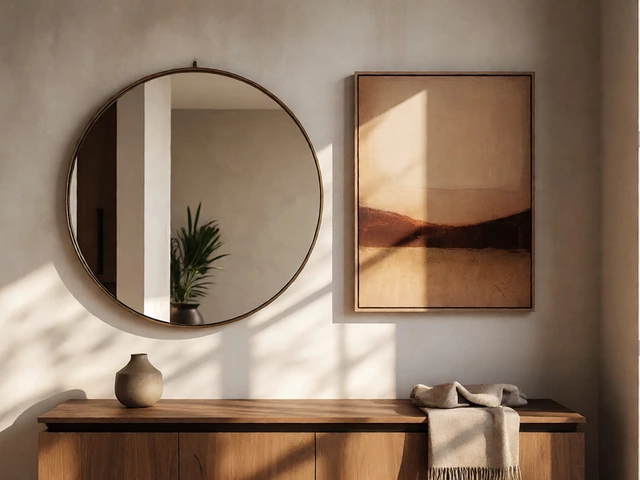
Most Europeans sleep with a duvet inside a removable cover. That’s it. No top sheet. No bottom sheet under the duvet-just a fitted sheet on the mattress, then the duvet. The duvet cover is washed weekly. The fitted sheet every two weeks. That’s it. No extra layers. No fuss.
It’s not just about fewer sheets. It’s about simplicity. In countries like Sweden, Germany, and the Netherlands, people value practicality. A duvet is easier to put on, easier to move around in, and doesn’t bunch up like a top sheet can. You don’t wake up tangled in fabric. You don’t have to re-tuck it every morning. It’s one layer of warmth, one layer of washable fabric. That’s all you need.
Even in hotels, you’ll rarely find a top sheet. The bed is made with a fitted sheet, then a duvet with a crisp cover. Sometimes, a thin mattress topper. But never that extra flat sheet. Tourists often ask for one. Staff usually look confused.
The Climate Factor
Europe’s climate plays a big role. Most of continental Europe doesn’t have the extreme heat that makes Americans crave breathable layers. In summer, temperatures rarely go above 30°C (86°F). In winter, homes are well insulated and centrally heated. A duvet is enough. A top sheet adds insulation you don’t need-and can make you overheat.
Think about it: a top sheet traps heat between your body and the duvet. In a hot room, that’s uncomfortable. Europeans prefer to sleep cool. Many keep windows open year-round. Others use lighter duvets in summer. A top sheet? It’s an unnecessary thermal barrier.
Laundry Culture Is Different
How often do you wash your sheets? In the U.S., most people change them weekly. In Europe? It’s often every two to three weeks. Why? Because they don’t have as many layers to wash.
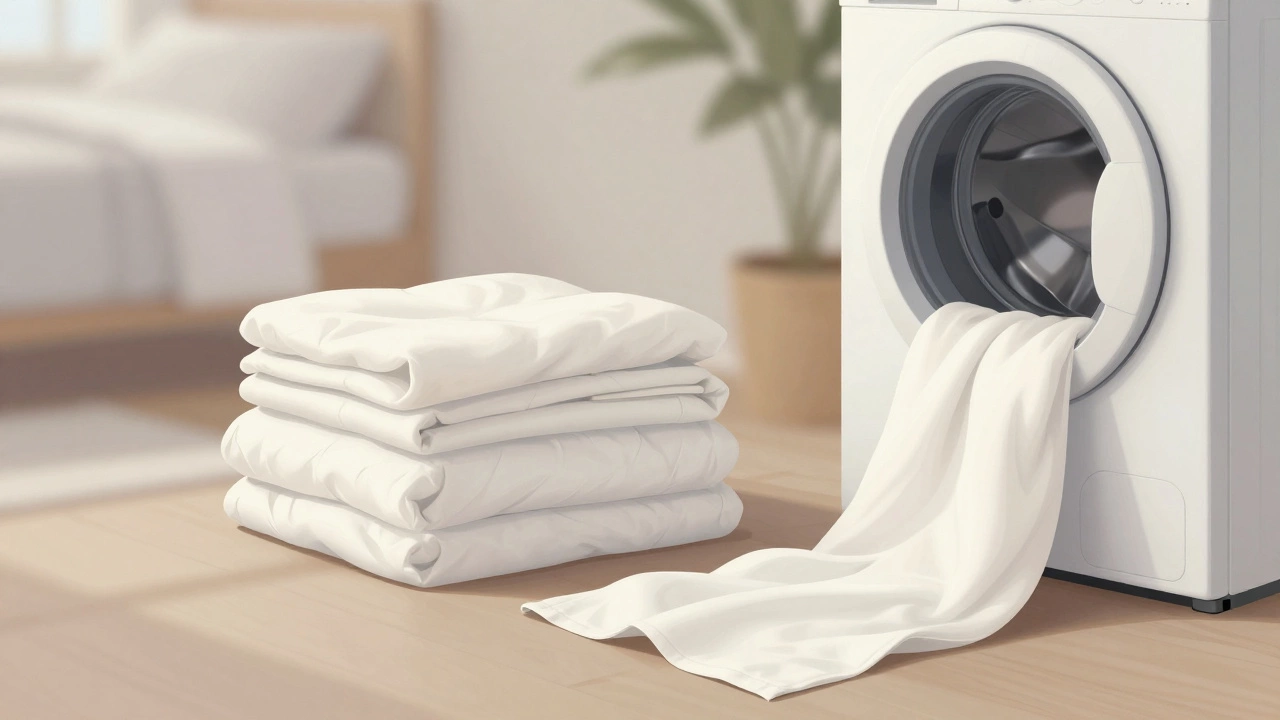
With a top sheet, you’re washing two flat sheets plus a fitted sheet, plus a duvet cover. That’s four items per week. Without the top sheet? Just the fitted sheet and the duvet cover. Two items. Less laundry. Less time. Less energy.
And Europeans don’t see this as cutting corners. They see it as efficient. Duvet covers are made of durable cotton or linen, designed to be washed frequently. They’re not delicate. They’re built to last. So why add another layer that only serves to protect something that’s already protected?
It’s Not About Hygiene-It’s About Preference
One myth you’ll hear is that Europeans are less hygienic. That’s not true. They just have different standards. A duvet cover is washed as often as a top sheet would be. The fitted sheet is changed just as often. The mattress is protected. The bed is clean. The difference is in the structure, not the cleanliness.
There’s also a psychological factor. In cultures where beds are seen as places of rest, not performance, there’s less pressure to make them look perfect. A neatly tucked top sheet? In many European homes, that’s seen as fussy. Why spend time smoothing fabric when you’re just going to crawl under it and sleep?
It’s the same reason you won’t find bedspreads or decorative pillows on most European beds. It’s not about aesthetics. It’s about function.
What Happens When Europeans Travel?
Many Europeans visiting the U.S. or Australia are stunned by the top sheet. Some find it annoying. Others think it’s charmingly old-fashioned. I’ve heard stories of German tourists refusing to sleep under a top sheet, pulling it off and using only the duvet. One Swiss woman told me she once slept on the floor in a New York hotel because she couldn’t figure out how to remove the sheet without wrinkling the duvet.
And when Americans visit Europe? They often complain about the “thin” bedding. But after a few nights, most adapt. The duvet is warmer than they expect. The lack of a top sheet doesn’t feel weird anymore. It just feels… normal.
So, Should You Try It?
If you’re tired of laundry, overheating, or tangled sheets, maybe it’s time to ditch the top sheet. Try this: remove your top sheet for one week. Keep your fitted sheet and duvet cover. See how you sleep. You might find you’re more comfortable. You might find you’re saving time. You might even find you sleep better.
It’s not about being European. It’s about finding what works for your body, your climate, and your lifestyle. The top sheet isn’t a requirement. It’s a habit. And habits can change.
What You Lose (and What You Gain)
Without a top sheet, you lose:
- One extra layer to wash
- One extra step in making your bed
- The feeling of crispness between skin and blanket
But you gain:
- More warmth without added bulk
- Faster laundry cycles
- Less heat trapping
- More freedom to move in bed
- A simpler, more minimalist routine
For many, the trade-off is worth it.