How to Make Curtains Look Expensive: 7 Pro Tips for a Luxury Window Treatment
Luxury Curtain Score Calculator
How is the rod installed relative to the window frame?
What material are your curtains made of?
Where do the hemlines stop?
How does the curtain attach to the rod?
Describe the curtain rod material.
Have you steamed/ironed them recently?
Ready to Calculate
Select your options and click calculate to see how your curtains compare to high-end design standards.
Pro Tips for Improvement:
There is nothing quite like the feeling of walking into a room that feels instantly polished and put together. Often, the secret isn't the expensive sofa or the designer rug-it’s the windows. Curtains are the vertical architectural element of a room that can define its scale, light, and texture. When done right, they add height, depth, and a sense of calm luxury. When done wrong, they can make even a large room feel cramped and cheap.
You don’t need to spend thousands on custom-made fabrics to achieve that high-end look. The difference between budget blinds and luxurious drapes often comes down to installation techniques, fabric choice, and styling details. Let’s walk through exactly how you can transform your windows with simple, actionable steps that deliver maximum impact for minimal cost.
1. Hang Them High and Wide
The single biggest mistake people make is hanging curtains too close to the window frame. This shrinks the visual size of your window and makes the room feel smaller. To create an illusion of grandeur, you need to defy this instinct.
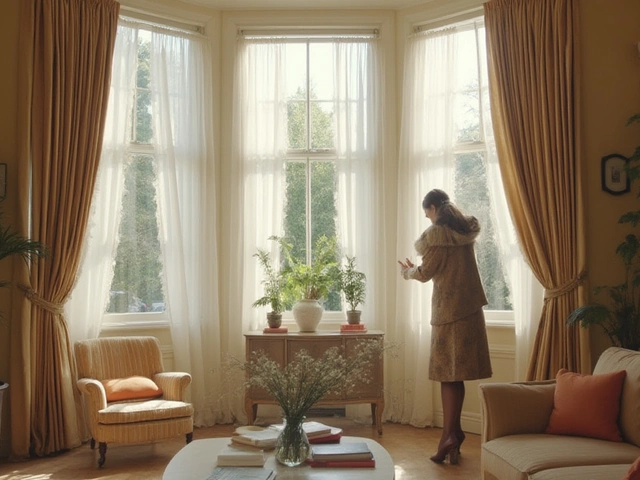
Install your curtain rod at least 4 to 6 inches above the top of the window frame. If you have high ceilings, go even higher-almost touching the ceiling line. This draws the eye upward, making the walls appear taller. For the width, extend the rod 6 to 10 inches beyond the window frame on each side. When the curtains are open, they should stack completely outside the glass, allowing maximum natural light to flood in. This "high and wide" technique is the cornerstone of professional interior design and works in every room style.
2. Choose the Right Fabric Weight and Texture
Fabric is everything. Thin, sheer polyester that wrinkles easily screams "budget." In contrast, heavy, textured fabrics hold their shape, drape beautifully, and filter light in a sophisticated way. You want a material with enough weight to fall in clean, vertical lines rather than bunching up messily.
- Linen: Offers a relaxed, organic luxury. It has a natural texture that adds depth without being overly formal. Look for linen blends if you want easier care.
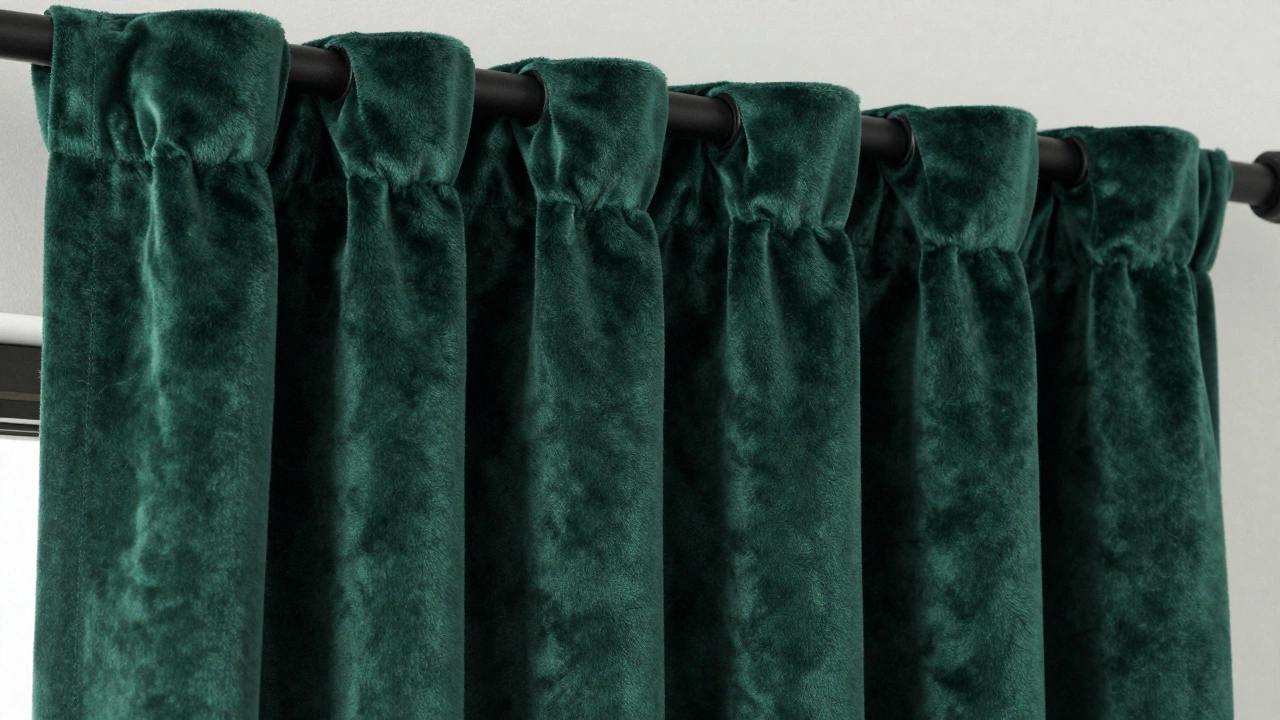
- Cotton Velvet: Provides rich color and a soft, tactile feel. It’s excellent for bedrooms where you want warmth and sound dampening.
- Heavy Cotton Drapery: A versatile option that works in both casual and formal settings. It holds pleats well and resists wrinkling better than lighter weaves.
Avoid shiny, synthetic materials that reflect light harshly. Matte finishes always look more expensive because they absorb light softly, creating a richer color appearance.
3. Opt for Floor-Sweeping Lengths
Short curtains that stop at the sill or mid-calf date a room instantly. For a modern, luxurious look, your curtains should touch the floor-or just barely kiss it. This is known as "floor-sweeping" length.
If you buy ready-made panels, measure from the bottom of the rod (not the wall) to the floor, then add half an inch. This ensures the hem rests gently on the carpet or hard flooring without dragging. If the curtains are slightly too long, you can hem them yourself or ask a tailor. The goal is a clean, uninterrupted vertical line from the rod to the ground. This elongates the window and makes the entire room feel more cohesive and intentional.
4. Use Double-Needle Hemming and Pleats
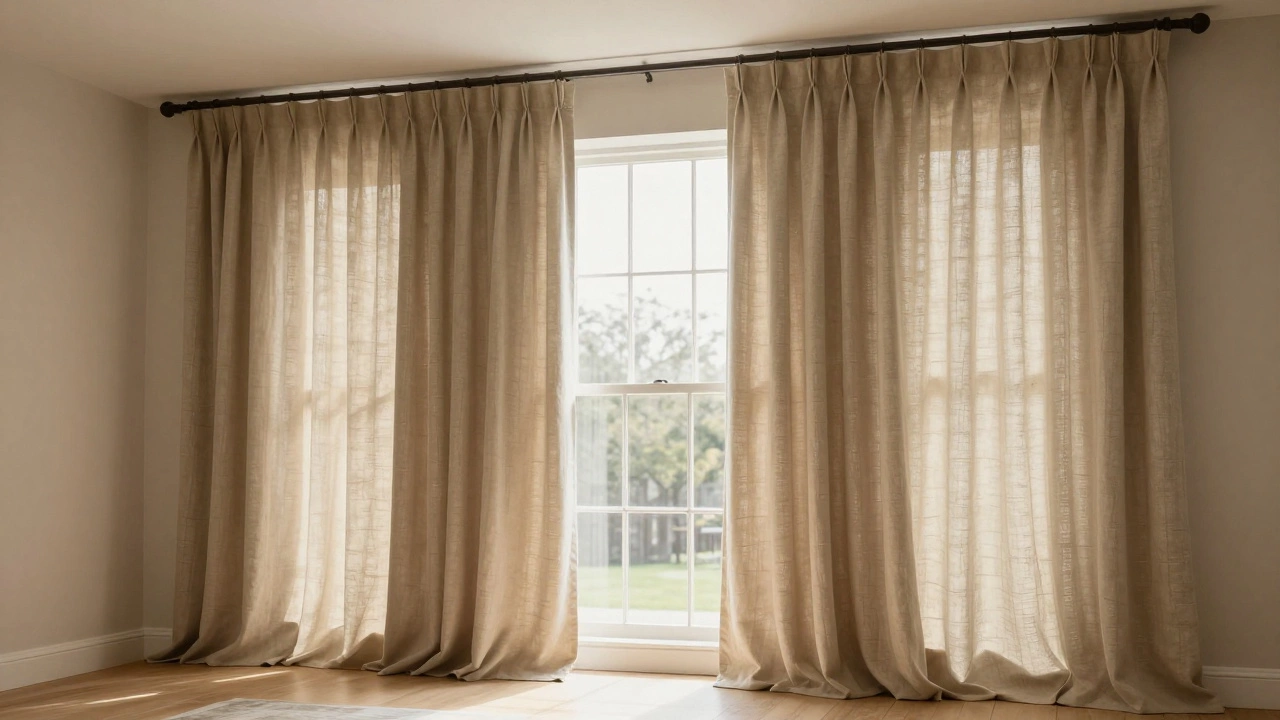
Have you ever noticed how store-bought curtains often look flat at the top? That’s because they usually come with simple rod pockets or iron-on tabs. These methods compress the fabric, preventing it from draping naturally. To get that tailored, bespoke look, opt for double-needle hemmed edges and French pinch pleats.
French pinch pleats are created by folding the fabric back on itself at regular intervals, secured with a hidden tape. This creates a structured, accordion-like fold that looks incredibly crisp. Even if you’re buying affordable panels, check if they offer a "pinch pleat" option. If not, you can sew them yourself with some practice. The extra effort pays off in a look that mimics high-end custom drapery.
5. Layer with Sheers for Depth
One solid layer of heavy fabric can sometimes look flat or boxy during the day. Adding a second layer of lightweight sheers behind your main curtains adds dimension and sophistication. Sheers diffuse harsh sunlight, creating a soft, glowing ambiance while maintaining privacy.
This layering technique allows you to keep the heavy curtains closed for full blackout at night, but open them during the day to let the sheer layer do the work. It also gives the window treatment a fuller, more substantial appearance when both layers are drawn together. White or off-white sheers are timeless and pair well with any color scheme.
6. Select Hardware That Complements, Not Competes
Your curtain rod is the jewelry of your window. A flimsy, plastic-looking rod will ruin the effect of even the most expensive fabric. Choose a sturdy metal rod-brass, bronze, matte black, or brushed nickel-that complements your other hardware like door handles and light fixtures.
Makes sure the rod is thick enough to support the weight of your fabric without sagging. A thicker rod also looks more substantial and deliberate. Avoid decorative finials that are overly ornate unless you’re going for a specific traditional style. Simple, sleek finials or no finials at all often look more contemporary and refined.
7. Iron or Steam Your Curtains
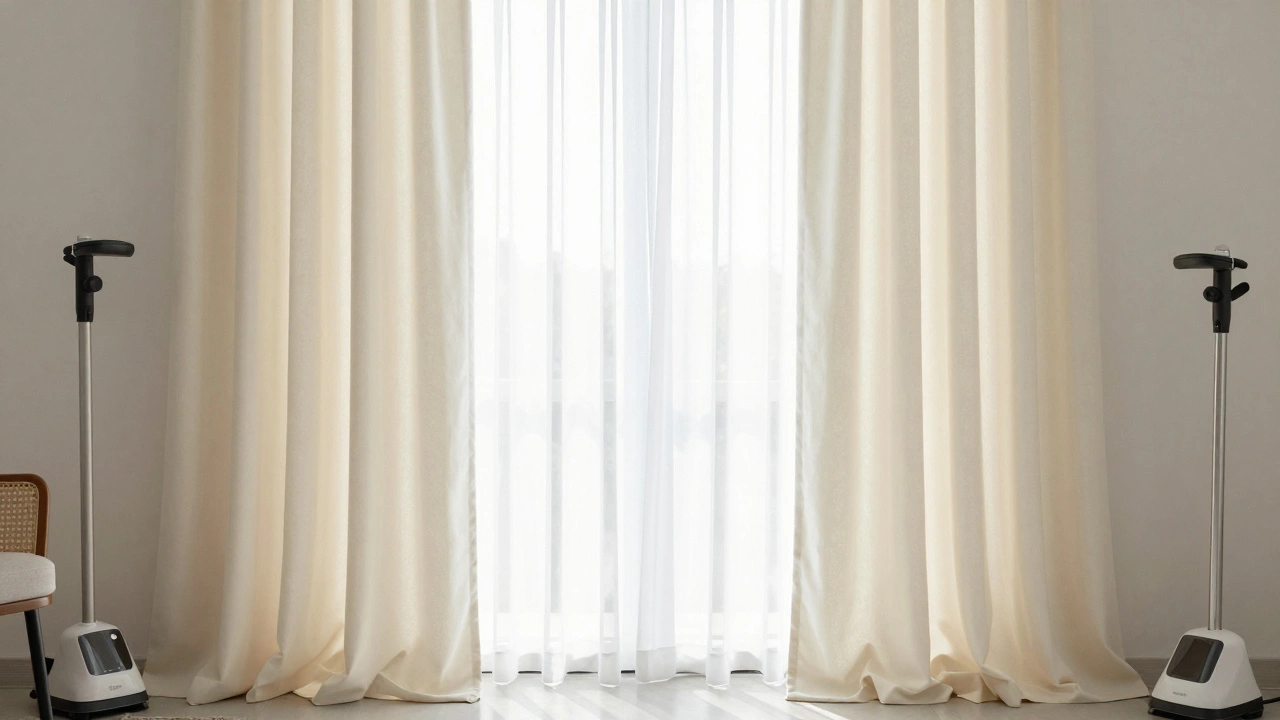
This step is non-negotiable. No matter how good your fabric is, if it arrives with factory creases, it will look cheap. Before hanging, steam or iron your curtains thoroughly. Use a garment steamer for best results, as it relaxes the fibers without crushing the nap of velvet or linen.
Hang the curtains immediately after steaming so they cool in their draped position. This helps the fabric retain its smooth, flowing shape. Regular maintenance, such as occasional vacuuming with the upholstery attachment, keeps dust and allergens at bay, preserving the fresh look of your investment.
| Element | Budget Look | Luxury Look |
|---|---|---|
| Rod Placement | Close to window frame | High and wide (6+ inches out) |
| Fabric Type | Thin, shiny polyester | Heavy linen, cotton, or velvet |
| Length | Sill-length or floating | Floor-kissing or sweeping |
| Top Style | Rod pocket or grommets | French pinch pleats |
| Hardware | Plastic or thin wire | Sturdy metal with matching finish |
Color Psychology and Pattern Scale
Color plays a huge role in perception. Darker, saturated colors like navy, charcoal, or deep emerald green often read as more luxurious than pastels, which can feel casual or juvenile. If you prefer light colors, stick to warm neutrals like cream, oatmeal, or stone. These tones add warmth and texture without overwhelming the space.
If you choose patterns, ensure the scale is appropriate for your room. Large-scale botanicals or geometric prints work well in spacious rooms with high ceilings. In smaller spaces, subtle textures or small-scale patterns prevent the eye from becoming overwhelmed. Consistency is key-try to pick up a secondary color from your bedding or artwork to tie the room together.
Maintenance Matters
Even the most expensive-looking curtains will lose their luster if they’re neglected. Dust accumulates quickly on fabric surfaces, especially near windows where air currents circulate. Vacuum your curtains monthly using the brush attachment on low suction. For deeper cleaning, follow the care label instructions. Many linen and cotton blends can be machine-washed on gentle cycles, but dry cleaning may be necessary for delicate velvets or silks.
Regular maintenance ensures that your curtains stay crisp and vibrant, reinforcing the impression of a well-cared-for home. It’s a small effort that yields significant returns in perceived value.
Can I make cheap curtains look expensive?
Yes, absolutely. Focus on installation height, fabric weight, and proper hemming. Hanging them high and wide, choosing matte heavy fabrics, and steaming them before use can transform affordable panels into a high-end look.
What is the best curtain rod for a luxury look?
A sturdy metal rod in a finish that matches your other home hardware, such as brass, matte black, or brushed nickel. Avoid plastic or thin wire rods, as they look flimsy and detract from the fabric's elegance.
Should curtains touch the floor or float above it?
For a modern, expensive look, curtains should touch the floor or "kiss" it. Floating curtains that stop several inches above the floor tend to look dated and casual.
Do I need to line my curtains?
Lining adds weight, insulation, and light control, which enhances the luxurious feel. However, if you layer sheers behind unlined heavy curtains, you can achieve a similar depth and functionality without the added cost of lining.
What is the difference between pinch pleats and rod pockets?
Pinch pleats create structured, vertical folds that look tailored and high-end. Rod pockets involve sewing a channel at the top for the rod, which bunches the fabric and creates a softer, more casual appearance.