Should Curtains Cover Hot Water Baseboards? A Guide to Heating Efficiency
Heating Efficiency & Curtain Calculator
Blocking natural convection currents can reduce your effective heating output by up to 20%. Use this tool to analyze your current setup.
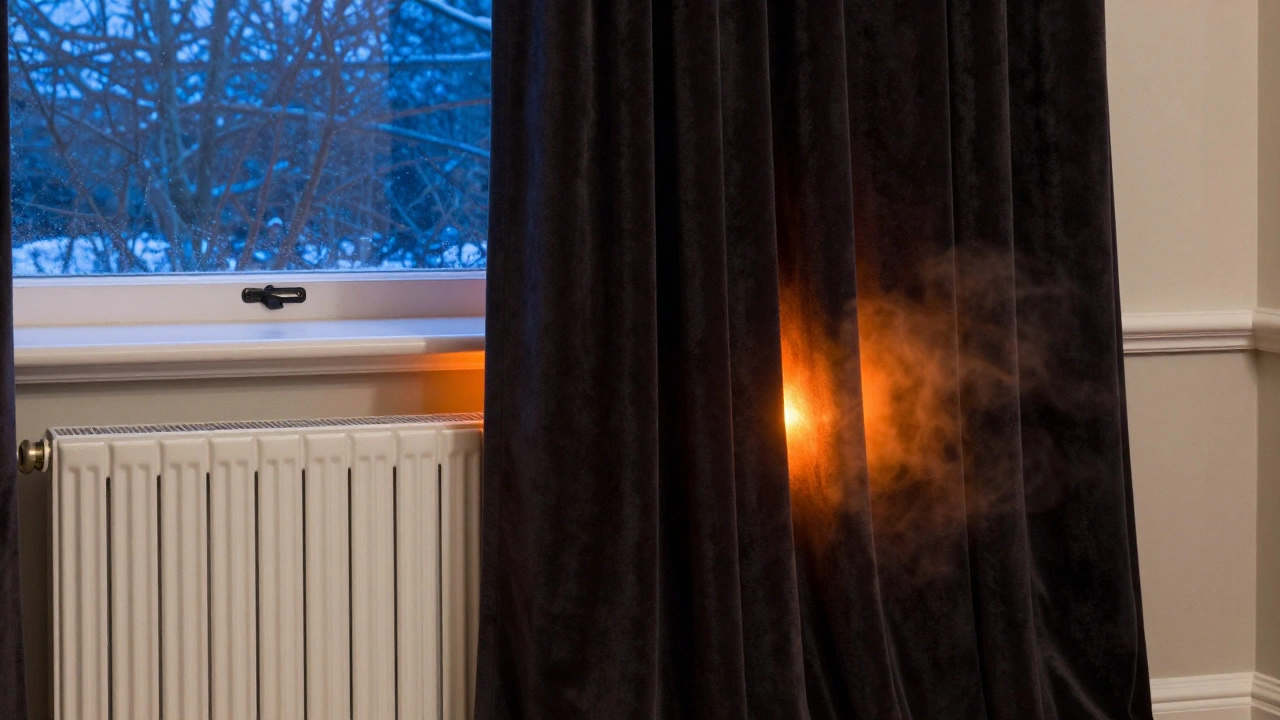
You stand there looking at your window. The draft outside bitingly cold, the radiator humming below. Your heavy blackout drapes drape all the way down, hiding everything neatly. It looks tidy. It feels cozy visually. But when you check your heating bill next month, does that savings plan make sense? You aren’t just hanging fabric. You are managing airflow.
The Basic Physics of Baseboard Heat
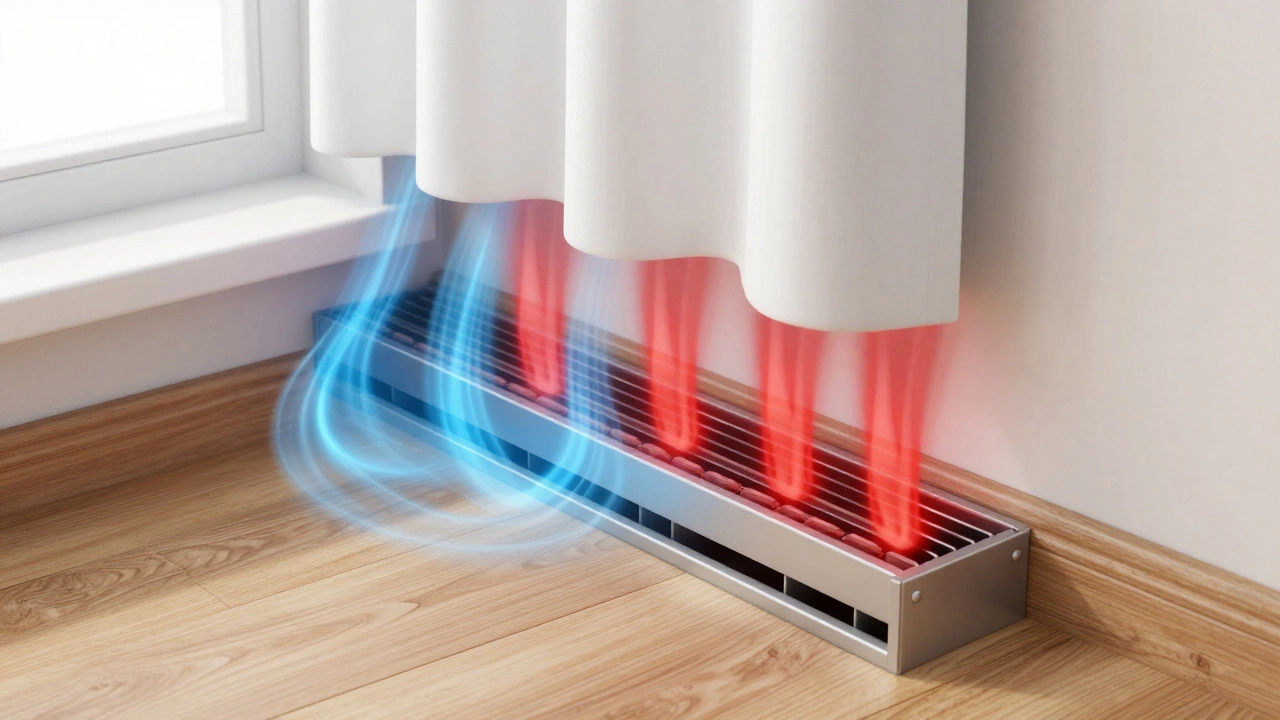
Before we touch a hem, we need to understand how a Hot Water Baseboard works. These units differ from simple electric coils. They circulate heated liquid through metal fins located low along the wall. The design relies entirely on natural Convection Currents. Cold air hits the bottom of the heater, warms up, and rises. As it rises, it pulls fresh cooler air down behind it. This cycle creates a constant breeze that distributes warmth across the room.
If you place a solid barrier between the fins and the rest of the space, you interrupt this cycle. Imagine trying to run on a treadmill while wearing a weighted vest. The heater works harder, consuming more fuel or electricity to achieve a target temperature. In many Hydronic Heating systems found in older Auckland homes or newer developments, the control valves modulate the water flow. If the air trapped behind the curtain stays warm, the thermostat thinks the room is comfortable too quickly. That sounds good until you move away from the window. You step back toward the center of the room, and suddenly the air is frigid again. The heat got stuck behind the curtain rod.
The Hidden Cost of Blocked Airflow
We often ignore the math because comfort is immediate, but the financial drain is long-term. When you cover these units, you essentially turn them into insulators rather than distributors. The walls absorb some heat, which is inefficient for space heating. You lose roughly twenty percent of the effective output when fully obstructed. That figure jumps higher if you are using thick velvet or thermal linings designed to stop light.
Consider the seasonal reality here in New Zealand. We don't get extreme cold snaps often in Auckland compared to Hokitika, but our winter humidity makes perceived temperature drop significantly. You need maximum efficiency to combat that damp chill. A blocked heater means the HVAC System runs longer cycles. Extended runtime wears out components faster and spikes gas or electricity usage. If you have multiple baseboards around the house, compounding that twenty-percent loss adds up. It isn't just about one corner of the room being colder. It impacts the overall load management of your entire home's climate control.
Does Fabric Weight Change Anything?
Some argue that thin sheers don't block heat. Is this true? Not really. Even lightweight linen traps a pocket of warm air against the baseboard. It creates a "thermal boundary layer." The air right next to the metal gets hot, but it doesn't mix with the air three feet away where you sit reading your book. Thick fabrics just make the insulation worse. They also create safety concerns if left too close to the metal fins. While hot water pipes are generally safer than glowing electric coils, prolonged contact can scorch delicate fibers or dry out synthetic blends over years.
There is a nuance regarding Thermal Retention though. In summer, curtains help keep rooms cool. In winter, the strategy flips. You want the sun through the glass to warm the floor, then trap that heat. But once night falls, keeping the curtains closed without blocking the active heating source is key. Using blinds or shutters instead of floor-length curtains often solves this dilemma better. Shutters mounted above the heater allow air movement while still providing privacy and light control when needed.
Installation Strategies for Best Results
If you love the look of a full-length drape and simply refuse to expose the baseboard, you must adjust the hardware to minimize damage. Mount the curtain rods higher than standard. Instead of two inches below the casing, raise it to four or six inches. Shorten the hem slightly so the pool of fabric at the bottom is minimal. The goal is to leave at least six inches of clear gap between the finished curtain and the floor.
This gap acts as an intake valve. Warm air can exit the top of the window frame, while cool air enters the bottom. By lifting the rod, you prevent the curtain from sealing off the heater completely. It won't solve the physics perfectly, but it reduces the penalty significantly. Another option involves using split rods. Install one rod for the decorative panel and a secondary track for a sheer layer that stops higher up. Or better yet, install a valance box at the top. The curtain hangs from the box and meets just below the heater level, exposing the unit entirely.
| Method | Heat Blockage Risk | Aesthetic Impact | Ease of Cleaning |
|---|---|---|---|
| Full Floor Length | High | Best visual flow | Difficult to vacuum near heater |
| Shortened Hem (6 inch gap) | Low | Slight visual break | Easier access |
| Valance Only | None | Cleanest look | Easy maintenance |
| Side Panels Only | Minimal | Modern feel | No dust collection on heater |
When Exceptions Apply
Are there scenarios where covering them is acceptable? Yes, specifically during the day in peak sunlight hours in spring or early autumn. If the room receives direct southern light and the sun provides enough radiant heat, you might actually want to shade the window glass to avoid overheating before evening sets in. Here, the curtain blocks solar gain more than the heater output. The heater remains dormant because the room reaches the setpoint naturally.
However, once the sun dips or clouds roll in-which happens frequently in our temperate climate-you need that heater ready. Leaving heavy drapes pulled shut over the fins when the unit is actively firing is the primary error to avoid. A smart strategy uses tie-backs or clips. Keep the curtain open when the heat is running, even if the heater is small. Just moving the fabric to the side allows the plume of warm air to rise into the living space. It seems minor, but consistent airflow changes comfort levels dramatically.
Fabric Choice and Safety Standards
Material choice interacts heavily with heat sources. Linen and cotton breathe well, allowing air to pass through them partially. Synthetic polyester blends trap static charge and can act almost like plastic sheeting against the metal. If you do use heavy drapes nearby, check the manufacturer warnings regarding proximity to heat sources. Some manufacturers suggest a minimum distance of five centimeters between fabric and radiating surfaces. Adhering to these guidelines prevents fire hazards, though water baseboards rarely exceed temperatures that cause ignition. The bigger risk is fabric degradation. The dry heat dries out natural fibers, making curtains brittle or prone to cracking at the seams over time.
Think about dust collection. The baseboard sits on the floor where debris accumulates. Dust settles on the hot metal fins, creating an insulating layer of its own. If curtains constantly brush the heater, they agitate this dust into the air you breathe. In households with allergies, this is a major health consideration beyond energy costs. The airflow disruption forces particles deeper into lungs instead of circulating them safely. Vacuuming the heater annually helps, but avoiding the fabric contact is cleaner long-term.
Optimizing for Auckland Living
Local context matters for these decisions. Auckland homes often rely on older plumbing infrastructure or retrofitted systems. The efficiency of your water supply affects how the baseboard performs. If you are renting, you likely cannot modify the piping. Focusing on curtain placement is your best lever. Landlords in NZ are increasingly required to meet rental housing insulation standards. However, those standards focus on ceilings and walls, often overlooking furniture placement habits that negate improvements.
Taking ownership of your heating layout pays off. In regions with fluctuating temperatures, you want responsive control. If the heater struggles, the hot water cylinder works overtime. This increases wear on the tank itself. It's a systemic issue. Small tweaks in how you dress your windows reduce the strain on mechanical equipment. Every degree of efficiency saved keeps the money in your bank account rather than paying for utility repairs later.
Alternative Solutions for Privacy
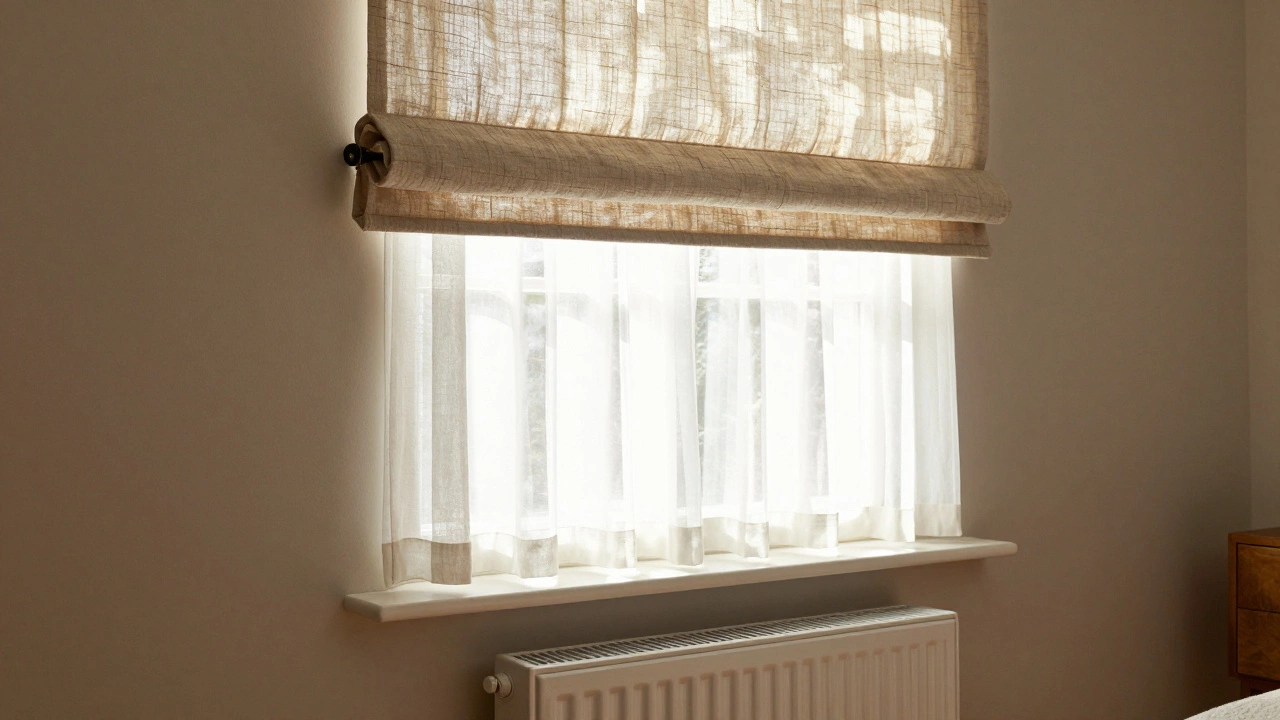
If your goal is total privacy rather than light blocking, look at alternatives. Tinting the glass or installing film offers a permanent solution without physical obstruction. This keeps the heater exposed while stopping view from outside. Magnetic shades or roller blinds sit directly on the window pane. They retract completely when opened, leaving zero interference with the convective loops below. These options preserve the heating potential while solving the daylight intrusion issue.
Maintaining a balance between form and function is the core challenge of interior design. We want rooms to look beautiful, but beauty shouldn't come at the expense of basic comfort. A well-dressed window enhances a room, but only if it supports the environment inside it. Prioritize airflow first, decorate second. The warmth returning to your hands is worth compromising on the perfect floor sweep of the fabric.
Frequently Asked Questions
Can I wash curtains that touch heated baseboards?
Yes, but frequent washing removes chemicals that add to flammability ratings in some cases. More importantly, check for smoke stains or yellowing on the hems. These indicate the heater is drying out the fabric unevenly. Wash on gentle cycles to restore fiber strength.
How far should curtains hang above the floor?
For areas with baseboard heating, aim for a six-inch clearance. This creates an air intake channel at the bottom. Standard clearance is one to two inches for decoration, but heating functionality requires that larger gap for proper airflow exchange.
Do thermal curtains help if I keep them open?
Only marginally. Thermal lining helps when the window pane itself is cold. Pulling them closed blocks the heater immediately. Keep thermal panels tied back to the side during active heating seasons to let the baseboard function correctly.
Will removing curtains lower my heating bills?
It depends on where the drafts are. Curtains block cold glass radiation. Removing them exposes cold glass to the room, potentially increasing load. Ideally, use a separate layer like a blind for the glass, and curtains for privacy that can be moved aside.
What is the ideal curtain length for radiator heating?
Stop at the sill height or mid-wall height. If you must go floor length, ensure you cut it short enough to leave the bottom 150mm of the heater fully visible and unobstructed by fabric.