How to Make Curtains Look Classy: Simple Tips for a Luxurious Home
Curtain Length Calculator
Your Perfect Curtain Length
For a classy look, curtains should kiss the floor or pool slightly.
Pro Tip: As mentioned in the article, classy curtains should end about 1/2 inch above the floor or pool gently. This creates a luxurious, polished look that makes your space feel more refined.
Great curtains don’t just cover windows-they transform a room. A pair of poorly chosen curtains can make even the most stylish space feel cheap or cluttered. But the right ones? They add depth, texture, and a quiet kind of luxury that lasts for years. If you’ve ever walked into a home and thought, ‘I wish my curtains looked like that,’ you’re not alone. The secret isn’t about spending more money. It’s about making smarter choices.
Choose the Right Fabric
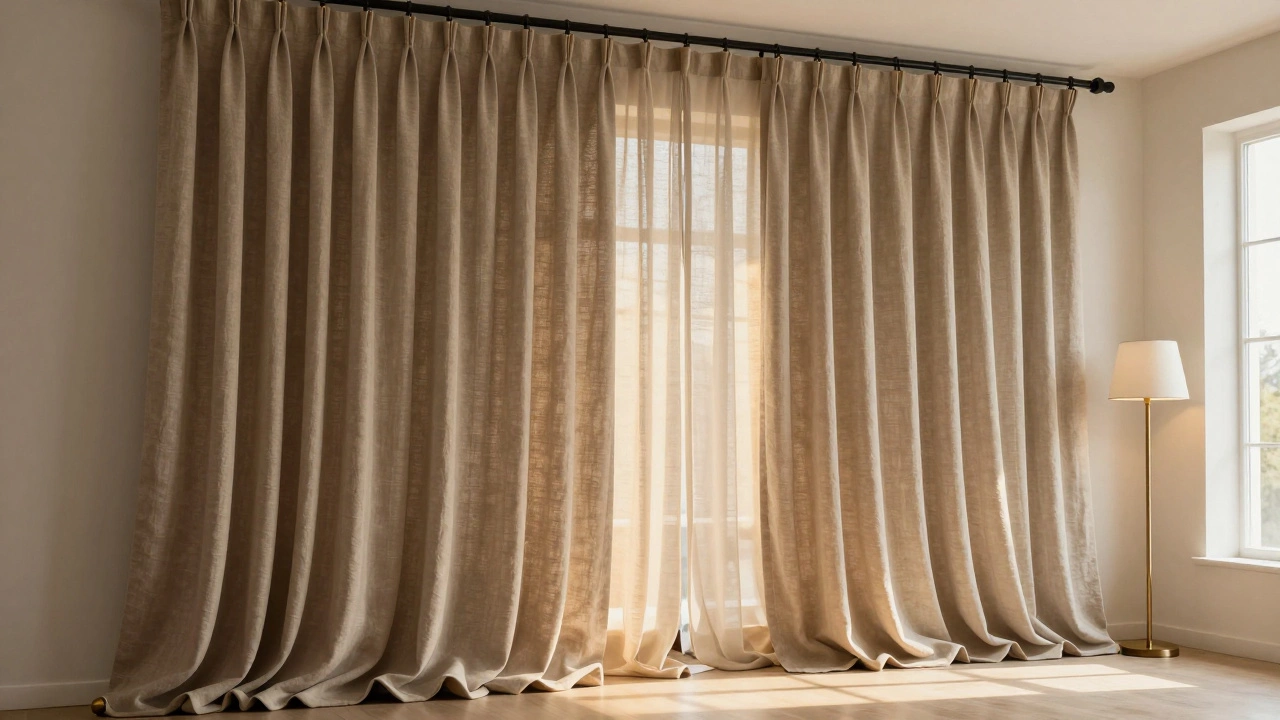
The fabric is the foundation. Too thin, and your curtains look flimsy. Too heavy, and they overwhelm the space. For a classy look, go for natural fibers with a subtle sheen: linen, cotton voile, or silk blends. These materials move softly with light and air. They don’t glare like polyester, and they don’t look stiff like cheap synthetic drapes. In Auckland’s changing light, natural fabrics catch the sun in a way that feels alive-not artificial.
Avoid anything labeled ‘decorative’ or ‘sheer’ if you want real depth. Instead, look for curtains with a slight weight-enough to hang in soft, even folds. If you’re unsure, drape a sample over a chair. Does it fall like water? Or does it cling and buckle? The former is what you want.
Install Hardware Higher and Wider
This is the single most overlooked trick. Most people mount curtain rods right above the window frame. That makes the window look smaller. To make a room feel taller and more elegant, install the rod at least 4 to 6 inches above the top of the window. If you have crown molding, even better-mount it just below that. It draws the eye upward.
And don’t stop there. Extend the rod 6 to 12 inches beyond each side of the window. This creates the illusion of a wider window and lets light flow in more naturally when the curtains are open. You’ll notice how the room opens up, even if you haven’t changed anything else.
Use the Right Length
Classy curtains don’t hover above the floor. They kiss it. Or better yet-they pool just slightly. Aim for curtains that end about 1/2 inch above the floor, or let them gather gently in a soft break of 1 to 2 inches. Anything longer than that starts to look messy. Anything shorter looks like an afterthought.
If you’re unsure, tape a piece of string to the bottom of your curtain and let it hang for a day. See how it settles. That’s your real length. Don’t guess. Measure twice.
Layer for Depth
One layer of curtain rarely looks luxurious. Classy window treatments usually have two: a sheer underlayer and a heavier outer drape. The sheer lets in soft morning light while keeping privacy. The heavier fabric blocks out glare and adds warmth in the evening. Together, they create dimension.
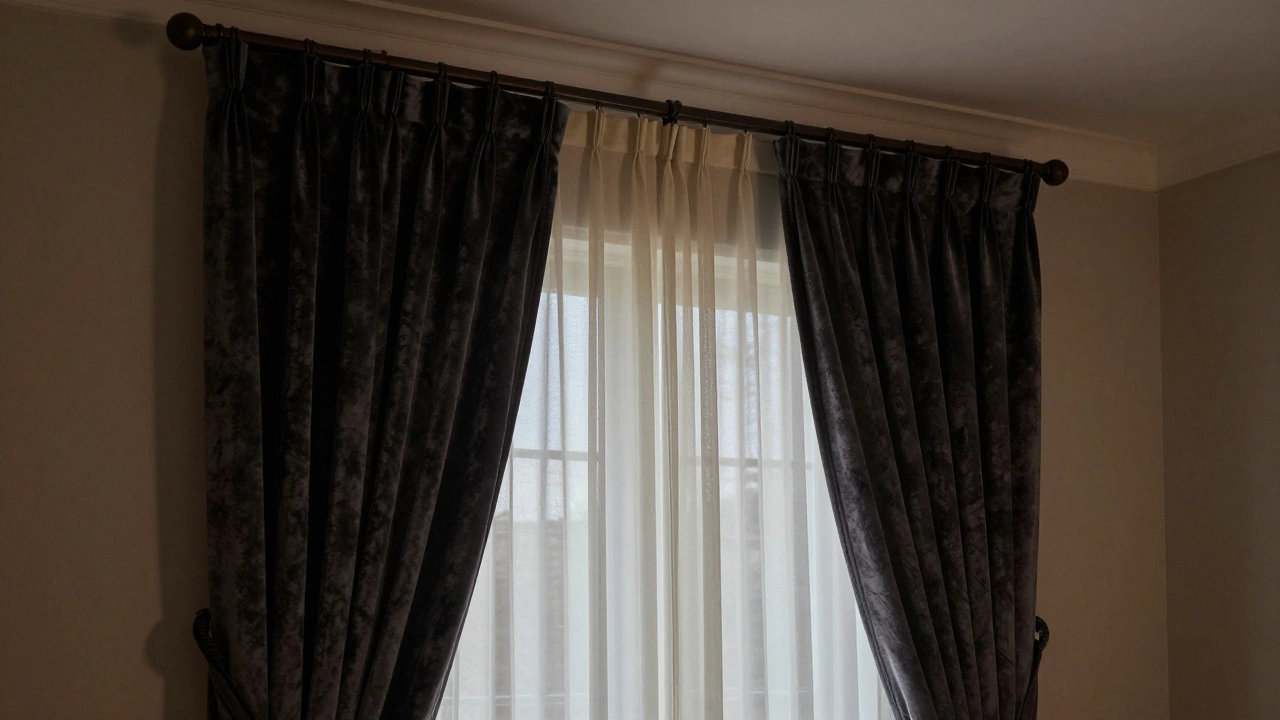
Use the same color family for both. For example, ivory sheers with a warm gray outer panel. Or white linen with a deep charcoal blackout liner. Matching tones make the look intentional, not cluttered.
Hardware Matters More Than You Think
Those cheap plastic brackets and thin metal rods? They ruin even the most expensive fabric. Classy curtains need hardware that feels substantial. Go for brushed brass, matte black, or polished nickel. Avoid chrome-it’s too shiny, too dated. Choose rods with a diameter of at least 1.25 inches. Thinner ones look like they’re about to bend under the weight of the fabric.
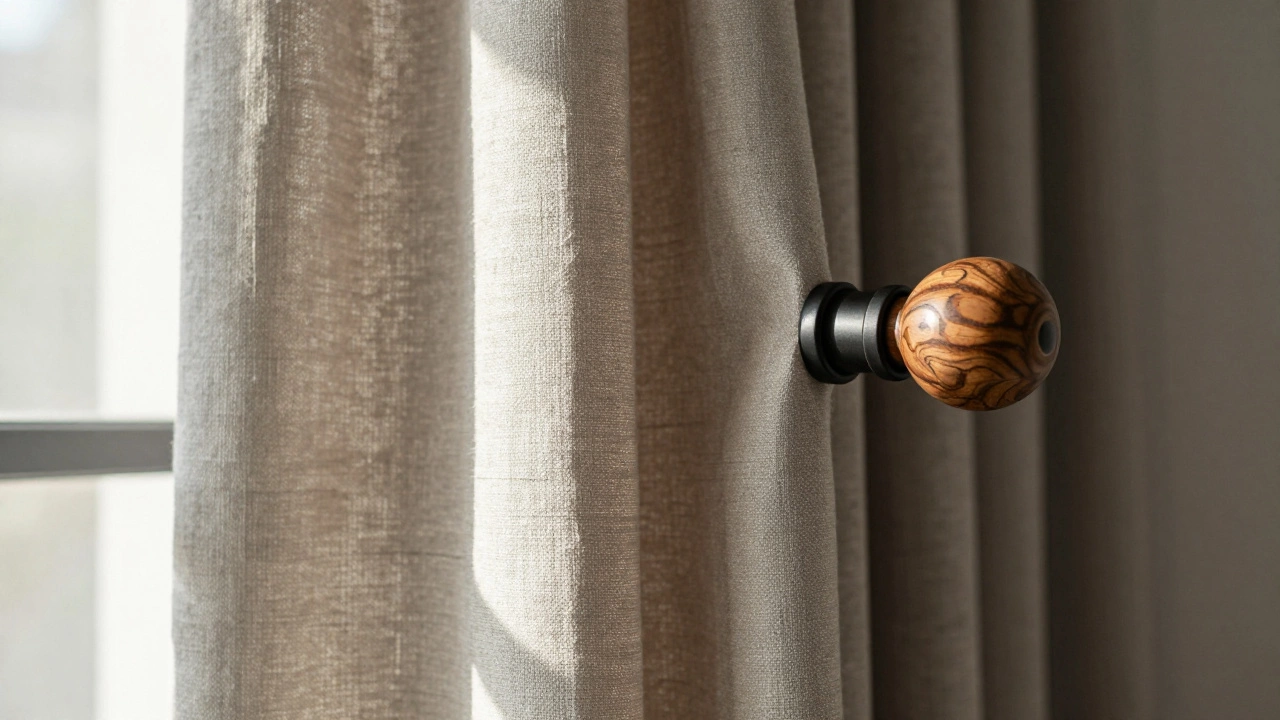
And don’t forget the finials. Those end caps aren’t just decoration. A simple ball, a carved wooden end, or a geometric shape adds personality. Pick one that matches your room’s vibe-minimalist, traditional, or industrial. It’s the detail that makes people pause and notice.
Keep It Clean and Uncluttered
Classy doesn’t mean ornate. Avoid too many patterns, tassels, or tiebacks that look like they came from a 90s catalog. One clean tieback in a matching fabric or a simple rope loop works better than five fringed ones.
Same goes for patterns. A solid color or a very subtle stripe is timeless. If you want texture, go for a linen weave, a jacquard, or a subtle damask. Avoid large florals or busy geometrics-they date quickly and make the room feel smaller.
Lighting Changes Everything
Ever notice how curtains look different at dusk versus midday? That’s because light reveals texture. At night, a heavy velvet curtain looks rich. In daylight, a light linen curtain glows. Use this to your advantage.
Place a small floor lamp near the window. When the curtains are open, the light spills through and makes the fabric look like it’s lit from within. It’s a subtle effect, but it adds a layer of sophistication you can’t fake with price tags.
Match the Room’s Mood
A bedroom needs softness. A living room can handle more structure. A home office? Go for light, airy panels that don’t trap heat. Don’t force a heavy, formal drape into a casual sunroom. And don’t put thin sheers in a dark, moody study. Your curtains should feel like they belong-not like they were borrowed from another room.
Think about the vibe you want: calm, energizing, cozy, bold. Then pick your fabric, color, and layering to support it. A navy curtain in a white room feels intentional. A pale green curtain in a wooden bedroom feels grounded. There’s no one-size-fits-all, but there is a right match for every space.
Don’t Forget the Back
Most people never look behind their curtains. But if you ever open them wide and catch a glimpse of the unlined, faded back, it breaks the illusion. Classy curtains are finished on both sides. If your fabric is sheer, consider a blackout liner in a matching tone. It won’t show, but it’ll stop the sun from bleaching your fabric and keep the room cooler in summer.
And if you’re hanging curtains in a room with lots of direct sun-like a west-facing window-this step is non-negotiable. UV damage fades colors fast. A good liner extends the life of your curtains by years.
Update Them with Purpose
Classy doesn’t mean permanent. But it does mean thoughtful. If your curtains are five years old and look tired, don’t just replace them-ask why. Is the color wrong? Is the length off? Is the hardware rusting? Fix the problem, don’t just swap the fabric.
Try re-hanging them higher. Add a new liner. Switch out the tiebacks. Sometimes, a small change makes them feel brand new. And if you’re moving into a new space? Don’t rush. Live with the windows bare for a few weeks. See how the light moves. Then choose curtains that respond to that rhythm-not just to a trend.
Classy curtains aren’t about being expensive. They’re about being intentional. Every choice-from the fabric to the finial-should feel like it belongs. And when it does, the room doesn’t just look better. It feels calmer. Quieter. More like home.
Do dark curtains make a room look smaller?
Not if they’re hung correctly. Dark curtains can actually make a room feel cozier and more luxurious, especially when paired with lighter walls and layered lighting. The key is to mount them higher and wider than the window. This draws the eye up and out, creating the illusion of space. Dark colors work best in rooms with plenty of natural light or warm artificial lighting.
Should curtains match the walls or the furniture?
They don’t have to match either exactly. Instead, pick a color that harmonizes with both. For example, if your walls are warm white and your sofa is charcoal, a soft taupe curtain ties them together. Think in tones, not exact matches. A curtain that’s one shade lighter or darker than your main furniture color usually reads as intentional and refined.
Is it okay to use the same curtains in every room?
Yes, but only if the fabric and function suit each room. Using the same linen curtain in the bedroom, living room, and office can create a calm, unified look. But don’t use blackout curtains in a sunroom or sheer panels in a home theater. Adjust the lining or layering for function-keep the style consistent, not the material.
How often should I replace my curtains?
With proper care, quality curtains can last 8 to 10 years. But signs it’s time include fading, fraying hems, or if they no longer hang straight. If the fabric feels stiff or looks dull even after cleaning, it’s likely lost its natural texture. Don’t wait until they’re torn-replace them before they start to look worn. It’s cheaper than fixing the damage.
Can I make cheap curtains look expensive?
Absolutely. The biggest upgrade is hardware and installation. Swap out plastic rods for heavy metal ones. Mount them higher and wider. Add a blackout liner if needed. Hem them yourself if they’re too long. Even a simple ironing and steaming can restore drape. You don’t need to buy luxury fabric-you just need to treat them like it.