
The Feminine Version of Daddy: Meaning, Usage, and Variations

Parental Term Selector
Select the scenario or region that best describes your context to find the most authentic feminine equivalent to "daddy".
Mommy
This is the most common affectionate term used in North America.
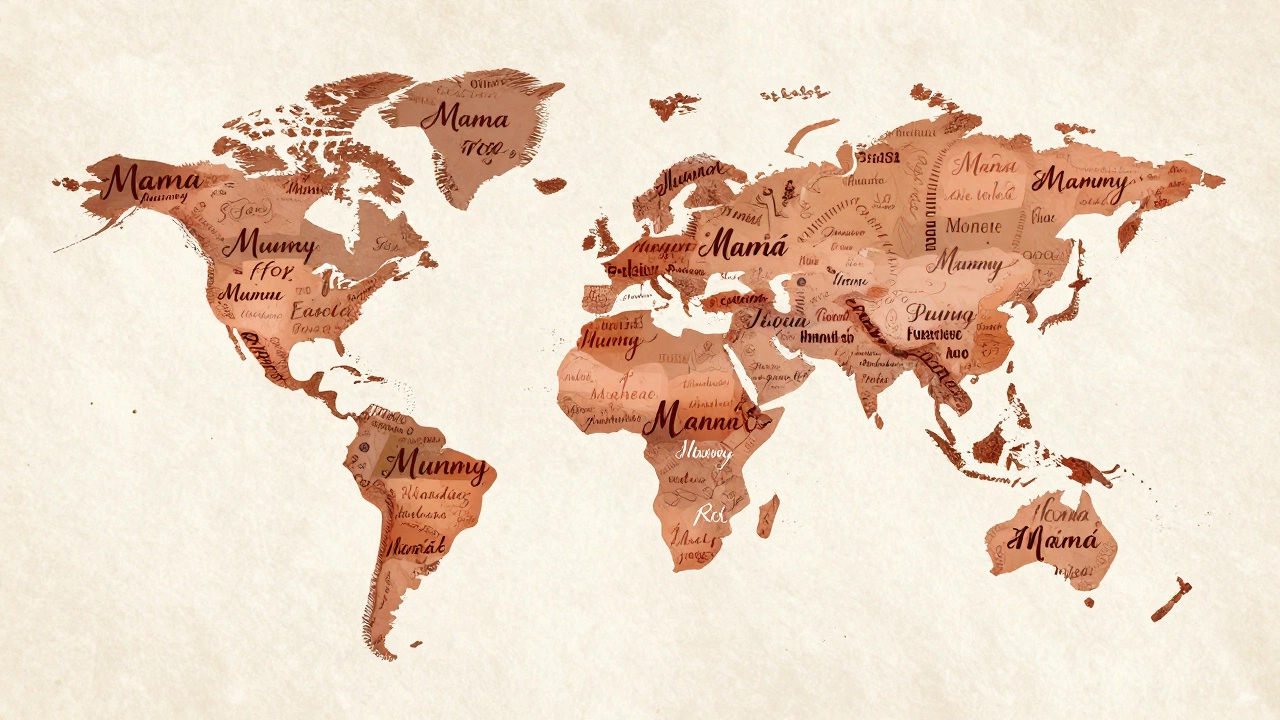
Most people think the answer to "what is the feminine of daddy?" is a simple one-word answer. While "mommy" is the most obvious choice, the way we talk about parents is actually a messy, beautiful mix of culture, emotion, and regional slang. Depending on where you are in the world, the equivalent of a "daddy" might be a "mummy," a "mama," or even something completely different based on how a family views their roles.
Key Takeaways
- The most common direct feminine equivalent to daddy is mommy.
- Regional differences exist, such as "mummy" in British English.
- terms like "mama" often serve as a bridge between infant speech and formal language.
- The choice of word usually reflects the emotional closeness between the child and the parent.
The Direct Answer: Mommy and Mummy
If we look at it strictly from a linguistic perspective, mommy is the diminutive, affectionate term for a mother, mirroring the structure of the word daddy . Both words use the same "-y" suffix, which in English often denotes something small, cute, or intimate. It's what we call a "hypocorism," which is just a fancy way of saying a pet name.
Now, if you're in London or Sydney, you'll likely hear mummy instead. In British English, the spelling "mummy" is the standard. It doesn't change the meaning-it's still the feminine version of daddy-but it does change the vibe. If you use "mommy" in the UK, you're likely echoing American media rather than local tradition.
Beyond the Basics: Mama and Mother
Not every family uses the "-y" ending. Many people gravitate toward mama. This is one of the most universal sounds in human language. Because "ma" sounds are easier for babies to produce than "da" sounds in many cultures, "mama" often becomes the primary feminine identifier long before a child can even say the word "mother."
Then there is the formal term: mother. While "daddy" is a term of endearment, "mother" is a biological and social designation. You wouldn't usually call your parent "mother" during a casual conversation unless you're being intentionally formal or perhaps a bit dramatic. It's the linguistic equivalent of wearing a suit to a backyard barbecue.
| Term | Tone | Primary Region | Relationship Dynamic |
|---|---|---|---|
| Mommy | Affectionate/Childlike | North America | High emotional intimacy |
| Mummy | Affectionate/Childlike | UK, Australia, India | High emotional intimacy |
| Mama | Casual/Universal | Global | Natural/Instinctive |
| Mother | Formal | Global | Respectful/Distanced |
Why the Word Choice Matters
Have you ever noticed how some adults still call their parents "mommy" or "daddy" while others switched to "mom" or "dad" in middle school? The shift in vocabulary often mirrors a shift in the relationship. When a child uses a diminutive like mommy, they are acknowledging a caregiver role. When they move to "mom," they are acknowledging a peer-like or adult relationship while still maintaining the bond.
In some modern contexts, the word "daddy" has taken on slang meanings that have nothing to do with parenting. Because of this, the feminine equivalent in those specific, non-parental contexts is often "mommy" or "mama," but the connotation shifts from caregiving to a dynamic of power or affection. It's a great example of how semantics (the meaning of words) can change completely based on the social setting.
Cross-Cultural Equivalents
If we step outside of English, the "feminine of daddy" becomes even more interesting. In Spanish, the equivalent of "papá" (daddy) is "mamá." The structure is almost identical, reflecting the symmetry between the two parental figures. In French, you have "papa" and "maman." Notice how "maman" adds an extra nasal sound at the end? It softens the word, making it sound even more nurturing.
These patterns aren't accidental. Across most languages, the words for the feminine parent are designed to sound softer, more resonant, and easier for an infant to mimic. While a "daddy" figure is often associated with protection or play in traditional linguistic archetypes, the "mommy" figure is linguistically tied to comfort and nourishment.
Common Pitfalls in Translation
One mistake people make is assuming that every language has a perfect 1:1 mirror for "daddy." Some cultures don't use a specific "cute" version of the word for mother. They might just use the standard word for mother in all contexts, or they might have five different words for "mother" depending on whether they are talking about a biological mother, a step-mother, or a maternal aunt.
For instance, in some East Asian cultures, the term for "mother" changes based on the level of respect being shown to the speaker's own parents versus someone else's parents. In these cases, there isn't just one "feminine of daddy," but a whole spectrum of terms that depend on social hierarchy.
Is "mommy" the only feminine equivalent to "daddy"?
No, while "mommy" is the most direct counterpart in American English, "mummy" is the equivalent in British English, and "mama" is a widely used alternative globally. The term "mother" is the formal equivalent.
Why do we use "-y" at the end of daddy and mommy?
The "-y" or "-ie" ending is a diminutive suffix in English. It is used to create a sense of affection, intimacy, or to indicate that something is smaller or "cuter," which is why it's common in language used by children.
What is the difference between "mama" and "mommy"?
"Mama" is often seen as more primal or instinctive, being one of the first sounds babies make. "Mommy" is a more developed English word that specifically denotes a child's affectionate relationship with their mother.
Does the term "mummy" only refer to parents?
In a linguistic context, no. "Mummy" is a homonym. It can refer to the affectionate term for a mother or to the preserved body from ancient Egypt. Context usually makes the meaning clear.
Are there formal versions of these terms?
Yes. The formal equivalents are "father" for daddy and "mother" for mommy. These are used in legal documents, formal introductions, and academic settings.
What to use in different scenarios
If you are writing a book and want your characters to sound authentic, think about their background. A character from New York might say "my mommy" when they're being playful, but "my mom" in a serious conversation. A character from London would almost certainly say "my mummy."
If you're filling out a form, stick to "Mother." If you're talking to a toddler, "Mama" or "Mommy" is the way to go. The key is to match the word to the emotional energy of the room. Using "mother" in a nursery sounds cold, while calling your boss "mommy" is probably a quick way to get sent to HR.