Do Jews Pray on Rugs? Understanding Jewish Prayer Customs
Jewish vs. Islamic Prayer Customs Comparison
Click on a feature below to see how Jewish and Islamic prayer customs differ in that specific area.
Quick Takeaways
- Jews do not use prayer rugs; prayer is typically done standing or sitting.
- The focus is on facing Jerusalem, not the surface of the floor.
- Special items like the Tallit (prayer shawl) are used instead of floor coverings.
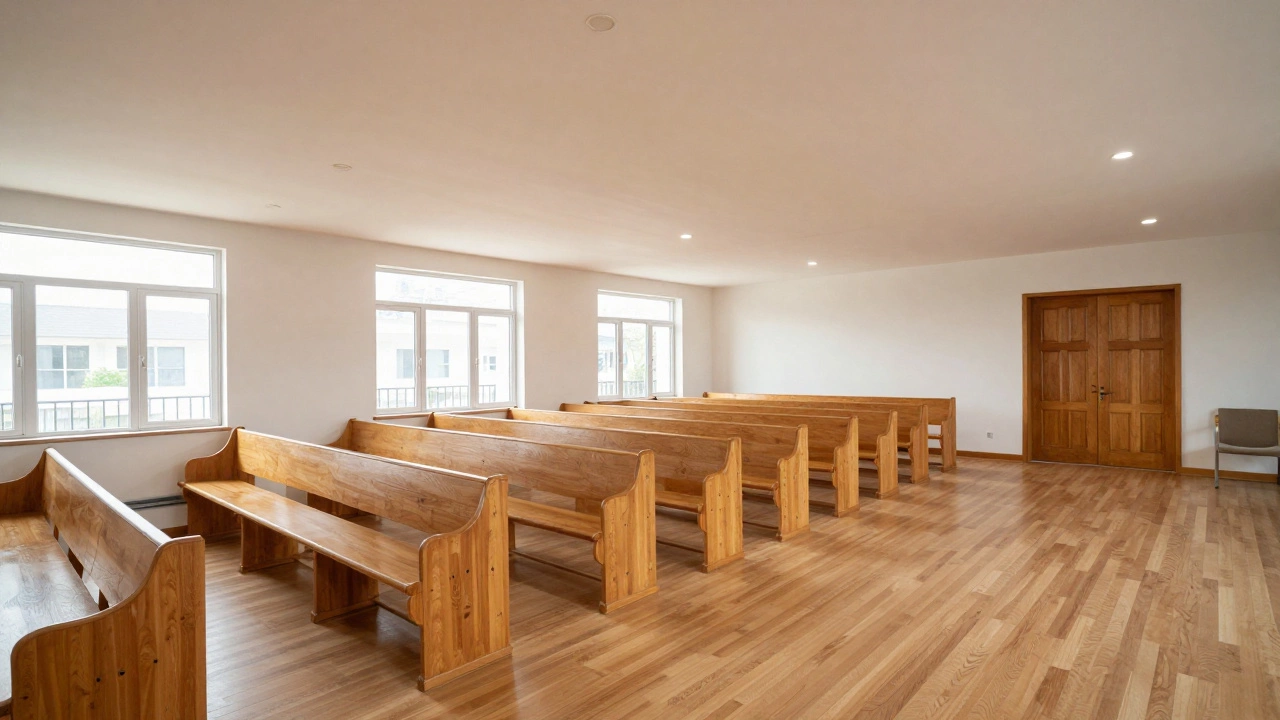
- Synagogues use benches or chairs rather than floor mats for congregational prayer.
Why You Won't Find Prayer Rugs in a Synagogue
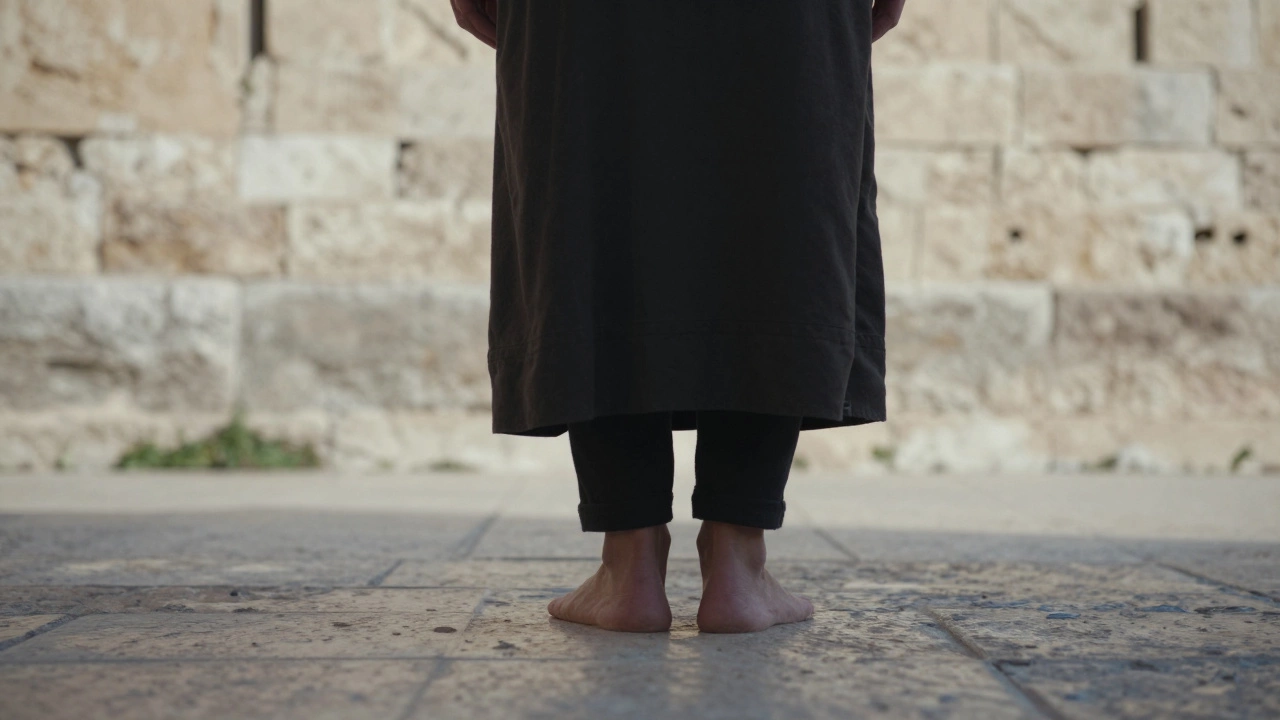
To understand why rugs aren't a thing in Jewish prayer, you have to look at the physical posture of the prayer. In most traditions of Judaism, the primary mode of prayer is standing. When you stand, you don't need a mat to protect your knees or forehead from the ground. While some people might bow or lean forward during specific parts of the service, they aren't performing full prostrations like the Sajdah found in Islam.
In a Synagogue, the layout is designed for communal gathering. You'll find rows of pews, chairs, or benches. The goal is to facilitate reading from a prayer book and standing during the Amidah-the central standing prayer. Since the feet stay firmly on the floor and the body remains upright for the majority of the time, a rug simply doesn't serve a functional purpose.
Does this mean they never pray on the floor? Not necessarily. In moments of extreme grief or intense spiritual plea, some might kneel or bow deeply. However, this is a personal emotional response rather than a ritual requirement that necessitates a specific piece of textile equipment. If a person happens to be on a carpeted floor, they'll use it, but they aren't carrying a portable rug to ensure the ground is "pure" or clean for the sake of the ritual.
The Role of the Tallit: The "Rug" of the Upper Body
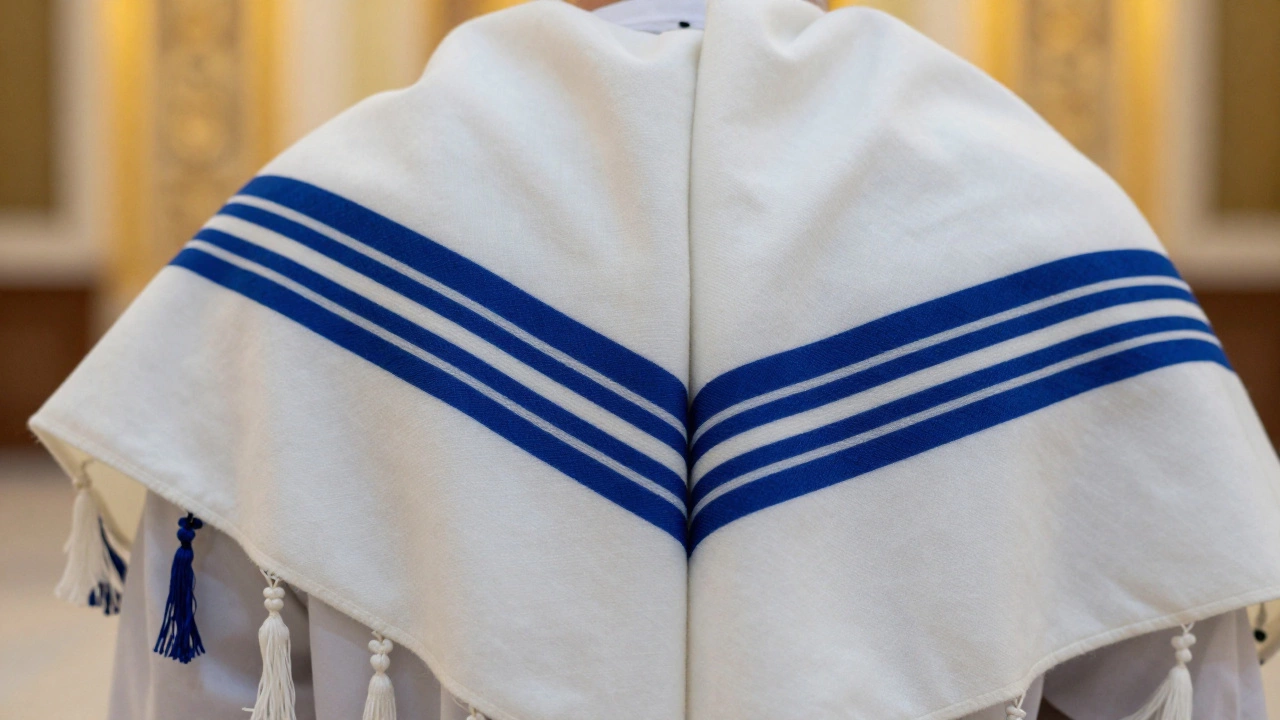
If you're looking for the Jewish equivalent of a "special prayer object" made of fabric, look at the Tallit is a fringed prayer shawl worn by Jewish people, particularly during morning services, symbolizing the 613 commandments of the Torah . Instead of placing a cloth on the ground to separate themselves from the earth, Jews wrap a cloth around their shoulders to create a private, sacred space around their bodies.
The Tallit serves a similar psychological purpose to a prayer rug: it signals that the person is now entering a state of prayer and is transitioning from the mundane world to a spiritual one. While the rug defines a sacred space on the floor, the Tallit defines a sacred boundary around the individual. The fringes, known as Tzitzit, are the most critical part, acting as a constant physical reminder of the divine laws.
| Feature | Jewish Tallit (Shawl) | Islamic Prayer Rug |
|---|---|---|
| Placement | Worn on the shoulders/body | Placed on the floor |
| Primary Purpose | Reminder of commandments | Cleanliness/Comfort for prostration |
| Physical Action | Standing or sitting | Kneeling and bowing |
| Key Characteristic | Fringes (Tzitzit) | Directional markers (Qibla) |
Direction Over Surface: The Focus on Jerusalem
In many religions, where you pray is as important as how you pray. For Jews, the focus is not on the cleanliness of the floor, but on the direction of the heart and body. The orientation is almost always toward Jerusalem, specifically the Temple Mount. This is why you'll see synagogues built facing East (in the West) or the congregation turning in a specific direction during the Amidah.
Because the requirement is directional rather than positional (meaning you don't have to be in a specific physical pose like kneeling), the need for a dedicated floor covering disappears. Whether you are praying on a hardwood floor, a tiled hallway, or a grassy field, the spiritual validity of the prayer depends on your focus and your direction, not the material beneath your feet.
Common Misconceptions and Overlaps
People often assume that all "Middle Eastern" or "Abrahamic" religions share the same prayer tools. Because the Koran and the Torah both originate from the same region, it's easy to conflate their practices. However, the ritual of Sujud (prostration) is a core pillar of Islamic prayer, which makes the rug a necessity for hygiene and comfort. Judaism's prayer structure evolved differently, emphasizing the spoken word and the standing posture.
There is, however, one rare exception. In some very traditional or mystical circles, such as certain Kabbalah practices, practitioners might use cushions or mats if they are spending hours in meditation. But this is an outlier and not a standard part of Jewish law or custom. If you see a Jewish person using a mat, it's likely for comfort during a long period of study or meditation, not as a religious requirement for the prayer itself.
Practical Summary for Visitors
If you're visiting a synagogue for the first time and aren't sure what to expect regarding the floor, here's a quick guide:
- Footwear: In most synagogues, you keep your shoes on. However, in some Orthodox communities, you might see people wearing slippers or removing shoes in specific areas, though this isn't a universal rule.
- Seating: Expect to use a chair or pew. You'll stand up and sit down multiple times during the service.
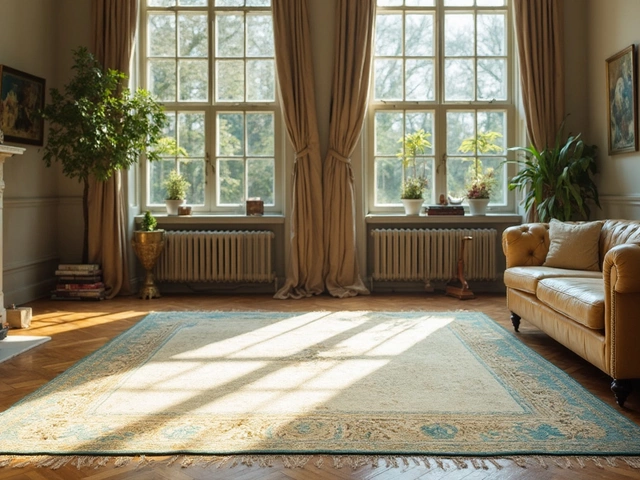
- Floor Coverings: You might see carpets in the aisles for noise reduction or aesthetics, but these are interior design choices, not religious tools.
Do Jews ever kneel during prayer?
Generally, no. Standing is the standard posture for the most important prayers. Kneeling is very rare and usually only happens during times of extreme distress, deep mourning, or in specific historical contexts (like the High Holy Days in ancient times), but it is not a daily requirement.
Is there any specific "holy" ground for Jewish prayer?
The Western Wall in Jerusalem is the most significant site, as it is the closest accessible point to the Holy of Holies. People often pray there, and while they are praying on stone, the ground itself is considered holy, making a rug unnecessary.
What is the difference between a Tallit and a prayer rug?
A prayer rug is a floor covering used for prostration and hygiene. A Tallit is a garment worn over the shoulders to create a spiritual boundary and remind the wearer of God's commandments. One is for the floor; the other is for the body.
Do all Jewish denominations follow these same rules?
Yes, the absence of prayer rugs is consistent across Orthodox, Conservative, and Reform Judaism. While these branches differ on many laws, the physical act of not using floor mats for prayer is universal.
Why do some people confuse the two?
Confusion usually stems from the proximity of Jewish and Muslim cultures in the Middle East. Both religions emphasize prayer and modesty, leading outsiders to assume their physical tools for prayer are the same.
Next Steps for Learning More
If you're interested in how faith shapes the way people use their homes and public spaces, you might want to look into the concept of Kashrut (kosher laws) and how it affects kitchen design. Alternatively, exploring the architecture of ancient temples can give you a better idea of why standing and direction became so important in Jewish tradition. Whether you're decorating a home to be welcoming to all faiths or just curious about cultural differences, understanding these small distinctions helps in building a more inclusive environment.