
Modern Emoji Usage: What It Means for Your Daily Chats
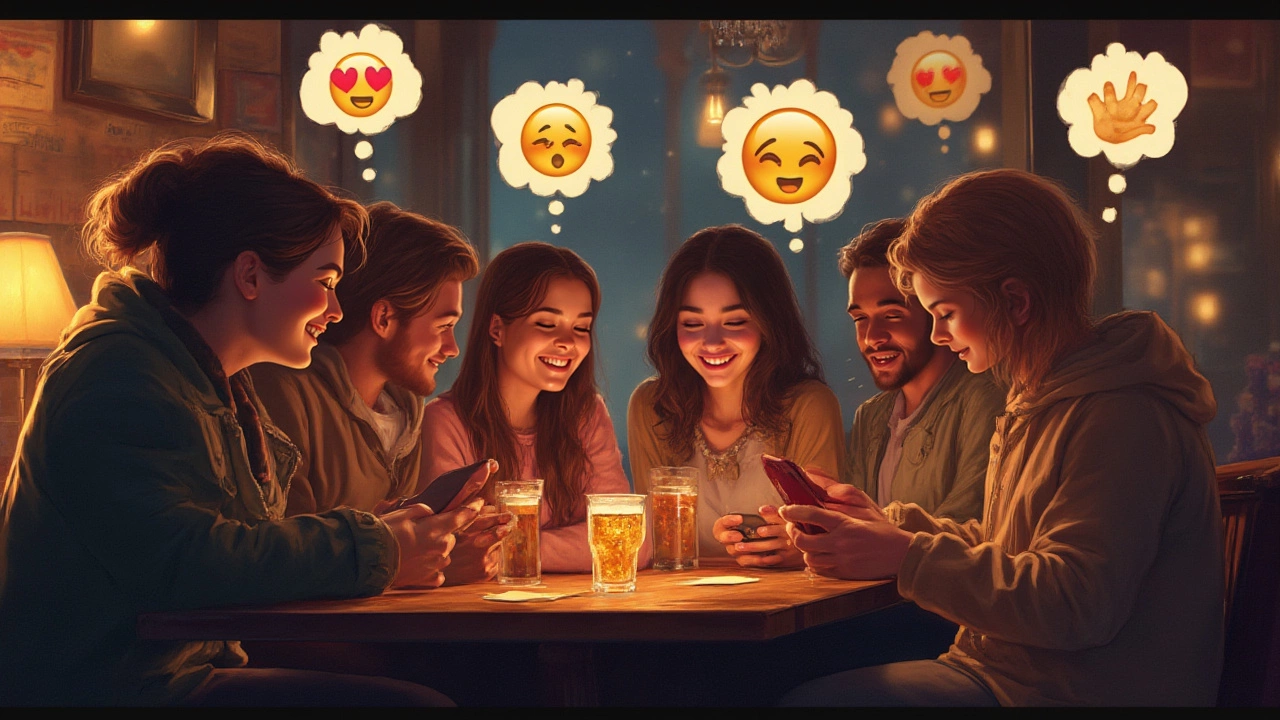
Ever wonder why you see a face with tears of joy more than any other emoji? It’s not random – the way people pick emojis has changed a lot in the last few years. Today, emojis are a shortcut for feelings, a branding tool, and even a way to make text feel more human. If you want to keep up, you need a quick look at the most common habits and why they matter.
Why Certain Emojis Dominate
Data from major messaging apps shows a handful of icons get the most love. The laughing‑crying face, the red heart, and the thumbs‑up are consistently at the top. Why? They’re easy to understand, work in many contexts, and they convey strong emotion without needing extra words. When someone adds a heart after a comment, the message feels supportive and friendly – no extra explanation needed.
Another reason these emojis stick around is cultural relevance. For example, the fire emoji now signals something cool or impressive, while the clapping hands emoji is used to applaud a good idea or achievement. Knowing these shifts helps you read a conversation more accurately.
How Brands Use Emojis
Businesses have jumped on the emoji train to sound relatable. A coffee shop might reply with a ☕️ to a customer’s question, while a tech brand could drop a 🤖 in a product teaser. The trick is to stay authentic – overusing or picking the wrong emoji can feel forced. Most brands follow a simple rule: use emojis that match the tone of the message and the expectations of their audience.
Case studies show that a well‑placed emoji can increase engagement by up to 30%. That’s a big boost for a single character. However, it’s not a magic bullet. If the rest of the content is bland, an emoji won’t save it. Think of emojis as a garnish – they make a dish look appetizing, but the dish still needs good ingredients.
For everyday users, a few practical tips make emoji use smoother. First, keep it simple: one or two emojis per sentence are enough. Second, match the emoji to the context – a celebratory 🎉 works for achievements, not for a serious complaint. Third, be aware of platform differences; the same emoji can look slightly different on iOS and Android, which might affect how it’s read.
Finally, remember that emojis evolve. New icons appear each year, reflecting trends like sustainability (leaf 🌿) or remote work (laptop 💻). Staying current means checking update notes from your favorite apps or following a quick emoji‑trend blog.
Bottom line: modern emoji usage is more than just fun – it’s a fast, visual language that shapes how we connect online. Use the most popular symbols wisely, keep brand voice in mind, and stay up to date with fresh icons. Doing so will make your messages clearer, more engaging, and a lot more human.
What the 🗿 Moai Emoji Means in Texting and Online Chats
Curious about the 🗿 emoji? Dive into its origins, how people use it in messages, why it suddenly popped up, and what it says about online culture.
Categories
- Storage (44)
- Sofas (36)
- Bathroom (29)
- Curtains (26)
- Kitchenware (25)
- Mirrors (22)
- Bedding (19)
- Rugs (17)
- Home Decor (13)
- Cushions (13)
Popular Articles


Tableware vs Dinnerware: Key Differences Explained
Aug, 17 2026