How to Make the Most of Storage in Your Home
Under-Bed Storage Calculator
Measure your space and discover how much you can store under your bed. Based on tips from the article "How to Make the Most of Storage in Your Home"
Storage Capacity
Result will display here
Most people think they don’t have enough storage. But the truth? You probably have more space than you realize-you’re just not using it right.
Stop buying more bins. Start using what you’ve got.
Buying another plastic bin, another shelf, another storage ottoman won’t fix the problem. You’re not short on storage-you’re short on strategy. The goal isn’t to cram more stuff in. It’s to make every inch work harder.
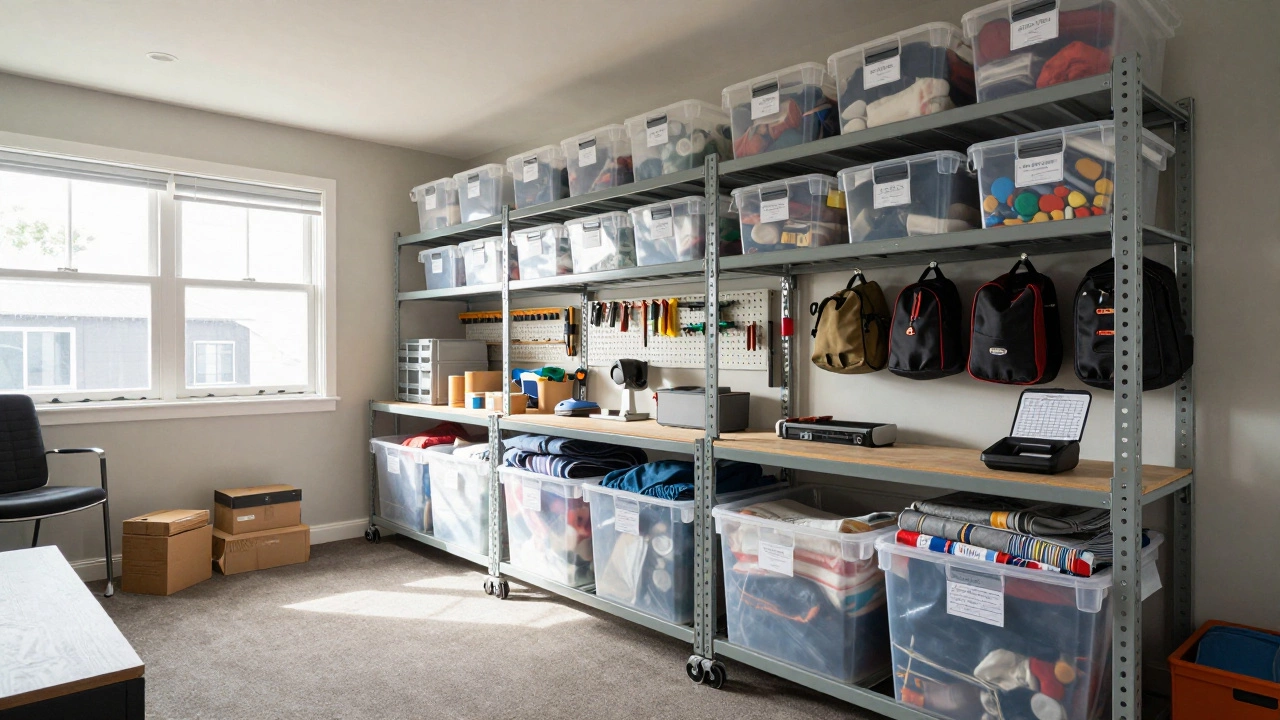
Start by looking at your walls. Not just the empty ones. Think about the space behind doors, under stairs, even the sides of cabinets. In Auckland homes, we often overlook vertical space because we’re used to thinking in floor plans. But the height of your room? That’s free real estate. Install tall shelving units that reach the ceiling. Use wall-mounted racks for pots, tools, or bags. A simple pegboard in the garage or laundry can hold 20+ items without touching the floor.
Under-bed space isn’t just for extra blankets.
That gap under your bed? It’s the most wasted storage zone in the house. You don’t need fancy drawers. Simple, low-profile bins with wheels work better. Slide them out, grab what you need, slide them back. Use them for seasonal clothes, spare linens, or even shoes you only wear twice a year. Measure first-some beds sit 8 inches off the ground. Others are 14. Choose bins that fit snugly without forcing you to lift them out.
Pro tip: Label everything. Not with sticky notes. Use a label maker or printable tags. If you can’t read it from across the room, you won’t remember what’s inside. And if you don’t remember, you’ll buy duplicates.
Turn unused corners into smart zones.
Every home has awkward corners. The one between the fridge and the wall. The space beside the toilet. The nook under the eaves. These aren’t dead zones-they’re opportunity zones.
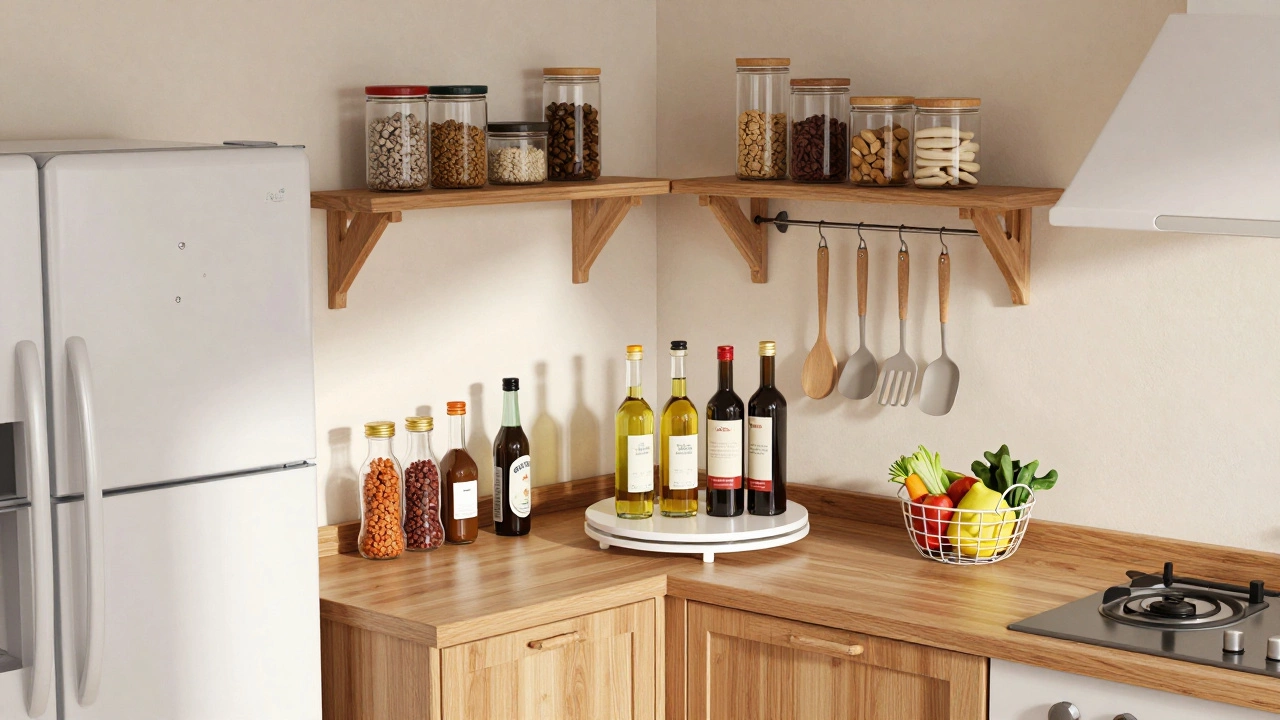
Corner shelves? They’re cheap and easy to install. A slim, L-shaped cabinet can hold cleaning supplies, pantry items, or craft materials. In bathrooms, a corner shelf above the toilet holds towels and toiletries without eating up floor space. In the kitchen, a corner lazy Susan turns a blind spot into quick-access storage for spices or oils.
Don’t force a standard shelf into a weird corner. Custom-fit is better than perfect-looking. IKEA’s PAX system lets you build around obstacles. Or use adjustable shelving like Elfa from The Container Store. They’re modular, so you can change them as your needs shift.
Multi-functional furniture isn’t a trend-it’s a necessity.
Why buy a coffee table and a storage box when you can have one thing that does both?
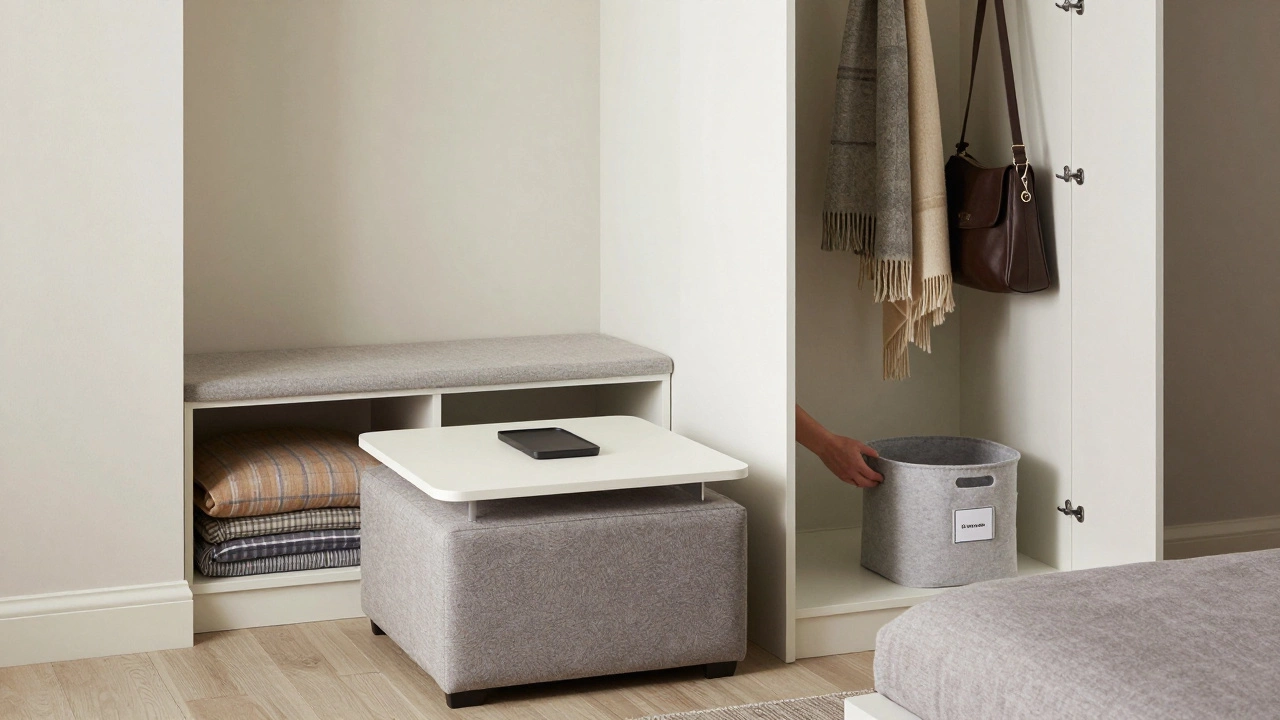
Storage benches at the entryway hold shoes, blankets, and bags. Ottomans with lift-top lids store blankets or board games. Beds with drawers underneath? They’re not luxury items-they’re practical. In small homes, every piece of furniture should earn its place. If it doesn’t store something, it better sit comfortably.
Look at your dining chairs. Can you hang hooks on the back for bags? Can you tuck baskets under the table for napkins and cutlery? Even small tweaks add up. A simple hook on the inside of a closet door can hold belts, scarves, or reusable shopping bags.
Declutter before you organize.
You can’t organize your way out of clutter. You have to shrink it first.
Set a timer for 15 minutes. Pick one drawer. Empty it all onto the floor. Now, sort into three piles: Keep, Donate, Toss. Be ruthless. If you haven’t used it in 12 months, you don’t need it. That sweater you wore once? Gone. The broken toaster from 2018? Gone. The 12 pens you never use? Gone.
Studies show people hold onto things out of guilt, not use. You didn’t waste money-you invested in a memory. But holding onto the object doesn’t keep the memory. Take a photo of sentimental items and let the physical thing go. You’ll feel lighter.
Once you’ve cut the clutter, organize what’s left by frequency of use. Daily items go front and center. Seasonal stuff goes high or deep. Rarely used? Store it where it’s out of the way but still accessible.
Use your ceiling and high walls.
Most people never look up. But the space above your cabinets, in the attic, even the ceiling rafters? That’s storage waiting to be unlocked.
Install overhead racks in the garage for holiday decorations, camping gear, or suitcases. Use ceiling-mounted bike racks if you ride. In the laundry room, hang drying lines from the ceiling. In the kids’ room, use ceiling hooks for hanging baskets with toys.
Don’t forget the top of tall cabinets. That dusty shelf? It’s perfect for items you only use once a year-like Christmas lights or holiday serving platters. Put them in clear bins so you can see what’s inside. Label them clearly: “Xmas Lights - Red & White” beats “Misc.”
Think like a minimalist, even if you’re not one.
You don’t need to live with five t-shirts to make storage work. But you do need to stop accumulating things that don’t serve you.
Before you buy anything new, ask: Where will this live? If you can’t answer that, don’t bring it in. This rule cuts impulse buys in half. And it stops the slow creep of clutter that turns your home into a warehouse.
Try the “one in, one out” rule. Every time you buy a new pair of shoes, donate an old pair. New book? Pass along an old one. It keeps your stuff from growing uncontrollably.
Storage isn’t about hiding things-it’s about making life easier.
The best storage solutions aren’t the prettiest. They’re the ones you actually use. A beautiful wicker basket that’s too heavy to lift? Useless. A simple plastic tub with handles and a lid? Perfect.
Think about your daily routines. Where do you get frustrated? Is it digging through a closet for socks? Is it forgetting where you put the phone charger? Fix those pain points first. Put the charger on the nightstand. Hang socks on a rack inside the closet. Keep a small tray by the door for keys and wallet.
Storage should save time, not create it.
Storage systems that actually work (and where to find them)
You don’t need expensive brands. But you do need durable, simple tools:
- Clear plastic bins with lids - Best for basements, garages, and attics. Stackable, moisture-resistant, see-through.
- Mesh drawer organizers - Perfect for drawers full of socks, underwear, or tools. Keeps things visible and separated.
- Over-the-door hooks - Great for towels, robes, or bags. No drilling needed.
- Adjustable shelving - Like Elfa or IKEA PAX. You can change the height as your needs change.
- Label makers - Not optional. If you can’t read it, you won’t find it.
Buy once, buy well. Cheap plastic bins crack. Thin wire baskets bend. Spend a little more on sturdy materials. They last longer and save you money over time.
What to do when you still feel overwhelmed
If you’ve tried everything and still feel buried under stuff, you’re not failing. You’re just missing one thing: a system.
Start small. Pick one room. One drawer. One shelf. Spend 10 minutes a day on it. Don’t try to do it all at once. Progress beats perfection.
Keep a “donation box” in your closet. Every time you find something you don’t need, put it in. When it’s full, drop it off. No guilt. No delay.
Storage isn’t about having a Pinterest-perfect home. It’s about waking up without stress, finding what you need in seconds, and not dreading opening a closet.
What’s the best way to store seasonal clothes?
Store seasonal clothes in clear, airtight plastic bins with lids. Keep them on high shelves or under the bed. Use cedar blocks or lavender sachets to repel moths. Don’t use vacuum bags-they crush fabrics and can damage seams over time. Label each bin with the season and type of clothing.
How do I stop my pantry from becoming a mess?
Use uniform, clear containers for dry goods like pasta, rice, and cereal. Group items by category: baking, snacks, breakfast. Install pull-out shelves or lazy Susans for deep cabinets. Keep frequently used items at eye level. Check expiration dates every 3 months. If you can’t see the label, it’s too far back.
Is it worth buying storage furniture?
Only if it replaces two or more separate items. A storage ottoman that holds blankets and doubles as a seat? Worth it. A fancy cabinet that just sits there? Not worth it. Focus on function over form. Look for pieces with drawers, lift-tops, or hidden compartments. Avoid anything that requires assembly with 50 screws.
How do I organize a small closet?
Hang clothes by category: shirts, pants, dresses. Use slim, non-slip hangers. Fold bulky items like sweaters and store them on shelves. Install a second hanging rod for shorter items like shirts and skirts. Add hooks on the inside of the door for belts or bags. Keep shoes on a tiered rack or in clear boxes. If you can’t see it, you won’t wear it.
What should I do with sentimental items I can’t let go of?
Take photos of them. Create a digital album or print a small photo book. Keep only the most meaningful physical items-maybe one box total. Let go of duplicates, broken items, or things you only keep because they’re "nice." You don’t need to hold onto the object to hold onto the memory.
Next steps: Pick one thing and do it today
Don’t wait for the weekend. Don’t wait until you have more time. Right now, open one drawer. Empty it. Sort it. Put back only what you use. Close it. That’s it.
Storage isn’t about having more space. It’s about using what you have better. And you already have everything you need to start.