How to Get a Recliner Chair Through Medicare: 2026 Guide

Medicare Recliner Cost & Qualification Estimator
Enter the details below to see what you could owe after Medicare pays its share, and whether your situation is likely to qualify. Estimates assume the standard 80/20 split under Medicare Part B.
Your Estimate
Fill in the details on the left and press Calculate My Estimate to see your projected out-of-pocket cost and qualification notes.
Estimates only. Your actual costs depend on your plan, the exact approved amount, and any prior authorizations. Confirm with your certified DMEPOS supplier.
Imagine sitting in a comfortable chair that helps you stand up without pain. For many seniors, this isn't just a luxury; it's a tool for independence. But when you hear the word Medicare, you might think of hospital bills or doctor visits, not furniture. The truth is, getting a recliner chair covered by insurance is tricky, but possible if you meet specific criteria.
Most people assume Medicare pays for everything that helps them live better at home. That’s a common misconception. Standard Part A and Part B plans have strict rules about what counts as medical equipment. If you’re hoping to walk into a furniture store and use your Medicare card to buy a plush leather recliner, you’ll likely be disappointed. However, if you have a documented medical condition that requires specialized seating, the path opens up. This guide breaks down exactly how the system works, who qualifies, and how to navigate the paperwork without losing your mind.
Understanding What Medicare Actually Covers
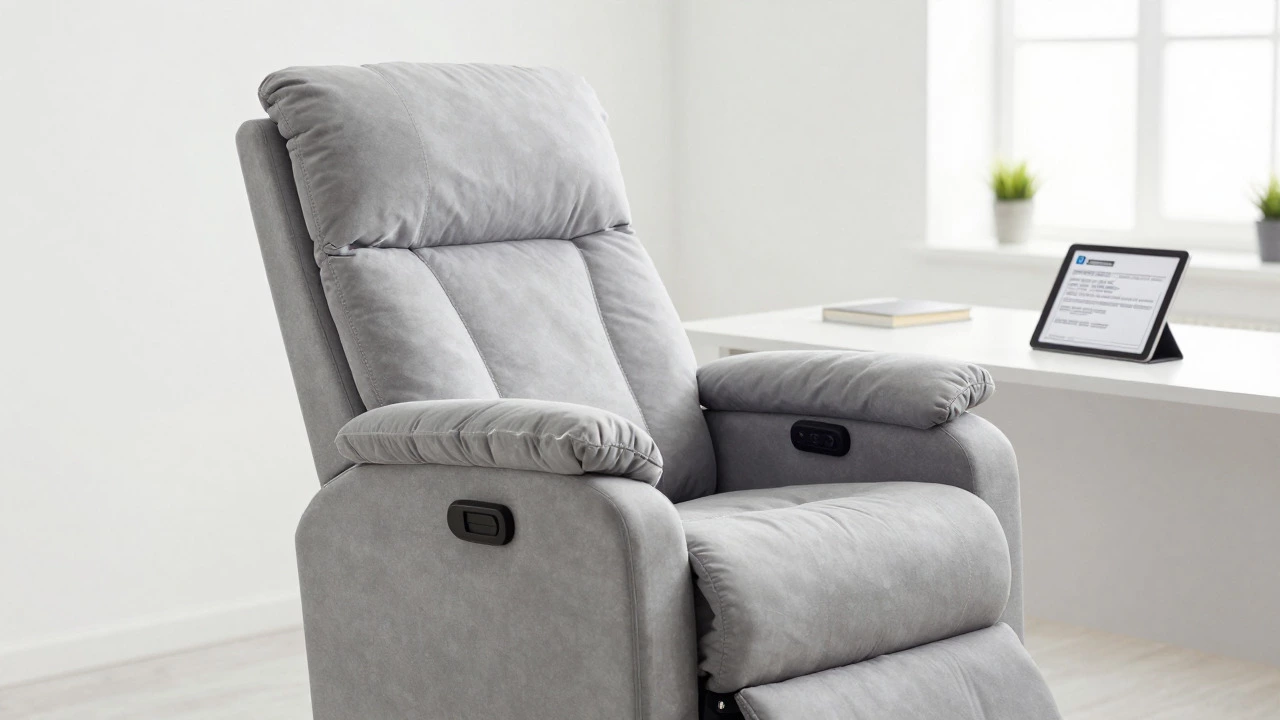
To understand why some chairs are covered and others aren’t, you need to know the difference between standard furniture and Durable Medical Equipment (DME). Durable Medical Equipment refers to reusable items prescribed by a doctor to treat a medical condition in the home setting. A regular wooden chair is furniture. A power-assist recliner with specific therapeutic features can be DME.
The key distinction lies in the function. Does the chair simply make you comfortable? Or does it actively help you manage a medical issue like arthritis, limited mobility, or post-surgical recovery? Medicare looks at the latter. If the chair has features like powered lift mechanisms, adjustable backrests for pressure relief, or armrests designed for easier standing, it crosses the line from lifestyle item to medical device. Without these specific attributes, the cost falls entirely on you.
Meeting the Criteria for Medical Necessity
This is the biggest hurdle. You can’t just ask your doctor for a prescription because you want a nicer seat. Your physician must document Medical Necessity. In plain English, this means your health would suffer if you didn’t have this specific piece of equipment. Common conditions that often qualify include:
- Severe Arthritis: Difficulty standing from a low sofa due to joint pain.
- Post-Surgical Recovery: Limited range of motion after hip or knee replacement.
- Neurological Conditions: Multiple sclerosis or stroke affecting balance and strength.
- Chronic Back Pain: Needing specific angles to relieve spinal pressure.
Your doctor will perform an evaluation. They need to confirm that you cannot safely transfer from a standard chair. This isn’t just a formality; it’s the evidence Medicare uses to approve the claim. If your doctor says "it would be nice," they won’t write the order. They need to say "it is required for safe ambulation."
The Role of Home Health Agencies and Suppliers
You generally can’t buy the chair directly from a big-box furniture retailer and submit the receipt to Medicare. Instead, you usually need to work through a certified supplier. These are companies listed on the DMEPOS (Durable Medical Equipment, Prosthetics, Orthotics, and Supplies) provider list. They handle the billing process, ensuring all codes match Medicare’s requirements.
Working with a specialist supplier offers two main benefits. First, they know which models are currently approved for coverage. Second, they deal with the logistics of delivery and setup, which is crucial if you’re recovering from surgery. While you might find cheaper options online, those retailers often lack the direct billing relationship with Medicare, forcing you to pay upfront and file a reimbursement claim yourself-a process that is notoriously slow and prone to rejection errors.
Step-by-Step Process to Get Approved
Navigating the approval process feels like a maze, but following these steps keeps you on track:
- Schedule a Doctor’s Visit: Tell your primary care physician or specialist about your difficulty standing or moving. Ask specifically if a powered recliner might be medically necessary.
- Get the Prescription: Ensure the prescription specifies the type of equipment needed (e.g., "power-assist recliner with lift mechanism"). Vague prescriptions get rejected.
- Contact a Certified Supplier: Find a local DMEPOS provider. Bring your prescription. They will assess your home environment to ensure the chair fits and functions correctly in your space.
- Wait for Authorization: The supplier submits the details to Medicare for prior authorization. This can take anywhere from a few days to three weeks.
- Delivery and Setup: Once approved, the supplier delivers the chair. They should also demonstrate how to use the controls.
- Pay Your Share: After Medicare processes the claim, you are responsible for the remaining deductible and coinsurance (usually 20% of the approved amount).
Common Pitfalls to Avoid
Many people fail to get coverage not because they don’t qualify, but because of small administrative mistakes. Here are the traps to watch out for:
Buying Before Approval: Never purchase the chair until you have written confirmation of Medicare approval. If you buy first and then try to claim it, you risk paying full price if the claim is denied.
Vague Documentation: If your doctor writes "for comfort," the claim will likely be denied. It must say "for ambulation assistance" or similar clinical terms.
Ignoring the Deductible: Remember that Medicare Part B has an annual deductible. If you haven’t met it yet, you might owe more than the standard 20% co-pay initially. Check your year-to-date spending before proceeding.

Comparison: Standard vs. Covered Recliners
It helps to see the differences side-by-side. Not every feature adds value for insurance purposes. Here is how typical features stack up against Medicare requirements:
| Feature | Standard Furniture Recliner | Medicare-Qualifying DME Recliner |
|---|---|---|
| Mechanism Type | Manual lever or pull-tab | Powered motorized lift or assist |
| Primary Purpose | Comfort and relaxation | Ambulation aid and pressure relief |
| Prescription Required? | No | Yes, from a licensed physician |
| Supplier Requirement | Any retailer | Certified DMEPOS Provider |
| Typical Cost Coverage | 0% (Out-of-pocket) | 80% after deductible |
What If Medicare Says No?
Denials happen. Sometimes the documentation is missing, or the reviewer thinks a standard chair would suffice. If this occurs, don’t panic. You have the right to appeal. Your supplier can usually help file an initial redetermination request. This involves resubmitting the case with stronger evidence, perhaps including a physical therapy note detailing your specific limitations. Many appeals succeed when the initial claim was just poorly worded rather than genuinely ineligible.
If the appeal fails, consider alternative funding sources. Some supplemental Medicare plans (Medigap) cover more of the cost. Others, like Medicare Advantage plans, may have different rules or bundled benefits. Always check your specific plan documents, as coverage varies significantly between providers.
Frequently Asked Questions
Does Medicare cover any recliner chair?
No. Medicare only covers recliners that are classified as Durable Medical Equipment (DME). This typically means chairs with powered lift mechanisms or specific therapeutic adjustments prescribed for a medical condition. Standard manual recliners are considered furniture and are not covered.
Who prescribes a Medicare-covered recliner?
A licensed physician, such as your primary care doctor, orthopedic specialist, or physical therapist (in some cases), must prescribe the equipment. The prescription must clearly state the medical necessity and the specific type of chair required.
Can I buy the chair myself and get reimbursed?
Technically yes, but it is risky. Most experts recommend buying from a certified DMEPOS supplier who bills Medicare directly. If you buy independently, you must keep all receipts and submit them for reimbursement, which can take months and is frequently denied if paperwork is imperfect.
How much do I pay out of pocket?
After meeting your annual Part B deductible, Medicare typically pays 80% of the approved amount. You are responsible for the remaining 20% coinsurance. If you have a Medigap policy, it may cover some or all of that 20%.
How long does the approval process take?
The timeline varies. Prior authorization can take anywhere from 5 to 21 business days. Delivery usually follows within a week of approval. Factor in time for the doctor’s visit and supplier assessment, so plan several weeks ahead.