What is Bedding Classed As? A Guide to Retail Categories, Tax Codes, and Home Essentials
Bedding Classification Identifier
Item Details
Enter details to see how your bedding is classified across different sectors.
Have you ever stared at a receipt or an inventory spreadsheet and wondered where your duvet cover actually belongs? It’s not furniture. It’s not clothing. So, what is bedding classed as? The answer depends entirely on who is asking. To a retailer, it’s soft furnishings. To the tax man, it might be a capital expense. To a customs officer, it’s a specific type of textile import. Understanding these classifications isn’t just semantic trivia; it affects how you buy, sell, insure, and even write off your home essentials.
We tend to think of our bedroom items as a single unit-the "bed set." But legally, commercially, and industrially, that set is broken down into distinct categories with different rules, materials, and purposes. Let’s clear up the confusion by looking at exactly how bedding is classified across different sectors.
The Retail Perspective: Soft Furnishings vs. Hard Furnishings
In the world of interior design and retail, the biggest divide is between "hard" and "soft" furnishings. This distinction helps stores organize their floors and helps designers plan their budgets.
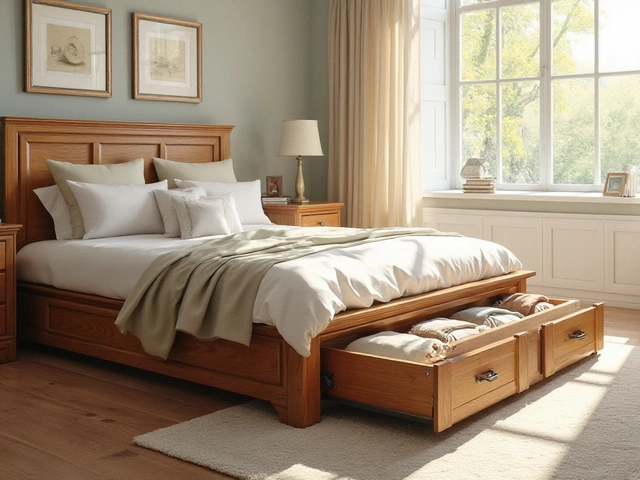
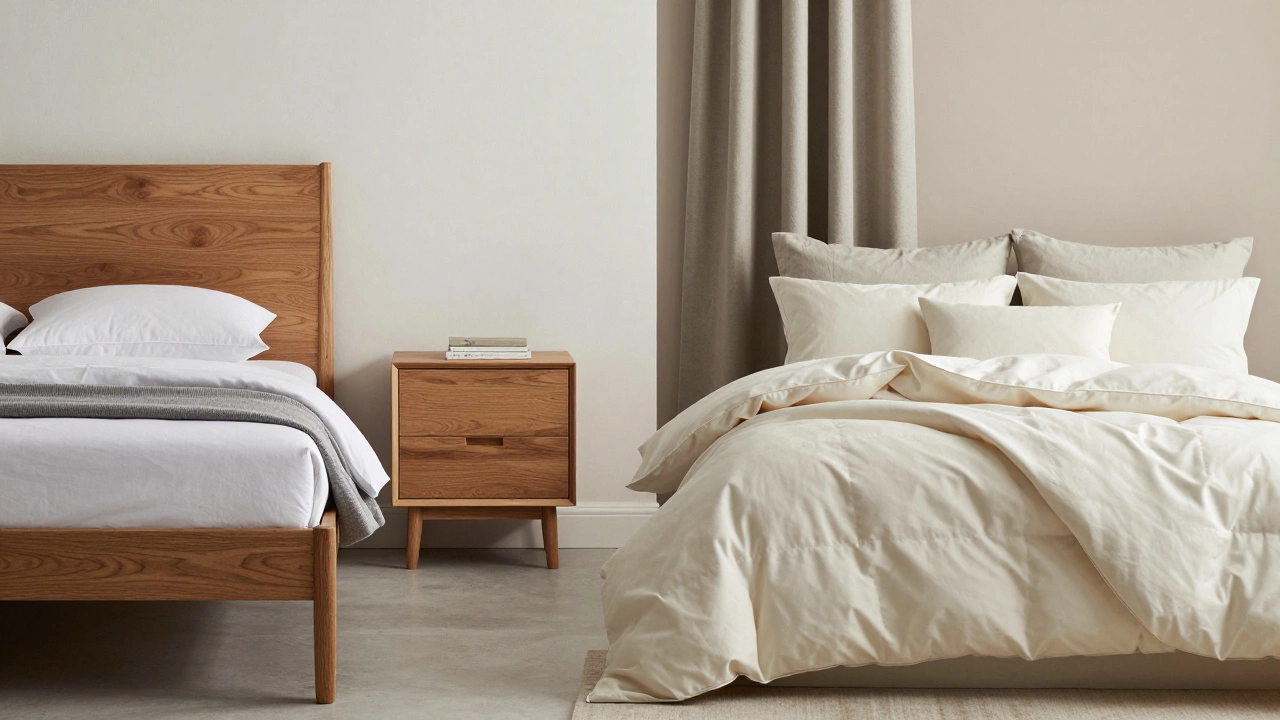
Bedding falls squarely into the soft furnishings category. Unlike hard furnishings-which include sofas, beds, tables, and chairs-soft furnishings are flexible, washable, and often seasonal. You don’t replace your bed frame every three years because it went out of style, but you might swap your heavy winter duvet for a lightweight summer sheet set.
This classification matters when you are shopping. If you are looking for durability and structure, you are in the hard furnishing aisle. If you are looking for texture, color, and comfort, you are browsing soft furnishings. In large department stores, bedding is often grouped with "Home Textiles" rather than "Furniture," reinforcing this separation.
The Industrial View: Woven vs. Non-Woven Textiles
If we dig deeper into manufacturing, bedding is classed as a household textile product. This broad category includes everything from towels to tablecloths. However, within textiles, there is a further split based on construction:
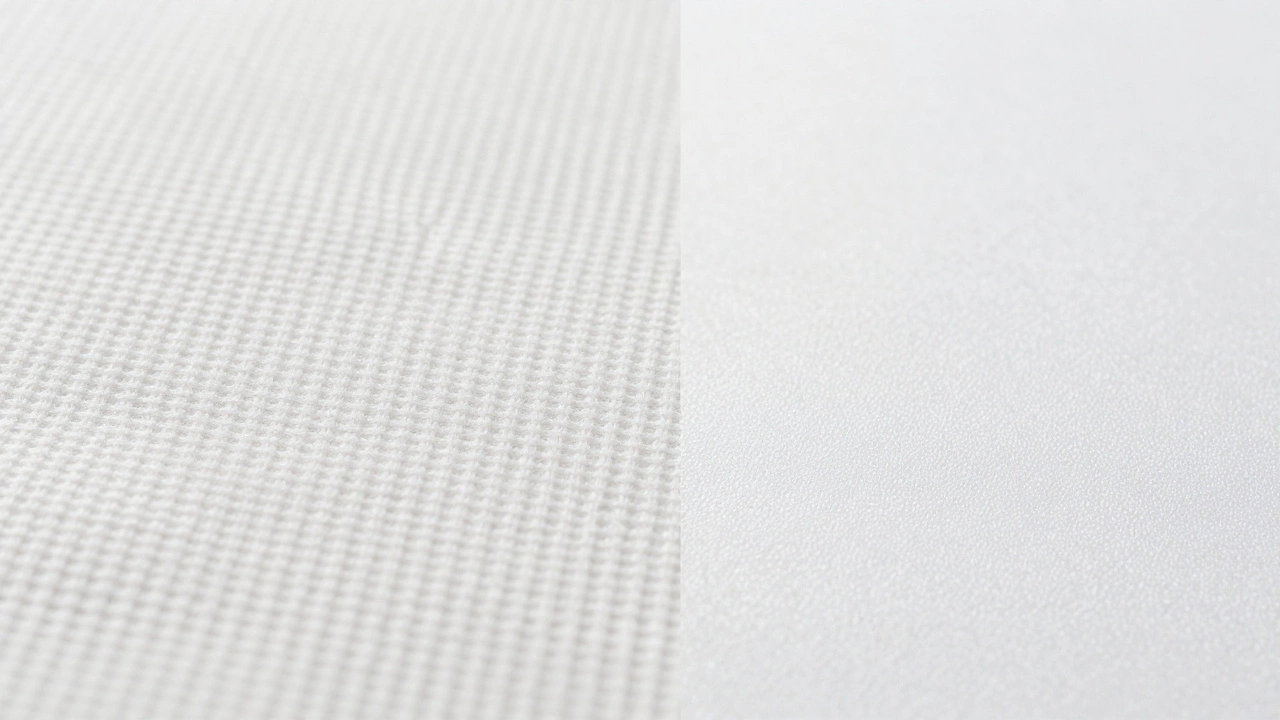
- Woven Textiles: Most traditional sheets, pillowcases, and duvet covers are woven. This means threads (warp and weft) are interlaced on a loom. Cotton percale and sateen are classic examples. These are durable and breathable.
- Non-Woven Textiles: Some modern mattress protectors, waterproof liners, and disposable hospital bedding use non-woven fabrics. These are made by bonding fibers together using heat, pressure, or chemicals. They are less breathable but highly functional for barrier protection.
Knowing whether your bedding is woven or non-woven helps you understand its care instructions. Woven cotton can usually handle high-heat washing, while many non-woven synthetic blends require gentle cycles to maintain their integrity.
Tax and Accounting: Capital Asset or Consumable?
For business owners, landlords, and freelancers working from home, the classification of bedding changes again. Here, the question is financial: Is it a capital asset or a consumable expense?
In most jurisdictions, individual items like a pillowcase or a single sheet are considered consumables or minor repairs. They wear out quickly and are replaced frequently. You can typically deduct these costs immediately in the year they are purchased.
However, high-end bedding sets provided in a short-term rental (like an Airbnb) or a corporate dormitory might be classed as furnishings and fittings. If the value is significant and the lifespan is expected to be several years, some accountants may advise treating them as capital assets. This means you depreciate the cost over time rather than writing it all off at once. Always check with a local tax professional, as rules vary significantly between countries.
| Item | Typical Classification | Deductibility Strategy |
|---|---|---|
| Sheet Set (Cotton) | Consumable / Minor Repair | Immediate deduction |
| Mattress Protector | Consumable / Maintenance | Immediate deduction |
| Luxury Duvet Set (Rental Property) | Furnishing / Capital Asset | Depreciation over 3-5 years |
| Bed Frame | Hard Furnishing / Capital Asset | Depreciation over 7-10 years |
Customs and Trade: HS Codes for Importers
If you are importing bedding from overseas, the classification becomes very technical. International trade uses the Harmonized System (HS) codes to classify products for tariff purposes. Bedding is generally found under Chapter 63 of the HS code system, which covers "Made up textile articles; wearing apparel; accessories."
Specifically, most bedding items fall under HS Code 6302: "Bed linen, table linen, toilet linen and kitchen linen." This chapter is further broken down by material:
- 6302.10: Towels and similar bath/toilet articles (not strictly bedding, but often grouped).
- 6302.21: Sheet sets of cotton.
- 6302.22: Other sheeting of cotton.
- 6302.31: Sheet sets of synthetic fibers.
- 6302.39: Other sheeting of synthetic fibers.
- 6302.40: Of other textile materials (e.g., linen, silk, wool).
Duvets and comforters sometimes face ambiguity. Are they "made up articles" or "articles of apparel"? Usually, they are classified under 6301 (Travellers' bags, suitcases, and similar containers; mattresses, mattress supports, cushion fillings and similar furnished articles). Specifically, quilts and eiderdowns often fall under 6301.30. Getting this wrong can lead to unexpected tariffs or customs delays.
Insurance: Contents vs. Structure
When filing a home insurance claim, understanding how bedding is classed can speed up your payout. Insurance policies typically divide coverage into two main buckets: Buildings and Contents.
Bedding is unequivocally classed as contents. It is personal property that sits inside the building. If a fire destroys your house, the "Buildings" policy covers the walls and roof. The "Contents" policy covers your sheets, pillows, and duvets. Make sure your contents valuation includes an accurate estimate for your bedroom textiles. People often underestimate the cost of replacing a full set of high-thread-count sheets and a quality down duvet.
Sustainability and Waste Management
In the context of recycling and waste management, bedding is classed as textile waste. However, not all textile waste is treated equally. Natural fiber bedding (cotton, linen, bamboo) is biodegradable and can sometimes be composted if free from chemical treatments and synthetic blends. Synthetic bedding (polyester, microfiber) contributes to microplastic pollution and is harder to recycle.
Many charities accept used bedding for donation, classing it as "reusable household goods." However, hygiene standards are strict. Stained or heavily worn bedding is often rejected and sent to landfill. When disposing of old bedding, consider whether it can be repurposed as pet bedding or cleaning rags before discarding it.
Why Classification Matters for Your Purchase
So, why should you care about how bedding is classed? Because these categories dictate quality standards, care requirements, and pricing structures.
When you buy "soft furnishings," you expect flexibility and aesthetic appeal. When you buy "household textiles," you expect durability and washability. By understanding these labels, you can make smarter choices. For example, if you need something hypoallergenic and easy to clean, look for products classed as "medical-grade textiles" or "non-woven barriers." If you want luxury, look for "woven natural fibers" like Egyptian cotton or Tencel.
Next time you shop for a new duvet cover, remember: you aren’t just buying a piece of cloth. You are investing in a soft furnishing, a household textile, and a content item that deserves proper care and classification.
Is bedding considered furniture?
No, bedding is not considered furniture. Furniture refers to movable objects such as tables, chairs, and beds themselves. Bedding is classed as "soft furnishings" or "household textiles" because it consists of fabric items like sheets, blankets, and pillows that rest on top of the furniture.
Can I claim bedding as a tax deduction for my rental property?
Yes, but the method depends on the cost and lifespan. Low-cost items like sheet sets are usually treated as immediate expenses (consumables). High-value items like luxury duvet sets may need to be depreciated over several years as capital assets. Consult a local accountant for specific advice in your region.
What is the difference between woven and non-woven bedding?
Woven bedding is made by interlacing threads on a loom (like cotton sheets), offering breathability and durability. Non-woven bedding is made by bonding fibers together (like some waterproof mattress protectors), offering barrier protection but less breathability.
How is bedding classified for customs and shipping?
For international trade, bedding is classified under HS Code 6302 (Bed linen) for sheets and covers, and often under HS Code 6301 for quilts and eiderdowns. The specific sub-code depends on the material, such as cotton, synthetic fibers, or other textile materials.
Is bedding covered by home insurance?
Yes, bedding is classed as "contents" in home insurance policies. This means it is covered against risks like fire, theft, and water damage, separate from the building structure itself. Ensure your contents valuation accurately reflects the replacement cost of your bedroom textiles.