What Is a Very Small Sofa Called? Names, Types & Buying Guide
Small Sofa Finder & Guide
You’ve got that awkward corner in your Auckland flat. It’s too big for a chair, but way too small for the three-seater you saw at the showroom. You start scrolling online, typing queries like what is a very small sofa called, hoping for a specific term to help your search. The truth? There isn’t just one name. Depending on where you live and who you ask, that tiny piece of furniture might be called a loveseat, a settee, an armchair with ottoman, or even a "two-seater." This naming confusion makes shopping harder than it needs to be.
If you’re trying to furnish a studio apartment, a home office nook, or a hallway entryway, knowing the right terminology saves you time and money. Search engines reward specificity. If you search for "sofa," you get massive living room centerpieces. If you search for "loveseat," you get exactly what fits through your narrow stairwell. Let’s break down the actual names, the differences between them, and how to pick the right one for your space without guessing.
The Big Three: Loveseat, Settee, and Armchair
When people ask about small sofas, they are usually looking for one of three things. Understanding the distinction helps you filter results instantly.
Niche Terms You Might Encounter
Beyond the main categories, furniture catalogs use specific terms for ultra-compact seating. Knowing these unlocks hidden inventory.
- Chair-and-a-half: This is a transitional piece. It’s wider than a standard armchair (usually 35-45 inches) but narrower than a loveseat. It’s perfect for reading nooks. If you want to lie down slightly diagonally but don’t have room for a full sofa, this is your answer.
- Futon: Often confused with cheap dorm furniture, a high-quality futon frame with a thick mattress can serve as a small sofa by day and a guest bed by night. Look for "bi-fold" or "tri-fold" frames. These are critical for studios where floor space is premium real estate.
- Divan: Common in the UK and increasingly in NZ, a divan is a backless or low-backed sofa, often with storage underneath. It’s essentially a couch base. Without arms, it has a smaller visual footprint, making a room feel larger. However, it offers less lumbar support unless you add cushions.
- Tête-à-tête: A rare, antique form consisting of two facing chairs connected by a shared backrest. You’ll rarely find new ones, but if you’re hunting vintage, this is the ultimate "small sofa" for two people conversing intimately.
How to Measure Your Space Correctly
Naming matters, but dimensions matter more. Many buyers make the mistake of measuring the wall length and buying a sofa that matches it. That leaves zero room for movement. Here’s the rule of thumb used by interior designers in Auckland’s older villas and new apartments alike:
- Measure the Wall: Get the exact length of the space where the sofa will sit.
- Subtract 10%: Leave breathing room on both ends. If your wall is 6 feet (72 inches), look for a sofa max 65 inches wide.
- Check Depth: Standard sofas are 35-40 inches deep. For small rooms, aim for 30-34 inches. This creates a crucial walkway behind the sofa.
- Verify Doorways: Before ordering, measure the width and height of every doorway, stairwell, and elevator your sofa must pass through. Add 2 inches for padding. A 50-inch loveseat won’t fit through a 30-inch door if it’s rigid.
| Type | Avg Width (Inches) | Avg Depth (Inches) | Best For | Seating Capacity |
|---|---|---|---|---|
| Standard Armchair | 30-35 | 32-38 | Corners, Reading Nooks | 1 Person |
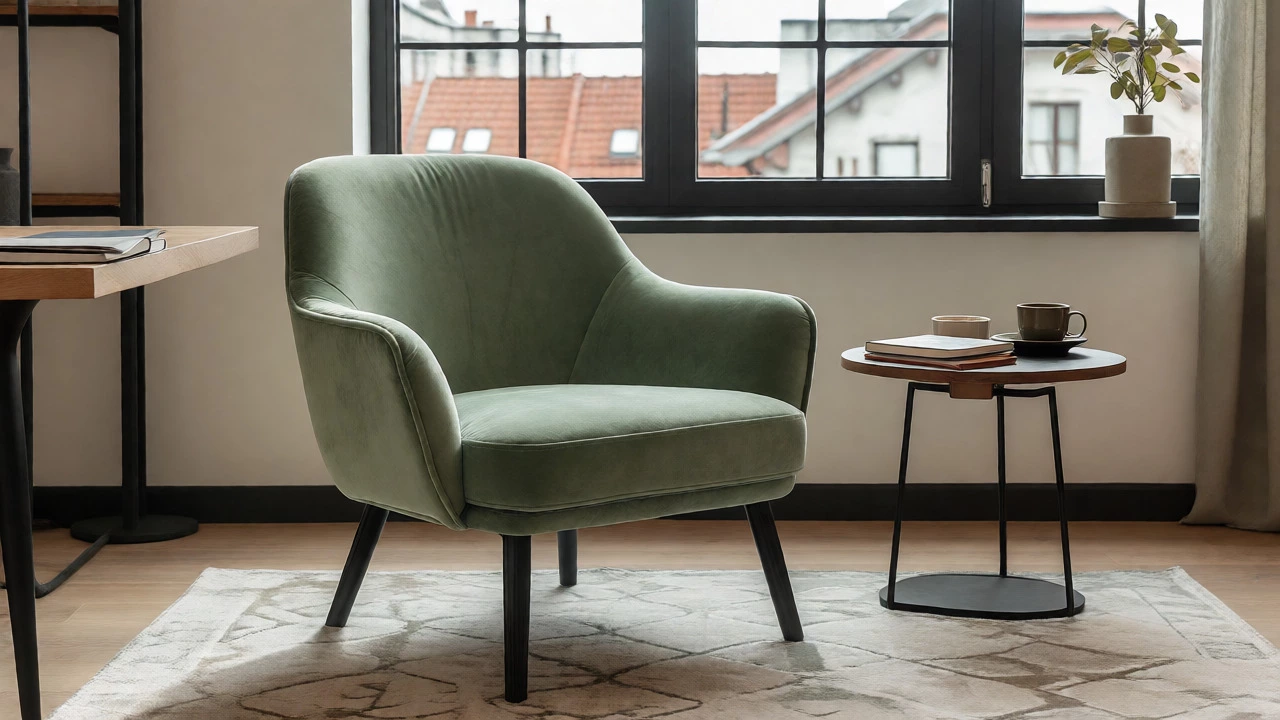
| Chair-and-a-Half | 35-45 | 34-38 | Small Bedrooms, Offices | 1 Adult + Child/Pet |
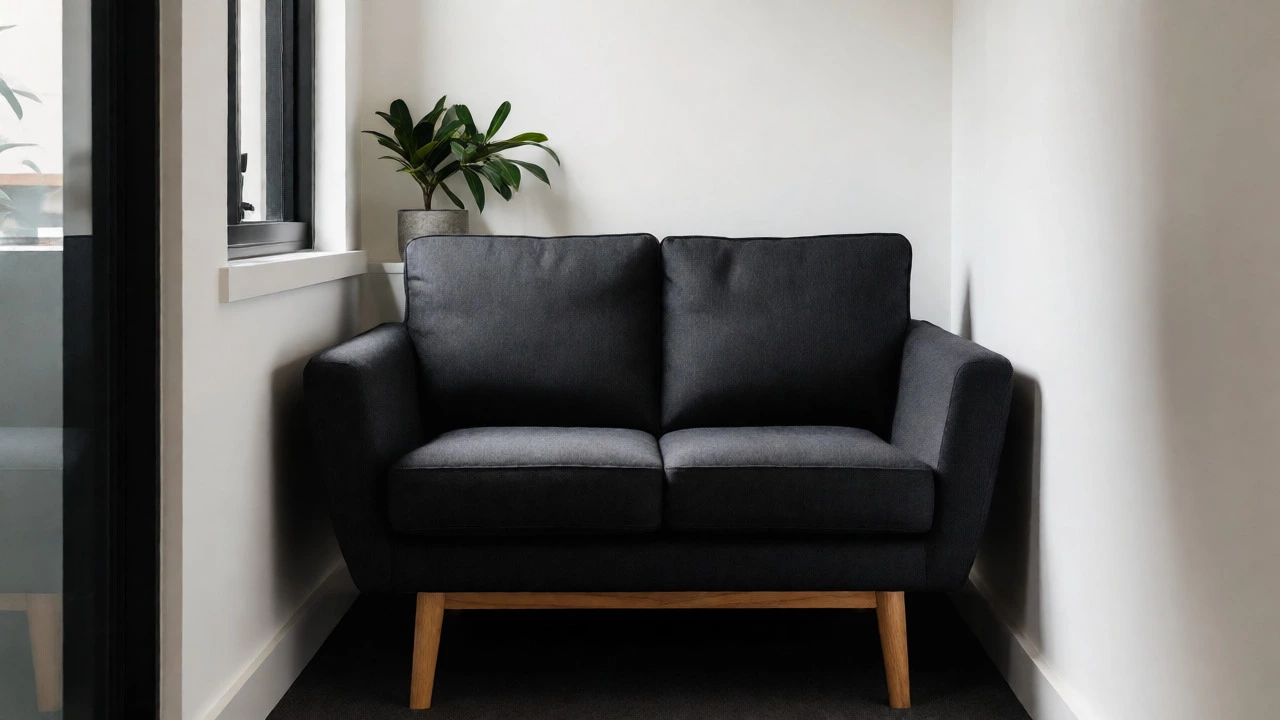
| Loveseat / Two-Seater | 48-60 | 32-36 | Apartments, Hallways | 2 Adults |
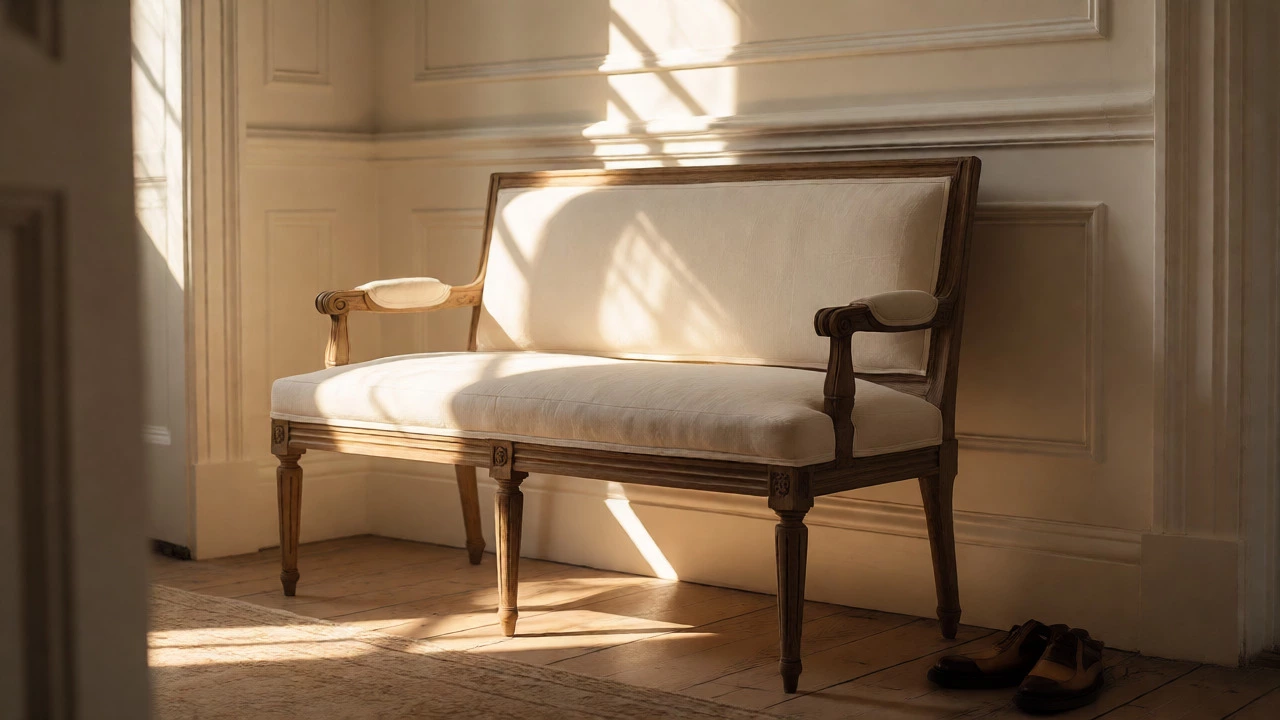
| Settee | 48-60 | 28-32 | Formal Rooms, Entryways | 2 Adults |
| Futon Frame | 50-60 | 35-40 (open) | Dual-use Guest Spaces | 2 Adults / 1 Bed |
Style Matters: Why "Small" Doesn't Mean "Cheap"
There’s a misconception that small sofas are inferior or temporary. Not true. High-end brands like Natuzzi or local NZ makers craft bespoke loveseats using solid hardwood frames and top-grain leather. The challenge with small sofas is proportion. A bulky armrest eats up valuable seating width. When shopping, look for "track arms" (square, thin arms) or "recessed legs." These design choices maximize the usable surface area within a smaller footprint.
Consider fabric durability. If your small sofa is in a high-traffic hallway, velvet might show wear quickly. Performance fabrics like Crypton or Sunbrella are better investments. Also, check the cushion fill. Foam retains shape better than feather-down in smaller pieces, which tend to sag faster if over-stuffed. For a compact sofa, firmness equals longevity.
Common Mistakes When Buying Compact Seating
I’ve seen countless people regret their purchases because they ignored practical constraints. Here’s what to avoid:
- Ignoring Scale: A tiny sofa in a huge empty room looks like a toy. Balance it with a rug that extends under the front legs. This anchors the piece visually.
- Forgetting Storage: In small spaces, every inch counts. Some loveseats come with hidden storage compartments under the seat. If you’re storing blankets or gaming consoles, prioritize this feature.
- Overlooking Legs: Exposed legs (wooden or metal) create a sense of openness. Floor-skimming skirts make small rooms feel cramped. Always choose visible legs for compact furniture.
- Buying Online Without Samples: Colors look different on screens. Order fabric swatches before committing. A "grey" loveseat might read as blue or green depending on your lighting conditions.
Where to Use Your Very Small Sofa
Once you know what is a very small sofa called and have picked the right type, placement is key. Here are three unconventional spots where these pieces shine:
The Home Office: Instead of a second desk chair, place a chair-and-a-half against the wall. It provides comfortable seating for video calls or reading reports without dominating the room.
The Bedroom Footboard: A slim settee at the end of the bed adds luxury and functionality. It’s a place to put on shoes or fold laundry, keeping clothes off the duvet.
The Dining Room Bench: Replace one side of dining chairs with a built-in or freestanding banquette-style sofa. This saves space and allows more guests to squeeze around the table.
Is a loveseat the same as a two-seater?
Functionally, yes. Both terms describe a sofa designed for two people. "Loveseat" is the traditional American English term, while "two-seater" is more common in British English, Australian, and New Zealand retail contexts. They share similar dimensions (typically 48-60 inches wide).
What is the smallest size sofa available?
The smallest standard category is the "chair-and-a-half," ranging from 35 to 45 inches wide. Below this, you enter the realm of armchairs and accent chairs. Custom manufacturers can build smaller, but mass-produced options rarely go below 35 inches for a multi-person feel.
Can I use a futon as a permanent small sofa?
Yes, provided you invest in a high-quality frame and a dense foam or hybrid mattress. Cheap folding futons sag quickly. Look for steel-frame futons with adjustable backrests for long-term comfort and durability.
Do small sofas cost less than large ones?
Not necessarily. While they use less material, small sofas often require more complex engineering for structural integrity in compact frames. Additionally, designer loveseats can command premium prices due to their niche appeal and aesthetic precision.
How do I clean a small sofa with non-removable covers?
Use a upholstery vacuum attachment weekly. For stains, blot immediately with a mild soap solution. Avoid soaking the fabric. Professional steam cleaning once a year is recommended to maintain hygiene and fabric life.