Do People Hang Curtains Anymore? The 2026 Window Treatment Reality
Window Treatment Advisor
Not sure what to put on your windows? Answer these questions to get a personalized recommendation.
Recommendation
Best Option:
Why?
You walk into a friend’s new apartment or scroll through Instagram interiors, and you notice something missing: the fabric. No floor-to-ceiling drapes pooling on the hardwood. No valances hiding the top of the window frame. Just glass, maybe a sleek blind, or nothing at all. It begs the question that is probably nagging at you right now: do people hang curtains anymore?
The short answer is yes, but they look different than they did ten years ago. We aren’t seeing heavy, velvet monstrosities blocking out every photon of light unless it’s a dedicated media room. Instead, the trend has shifted toward minimalism, functionality, and a specific kind of aesthetic laziness that actually takes effort to pull off. If you are debating whether to install them in your own space, you need to understand why the pendulum swung away from traditional drapery and where it might swing back.
The Great Shift Away From Traditional Drapery
Around 2015, the "minimalist" movement hit hard. Influencers and designers started preaching about clean lines and natural light. Heavy fabrics felt dated, dusty, and restrictive. Suddenly, leaving windows bare became a status symbol of modern living. It signaled that you had no neighbors peering in, or that you simply didn’t care about privacy in the same way previous generations did.
This wasn’t just an aesthetic choice; it was practical for small urban apartments. In cities like New York, London, or Tokyo, floor-to-ceiling windows are common, but square footage is scarce. Hanging curtains requires rod hardware, brackets, and enough wall space to stack the fabric when open. For many renters and homeowners in compact spaces, this felt like wasted real estate. Why cover a beautiful view with fabric when you can just have the view?
However, completely bare windows created a cold, echoey environment. Sound bounced off the glass. Privacy vanished after sunset. This led to the rise of alternatives that mimic the softness of curtains without the bulk. Roller shades, Roman shades, and sheer blinds took over. They offer light control and privacy while maintaining that sleek, modern profile that minimalist enthusiasts crave.
Why Curtains Are Making a Quiet Comeback
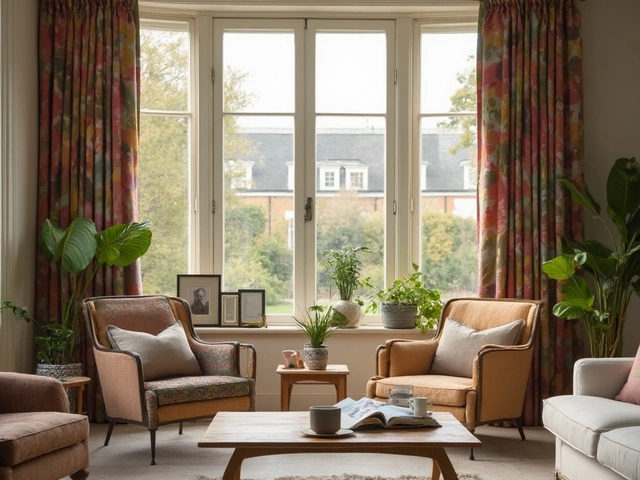
Despite the minimalist push, we are seeing a resurgence of textile-based window treatments in 2026. But don’t expect the frilly, pleated styles of the 90s. The current revival is driven by three factors: acoustics, warmth, and the desire for "hygge" or coziness.
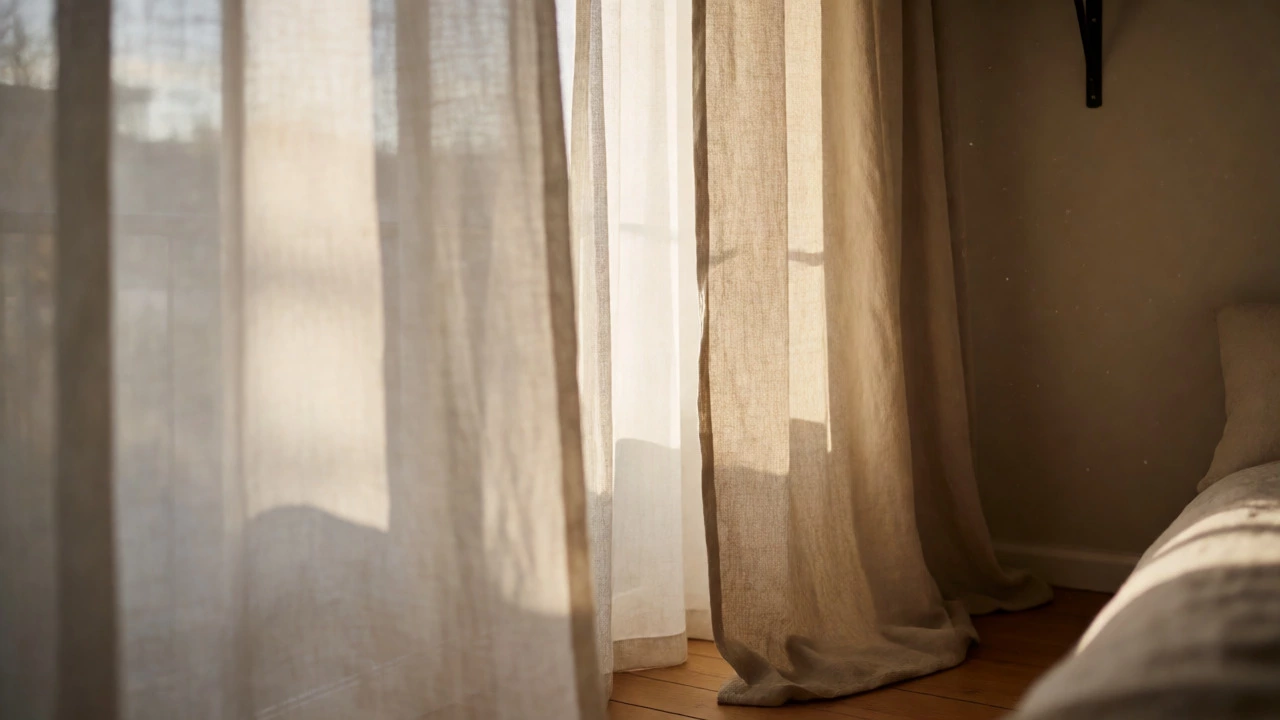
Post-pandemic, homes became our offices, gyms, and schools. The acoustic properties of rooms mattered more than ever. Hard surfaces reflect sound; fabric absorbs it. Designers realized that a room with only glass and drywall sounds harsh on video calls. Adding even lightweight linen curtains significantly dampens echo, making a space feel calmer and more intimate.
Additionally, energy costs remain high. While not as insulating as double-glazed windows, thick curtains provide a measurable barrier against heat loss in winter and heat gain in summer. The U.S. Department of Energy notes that properly installed cellular shades or insulated draperies can reduce heat loss by up to 40% during winter months. Homeowners are looking for ways to lower utility bills without renovating entire walls, and textiles offer a low-cost solution.
Curtains vs. Blinds: Which One Fits Your Life?
If you are still on the fence, you need to compare the two main contenders head-to-head. It’s not just about looks; it’s about maintenance, cost, and function. Here is how they stack up in real-world scenarios.
| Feature | Curtains/Drapes | Blinds/Shades |
|---|---|---|
| Light Control | Excellent if lined; allows for layered lighting (sheer + blackout). | Precise adjustment via slats or roll-up mechanisms. |
| Privacy | High, especially with opaque fabrics; creates a visual barrier. | Variable; depends on slat angle or opacity level. |
| Maintenance | High; often requires dry cleaning or frequent washing. | Low; dusting or spot cleaning is usually sufficient. |
| Cost | Variable; custom tailoring can be expensive. | Generally lower upfront cost, especially for standard sizes. |
| Aesthetic Impact | Adds texture, color, and height perception to a room. | Minimalist, clean lines; keeps focus on the window frame. |
Notice the pattern here? Curtains win on atmosphere and insulation. Blinds win on convenience and precision. If you work from home and hate glare on your screen, blinds might save your sanity. If you want your bedroom to feel like a hotel suite, curtains are non-negotiable.
The Modern Way to Hang Curtains
If you decide to join the curtain camp, do not make the classic mistakes that make them look cheap or outdated. The key to modern drapery is placement and length.
- Mount High: Install the rod 4-6 inches above the window frame, or even closer to the ceiling. This tricks the eye into thinking the windows are taller, which makes the whole room feel larger and more grandiose.
- Mount Wide: Extend the rod 3-6 inches beyond the sides of the window. When the curtains are open, they should sit on the wall, not on the glass. This lets maximum light in and ensures the fabric doesn’t block your view.
- Get the Length Right: Floor-length is standard. Ideally, the fabric should just kiss the floor or pool slightly (1-2 inches) for a relaxed look. Avoid puddling excessively unless you are going for a very specific, high-drama theatrical effect, which rarely works in casual living spaces.
- Choose Natural Fabrics: Linen, cotton, and silk blends breathe better and drape more naturally than polyester. Synthetic fabrics tend to hang stiffly and attract static, which collects dust faster.
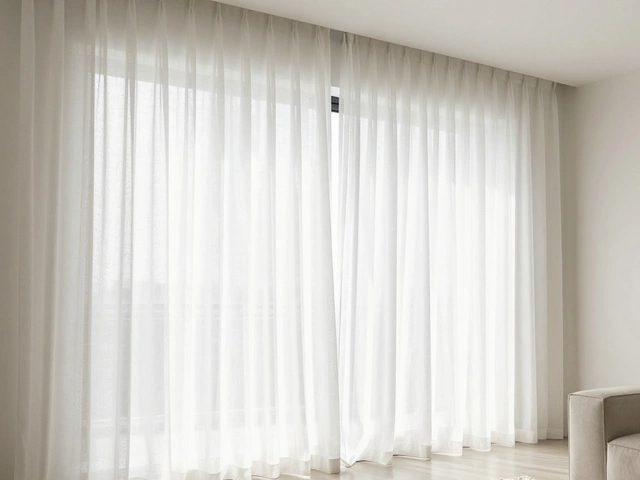
Another popular trick is layering. Use a sheer curtain underneath for daytime privacy and light diffusion, then add a heavier, opaque curtain on top for nighttime privacy and sleep. This gives you flexibility without needing to buy two separate sets of hardware.
When You Should Skip Curtains Entirely
There are specific situations where hanging curtains is a bad idea. Recognizing these saves you money and hassle.
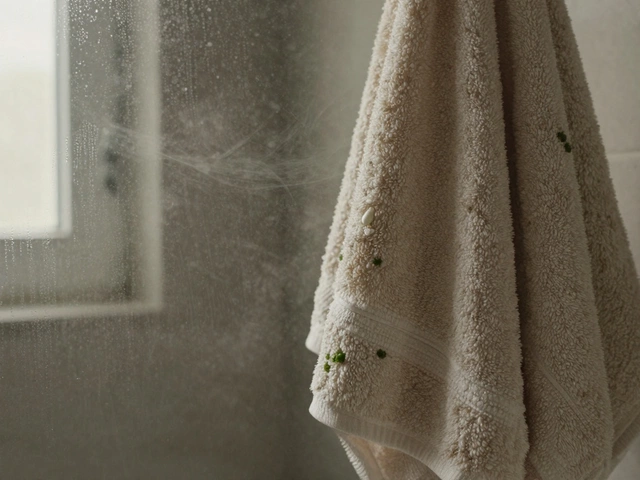
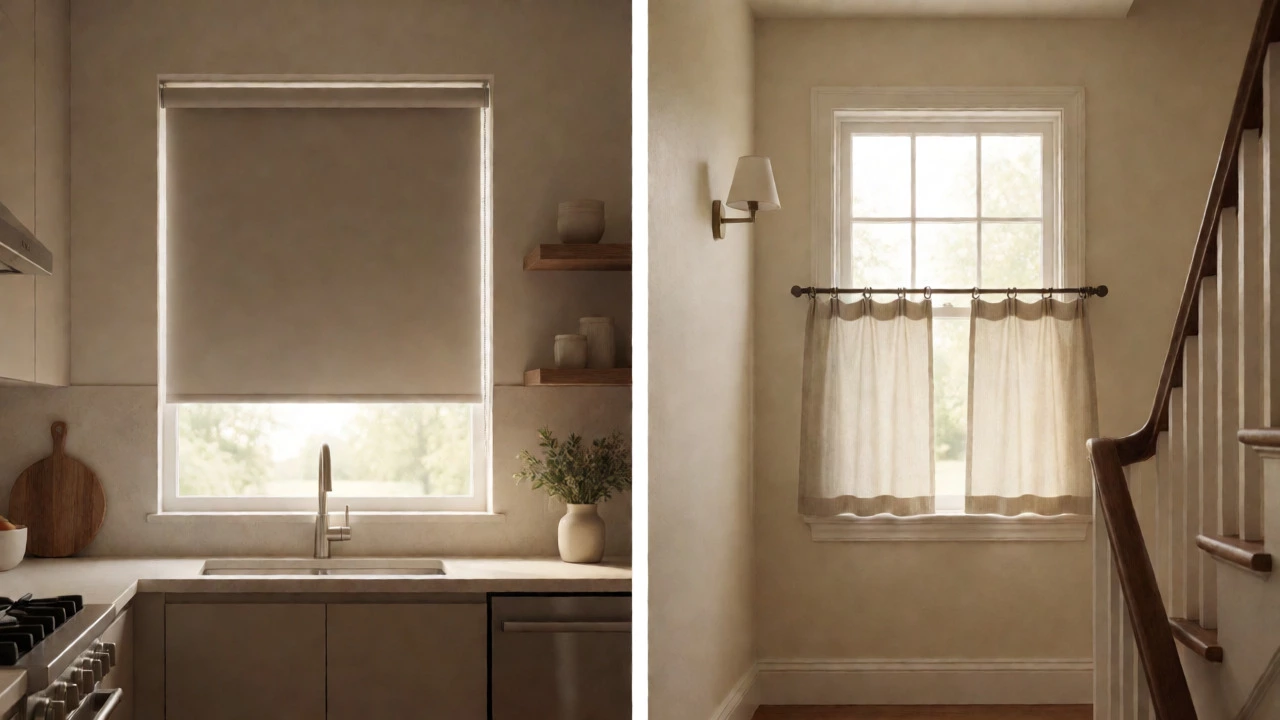
In bathrooms, moisture is the enemy. Fabric absorbs humidity, leading to mold and mildew growth behind the folds. Unless you have excellent ventilation, stick to moisture-resistant materials like faux wood blinds or vinyl shades. Similarly, in kitchens near the stove, grease splatter will ruin fabric quickly. A simple roller shade is easier to wipe down.
For small windows, such as those in hallways or stairwells, curtains can overwhelm the space. The hardware alone might take up more visual weight than the window itself. In these cases, leave them bare or use a simple tension rod with a short café-style curtain if you need modesty.
Finally, consider your lifestyle. Do you have cats that climb? Toddlers who pull everything down? Pets and kids destroy delicate drapery. Faux wood blinds or aluminum venetian blinds withstand abuse far better than linen panels. If you value durability over aesthetics, skip the fabric.
The Verdict: It’s About Intentionality
So, do people hang curtains anymore? Yes, but they do so intentionally. They aren’t hanging them because "that’s what everyone does." They are hanging them to solve a problem-noise, light, temperature, or style-or to enhance a specific feeling in the room.
The era of default drapery is over. Now, every window treatment is a choice. If you love the softness of fabric and don’t mind the upkeep, curtains remain a powerful tool in interior design. If you prefer simplicity and ease, blinds or bare windows are perfectly valid choices. The most important thing is that your window treatment serves your daily life, not just a Pinterest board.
Are curtains out of style in 2026?
No, curtains are not out of style, but their usage has evolved. Heavy, ornate drapes are less common, while minimalist, floor-length linen or cotton curtains are highly popular. The trend favors clean lines, neutral colors, and functional layering rather than decorative excess.
Should I put curtains or blinds in my living room?
Choose curtains if you want to improve acoustics, add warmth, or create a cozy atmosphere. Choose blinds if you prioritize easy maintenance, precise light control, or a minimalist aesthetic. Many homeowners opt for a combination of sheer curtains and blinds for maximum versatility.
How high should I hang curtain rods?
Hang curtain rods 4 to 6 inches above the top of the window frame. For smaller windows, you can mount them closer to the ceiling to create the illusion of higher ceilings. Always ensure the rod extends wider than the window frame so the curtains do not block light when open.
Is it okay to have no window treatments?
Yes, having bare windows is acceptable, especially in modern architecture or if you have good privacy due to landscaping or building distance. However, bare windows offer no insulation or light control, which can lead to glare issues and higher energy bills.
What is the best material for curtains?
Linen and cotton are top choices for their natural drape and breathability. Silk offers luxury but fades in sunlight. Polyester blends are durable and affordable but may lack the premium feel of natural fibers. For blackouts, look for tightly woven synthetic fabrics with backing.