How to Declutter a Bedroom Fast: A 30-Minute Reset Guide
30-Minute Bedroom Declutter Timer
Use this tool to guide your 30-minute reset. Select a category, find an item, and tap the corresponding button to log it. Keep moving!
Trash / Recycle
Broken, expired, garbage.
Relocate
Belongs in another room.
Donate / Sell
Own but don't want.
Keep
Stays in bedroom.
Session Summary
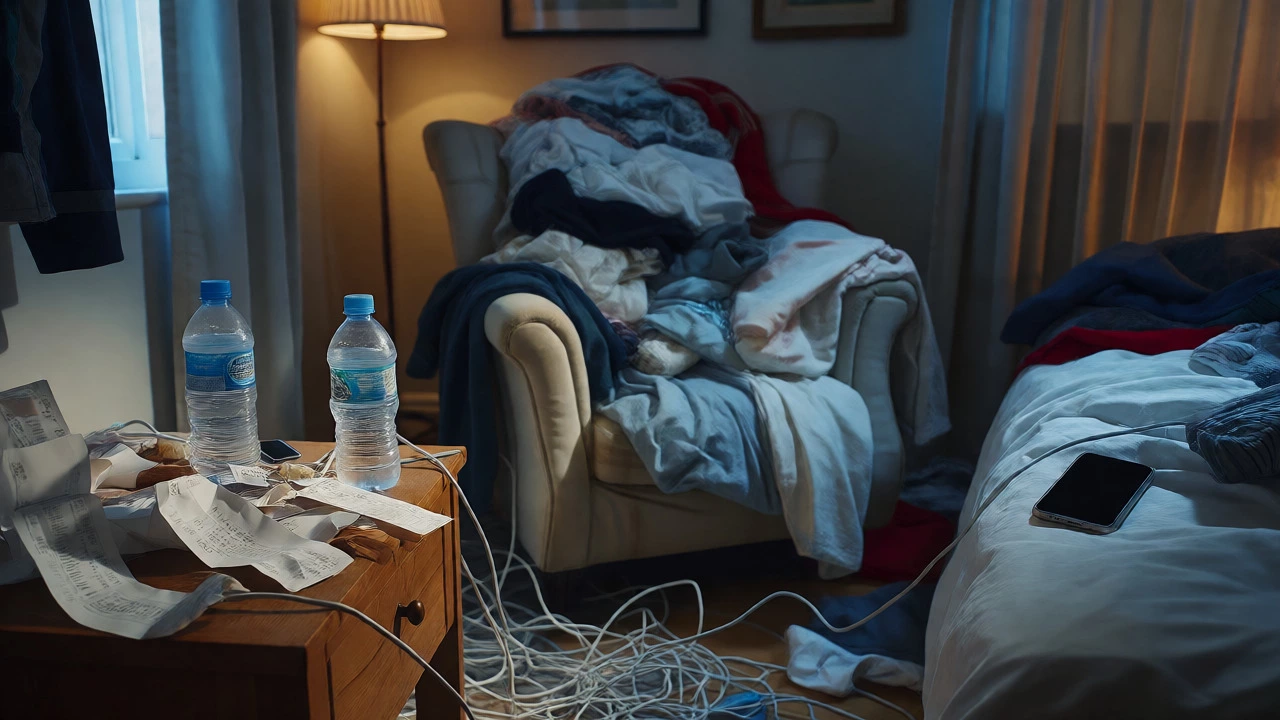
You walk into your bedroom, and the first thing you see is a chair that has become a laundry mountain. Your bedside table is buried under three weeks of receipts, half-empty water bottles, and a tangle of charging cables. It feels less like a sanctuary and more like a storage unit for things you haven’t decided what to do with yet. If this sounds familiar, you’re not alone. Most people underestimate how much visual noise impacts their ability to rest.
Here’s the truth: decluttering a bedroom fast isn’t about deep cleaning every surface or reorganizing your entire wardrobe. It’s about removing friction. You need a system that clears the critical sightlines in minutes, not hours. This guide skips the philosophical debate on minimalism and gives you a tactical, step-by-step plan to reclaim your space before you go to bed tonight.
The 15-Minute Triage Method
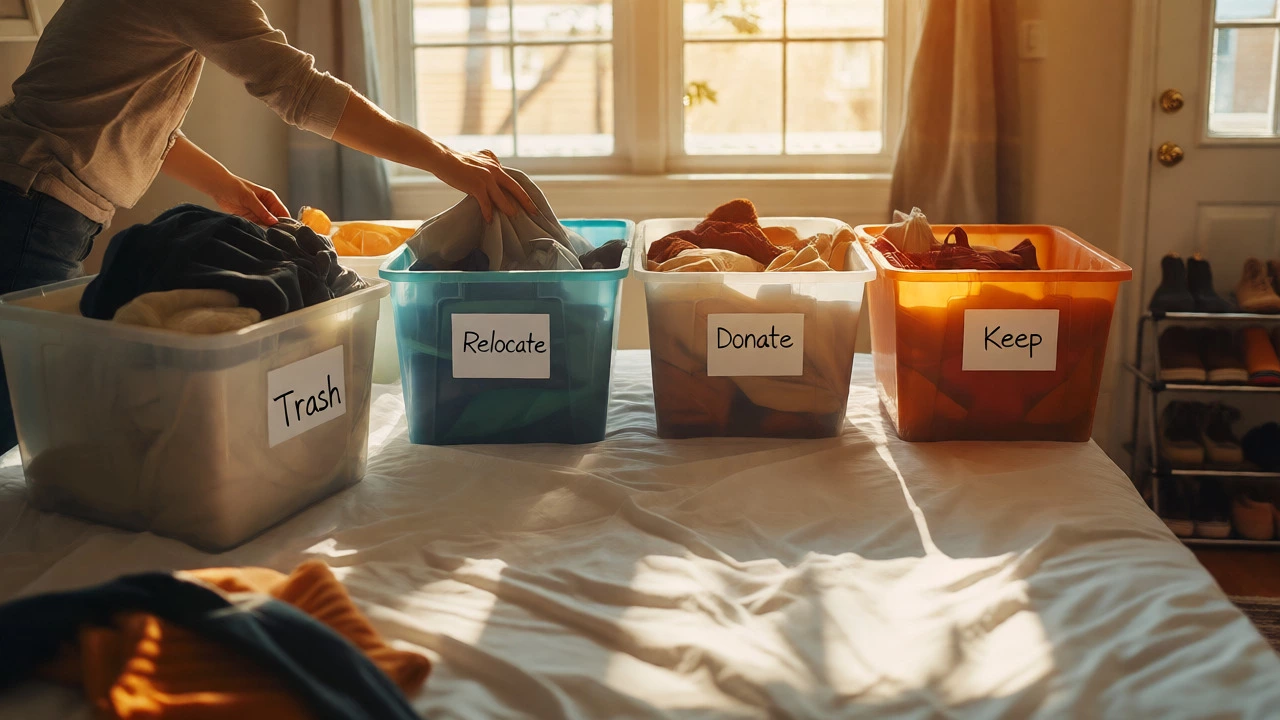
Most people fail at decluttering because they try to make decisions while moving items around. That leads to decision fatigue. Instead, use a triage approach. Grab four large containers or bags. Label them mentally or physically as follows:
- Trash/Recycle: Anything broken, expired, or clearly garbage.
- Relocate: Items that belong in another room (kitchen mugs, bathroom hairbrushes).
- Donate/Sell: Things you own but don’t want anymore.
- Keep: Items that stay in the bedroom.
Set a timer for 15 minutes. The goal isn’t perfection; it’s volume reduction. Pick up one item, decide its category, and put it in the corresponding bag. Do not sort within the bags yet. Just get it off the floor and surfaces. This rapid-fire process bypasses the emotional attachment trap. You’ll be shocked at how many empty water bottles, old tissues, and random papers accumulate in just a few days.
Clearing the Critical Sightlines
Once the bulk trash is gone, focus on the three areas that dominate your visual field when you enter the room or lie in bed. These are the "critical sightlines." If these are clear, the room feels clean, even if other corners are messy.
- The Bed Surface: Remove everything except pillows and the duvet. Clothes on the bed are the number one cause of perceived clutter. Move them to a hamper or a designated "to-fold" basket immediately.
- Nightstands: Keep only essentials here: a lamp, a phone charger, maybe a book. Everything else goes into a drawer or a small tray. If you have five pens and two lip balms on the nightstand, consolidate them into one cup or discard the extras.
- Floor Space Near the Door: Ensure there is a clear path from the door to the bed. Shoes, bags, and piles of clothes block this flow. Use a shoe rack by the door or hang bags on hooks behind the door. Never let shoes pile up on the floor; it makes the room look chaotic instantly.
Smart Storage Solutions for Small Spaces
Decluttering creates space, but without proper storage solutions, the clutter returns within a week. In smaller bedrooms, vertical space is your best friend. Here is a quick comparison of effective storage types for common bedroom problems.
| Clutter Type | Best Storage Solution | Why It Works |
|---|---|---|
| Charging Cables & Electronics | Bedside Organizer Tray | Keeps cords contained and visible; prevents tangling. |
| Off-Season Clothing | Under-Bed Rolling Bins | Utilizes dead space; keeps dust out; easy access. |
| Jewelry & Accessories | Over-the-Door Hook Rack | Uses vertical wall space; keeps items visible for outfit planning. |
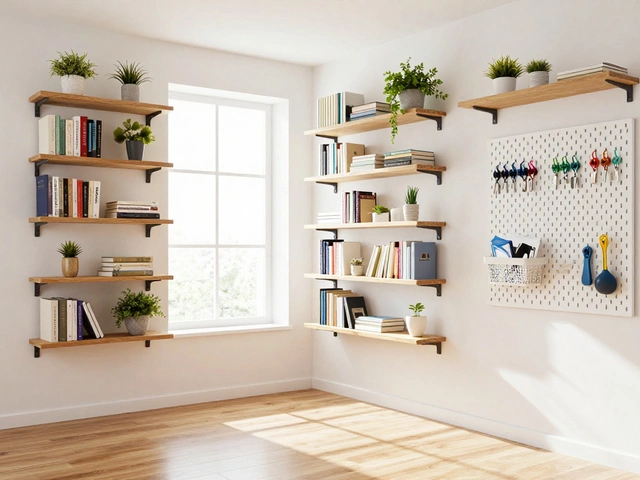
| Books & Magazines | Wall-Mounted Floating Shelves | Frees up nightstand space; turns books into decor. |
| Shoes | Clear Stackable Shoe Boxes | Protects footwear; allows you to see contents without opening. |
If you rent or can’t drill holes, tension rods inside closets are underrated heroes. They create instant shelves for folded sweaters or hanging organizers for scarves. Another pro tip: use matching hangers. Visual uniformity reduces cognitive load. When all hangers are white wood or black velvet, your closet looks organized even if it’s full.
The One-In-One-Out Rule
To maintain your new clean space, adopt the one-in-one-out rule. This is simple but powerful. If you buy a new shirt, an old one must leave the house. Same for socks, pajamas, or decorative items. This prevents the slow creep of accumulation that undoes your hard work.
For digital clutter, apply the same logic. Clear your phone’s photo roll of screenshots you no longer need. Unsubscribe from three email newsletters that clutter your inbox. Digital noise contributes to mental fatigue, which often manifests as physical disorganization. When your mind feels lighter, you’re more likely to keep your environment tidy.
Maintenance: The 5-Minute Nightly Reset
You don’t need to spend hours cleaning every weekend. Instead, implement a 5-minute nightly reset. Before bed, do these three things:
- Put away any items left out during the day (clothes, cups, papers).
- Straighten the bedsheets and fluff the pillows.
- Check the floor for anything that doesn’t belong there.
This routine takes less time than brushing your teeth but pays massive dividends. Waking up to a clear floor and made bed sets a positive tone for the day. It removes the guilt of seeing mess first thing in the morning, which often triggers procrastination.
Psychological Benefits of a Decluttered Bedroom
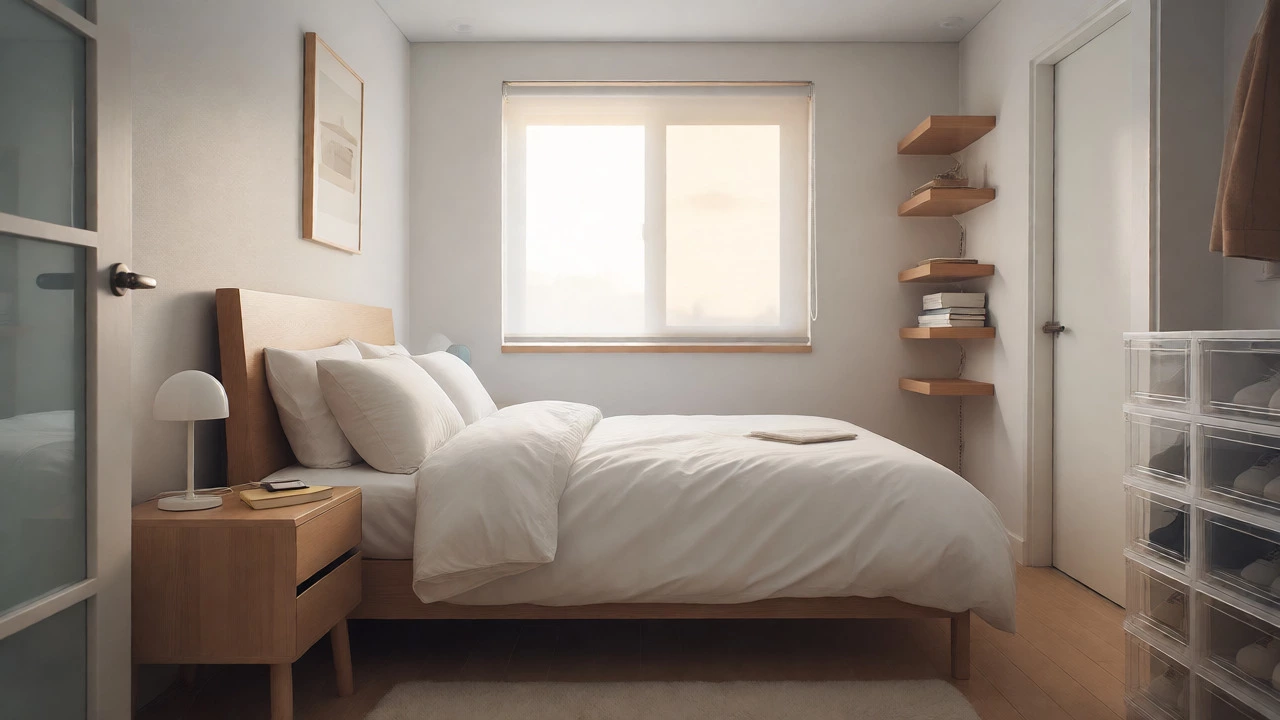
A study published in the Journal of Environmental Psychology found that participants who described their homes as "cluttered" had higher levels of cortisol, the stress hormone. Conversely, those with organized spaces reported better sleep quality and lower anxiety. Your bedroom is where you recover, so it needs to signal safety and calm.
When you remove excess items, you also remove decision fatigue. Every object in your visual field demands a micro-decision from your brain: "Do I need that? Where does it go? Is it pretty?" By reducing the number of objects, you reduce the mental energy required to exist in that space. This is why a minimalist bedroom often feels more luxurious, even if the furniture is inexpensive.
Troubleshooting Common Decluttering Roadblocks
Even with a good plan, you might hit snags. Here are the most common ones and how to fix them quickly.
The "Maybe" Pile: You’ve sorted items into "keep" and "donate," but now you have a box of things you’re unsure about. Don’t agonize over them now. Put the box in a closet or garage with a date written on it (e.g., "Review January 2027"). If you haven’t opened it by then, donate it unopened. You didn’t miss them.
Sentimental Items: Photos, gifts, and heirlooms are tricky. Limit sentimental items to one specific shelf or box. Display them intentionally rather than letting them scatter across surfaces. If it doesn’t fit in the box, take a photo of it and let the object go. You keep the memory without the maintenance.
Lack of Time: If 30 minutes feels impossible, start with 10. Focus solely on the nightstand today. Tomorrow, tackle the floor. Small wins build momentum. Consistency beats intensity every time.
How long does it actually take to declutter a bedroom?
For a standard-sized bedroom with moderate clutter, expect 30 to 45 minutes using the triage method. If you include deep cleaning surfaces and organizing drawers, add another hour. However, the immediate visual impact-the cleared floors and bed-can be achieved in under 15 minutes.
What should I do with clothes I’m not ready to throw away?
Use the "quarantine" method. Place these items in a sealed bin out of sight. Set a reminder for six months later. If you haven’t worn them or thought about them by then, donate them. This removes the decision pressure while keeping the option open.
Do I need to buy new storage bins to declutter?
No. Start by decluttering with what you have. Buying new storage often leads to "organized clutter," where you just hide mess in pretty boxes. Only purchase new solutions after you know exactly what remains and where it lives.
How do I stop my bedroom from getting messy again?
Implement the "one-touch" rule: when you bring something into the bedroom, put it in its designated spot immediately. Also, stick to the 5-minute nightly reset. Preventing accumulation is easier than removing it.
Is it okay to have electronics in the bedroom?
Ideally, limit them. TVs and laptops emit blue light that disrupts sleep cycles. If you must have them, store them in cabinets or drawers when not in use to reduce visual clutter and screen temptation.