How Often Should You Wash Bath Towels? Expert Guide
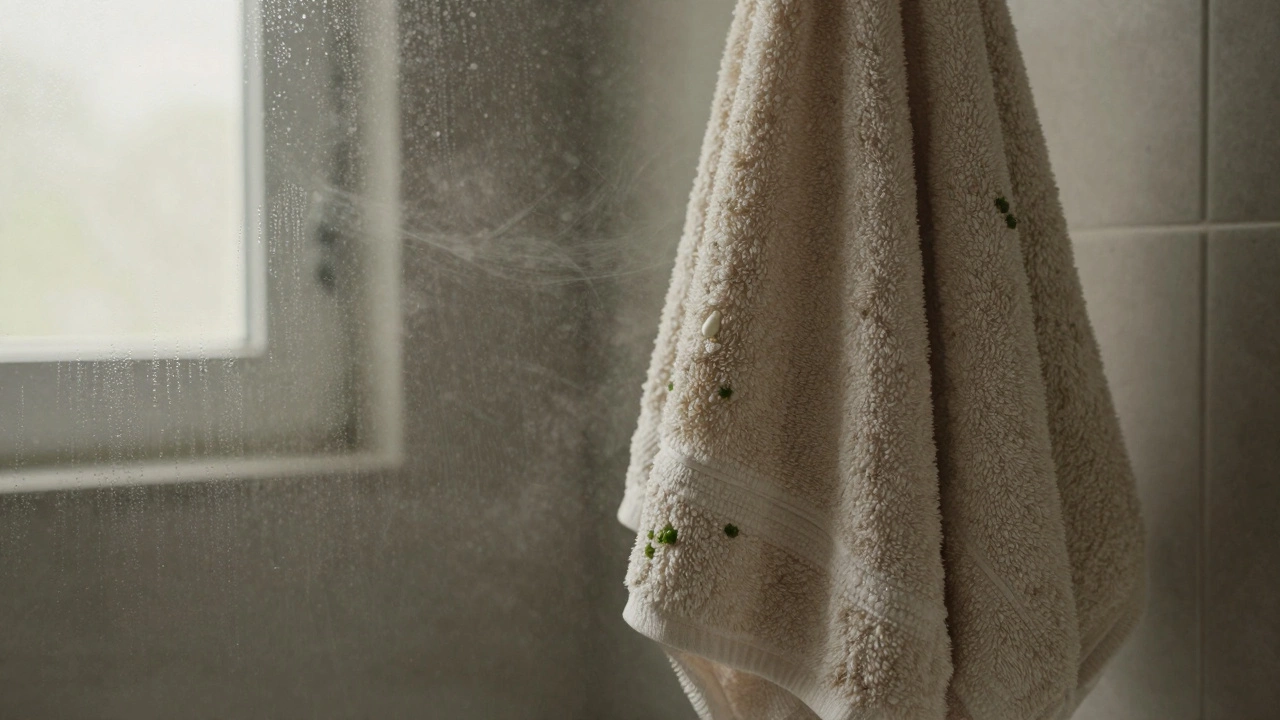
How often should you wash bath towels? If you’re like most people, you probably grab the same towel for days-or even weeks-without thinking twice. But here’s the truth: your towel isn’t just absorbing water. It’s also soaking up sweat, skin cells, bacteria, and mold spores. And if you leave it damp, you’re basically building a breeding ground for germs.
Why Your Towel Gets Gross Faster Than You Think
After a shower, your towel is damp, warm, and covered in dead skin cells and oils. That’s the perfect recipe for bacteria and fungi to multiply. A 2013 study by the University of Arizona found that bath towels can harbor more than 100,000 times the number of bacteria found on a toilet seat. And it’s not just dirt-it’s Staphylococcus aureus, E. coli, and even fungal strains that can cause skin infections.
Think about it: you’re using the same towel to dry off after a sweaty workout, a hot shower, or even a visit to the bathroom. Each time, you’re transferring microbes from your skin to the fabric. If you hang it up in a humid bathroom, it doesn’t dry fully. That’s when mold starts growing between the fibers. You might not see it, but it’s there.
The 3-Day Rule: What Experts Recommend
Most dermatologists and cleaning experts agree: wash your bath towel every three uses. That’s the sweet spot between practicality and hygiene. If you shower once a day, that means washing your towel every three days. If you shower twice a day? Wash it after every use.
Why three uses? Because that’s about how long it takes for bacteria to build up to levels that can pose a health risk. After three uses, the towel has absorbed enough moisture and organic material to become a microbial hotspot. Washing it before it hits that point keeps your skin healthy and your towel smelling fresh.
There’s one big exception: if you’re sick. If you have a cold, flu, or a skin infection like a boil or athlete’s foot, wash your towel after every single use. Sharing towels during illness spreads germs fast. Even if you live alone, your own body’s bacteria can linger and worsen an infection.
Signs Your Towel Needs Washing Right Now
You don’t always need a calendar to know when to wash. Your towel will tell you-if you know what to look for.
- It smells musty-even after drying. That’s mold or mildew growing inside the fibers.
- It feels stiff or gritty-that’s buildup from soap residue, body oils, and dead skin.
- You see discoloration-yellow or gray spots, especially near the edges, mean bacteria or dirt has taken root.
- It doesn’t dry as fast as it used to-over time, fabric softeners and residue clog the fibers, making them less absorbent.
If you notice any of these signs, toss it in the wash-no matter how many times you’ve used it.
How to Wash Towels the Right Way
Washing your towel isn’t just about throwing it in the machine. The way you clean it matters.
- Use hot water-140°F (60°C) is ideal. Heat kills bacteria and fungi better than cold or warm water.
- Don’t overload the washer-towels need room to move. Crowded loads mean dirty water sits on the fabric instead of rinsing away.
- Avoid fabric softener-it coats the fibers and reduces absorbency. If you want soft towels, use white vinegar in the rinse cycle instead.
- Use bleach (if white) or oxygen bleach (if colored)-this breaks down organic buildup and kills mold. Never mix bleach with vinegar.
- Dry immediately-don’t let damp towels sit in the washer. Transfer them to the dryer on high heat. If air-drying, hang them in a well-ventilated area, not a closed bathroom.
Pro tip: Wash towels separately from clothes. Socks and underwear carry more bacteria and can transfer to your towels. Keep them in their own load.
How Many Towels Do You Really Need?
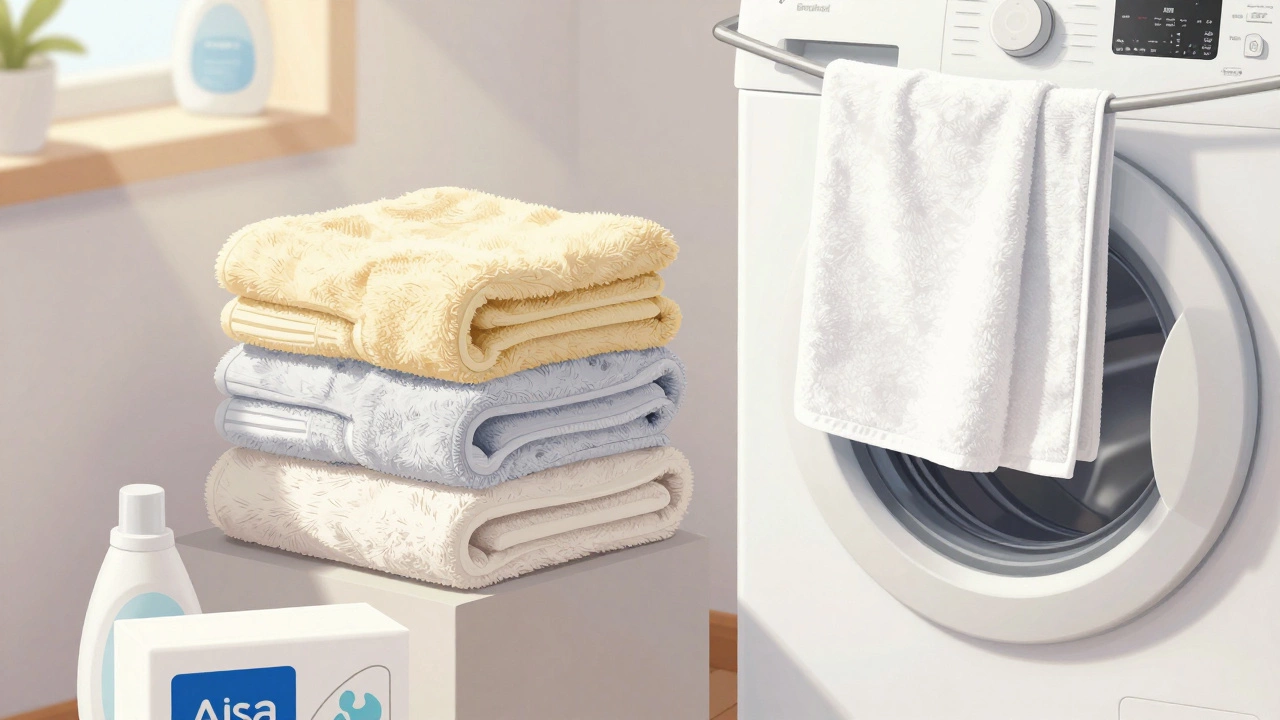
If you’re washing every three days, you’ll need at least two towels per person. That way, one’s always in the wash while the other’s in use. Three towels per person gives you a buffer for weekends, travel, or unexpected messes.
Having extras also means you can rotate them. Use one towel for a week, then switch to another. That reduces wear and tear and gives each towel time to fully dry between uses.
Don’t forget about guest towels. Even if you wash your own towels regularly, guests might not. Keep a separate set for visitors-clean, fresh, and labeled if needed.
When to Replace Your Towels
Towels don’t last forever. Even with good care, they lose their absorbency and softness over time.
Replace them every two years-or sooner if:
- They’re thinning out, especially at the edges
- They’re permanently stained or smell bad even after washing
- The weave is fraying or falling apart
Old towels don’t just get gross-they get less effective. A worn-out towel won’t dry you properly, which means more moisture stays on your skin. That can lead to irritation, especially if you have sensitive skin or conditions like eczema.
Common Myths About Towel Hygiene
There’s a lot of misinformation out there. Let’s clear up the biggest myths.
- Myth: “I hang my towel up, so it’s fine.” Truth: Hanging it up doesn’t mean it’s dry. In humid bathrooms, towels can stay damp for hours. Always hang them in a dry, airy spot.
- Myth: “I only use it once a day, so I can go a week.” Truth: Even one use adds bacteria. Three uses is the limit-not seven.
- Myth: “Fabric softener makes towels last longer.” Truth: It clogs fibers, traps moisture, and makes towels less absorbent. It’s the enemy of hygiene.
- Myth: “I don’t need to wash my towel if I don’t smell bad.” Truth: You don’t smell bacteria. But they’re still there.

What About Beach Towels or Gym Towels?
Beach towels and gym towels need even more attention. Sand, saltwater, sweat, and chlorine are harsh on fabric and full of microbes.
Wash beach towels after every use. Salt and sand wear down fibers fast, and seawater carries bacteria that can cause rashes. Gym towels? Wash after every workout. Sweat is full of salt and proteins that feed bacteria. If you use a towel at the gym, don’t sit on it or lay it on shared equipment.
Keep separate towels for each purpose. Don’t use your bath towel at the gym, and never use your gym towel to dry off after a shower.
Final Rule: When in Doubt, Wash It
Hygiene isn’t about perfection. It’s about reducing risk. If you’re unsure whether your towel is clean, wash it. It’s cheaper than treating a skin infection. It’s faster than replacing a ruined towel. And it’s way easier than living with a musty bathroom.
Wash every three uses. Dry completely. Replace every two years. That’s it. No complicated routines. No guesswork. Just simple, smart habits that keep your skin healthy and your bathroom smelling fresh.
Can I reuse a bath towel for multiple days if I hang it up to dry?
No. Even if you hang your towel up to dry, it still collects bacteria, skin cells, and moisture. In a humid bathroom, it often doesn’t dry fully, which lets mold and germs grow. Experts recommend washing after three uses, regardless of how you hang it.
Should I wash new bath towels before using them?
Yes. New towels come with a finish that makes them feel soft but reduces absorbency. Wash them once before use to remove this coating and improve how well they dry you off. Use hot water and skip fabric softener.
Is it okay to share bath towels with family members?
It’s not recommended. Sharing towels spreads germs, especially if someone has a skin condition, cut, or infection. Even healthy people carry bacteria that can cause issues for others. Use personal towels to reduce risk.
Can I use vinegar instead of fabric softener on towels?
Yes. White vinegar helps remove soap residue, softens fibers naturally, and kills odor-causing bacteria. Add half a cup to the rinse cycle. It won’t leave a smell after drying and actually improves absorbency.
How do I know if my towel is too old to use?
If your towel feels thin, looks faded, smells bad even after washing, or doesn’t absorb water well, it’s time to replace it. Most towels last about two years with regular washing. Beyond that, they lose function and become a hygiene risk.
Next Steps: Make It a Habit
Start by counting your towels. Do you have enough to rotate? If not, buy two more per person. Set a reminder on your phone to wash them every three days. Keep a basket in the bathroom for used towels. And don’t forget to air out your bathroom after showers-open a window or turn on the fan. A dry bathroom means a cleaner towel.
Hygiene isn’t about obsession. It’s about smart, simple habits. Wash your towel every three uses. Dry it completely. Replace it every two years. That’s all it takes to stay clean, healthy, and odor-free.