Which Company Sells the Best Sofas? A Practical Buyer’s Guide

Sofa Quality & Value Estimator
Use this tool to determine if a specific sofa model is worth your money by analyzing its build quality against your lifestyle needs.
Enter details to see estimated lifespan and value score.
You’re standing in a showroom, or maybe you’re scrolling through endless tabs on your laptop at 2 AM. The options are dizzying. One brand promises "cloud-like comfort," another boasts about "heritage craftsmanship," and a third is just incredibly cheap but looks like it might collapse if you sneeze too hard. You want to know which company actually sells the best sofas, not just the ones with the best marketing budgets.
Here’s the truth: there is no single "best" company for everyone. The best sofa for a college student moving every two years is different from the best sofa for a family with three dogs and a toddler. However, we can narrow down the field by looking at construction quality, material durability, design longevity, and value retention. If you’re tired of guessing, this guide breaks down who leads the pack in 2026 and why.
What Actually Makes a Sofa "The Best"?
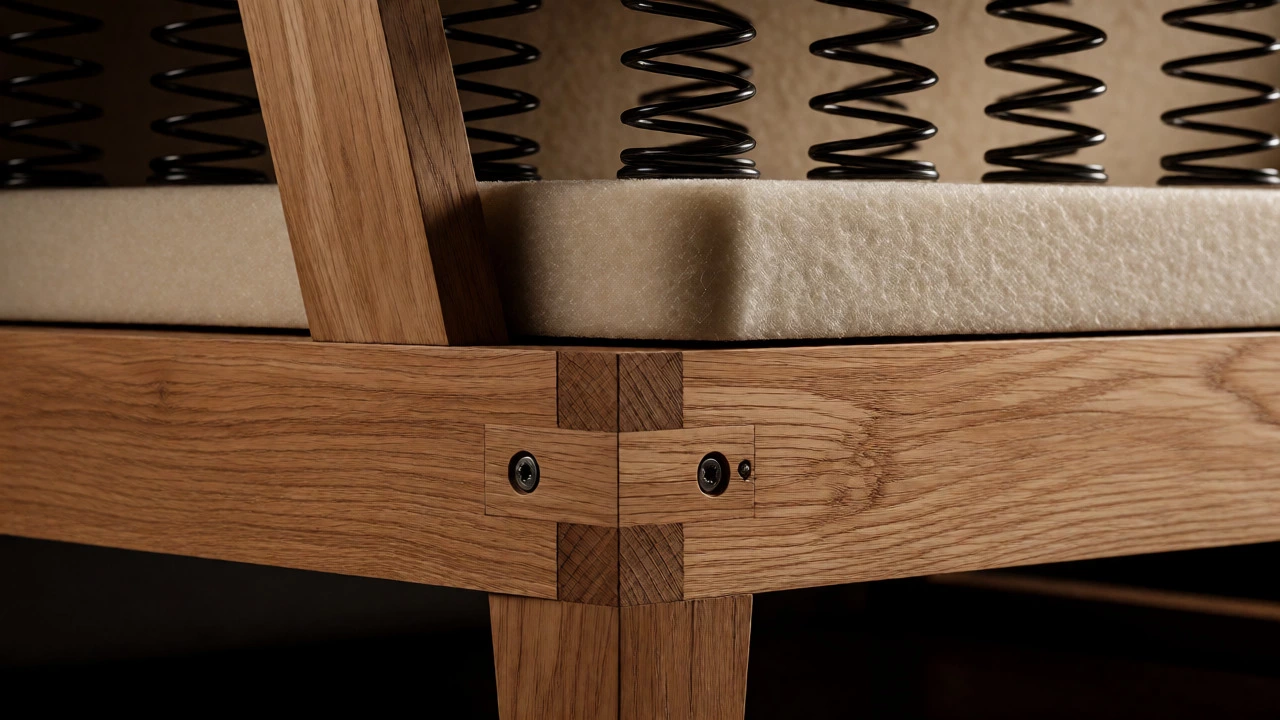
Before we name names, let’s agree on what we’re measuring. A sofa isn’t just a pretty face. It’s a piece of engineering. When experts evaluate sofa quality, they look at four specific pillars: frame integrity, suspension system, cushion density, and fabric performance.
If a company skips any of these, you’ll feel it within five years. A hardwood frame (kiln-dried oak or maple) is non-negotiable for longevity. Particleboard frames warp when humidity changes-something Kiwis know all too well. Next, check the suspension. Eight-way hand-tied springs are the gold standard because they distribute weight evenly and don’t sag in the middle after a few months of Netflix binges. Finally, foam density matters. Low-density foam feels soft initially but flattens quickly. High-resilience foam retains its shape longer.
| Component | Premium Standard | Budget Warning Sign |
|---|---|---|
| Frame Material | Kiln-dried hardwood | Particleboard or plastic |
| Suspension | Eight-way hand-tied springs | Zig-zag sinuous springs |
| Cushion Fill | High-density foam or feather blend | Low-density polyfill |
| Fabric Rub Count | 15,000+ double rubs | Under 9,000 double rubs |
The Heavyweights: Who Leads in Craftsmanship?
When money is less of an object and legacy is everything, certain brands dominate the conversation. These companies aren’t just selling furniture; they’re selling heirlooms.
Herman Miller is often associated with office chairs, but their Eames Sofa Collection is a masterclass in mid-century modern design. It’s expensive, yes, but the steel base and high-quality leather mean it will outlive most trends. It’s a statement piece that says you understand design history.
Then there’s Poltrona Frau, an Italian brand renowned for its leather processing techniques. They use full-grain hides that age beautifully, developing a patina rather than cracking. If you want a sofa that feels luxurious to the touch and commands respect in a living room, this is the tier to look at. Their craftsmanship involves hundreds of hours of manual labor per piece.
For those who prefer a softer, more traditional aesthetic, Jonathan Charles Furniture offers classic British styling with robust hardwood frames. Their pieces are designed to be reupholstered, which extends their lifespan significantly beyond the typical ten-year mark.
Modern Mid-Market: Balancing Style and Durability
Not everyone wants to spend $5,000+ on a sofa, but you also don’t want something that falls apart in two years. This is where the mid-market shines. These companies focus on direct-to-consumer models, cutting out the middleman to offer better materials for lower prices.
West Elm has become a go-to for many homeowners seeking a balance between contemporary style and solid construction. Their sofas typically feature kiln-dried hardwood frames and FSC-certified wood, appealing to eco-conscious buyers. While their cushions sometimes require fluffing to maintain shape, the overall build quality is consistent and reliable.
Article (formerly Article.com) disrupted the market by shipping flat-pack sofas directly from factories. Despite the assembly requirement, their frames are surprisingly sturdy, using engineered wood reinforced with metal brackets. They excel in offering modular sectionals that fit small urban apartments without compromising on style.
In New Zealand and Australia, Temple & Webster and local favorites like Magnussen have gained traction. Magnussen, in particular, is praised locally for sourcing durable fabrics suitable for our harsh UV exposure, which can fade cheaper synthetics rapidly.
Budget-Friendly Options That Don’t Cut Corners
Can you find a good sofa under $1,000? Yes, but you need to be selective. The key here is simplicity. Avoid complex mechanisms or delicate fabrics. Stick to straightforward designs with replaceable covers.
IKEA remains the elephant in the room. Their Kivik and Söderhamn series are popular for a reason: they are affordable, modular, and easy to clean. The catch? The frames often use particleboard, and the feet can loosen over time. However, IKEA offers spare parts, allowing you to repair rather than replace. For renters or first-time buyers, this practicality outweighs the lack of heritage craftsmanship.
Wayfair acts as a marketplace rather than a manufacturer, which makes it tricky. You’re buying from various suppliers. To find the "best" here, filter by customer reviews specifically mentioning "frame stability" and "cushion retention." Brands sold exclusively on Wayfair, like Andover Mills, often surprise buyers with solid hardwood frames at entry-level prices.
How to Spot a Good Sofa Before You Buy
Marketing photos lie. Here is how you verify quality yourself, whether you’re in a store or checking specs online.
- The Shake Test: Grab the front rail of the sofa and shake it vigorously. If it wobbles or creaks, the joinery is weak. A good sofa should feel solid and immovable.
- The Sit Test: Sit on it for at least ten minutes. Do your thighs feel supported? Does the backrest push against your lumbar region? Comfort is subjective, but support is objective.
- Check the Underside: Flip the sofa or look underneath. You want to see exposed hardwood, not stapled particleboard. Look for corner blocks glued and screwed into place.
- Fabric Rub Count: Ask for the Wyzenbeek test results. Anything below 15,000 double rubs is considered light-duty and may pill or wear quickly in high-traffic areas.
Regional Considerations: Living with Your Sofa
Your location affects which company is "best" for you. In Auckland, where humidity spikes in summer, mold-resistant fabrics and breathable natural fibers are crucial. Synthetic microfibers can trap heat and moisture, leading to odors over time. Brands that offer cotton-linen blends or treated leathers perform better in this climate.
Conversely, if you live in a dry inland area, static buildup in synthetic fabrics can be annoying. Natural wool blends reduce static and regulate temperature. Always match the material to your environment, not just your decor preference.
Final Verdict: Choosing Your Winner
So, which company sells the best sofas? It depends on your priority list.
If you want lifetime investment and prestige, choose Poltrona Frau or Herman Miller. You pay for art and engineering.
If you want modern style with solid build for a reasonable price, West Elm or Article are top contenders. They offer great value for money and fit contemporary homes well.
If you need affordability and flexibility, IKEA is unbeatable. It won’t last twenty years, but it serves its purpose perfectly for the decade it lasts.
Remember, the best sofa is the one that fits your body, your home, and your budget. Don’t let brand names blind you to the physical inspection tests listed above. Trust your hands, not just the label.
Are expensive sofas really worth the cost?
Generally, yes, if you plan to keep them for more than five years. Expensive sofas use kiln-dried hardwood frames and high-density foams that resist sagging. Cheap sofas often use particleboard and low-density foam, which degrade quickly, forcing you to replace them sooner. Over a ten-year period, a premium sofa can actually be cheaper than replacing a budget one twice.
Which sofa fabric is most durable for pets?
Microfiber and tightly woven synthetic blends are excellent for pets. They resist scratching and are easy to clean. Leather is also durable but can show claw marks. Avoid velvet and loose-weave linen, as claws can snag the threads easily. Always check the rub count; aim for 20,000+ double rubs for pet-friendly durability.
Do I need a professional to assemble my new sofa?
Most modern sofas, especially from brands like Article or IKEA, are designed for DIY assembly with simple tools. However, larger sectionals or heavy luxury sofas often benefit from white-glove delivery services. If the box weighs over 40kg, consider hiring help to avoid damaging the frame or injuring yourself during setup.
How long should a good sofa last?
A high-quality sofa with a hardwood frame and high-density foam should last 7-15 years with regular care. Budget sofas made with particleboard and soft foam may only last 3-5 years. Regular rotation of cushions and vacuuming can extend the lifespan of any sofa.
Is it better to buy a sofa online or in-store?
In-store allows you to test comfort and inspect build quality physically, which is crucial for avoiding buyer's remorse. Online shopping offers wider selection and often lower prices due to reduced overheads. Many online retailers now offer generous return policies (e.g., 30 days), making online buying safer than before. If possible, try similar models in-store before ordering online.