What Are Cheap Mirrors Made Of? Materials, Coatings, and Risks Explained
Mirror Quality & Longevity Estimator
Select options to see estimate
Ready
Enter details below
Analysis Insights:
Ever bought a bargain mirror that started turning black at the edges within six months? You aren't alone. We've all been tempted by those ultra-low-priced options in discount stores or online marketplaces. But have you ever wondered what exactly goes into making them so cheap? Is it just bad luck, or is there something fundamentally different about the materials used?
The short answer is yes. Cheap mirrors are made using lower-grade raw materials, thinner substrates, and often inferior chemical processes compared to their high-end counterparts. While they might look identical on the shelf, the difference lies in the layers hidden beneath the surface. Understanding these differences can save you from future headaches and help you decide when a budget buy is actually worth it.
The Core Component: Glass Substrates
At its heart, every mirror is a sheet of glass with a reflective coating applied to one side. The quality of this glass substrate is the foundational layer that determines the mirror's clarity, durability, and resistance to distortion is the first place manufacturers cut costs.
Premium mirrors typically use float glass that has been carefully polished to remove any waves or imperfections. This results in a perfectly flat surface that reflects your image without warping. In contrast, cheap mirrors often use lower-quality float glass or even recycled glass that hasn't been as thoroughly refined. These substrates may have slight undulations or bubbles trapped inside. When you look into such a mirror, you might notice your reflection looks slightly stretched or wavy, especially if you stand close to it.
Thickness also plays a huge role. Standard residential mirrors usually come in thicknesses ranging from 3mm to 6mm. Budget options frequently skimp here, opting for the thinnest possible glass (often around 2mm to 3mm) to reduce material costs. Thinner glass is more prone to breaking during shipping and installation, and it offers less structural stability over time. If you've ever seen a mirror crack spontaneously after being hung on a wall, thin, low-quality glass is likely the culprit.
The Reflective Layer: Silvering vs. Aluminum
This is where the magic happens-and where the biggest cost-cutting measures occur. The reflective property of a mirror comes from a thin metallic layer applied to the back of the glass. Historically, this was done using silver nitrate is a chemical compound traditionally used in the 'silvering' process to create highly reflective surfaces on glass. Silver provides exceptional reflectivity (around 95-98%) and a neutral color balance, meaning it doesn't tint your reflection yellow or blue.
However, silver is expensive. Many cheap mirrors skip silver entirely and use aluminum is a cheaper alternative metal used for mirror coatings that offers good reflectivity but is more susceptible to oxidation and damage. Aluminum reflects about 85-90% of light, which is still quite good, but it tends to produce a slightly cooler, bluer tone. More importantly, aluminum is softer and more reactive than silver. Without proper protective layers, an aluminum-coated mirror will degrade much faster, leading to that dreaded blackening effect known as "mirror rot."
Some ultra-budget mirrors might even use a mixture of metals or apply the coating unevenly. This can result in spots where the reflection is dimmer or where the mirror appears cloudy. If you're buying a mirror for a bathroom, where humidity is high, the type of metal coating becomes critical. Silver is generally more resistant to corrosion, while aluminum requires robust sealing to survive in moist environments.
Protective Backings: The First Line of Defense
Once the metal layer is applied, it needs protection. Air, moisture, and physical abrasion are the enemies of any mirror. High-quality mirrors feature multiple layers of paint and sealant. Typically, you'll find two coats of protective paint over the metal layer, followed by a final backing paint. This creates a barrier that prevents oxygen and water vapor from reaching the reflective metal.
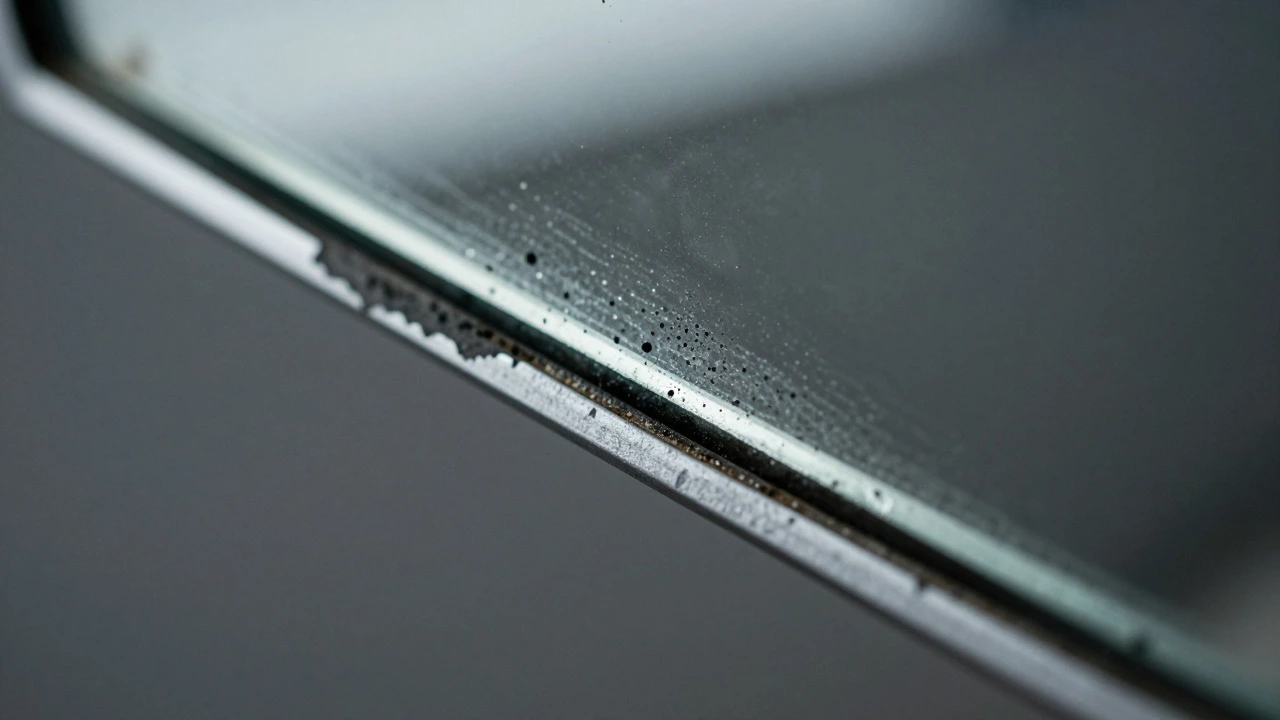
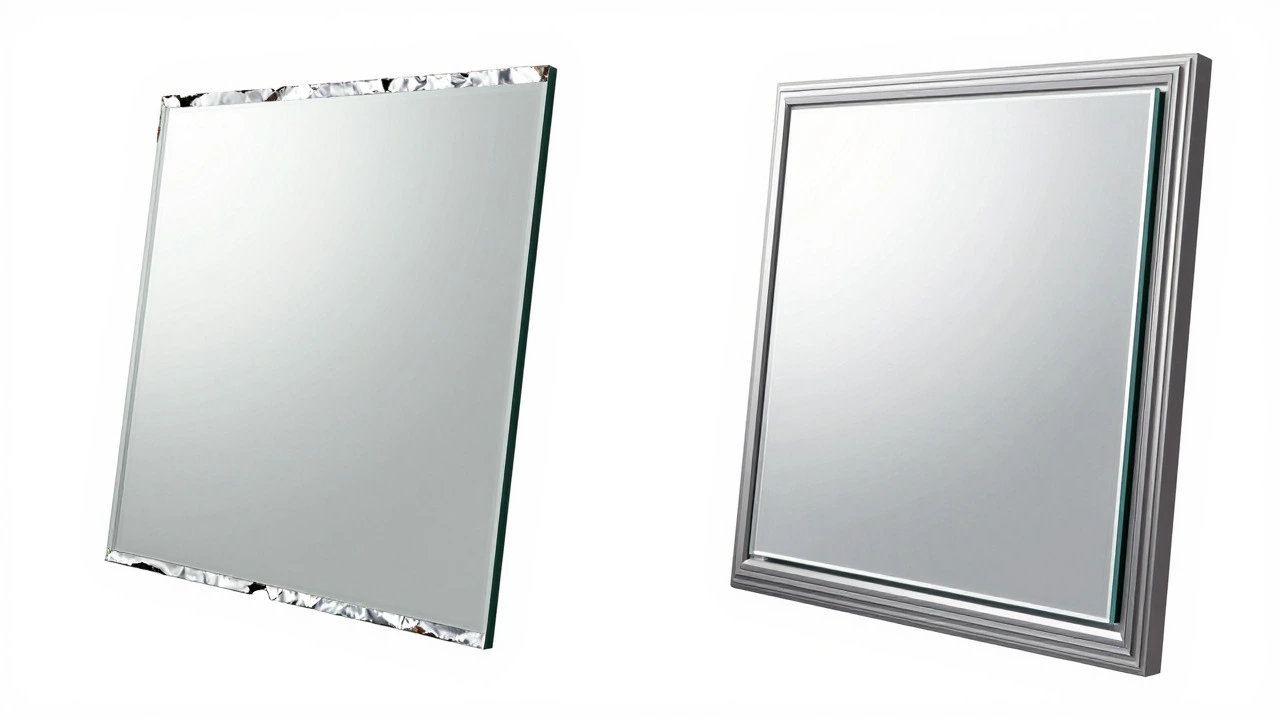
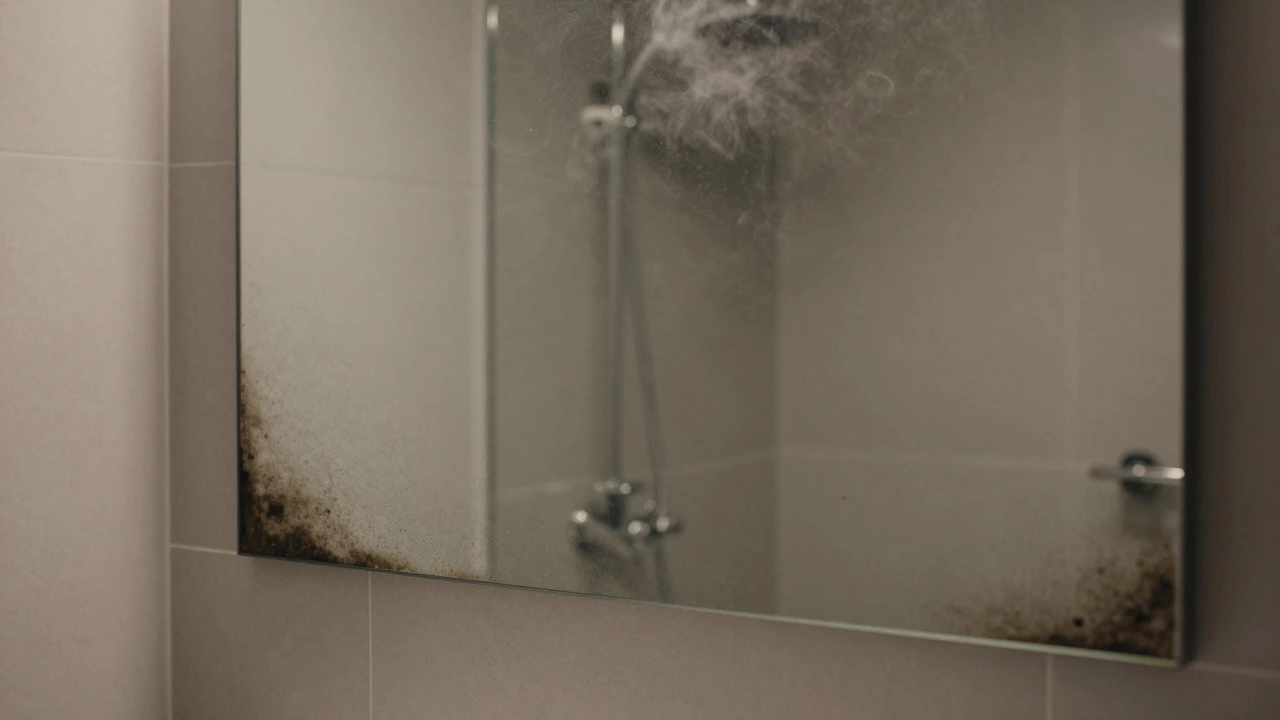
Cheap mirrors often compromise here. They might use only one coat of paint, or they might use a thinner, lower-quality paint that isn't fully waterproof. Some budget manufacturers skip the edge sealing entirely. The edges of a mirror are particularly vulnerable because the metal coating extends slightly beyond the glass, leaving it exposed. If the edges aren't properly sealed with a clear varnish or paint, moisture can seep in from the sides, causing the black spots to start at the perimeter and spread inward.
Have you ever noticed black dots appearing near the frame of a cheap mirror? That's usually moisture ingress through unsealed edges. Over time, the metal oxidizes, turning black and flaking away. This process is irreversible. Once the metal is gone, no amount of cleaning will bring the reflection back.
Common Signs of Low-Quality Construction
How can you spot a cheap mirror before you buy it? There are several telltale signs. First, check the weight. A genuine thick-glass mirror should feel substantial. If it feels surprisingly light for its size, it's likely made with thin, low-grade glass. Second, inspect the edges. Are they smooth and sealed? Or do they look rough and exposed? Rough edges indicate poor finishing and a lack of protective sealing.
Another test is the "straight edge" test. Place a ruler or a straight piece of wood against the mirror's surface. If you see gaps between the ruler and the glass, the mirror is warped. This is common in cheap mirrors due to uneven cooling during manufacturing or stress from thin glass. Warped mirrors distort your reflection, making them unsuitable for tasks like shaving or applying makeup.
Finally, look for greenish tints along the edges. This is caused by iron impurities in the glass. High-quality mirrors use low-iron glass to minimize this effect. If the edges look distinctly green, the manufacturer used cheaper, standard soda-lime glass. While not necessarily a dealbreaker for decorative purposes, it indicates a lower tier of quality control.
| Component | Cheap Mirror | Premium Mirror |
|---|---|---|
| Glass Type | Standard float glass, possibly recycled | Low-iron, polished float glass |
| Thickness | 2mm - 3mm | 4mm - 6mm+ |
| Reflective Metal | Aluminum or mixed metals | Silver or high-grade aluminum |
| Protective Coating | Single thin paint layer, often unsealed edges | Multiple paint layers, fully sealed edges |
| Lifespan | 1-3 years (especially in humid areas) | 10+ years |
When Is a Cheap Mirror Acceptable?
Not every mirror needs to be museum-quality. If you're looking for a temporary solution, a decorative accent that won't get daily use, or a mirror for a dry area like a bedroom closet, a budget option might suffice. For instance, if you need a large mirror to make a small room feel bigger, and you don't plan on using it for grooming, a cheaper aluminum-backed mirror could work fine for a few years.
However, avoid cheap mirrors in high-humidity environments like bathrooms unless they are specifically rated for it. Even then, inspect the edges carefully. Also, steer clear of cheap mirrors if you rely on accurate reflection for professional reasons, such as hairdressing or medical examinations. The distortions and color shifts in low-quality mirrors can lead to mistakes.
If you do opt for a budget mirror, consider framing it yourself. A wooden or plastic frame can help protect the edges from direct exposure to air and moisture, extending its life. Just ensure the frame allows for some ventilation behind the mirror to prevent condensation buildup.
Maintenance Tips to Extend Lifespan
Regardless of price, proper care can extend a mirror's life. Avoid using ammonia-based cleaners like Windex directly on the edges. Ammonia can eat away at the protective paint and the metal coating over time. Instead, use a mild soap and water solution, or a vinegar-water mix, applied to a soft cloth rather than sprayed directly onto the glass. Wipe gently to avoid scratching the surface.
Keep the mirror away from direct heat sources and excessive humidity. If you live in a humid climate, consider using a dehumidifier in rooms with mirrors. Regularly check the edges for any signs of peeling paint or blackening. If you spot early signs of degradation, you can sometimes seal the edges with a clear nail polish or a specialized mirror sealant to slow down the process, though this is a temporary fix.
Frequently Asked Questions
Why do cheap mirrors turn black at the edges?
Black edges are caused by oxidation of the metal coating (usually aluminum or silver). Moisture and air penetrate the unprotected edges, reacting with the metal to form dark compounds. This is accelerated in humid environments and when the mirror lacks proper edge sealing.
Are aluminum mirrors worse than silver mirrors?
Not necessarily worse, but they have trade-offs. Aluminum is cheaper and more durable physically, but it reflects less light and can introduce a cool/blue tint. Silver offers higher reflectivity and a more natural color balance but is more expensive and potentially more sensitive to certain chemicals if not well-sealed.
Can I fix a mirror that is turning black?
No, once the metal coating oxidizes and turns black, the damage is permanent. You cannot clean it off. Your only options are to replace the mirror or cover the affected areas with decorative elements like frames or decals.
What is the best way to clean a mirror without damaging it?
Use a soft, lint-free cloth dampened with a mixture of water and white vinegar or mild dish soap. Avoid spraying liquid directly onto the mirror, especially near the edges. Never use abrasive pads or harsh ammonia-based cleaners on a regular basis, as they can degrade the protective coating over time.
Is thicker glass always better for mirrors?
Generally, yes. Thicker glass (4mm-6mm) is more stable, less prone to warping, and feels more premium. It also provides a better base for the reflective coating. However, for very large mirrors, thickness is necessary for structural integrity. For small decorative mirrors, 3mm might be sufficient if the quality is otherwise high.