
What is the Simple Definition of Bedding? A Clear Guide
Bedding Builder & Quiz
Explore the layers of a perfect bed setup and test your expertise with our quick quiz.
Click on the layers below to add them to your virtual bed. See how each layer contributes to comfort and protection.
Your Current Setup:
Total Layers: 0
Status: Incomplete
Enter the advertised thread count to see if it's realistic or marketing hype.
1. What is the primary difference between "Bedding" and "Bed Linens"?
2. Which material is best for hot sleepers due to its breathability and moisture-wicking properties?
3. How often should you ideally wash your sheets and pillowcases?
You probably spend a third of your life in bed. Yet, if someone asked you to define bedding right now, could you do it clearly? Most people stumble here. They mix up sheets with blankets, or think pillows count as bedding. The confusion is real, but the answer is surprisingly simple.
Bedding refers to all the textile materials used on or around a bed for warmth, comfort, and hygiene. It’s not just one thing. It’s a system. Think of it like layers in an onion. Each layer has a job. Some touch your skin. Others trap heat. Others protect the expensive stuff underneath. If you get the definition wrong, you might buy the wrong size duvet or wash your mattress protector too often. Let’s break down exactly what counts as bedding, what doesn’t, and why this distinction matters for your sleep quality and wallet.
The Core Layers: What Actually Counts as Bedding?
To understand bedding, you need to look at the stack from bottom to top. Not everything on a bed is "bedding" in the strict sense, though retailers often lump them together. Here is the functional breakdown.
- Mattress Protector: This sits directly on the mattress. Its job is protection against spills, dust mites, and wear. It’s usually waterproof or hypoallergenic. Is it bedding? Technically, yes, because it’s part of the bed setup, but it’s often categorized separately as "mattress care."
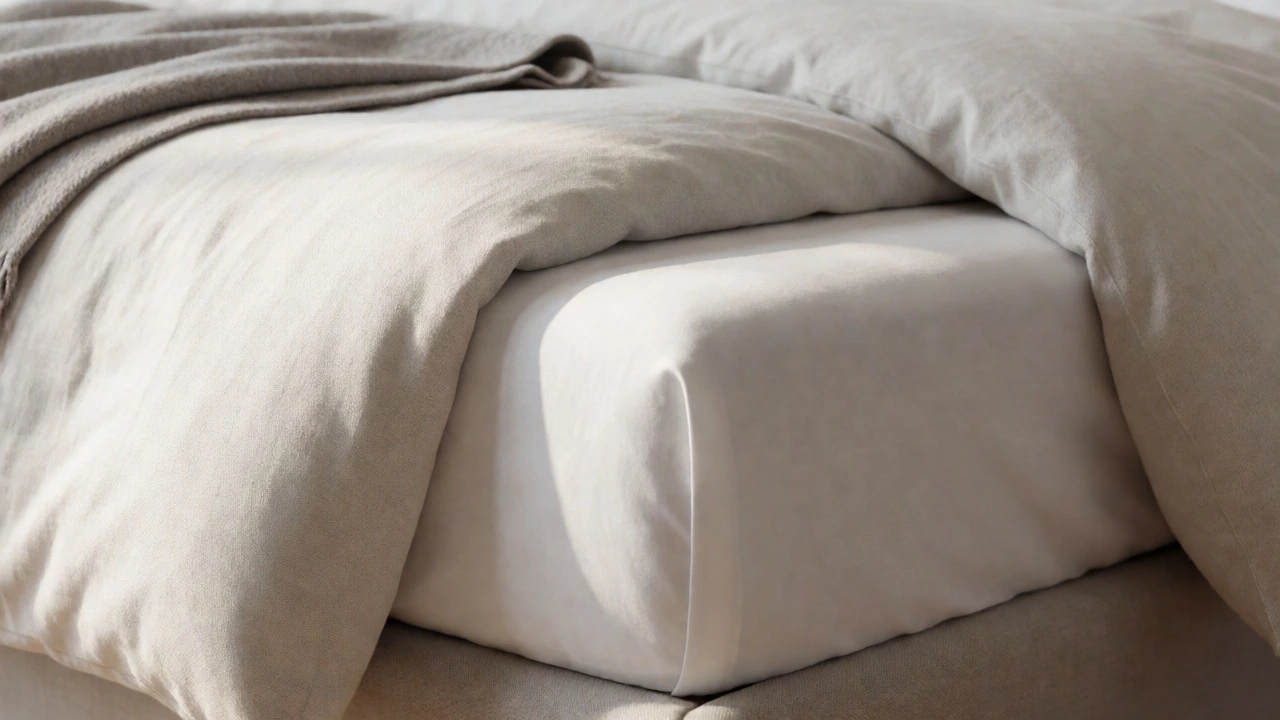
- Fitted Sheet: This goes over the mattress protector. It has elastic corners to grip the mattress. This is the first layer that touches your body (or pajamas). It’s definitely bedding.
- Flat Sheet: Also called a top sheet. You put this between the fitted sheet and your blanket. In many European countries, this layer is skipped entirely. In the US, it’s standard. It acts as a barrier so you don’t sweat directly into your heavy covers.
- Duvet Cover: This is a removable case for a duvet insert. You wash the cover frequently; you wash the insert rarely. This separation is key to modern bedding hygiene.
- Blankets and Throws: These add extra warmth. They can be wool, cotton, or synthetic. They are part of the bedding ensemble but are often moved around or removed seasonally.
Pillows and pillowcases are tricky. The pillowcase is bedding. The pillow itself is technically a "bed accessory" or "sleep aid," but most stores sell them under the bedding umbrella. For simplicity, we’ll include pillowcases in our definition, but remember the pillow core is a separate product category.
Bedding vs. Bed Linens: Are They Different?
You’ll see these terms used interchangeably online. Are they synonyms? Mostly, yes. But there is a subtle nuance that helps when you’re shopping.
Bedding is the broader term. It includes everything on the bed: sheets, blankets, duvets, comforters, and even decorative throws. It encompasses the entire textile environment of the bed.
Bed Linens (or just linens) usually refer specifically to the woven fabrics that go directly on the bed: sheets, pillowcases, and sometimes duvet covers. Historically, "linen" referred to fabric made from flax plants. Today, it’s a generic term for high-quality bed fabrics, regardless of material. So, all linens are bedding, but not all bedding is linen. A fluffy polyester comforter is bedding, but no one calls it a "linen."
Why does this matter? If you search for "luxury linens," you expect high-thread-count cotton or silk sheets. If you search for "winter bedding," you expect heavy duvets and thermal blankets. Knowing the difference saves you from clicking on irrelevant products.
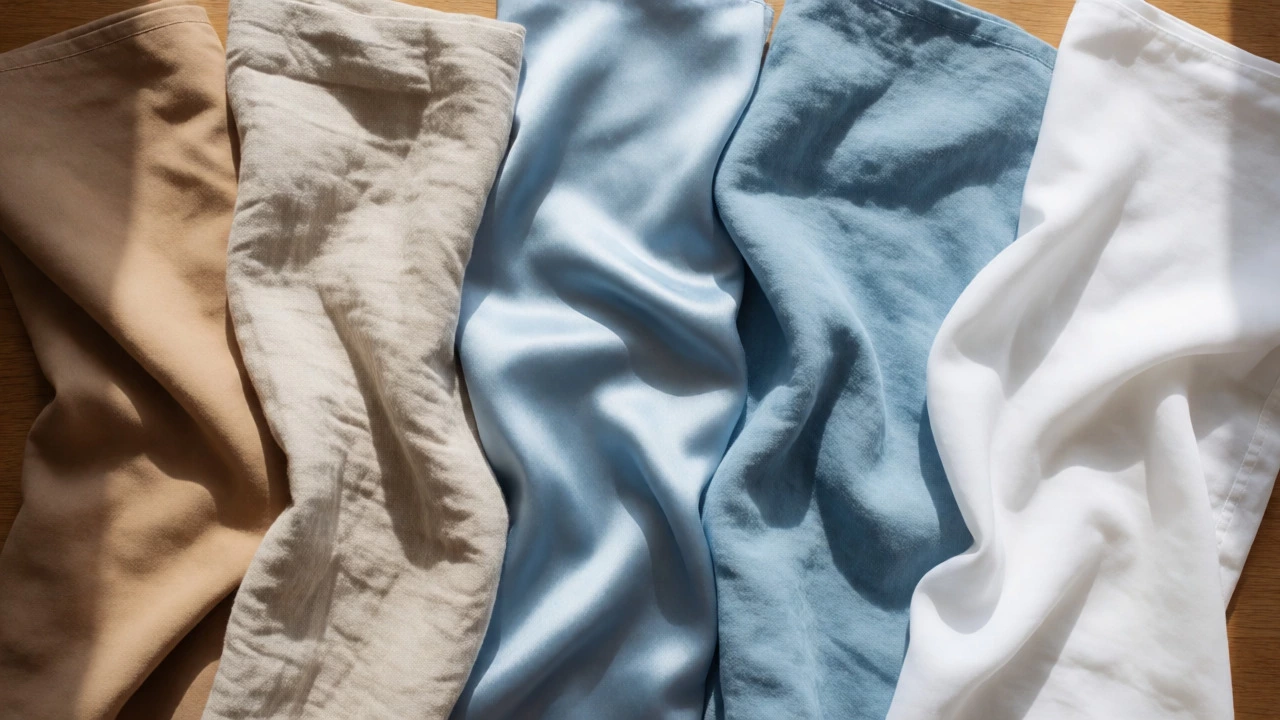
Materials Matter: Cotton, Silk, Bamboo, and Synthetics
The definition of bedding isn’t complete without discussing what it’s made of. Material dictates performance, price, and care instructions. Here’s how common materials stack up.
| Material | Best For | Feel & Performance | Care Level |
|---|---|---|---|
| Cotton | All seasons, hot sleepers | Breathable, durable, gets softer with age. Look for long-staple varieties like Egyptian or Pima. | Easy. Machine wash warm. |
| Linen | Hot climates, summer | Highly breathable, moisture-wicking. Wrinkles easily (part of its charm). | Medium. Shrinks slightly; needs gentle cycles. |
| Silk | Sensitive skin, hair health | Smooth, temperature-regulating. Expensive and delicate. | Hard. Hand wash or dry clean only. |
| Bamboo | Eco-conscious buyers, night sweats | Silky feel, antibacterial properties, very soft. | Easy. Machine wash cold. |
| Polyester | Budget-friendly, durability | Resistant to wrinkles and shrinking. Can trap heat. | Very Easy. Dries quickly. |
If you wake up sweaty, cotton or bamboo is your best bet. If you have eczema, silk reduces friction. If you want something cheap that lasts five years, polyester blends work fine. Don’t let marketing hype convince you that one material is universally "best." It depends on your climate and sensitivity.
Thread Count: The Myth That Won’t Die
Ask anyone about high-quality sheets, and they’ll mention thread count. Higher number equals better quality, right? Wrong. This is the biggest misconception in bedding definitions.
Thread count measures the number of horizontal and vertical threads per square inch. In theory, more threads mean tighter weaving. In practice, manufacturers cheat. They use multi-ply yarns (twisting two thin threads together) to inflate the number. A "1000 thread count" sheet might actually be a 500-count sheet using double-ply threads.
Here’s the rule of thumb: Anything above 800 is likely gimmicky. The sweet spot for high-quality cotton is between 300 and 500 thread count. Below 200 feels rough and wears out fast. Above 600, you’re paying for branding, not necessarily comfort. Focus on the fiber type (long-staple cotton) rather than the number alone.
How Often Should You Wash Your Bedding?
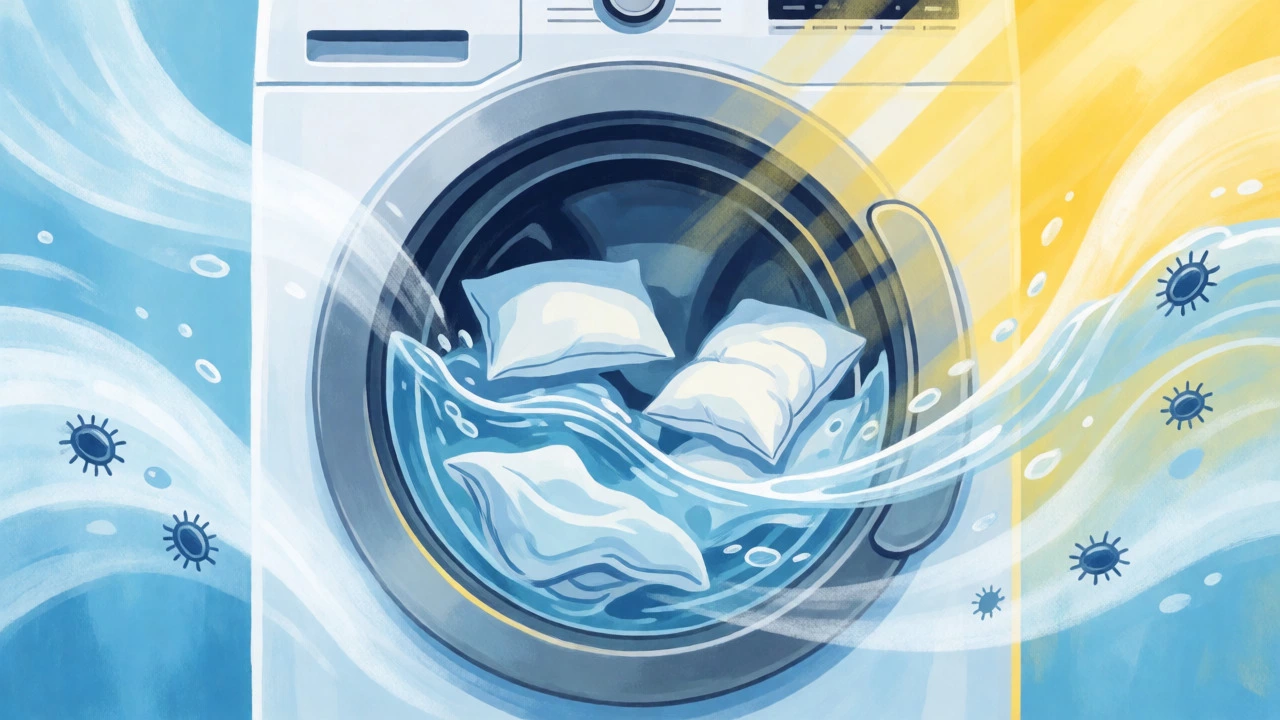
Now that you know what bedding is, you need to know how to maintain it. Dirty bedding harbors dead skin cells, sweat, and allergens. Studies suggest you shed millions of skin cells every night. Multiply that by seven nights, and you’ve got a buffet for dust mites.
Here is a practical washing schedule:
- Sheets and Pillowcases: Every 1-2 weeks. If you sweat heavily, have pets, or sleep naked, wash weekly.
- Duvet Covers: Every 2-4 weeks. Since they cover the duvet insert, they don’t need daily cleaning, but monthly is safe.
- Duvet Inserts/Comforters: Every 3-6 months. Check the label. Some can be machine washed; others require dry cleaning.
- Mattress Protectors: Every 1-2 months. These take the brunt of spills and moisture.
- Blankets: Seasonally, unless visibly dirty.
Use hot water (at least 60°C / 140°F) for whites and light colors to kill bacteria. Cold water is fine for dark colors to prevent fading. Tumble dry on low heat to avoid shrinkage, especially with natural fibers like cotton and linen.
Buying Guide: How to Choose the Right Bedding Set
Shopping for bedding can be overwhelming. There are hundreds of options on Amazon or Wayfair. Use this checklist to narrow it down before you click "Add to Cart."
- Measure Your Mattress: Depth matters more than length. Standard mattresses are 9-12 inches deep. Pillow-top mattresses can be 16+ inches. If you buy shallow fitted sheets, they will pop off at night. Look for "deep pocket" labels if your mattress is thick.
- Check the Closure Type: Duvet covers come with buttons, zippers, or ties. Zippers are easiest to use but can break. Buttons are secure but tedious. Ties keep the duvet from bunching inside the cover.
- Read Return Policies: Bedding is tactile. Photos lie. If a set feels scratchy after one wash, you want to return it. Ensure the retailer offers a reasonable window.
- Consider Climate Zones: Do you live in a humid area? Avoid heavy synthetics. Live in a dry, cold region? Wool or heavyweight cotton works well.
- Budget Realistically: You don’t need $500 sheets. A solid $50-$100 set of cotton percale or sateen will last years. Splurge on pillows, which degrade faster and affect neck support.
Related Concepts: Pillows, Mattresses, and Bed Frames
Bedding doesn’t exist in a vacuum. It interacts with other bedroom elements. Understanding these relationships helps you create a cohesive sleep system.
Pillows are the bridge between your head and the mattress. Memory foam, down, and latex are common types. While not strictly "bedding" textiles, they are essential components. Replace pillows every 1-2 years.
Mattresses are the foundation. Bedding protects the mattress. A good mattress protector extends the life of an expensive mattress by years. If your mattress is old and sagging, new sheets won’t fix your back pain.
Bed Frames provide structure. Slatted frames allow airflow beneath the mattress, reducing mold risk. Solid platform frames offer less ventilation. If you live in a humid climate, choose a slatted frame to help your bedding stay dry.
Troubleshooting Common Bedding Issues
Even with the right definition, things go wrong. Here are quick fixes for frequent problems.
- Sheets slipping off: Use suspenders or clips. Or switch to a deeper pocket fitted sheet.
- Duvet bunching: Tie the corners of the duvet insert to the inside corners of the cover. This keeps it evenly distributed.
- Static cling: Dryer sheets help, but wool dryer balls reduce static naturally and speed up drying time.
- Yellow stains: Sweat causes yellowing. Soak stained areas in hydrogen peroxide before washing. Avoid bleach on colored fabrics.
Is a mattress considered bedding?
No, a mattress is furniture. Bedding refers to the textiles placed on top of the mattress, such as sheets, blankets, and duvets. However, a mattress protector is often grouped with bedding accessories because it is a textile layer.
What is the difference between a duvet and a comforter?
A duvet is a plain, white insert that requires a removable cover. A comforter is a quilted, decorative blanket that is meant to be seen and usually cannot be washed as easily. Duvets allow for easier cleaning since you only wash the cover.
Do I really need a flat sheet?
Not necessarily. Many Europeans skip the flat sheet. It serves as a barrier between your body and the heavier duvet or blanket. If you prefer direct contact with your duvet cover, you can omit the flat sheet. It’s a matter of personal preference and hygiene habits.
How many sets of bedding should I own?
Experts recommend owning three sets: one on the bed, one in the laundry, and one spare. This ensures you always have clean sheets available, even if one set is being washed or damaged.
Can I use regular towels as bedding?
Technically, yes, but it’s not recommended. Towels are terry cloth, which is absorbent and bulky. They lack the breathability and smooth texture of woven bedding fabrics, which can disrupt sleep comfort and cause overheating.