What is the Hardest Wearing Rug? A Guide to Durable Flooring
Hard-Wearing Rug Selector
Answer the questions below to find the best rug material for your specific situation.
Recommended Material
Nylon
Why this matches your needs...
Maintenance Tip:
Vacuum regularly with adjustable height settings to prevent dirt from grinding into fibers.
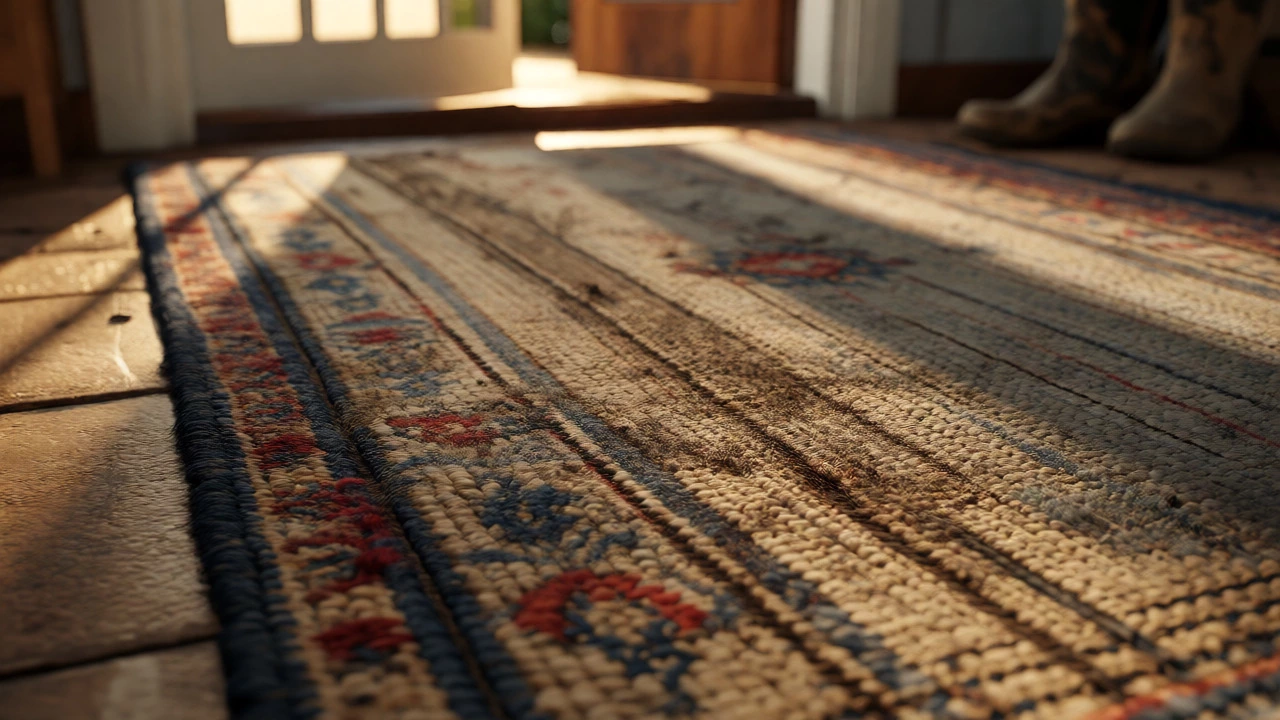
You’ve just paid a small fortune for a gorgeous new rug that looks like it belongs in a magazine spread. Six months later, you’re staring at a bald patch by the front door and a mysterious red stain near the sofa. It’s frustrating, right? We often buy rugs for their aesthetics, forgetting that they are high-performance tools designed to take a beating. If you have kids, pets, or just a busy household, you don’t need pretty-you need tough. The question isn’t just "what looks good," but "what will survive my life?"
The Short Answer: What Survives Best?
If you want the absolute toughest option available today, the answer depends on your specific enemy. Is it mud? Pet accidents? Or just heavy foot traffic? Generally speaking, Nylon is the king of durability for synthetic fibers, while Wool remains the champion for natural fibers. However, there is no single "best" material for every situation. A nylon rug might look cheap if not woven tightly, and wool can be ruined by bleach-based cleaners. To make the right choice, you need to understand what makes a rug "hard-wearing." It’s not just about the fiber; it’s about how that fiber is constructed.
| Material | Durability Score (1-10) | Stain Resistance | Best For | Cleanliness |
|---|---|---|---|---|
| Nylon | 9/10 | High (if treated) | Hallways, Kids' Rooms | Easy to clean, resists crushing |
| Polypropylene (Olefin) | 7/10 | Very High | Outdoor, Basements, Kitchens | Mold/mildew resistant, stains lift easily |
| Wool | 8/10 | Moderate (natural oils) | Living Rooms, Stairs | Naturally repels dirt, but needs care |
| Polyester | 6/10 | Low (oil-based stains) | Low Traffic Bedrooms | Soft, but flattens over time |
| Jute/Sisal | 5/10 | Low (absorbs water) | Dry Areas, Rustic Decor | Difficult to spot clean |
Why Nylon Takes the Crown for Toughness
When flooring experts talk about resilience, they use a metric called "abrasion resistance." This measures how well a fiber withstands friction from shoes, furniture legs, and paws. Nylon consistently scores highest here. Why? Because nylon has excellent elastic recovery. Think of it like a spring. When you step on a nylon pile, the fibers compress under your weight. When you lift your foot, they bounce back to their original shape. Cheap polyesters tend to stay crushed, leading to those ugly "traffic lanes" down the middle of your hallway. Nylon doesn’t do that as easily. There is a catch, though. Raw nylon absorbs moisture, which means it can stain if you spill wine or coffee and leave it. But modern manufacturing solves this. Look for rugs labeled with "solution-dyed" nylon or treated with stain guards like Scotchgard. Solution-dyed nylon has the color locked into the fiber core during creation, rather than painted on top. This makes it incredibly fade-resistant and easier to clean because the stain sits on the surface longer, giving you time to blot it up.
The Natural Choice: Wool’s Hidden Strengths
If you hate synthetics, don’t despair. Wool is arguably the most sophisticated hard-wearing material available. It’s not just soft; it’s smart. Wool fibers have a scaly outer layer that naturally repels dirt and dust. Unlike synthetics, which can generate static electricity and attract lint, wool stays cleaner for longer. It also has a natural crimp, which gives it similar bounce-back properties to nylon. However, wool requires respect. You cannot treat it like a plastic mat. Using harsh alkaline cleaners or steam cleaning improperly can shrink wool or strip its natural lanolin oils, making it dull and brittle. In Auckland’s damp climate, wool is also hygroscopic-it absorbs moisture from the air. This helps regulate humidity in your home, but it means wool rugs must dry thoroughly after cleaning to prevent mildew. For high-traffic areas like entryways, a dense, short-pile wool rug (like a flatweave or low-cut Berber) is far more durable than a long, shaggy one. The shorter the pile, the less chance there is for fibers to tangle or wear down unevenly.
Polypropylene: The Budget-Friendly Workhorse
Often sold as "Olefin," Polypropylene is the go-to choice for outdoor rugs, basements, and playrooms. Its superpower is chemical resistance. It doesn’t absorb water, so mold, mildew, and bacteria struggle to grow on it. This makes it ideal for households with pets who might have accidents. You can literally hose down many polypropylene rugs and let them dry in the sun. The downside? Polypropylene has poor heat sensitivity. If you drag a hot pan across it, it can melt. It also tends to crush more easily than nylon, so avoid it in formal dining rooms where chair legs constantly pivot. But for a kid’s bedroom or a covered porch, it’s unbeatable value. It’s lightweight, easy to move, and generally costs half as much as wool or high-end nylon. Just ensure it’s UV-stabilized if it’s going anywhere near direct sunlight, or the colors will fade within a year.
Construction Matters More Than Fiber
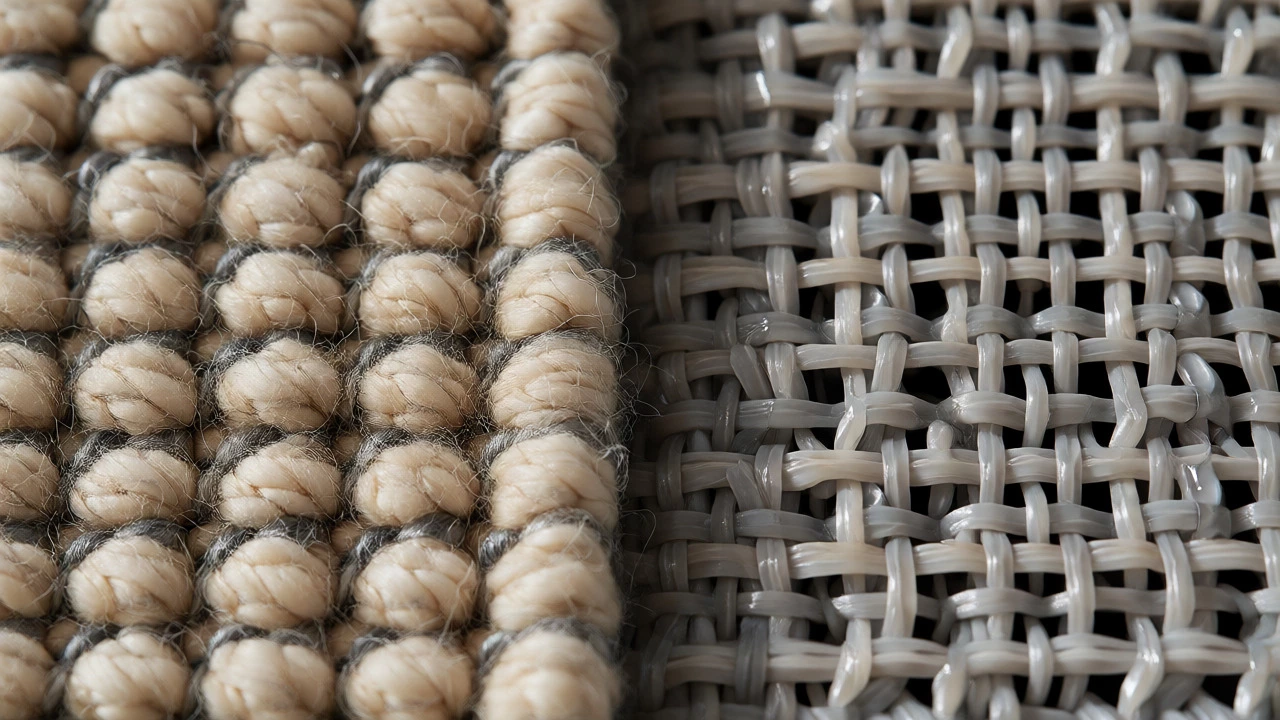
You can pick the toughest fiber in the world, but if the construction is loose, the rug will fail. Density is the secret weapon of hard-wearing rugs. Hold a corner of the rug and bend it backward. Can you see the backing clearly? If yes, the rug is loosely woven. Air and dirt can penetrate deep into the foundation, grinding against the fibers and causing premature wear. You want a rug where the pile is packed tight, hiding the backing almost completely. Also, consider the pile height. Shag rugs look cozy, but they trap dirt deep at the base, which acts like sandpaper when walked on. For maximum longevity, choose low-pile options:
- Flatweaves: No pile to crush. Ideal for high-traffic hallways.
- Berber: Looped fibers distribute weight evenly and hide soil well.
- Saxony Plush: Only choose this if it’s made of nylon or solution-dyed polyester; otherwise, it shows footprints instantly.
Real-Life Scenarios: Matching Rug to Room
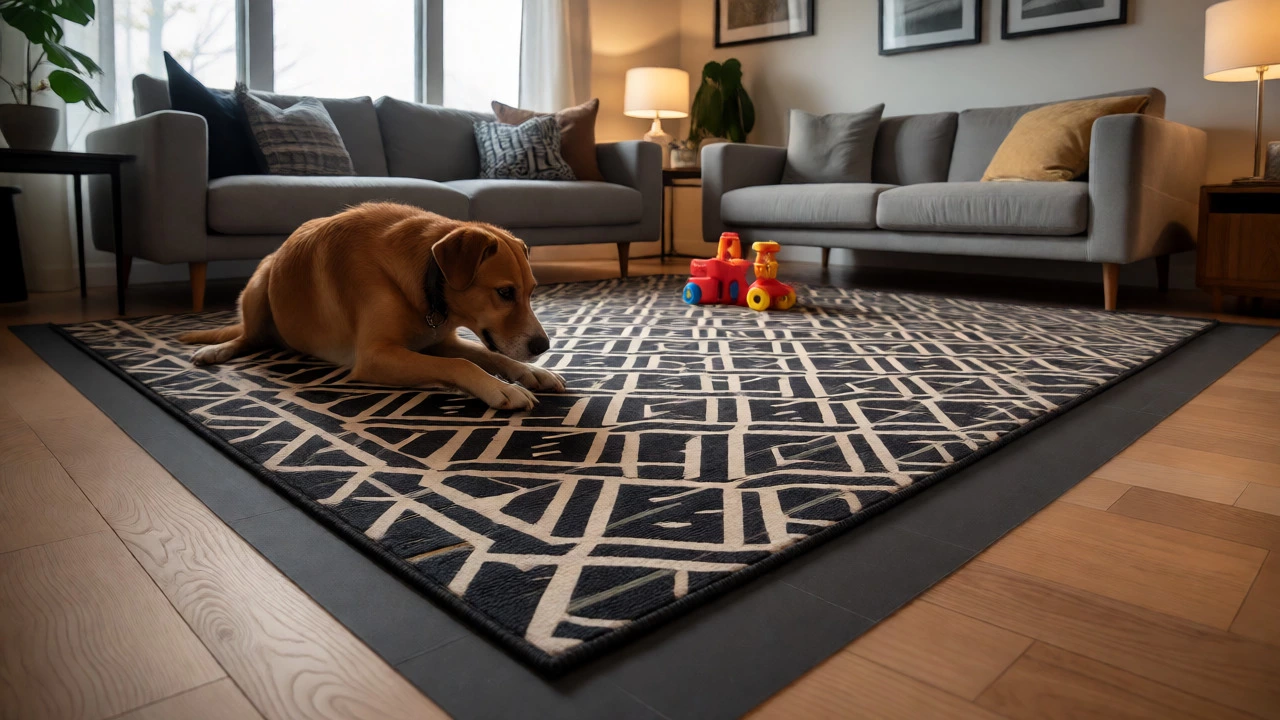
Let’s get practical. Where exactly is this rug going? Your choice should change based on location. The Entryway: This is the war zone. Mud, rain, grit, and umbrellas. Here, you need something you can shake out or vacuum aggressively. A dark-colored, low-pile polypropylene or sisal blend works best. Avoid light wool here unless you enjoy professional cleaning monthly. The grit from outside is abrasive; it cuts into fibers like microscopic glass shards. The Living Room: This area sees feet, pets, and spilled drinks. It needs comfort but also resilience. A dense nylon loop-pile or a sturdy wool Axminster is perfect. These constructions resist crushing from furniture legs. If you have a dog that scratches before lying down, avoid delicate hand-knotted silks or viscose-they shred instantly. The Dining Room: Chair legs are the enemy. Every time someone slides their chair back, they pull on the fibers. Use a rug pad specifically designed for hard floors to add cushioning and reduce friction. Choose a patterned rug here; solid colors show every crumb and drop. A multi-color geometric print in nylon will hide the sins of dinner parties better than anything else.
Maintenance: How to Keep It Hard-Wearing
Even the toughest rug fails without basic care. Vacuuming is non-negotiable. Dirt is abrasive. If you leave it, it grinds the fibers down. Use a vacuum with adjustable height settings-too high, and you miss dirt; too low, and you stress the motor and potentially damage the fringe. Rotate your rug every six months. Most people walk the same path to the kitchen or sofa. Rotating evens out the wear patterns, preventing one side from looking threadbare while the other looks new. For spills, act fast. Blot, never rub. Rubbing pushes the liquid deeper and frays the fibers. Use a white cloth so dye doesn’t transfer from the rag to the rug. For pet urine, enzyme cleaners are essential. They break down the proteins that cause odors. Standard detergents just mask the smell until the next humid day.
Frequently Asked Questions
Is wool or nylon more durable for a family home?
Nylon is technically more durable regarding abrasion and stain resistance, especially if solution-dyed. It bounces back better from heavy furniture and cleans easier. Wool is highly durable and naturally stain-resistant due to lanolin, but it requires gentler cleaning methods and is more expensive. For a messy family home with young children, nylon is usually the safer bet for longevity.
Can I use an outdoor rug indoors?
Yes, absolutely. Outdoor rugs are typically made of polypropylene, which is extremely durable, waterproof, and easy to clean. Many homeowners use them in kitchens, mudrooms, or patios. The only drawback is that they can feel stiffer and less luxurious underfoot compared to indoor-specific rugs. Ensure it has a non-slip backing if used on smooth indoor floors.
How does rug density affect durability?
Density refers to how tightly the fibers are packed together. Higher density means less space between yarns, making it harder for dirt to reach the backing and grind the fibers down. Dense rugs also resist crushing and matting better than loosely woven ones. To test density, fold the rug corner-to-corner; if you can see the backing clearly, it is likely low-density and less durable for high-traffic areas.
Are jute and sisal rugs hard-wearing?
They are strong but not forgiving. Jute and sisal are natural plant fibers that are tough against tearing but vulnerable to moisture. Water spots, pet accidents, and high humidity can cause staining or mildew. They are best suited for dry, low-traffic areas or decorative purposes. If you have a wet climate like Auckland, they require careful placement away from doors tracked with rain.
Does rug padding help extend the life of a rug?
Yes, significantly. A good rug pad acts as a shock absorber, reducing the impact of foot traffic on the fibers. It also prevents the rug from sliding, which causes friction and bunching that can tear the weave. Pads allow air to circulate beneath the rug, helping it dry faster after cleaning and preventing mold growth on the floor underneath.
Final Thoughts on Longevity
Buying a hard-wearing rug is an investment in peace of mind. You aren’t just buying decoration; you’re buying five to ten years of not worrying about every muddy footprint. Start with the function of the room, then choose the fiber. Nylon for toughness, wool for elegance and natural resilience, and polypropylene for budget-friendly, wet-area protection. And remember, the best rug is the one you maintain. Regular vacuuming and prompt stain treatment will do more for your rug’s lifespan than any marketing label ever could.