What Is the Best Bedding Choice for Better Sleep and Comfort?
Bedding Style Finder
Let's Find Your Perfect Bedding
Your Personalized Recommendation
Key Features:
- Fabric:
- Weave:
- Thread Count:
- Pillow Type:
- Duvet Recommendation:
Choosing the right bedding isn’t about matching your duvet to your rug or picking the shiniest thread count. It’s about how well you sleep. If you wake up sweaty, itchy, or stiff, your bedding might be the culprit-not your mattress. The best bedding choice depends on your body, your climate, and how you sleep. There’s no one-size-fits-all answer, but there are clear, practical ways to find what works for you.
What Bedding Materials Actually Matter?
Not all fabrics are created equal when it comes to sleep. Cotton, linen, bamboo, and microfiber all claim to be the best, but they perform very differently.
Cotton is the most common for a reason. It’s breathable, soft, and easy to wash. Look for long-staple cotton like Egyptian or Pima. These fibers are stronger and smoother, which means they last longer and feel less scratchy. A 200-400 thread count cotton sheet is ideal. Anything higher than 500 is often marketing fluff-those threads are too thin and don’t improve comfort.
Linen is the cool kid of bedding. It’s made from flax and naturally wicks moisture away. If you sleep hot, linen might be your best bet. It gets softer with every wash and holds up for decades. The downside? It wrinkles like crazy. If you like a crisp, hotel-style look, linen might frustrate you. But if you want cool, airy sleep and don’t mind a relaxed vibe, it’s unbeatable.
Bamboo is marketed as eco-friendly and silky smooth-and it often is. But not all bamboo sheets are real bamboo. Many are rayon made from bamboo pulp, which is chemically processed. Look for labels that say “100% bamboo lyocell.” That means it’s made with a closed-loop process that’s safer for the environment. Bamboo lyocell feels like silk but breathes like cotton. It’s great for sensitive skin and humidity-prone rooms.
Microfiber is cheap and durable, but it traps heat. If you’re on a tight budget and don’t overheat at night, it’s fine. But if you sweat or have allergies, avoid it. Microfiber doesn’t breathe well and can hold onto dust mites and odors.
Thread Count Isn’t the King-Breathability Is
You’ve seen the ads: “1000-thread count! Luxurious!” But thread count alone tells you nothing. A 1200-thread count sheet made from flimsy, double-ply yarn is thinner and less durable than a 300-thread count sheet made from single-ply long-staple cotton.
What matters more is weave type. Percale has a plain weave that feels crisp and cool. It’s ideal for hot sleepers. Sateen has a satin weave that feels silky and warm. It’s better for cooler climates or people who get chilly at night. If you switch between seasons, consider owning both.
Also, don’t ignore the weight. Lightweight sheets (under 100 GSM) are better for summer. Heavier ones (120-180 GSM) add warmth in winter. Some brands now make all-season sheets with a blend of cotton and TENCEL™-a regenerated cellulose fiber that regulates temperature automatically.
What About Pillows and Duvets?
Bedding isn’t just sheets. Your pillow and duvet are just as important.
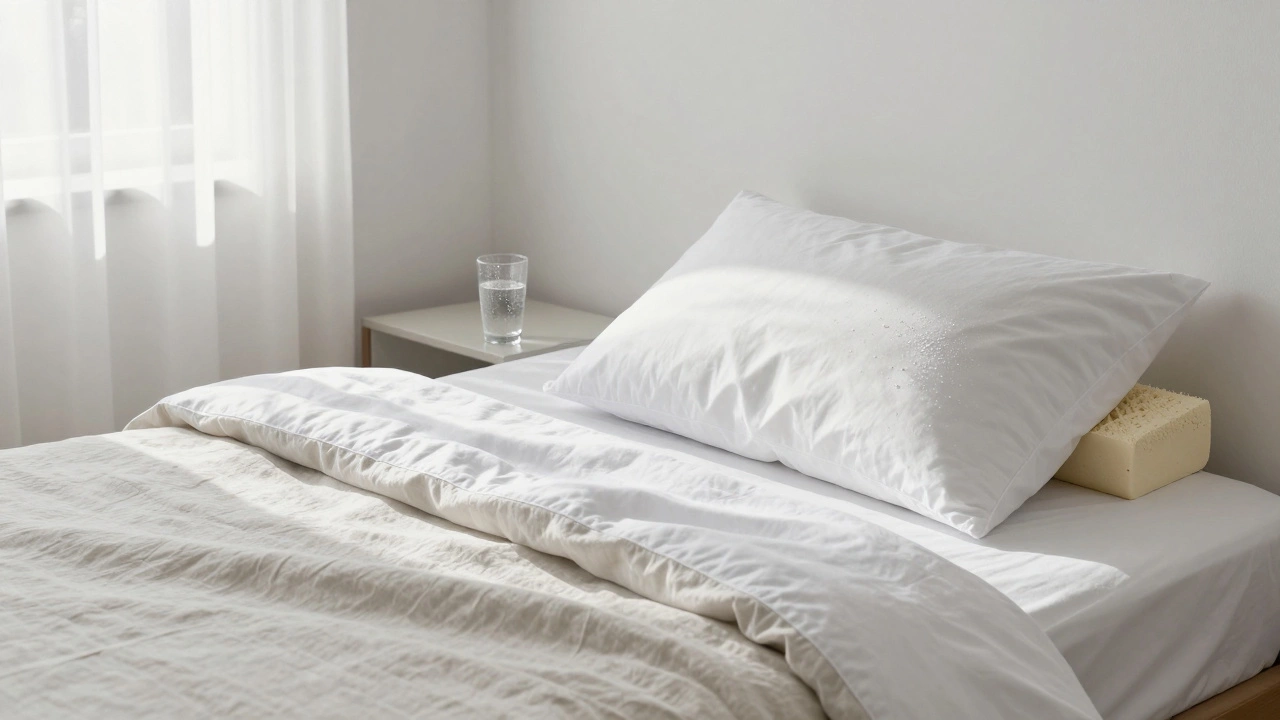
For pillows, memory foam works if you need neck support. But if you sleep on your side and wake up with a stiff neck, try a shredded latex pillow. It molds to your head, stays cool, and doesn’t flatten out like down. Down alternatives made with hypoallergenic synthetic fibers are great for allergy sufferers. They mimic the loft of down without the dust mites.
Duvets need filling you can trust. Down-filled duvets are warm and lightweight, but only if they’re ethically sourced (look for RDS certification). For a non-animal option, choose a synthetic fill with a high fill power (600+). The higher the number, the more air it traps-and the warmer it stays without adding bulk.
Most people don’t realize that duvet covers matter too. A cotton or linen cover with a 200-300 thread count lets air flow while protecting your insert. Avoid polyester covers-they trap heat and make your duvet feel like a sauna.

How Your Sleep Style Changes Everything
Back sleepers? You need medium-firm support under your neck and low-profile pillows. Cotton percale sheets help keep your spine aligned by letting your body move naturally without sticking.
Side sleepers? You need extra cushioning for hips and shoulders. A slightly heavier sheet (like sateen) and a plush pillow insert help reduce pressure points. Bamboo sheets are ideal here-they’re smooth enough to let your skin glide without friction.
Stomach sleepers? You need the flattest pillow possible. Too much loft twists your neck. Go for a thin cotton or linen pillowcase. Avoid silk pillowcases unless you’re using them for hair protection-they’re too slippery for stomach sleepers and can cause you to shift uncomfortably during the night.
Hot sleepers? Prioritize linen or bamboo lyocell. Skip synthetic blends. Use a breathable duvet with a low tog rating (3.5-7). Open your windows at night if you can. If you live in a humid city like Atlanta or Miami, moisture-wicking fabrics aren’t a luxury-they’re a necessity.
Cold sleepers? Layer up. Start with a flannel sheet set. Add a wool or fleece blanket under your duvet. Use a higher tog duvet (10-13.5). Cotton sateen holds warmth better than percale. Avoid bamboo unless it’s blended with a warm fiber like merino wool.
What to Avoid in Bedding
Many bedding brands use buzzwords to sell you something you don’t need.
- “Silver-infused” fabric-claims to kill bacteria. Real silver nanoparticles degrade after a few washes. It’s not worth the extra cost.
- “Antimicrobial” treatments-often chemical coatings that wear off. Wash your sheets weekly instead.
- High thread count (over 500)-usually just thin threads packed tightly. They tear easily and feel flimsy.
- Non-breathable synthetics-polyester, rayon from bamboo (non-lyocell), and acetate trap heat and moisture. They’re fine for guest rooms, not your bed.
Also, skip the “luxury” brands that charge $300 for a fitted sheet with no real material advantage. Stick to brands that list fiber content clearly and offer a sleep trial. If they don’t let you return it after 30 nights, they’re not confident in their product.
Real-World Examples That Work
Here’s what actual people sleep on-no fluff, just results.
Anna, 42, lives in Austin, Texas. She sweats through every night. She switched from cotton to bamboo lyocell sheets and a shredded latex pillow. Within two weeks, her night sweats dropped by 80%. She now washes her sheets every five days and hasn’t bought new ones in two years.
Mark, 58, has arthritis. He needs extra cushioning. He uses a 300-thread count cotton sateen sheet, a medium-firm memory foam pillow, and a 10.5 tog down alternative duvet. He wakes up without pain for the first time in a decade.
Jamila, 29, has eczema. She tried everything-silk, bamboo, even organic cotton. Nothing worked until she switched to GOTS-certified organic cotton sheets and a hypoallergenic down alternative pillow. Her flare-ups disappeared within a month.
How to Test Your Bedding
You don’t need to spend hundreds to find the right fit. Try this simple checklist:
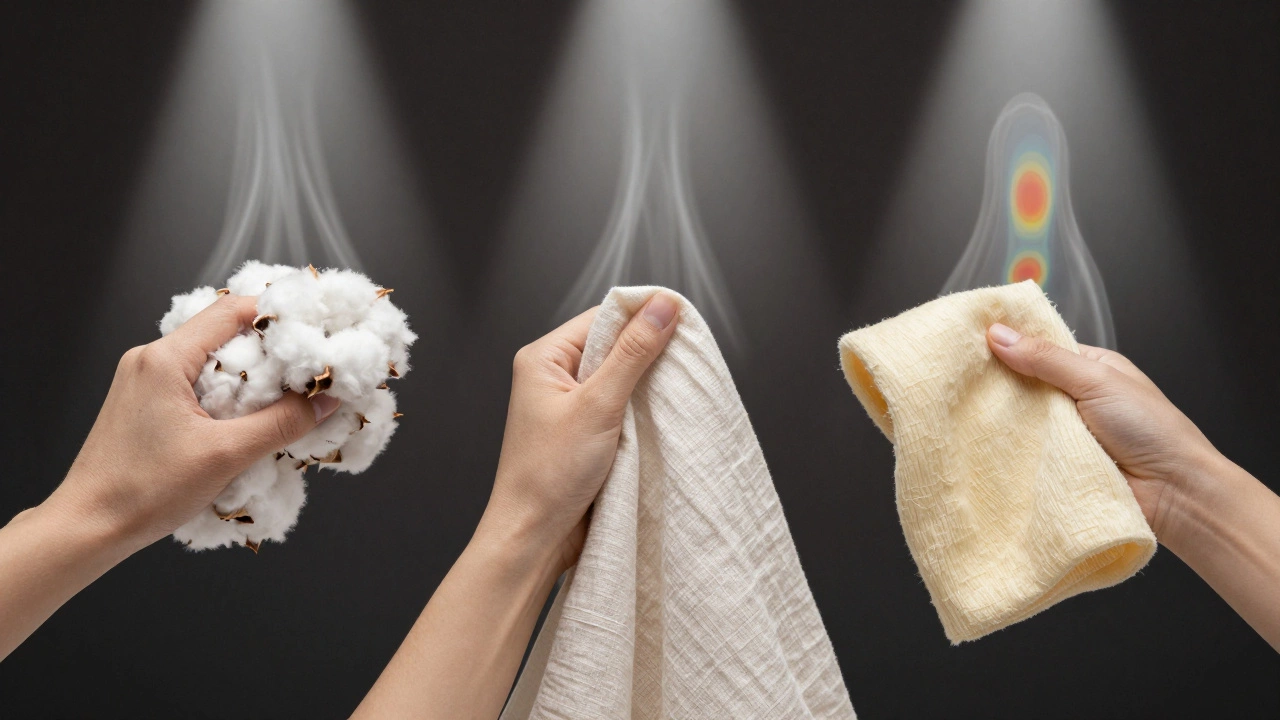
- Touch it. Does it feel cool to the skin? If it feels warm or sticky, it’s probably synthetic.
- Hold it up to the light. Can you see through it? If yes, it’s lightweight and breathable.
- Wrinkle it. If it springs back smooth, it’s sateen. If it holds the crease, it’s percale.
- Smell it. New bedding should smell like nothing. If it smells chemical, avoid it.
- Wash it. Does it shrink or fade after the first wash? Good bedding shouldn’t.
Buy one set first. Sleep on it for 30 nights. If you wake up feeling rested, not sticky, and not itchy-you’ve found your match.
When to Replace Your Bedding
Most people keep sheets until they’re threadbare. That’s a mistake.
Cotton sheets last 2-3 years with regular washing. Linen lasts 5-10 years. Bamboo lyocell holds up for 3-5 years. If your sheets feel thin, look gray instead of white, or have tiny holes near the seams, it’s time to replace them.
Don’t wait for visible damage. If you’ve had the same set since 2022 and your sleep quality has dropped, replace them. Your body notices the difference before you do.
What is the best bedding for hot sleepers?
The best bedding for hot sleepers is made from breathable, moisture-wicking fabrics like linen or bamboo lyocell. Choose percale weave sheets with a thread count between 200 and 400. Avoid polyester, microfiber, and synthetic blends. Pair with a low-tog duvet (3.5-7) and a pillow with cooling gel or shredded latex filling.
Is higher thread count always better?
No. Thread count above 500 usually means thin, low-quality threads are packed tightly together. A 200-400 thread count made from long-staple cotton or linen feels better, lasts longer, and breathes more effectively. Focus on fiber quality and weave type instead.
How often should I replace my sheets?
Replace cotton sheets every 2-3 years, bamboo lyocell every 3-5 years, and linen every 5-10 years. Signs it’s time: thinning fabric, visible pilling, fading color, or a rough feel. If you’re waking up more tired or itchy, replace them even if they look fine.
Are bamboo sheets really better than cotton?
Bamboo lyocell sheets are softer and more moisture-wicking than standard cotton, making them better for hot sleepers and sensitive skin. But long-staple cotton (like Pima or Egyptian) is more durable and easier to care for. Bamboo is better for comfort; cotton is better for longevity. Choose based on your sleep needs, not marketing claims.
What bedding is best for allergies?
Choose GOTS-certified organic cotton or hypoallergenic synthetic fills for pillows and duvets. Avoid down and feather products unless they’re certified allergen-free. Wash sheets weekly in hot water (at least 130°F) to kill dust mites. Use a tightly woven cover (300+ thread count) on your mattress to block allergens.
If your bedding feels like a second skin-not too hot, not too cold, not itchy or clingy-you’ve got it right. Don’t chase trends. Don’t overpay. Just find what lets you fall asleep fast and wake up refreshed. That’s the real luxury.