What Bathroom Accessories Do I Need? The Essential Checklist
Bathroom Essentials Budget Planner
Select the items you need below to see a estimated cost breakdown. Prices are average estimates for mid-range quality materials.
Your Shopping List
- No items selected yet
You just moved into a new place, or maybe you finally finished that renovation. You have the tiles, the tub, and the sink. But standing in the middle of an empty room, you realize something is missing. It feels cold. It feels unfinished. And frankly, it’s hard to use if you don’t know where your toothbrush goes.
Figuring out bathroom accessories isn’t just about decoration. It’s about function. If you can’t hang a towel without it falling off a hook, or if your shampoo bottles are sliding around in the shower, your daily routine becomes annoying. We’ve all been there. So, let’s cut through the noise. You don’t need every gadget sold in the aisle. You need the right ones for how you actually live.
The Core Four: What You Absolutely Need
Start with the basics. These four items are non-negotiable for any functioning bathroom. Without them, you’re essentially washing up in a wet room with no support system.
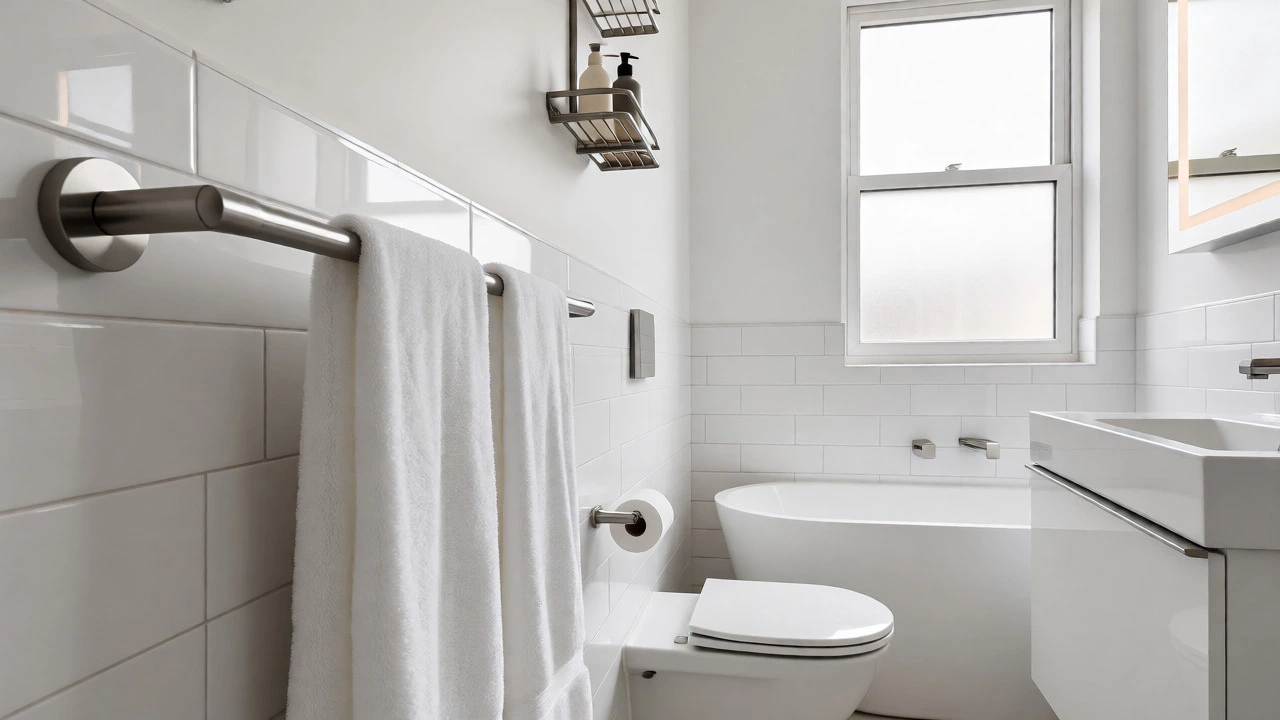
First, you need a way to dry yourself properly. A towel bar is superior to hooks for bath towels because it allows air to circulate through the fabric, preventing that damp, musty smell. Hooks are fine for hand towels, but give your big towels room to breathe. Look for stainless steel or brushed nickel finishes; they resist corrosion from the humidity far better than cheap chrome plating.
Next, consider where you put things while you wash. A shower caddy is critical if your shower lacks built-in niches. There are two main types: corner shelves that mount to the wall and hanging baskets that sit on the showerhead pipe. Wall-mounted options hold more weight and look cleaner, but they require drilling. Hanging options are renter-friendly and easy to install, though they can wobble if you load them too heavily.
Then there’s the toilet paper situation. It sounds trivial until you’re mid-use and realize you have nowhere to put the roll. A toilet paper holder should be mounted at a height of 26 inches from the floor and 8-12 inches in front of the toilet flange. This ergonomic sweet spot prevents awkward reaching. Free-standing holders are a great alternative if you’re renting or hate drilling holes in tile.
Finally, you need a mirror. Not just any mirror, but one that helps you groom. Standard mirrors work, but if you shave or do makeup, a magnifying mirror attached to the main unit is a game-changer. Position it so you aren’t twisting your neck to see your reflection clearly.
Hygiene and Health Essentials
Bathrooms are humid environments. Humidity breeds mold and bacteria. Your accessories play a huge role in keeping this space sanitary. This isn’t just about aesthetics; it’s about health.
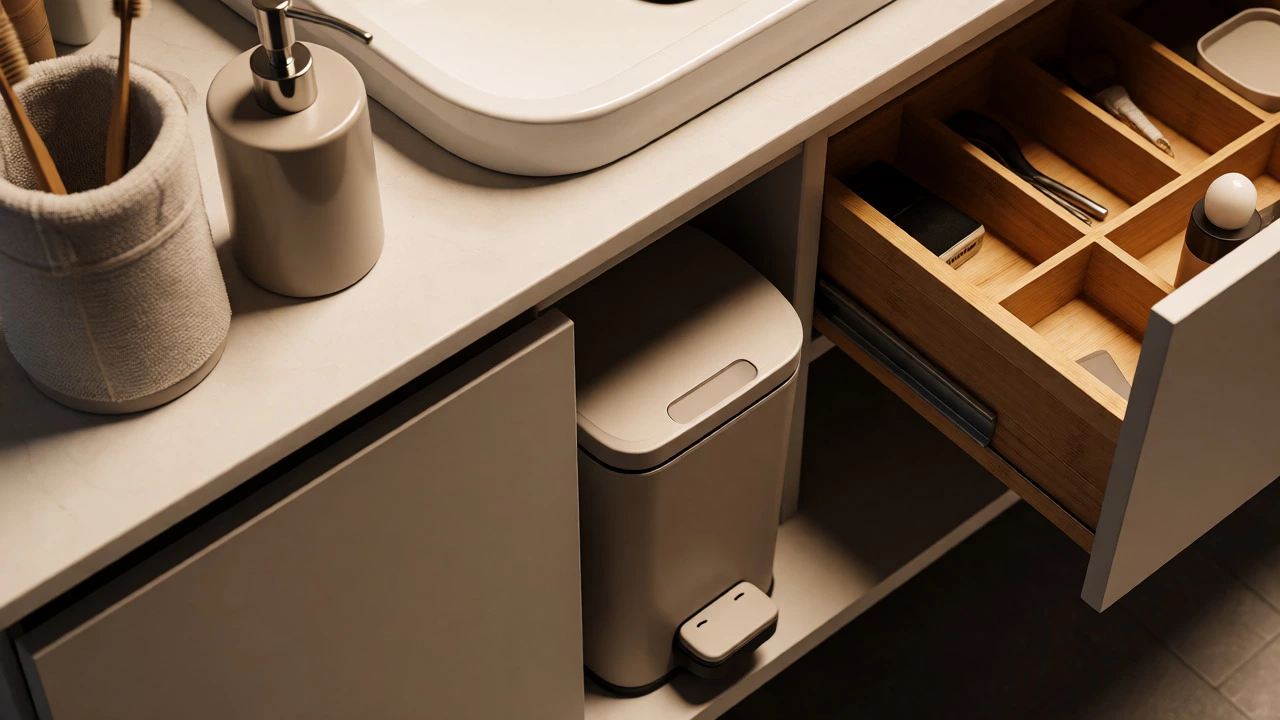
A trash bin with a lid is essential. Open bins collect dust and allow odors to escape. Look for a pedal-operated bin made of plastic or coated metal. Plastic is easier to wipe down and won’t rust. Keep it small-around 4 to 6 liters-to encourage frequent emptying. Large bins become graveyards for forgotten tissues.
Toothbrush storage is another overlooked area. Leaving brushes on the counter exposes them to airborne particles, especially when you flush the toilet (yes, aerosolized water droplets travel). Use a toothbrush holder with a cover or store them in a closed cabinet. If you prefer countertop visibility, choose a holder with ventilation slots to keep bristles dry. Wet bristles are breeding grounds for bacteria.
Don’t forget the soap dish. Bar soap left on a flat surface turns into a slippery sludge within hours. Use a dish with drainage holes or a self-draining tray. For liquid soap, a soap dispenser keeps the pump mechanism clean and reduces waste compared to refilling bottles constantly. Mounting dispensers to the wall frees up counter space and makes cleaning the surface underneath much easier.
Organization and Storage Solutions
If you share a bathroom, clutter is your enemy. You need systems that separate items by user or category. This is where smart organization pays off.
Over-the-door organizers are unsung heroes in small bathrooms. They utilize vertical space that usually goes to waste. Use them for hair tools, extra toiletries, or cleaning supplies. Ensure the door has enough clearance to open fully without hitting the organizer.
For drawers, loose items create chaos. Use drawer dividers to keep cosmetics, razors, and medicine organized. Adjustable bamboo or plastic dividers fit most standard drawer sizes. Labeling sections helps everyone find what they need and put it back.
Shelves are versatile. Floating shelves add visual interest and storage without taking up floor space. Glass shelves look light and airy, while wood adds warmth. Just ensure they are anchored securely into studs or use heavy-duty anchors for drywall. Avoid placing heavy items like full-size lotion bottles on thin glass shelves unless they are specifically rated for the weight.
| Storage Type | Best For | Installation Difficulty | Durability |
|---|---|---|---|
| Wall-Mounted Cabinet | Hiding clutter, storing meds | Medium (Drilling required) | High |
| Freestanding Shelf | Renters, flexible layouts | Easy (No tools) | Medium |
| Magnetic Strip | Tweezers, scissors, nail files | Easy (Adhesive) | Low (Can peel) |
| Vanity Tray | Perfumes, jewelry, daily items | None | High |
Comfort and Safety Add-Ons
Safety often gets ignored until someone slips. Bathrooms are inherently dangerous due to water on smooth surfaces. Investing in safety accessories protects you and your family.
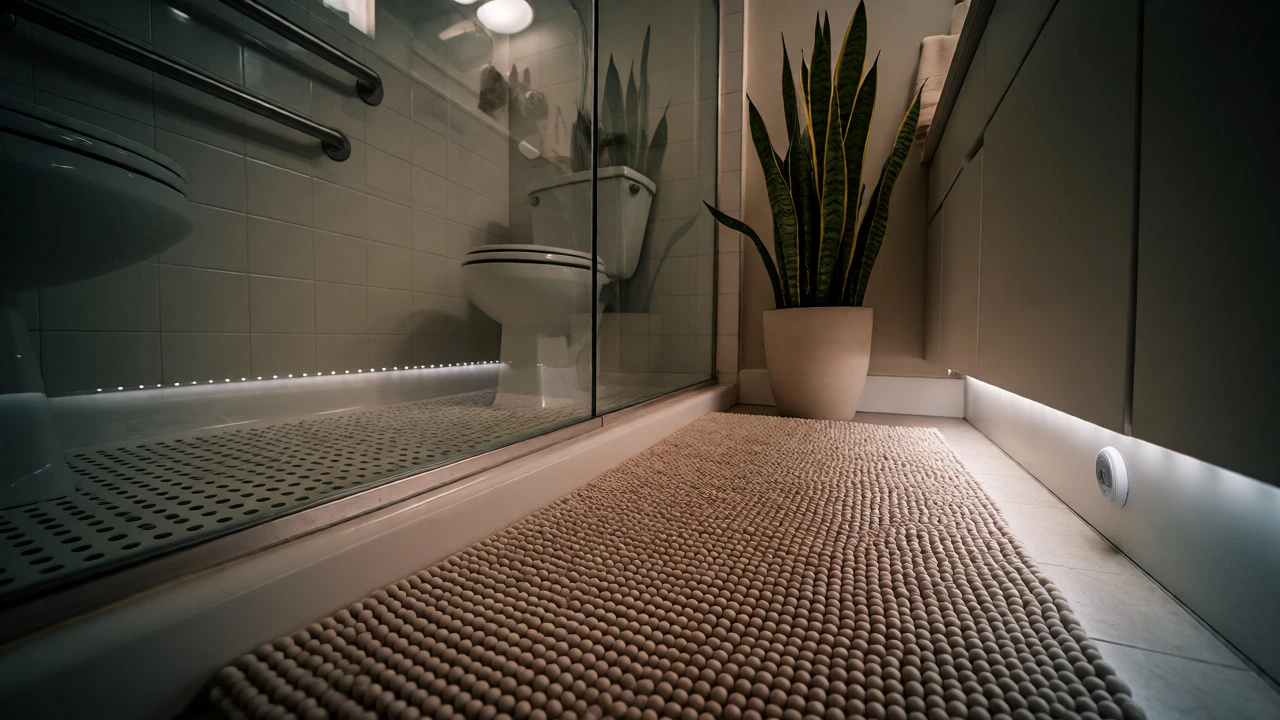
A bath mat is different from a rug. It needs absorbent properties and a non-slip backing. Place one immediately outside the tub or shower. Memory foam mats offer comfort for feet, but rubber-backed cotton mats dry faster and resist mildew better. Wash them weekly to prevent bacterial buildup.
Inside the shower or tub, a non-slip mat is crucial. Suction cups can fail over time, so check them regularly. For elderly users or those with mobility issues, grab bars are not optional-they are medical necessities. Install them near the toilet and inside the shower. Ensure they are screwed into studs, not just drywall, to support body weight safely.
Lighting affects mood and safety. While not an "accessory" in the traditional sense, adding a plug-in nightlight or motion-sensor LED strip under vanity cabinets improves nighttime navigation. It prevents stubbed toes and reduces the shock of bright overhead lights at 3 AM.
Aesthetic Touches That Actually Work
Once functionality is sorted, you can focus on style. But even here, practicality matters. Don’t buy decorative items that are hard to clean.
Curtains are functional decor. A shower curtain liner is mandatory to keep water in the tub. Pair it with a decorative outer curtain for style. Choose synthetic materials like polyester or PEVA for the liner; they repel water and resist mold. Cotton liners look nice but require frequent washing and drying.
Plants bring life to a sterile room. However, real plants need light and humidity management. Low-light tolerant plants like snake plants or pothos thrive in many bathrooms. Artificial plants are a low-maintenance alternative if your bathroom has no windows. Dust them regularly, as they collect grime quickly in humid air.
Aromatherapy diffusers or reed sticks help mask odors. Reed sticks are passive and safe; they don’t require electricity or water refills. Place them away from direct airflow to extend their lifespan. Candles add ambiance but pose a fire risk if left unattended. Battery-operated candles are a safer bet for small spaces.
Common Mistakes to Avoid
People often buy too much or the wrong materials. Here’s how to save money and hassle.
- Buying mismatched finishes: Stick to one metal finish (e.g., all matte black or all brushed gold) for hardware. Mixing finishes looks chaotic unless done intentionally by a designer.
- Ignoring ventilation: If your bathroom has poor airflow, avoid fabric accessories like heavy curtains or rugs that trap moisture. They will smell bad quickly.
- Over-decorating counters: Countertops should be clear for wiping. Store daily items in drawers or on shelves. Clutter collects dust and makes cleaning impossible.
- Skipping the trash bag holder: If your bin doesn’t have a rim clip, bags slide down. Buy a simple ring holder or a bin designed to grip bags tightly.
Final Thoughts on Building Your Kit
You don’t need to buy everything at once. Start with the core four: towel bar, shower caddy, toilet paper holder, and mirror. Add hygiene items like a lidded bin and soap dispenser next. Then, address storage based on your specific clutter points. Finally, layer in comfort and style items as your budget allows.
Remember, the best bathroom accessories are the ones you use every day. If you never touch it, it’s just clutter. Keep it simple, keep it clean, and make sure it works for your routine.
How many towels do I need per person?
A good rule of thumb is three sets per person: one in use, one in the laundry, and one in storage. For guests, keep one spare set accessible in a closet or basket.
What material is best for bathroom accessories?
Stainless steel is the most durable and resistant to rust. Brushed nickel hides fingerprints well. Chrome is affordable but shows water spots easily. Plastic is cheap and lightweight but may crack or discolor over time.
Do I need a bath mat if I have heated floors?
Yes. Heated floors warm the tile, but they don't absorb water. You still need a mat to soak up drips from your feet and prevent slipping on wet surfaces.
Where should I put my toothbrush?
Ideally, in a closed cabinet or drawer to protect it from toilet spray. If on the counter, use a covered holder and rinse thoroughly before use. Keep it at least 6 feet away from the toilet if possible.
Are electric toothbrush chargers considered accessories?
Yes, and they require planning. You need a power outlet near the sink. Consider a charging station that organizes multiple brushes to keep cords tidy and prevent tripping hazards.