What is Better Than a Couch? Top Alternatives for Your Living Room
Living Room Seating Finder
Answer a few questions to discover which seating alternative is best for your space.
What is your primary goal for the space?
Your Perfect Match:
Quick Takeaways
- Modular Sectionals: Best for flexibility and changing room layouts.
- Chaise Lounges: Ideal for those who prioritize napping and reading.
- Daybeds: The perfect bridge between a guest bed and a sofa.
- Accent Chairs: Better for conversation and open-concept airflow.
The Problem with the Standard Couch
Most of us buy a couch because it's the default setting for a living room. But the standard three-seater often creates a "wall" in the room, blocking the flow of traffic and forcing everyone to sit in a stiff, upright line. If you have a small apartment or a weirdly shaped room, a massive piece of upholstery can make the whole place feel claustrophobic.
Plus, there's the "sink-in" factor. Some sofas are so soft you can't get back up, and some are so firm they feel like a waiting room at the dentist. When we ask what is better than a couch, we're really asking how to get more comfort without the bulk and rigidity of a sofa alternatives approach.
Modular Sectionals: The Shape-Shifters
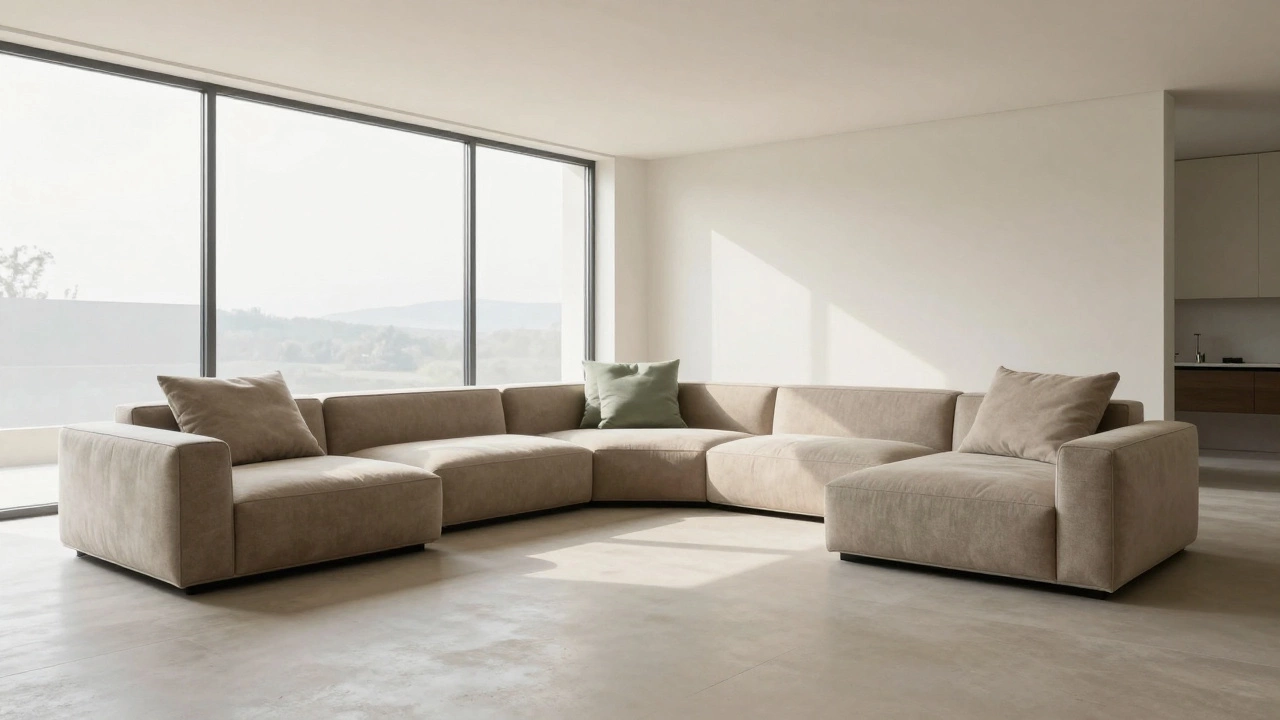
Modular Sectionals is a system of independent seating units that can be rearranged into various configurations. Unlike a traditional sofa, these aren't one solid piece. You can move a corner piece to the other side or split the couch into two separate loveseats when you're hosting a party.
If you move houses often, modulars are a lifesaver. You don't have to hire professional movers to navigate a 100-inch frame through a narrow doorway; you just carry the blocks in one by one. For people who love to lounge, adding an ottoman module creates a massive "pit" area that's way more inviting for movie nights than a standard seat.
The Chaise Lounge: Pure Relaxation
If your main goal is to kick your feet up and disappear into a book, a Chaise Lounge is the obvious winner. This is essentially a chair with an extended back or a seat that allows you to stretch out your legs completely. It's not designed for a crowd; it's designed for one person to have an absolute luxury experience.
Think of it as the adult version of a beanbag chair. It gives you the support of a framed piece of furniture but the posture of a nap. Placing one in a sunny corner or next to a bookshelf transforms a dead space into a reading nook that feels intentional rather than cluttered.

Daybeds: The Multitasker
For those living in studio apartments or homes with guest rooms that double as offices, a Daybed is often a superior choice. It's a hybrid that looks like a deep sofa during the day but functions as a twin-sized bed at night.
The beauty of the daybed is the lack of armrests on one or both sides. This makes the room feel more open and allows you to climb in from any angle. Instead of the stiff cushions of a couch, you use a real mattress, which means the comfort level is significantly higher for anyone actually sleeping on it.
Comparison of Seating Alternatives
| Option | Best For | Flexibility | Comfort Level |
|---|---|---|---|
| Modular Sectional | Large families / Open floor plans | High | High |
| Chaise Lounge | Solo reading / Napping | Low | Very High |
| Daybed | Studio apartments / Guests | Medium | High (Mattress-based) |
| Accent Chairs | Conversation / Small rooms | Very High | Medium |
The Power of the "Conversation Circle"
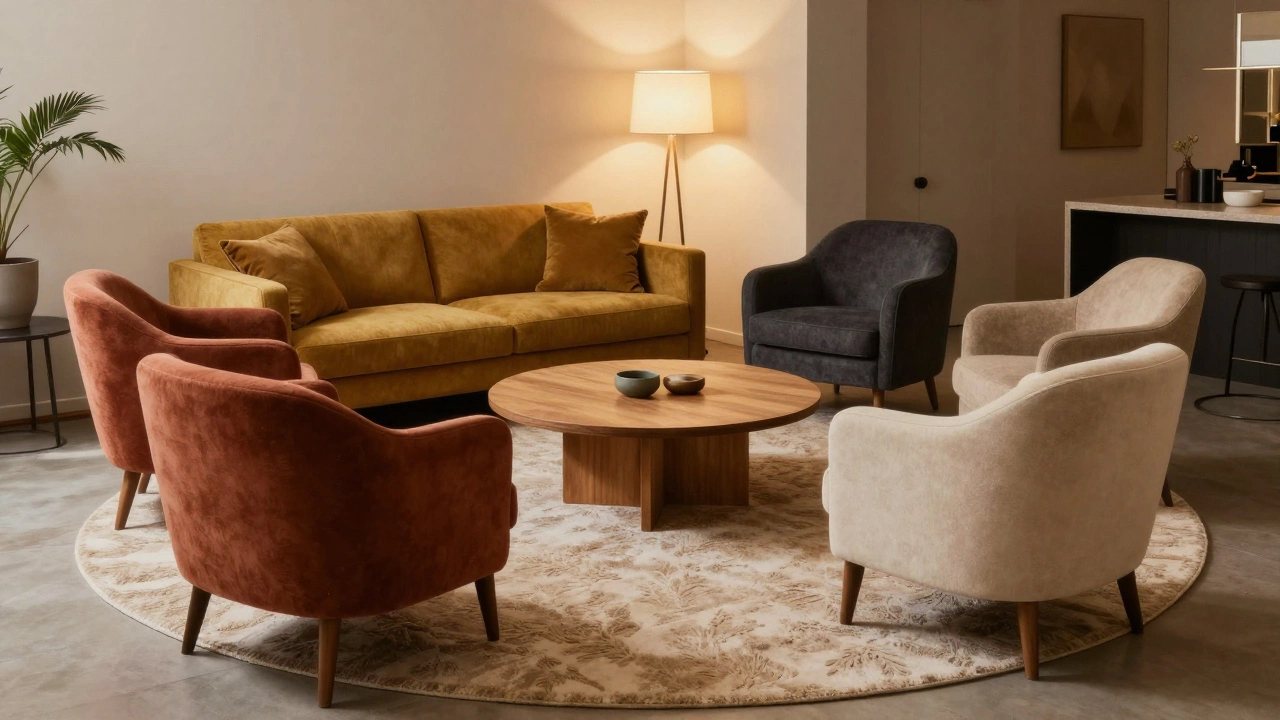
Sometimes, the best thing to replace a couch with isn't another single piece of furniture, but a collection of Accent Chairs. Instead of one giant slab of fabric, imagine four high-quality armchairs arranged in a circle around a coffee table.
Why is this better? First, it's way more social. When people sit on a couch, they're all facing the same direction (usually toward the TV). When they're in chairs, they face each other. Second, it creates a sense of airiness. You can see the floor and the walls behind the chairs, which tricks the eye into thinking the room is larger than it actually is.
If you're worried about comfort, look for "overstuffed" versions or add a plush ottoman to each chair. You get the same lounging capability as a sofa, but with way more control over the room's energy.
Common Pitfalls When Ditching the Couch
Before you sell your sofa on Marketplace, think about your daily habits. A common mistake is switching to a set of firm chairs and then realizing you have nowhere to actually lay down. If you're a "horizontal" person, make sure at least one of your alternatives-like a chaise or a daybed-supports full body length.
Another trap is ignoring the scale of the room. A daybed is long; if you put it in a narrow hallway, you've just created a roadblock. Measure your "traffic lanes"-the paths people walk to get from the door to the kitchen-and make sure your new furniture doesn't cut those paths off.
Are modular sofas more expensive than regular couches?
Generally, yes. Because each module needs its own frame and upholstery, the cost per seat is often higher. However, they can be cheaper in the long run because you can replace a single damaged module instead of buying a whole new sofa.
Can a daybed actually replace a sofa for daily use?
Absolutely. The trick is in the styling. Use large, firm bolsters or oversized pillows against the wall to create a "backrest." This prevents the "sliding off the bed" feeling you get when trying to sit upright on a mattress.
What is the most comfortable alternative for reading?
The chaise lounge is the gold standard for reading. It supports the lower back while allowing the legs to be fully extended, reducing the pressure on the hips that occurs when sitting in a standard chair for hours.
How do I stop a room from looking empty without a big couch?
Fill the visual void with a large area rug and a few smaller pieces of furniture. Instead of one big object, use "clustering." A pair of armchairs, a side table, and a floor lamp create a designated "zone" that feels full and cozy without the bulk.
Which option is best for pets and kids?
Modular sectionals with performance fabrics (like treated polyester or microfiber) are best. If a kid spills juice on one section, you can either deep-clean that specific module or simply replace it without tossing the rest of the furniture.
Next Steps for Your Living Room
If you're ready to move away from the couch, start by sketching your room's floor plan. Mark where the natural light comes from and where people usually walk. If you have a large open space, try a modular setup. If you have a tiny corner that's currently wasted, drop in a chaise lounge.
For those who are hesitant, try a "hybrid" approach. Keep a smaller two-seater sofa but add a daybed or a couple of oversized swivel chairs. This gives you the security of a couch with the freedom of a more modern layout. Just remember: your home should fit your life, not the other way around.