What Is a Thin Bedspread Called? A Guide to Coverlets, Quilts, and Throws
Bedding Layer Identifier
Not sure what to buy? Answer three simple questions to find the perfect thin bedding layer for your bed.
Why this fits you:
Key Features:
- ✓
- ✓
- ✓
- ✓
Best Materials:
Styling Tip:
You walk into a linen shop or scroll through an online store, looking for that perfect layer to top your duvet. It needs to be light, breathable, and stylish, but not heavy enough to trap heat in summer. You ask the salesperson, "Do you have a thin bedspread?" They look at you blankly. Why? Because "thin bedspread" isn't really a standard industry term. It’s a descriptive phrase we use when we don’t know the specific name of what we want.
So, what is it actually called? Depending on the construction, weight, and purpose, that thin layer is likely a coverlet, a quilt, or a throw. Knowing the difference saves you money and prevents buyer's remorse. Nobody wants to buy a heavy winter quilt when they just wanted a decorative summer layer. Let’s break down exactly what these items are, how they differ, and which one fits your bed best.
The Most Likely Answer: The Coverlet
If you are looking for a single-layer, lightweight piece of fabric that covers the entire mattress, you are almost certainly looking for a Coverlet. This is the most common answer to the question of what a thin bedspread is called. Unlike a comforter or duvet, a coverlet does not have filling. It is made from a single layer of woven or knitted fabric. This makes it ideal for warm climates or for people who run hot while sleeping.
Coverlets come in two main styles. First, there are Quilted Coverlets. These have stitching patterns (like diamonds or squares) that hold the layers together, but they still lack significant insulation. They offer texture without bulk. Second, there are Woven Coverlets, often made from cotton, linen, or polyester blends. These feel more like a large, high-quality sheet than a blanket. They drape beautifully and are easy to fold neatly at the foot of the bed.
Why choose a coverlet over a duvet? Simplicity. A duvet requires a separate insert and a removable cover. A coverlet is all-in-one. You wash it, dry it, and put it back on. In Auckland, where humidity can spike in January, a linen coverlet allows airflow that a thick down alternative simply cannot match. If your goal is aesthetic polish with minimal thermal resistance, this is your item.
The Structured Option: The Quilt
Sometimes, people use "bedspread" and "quilt" interchangeably, but they aren't the same. A Quilt is technically a multi-layered textile. It consists of three parts: a top layer (the face), a middle layer (the batting or wadding), and a bottom layer (the backing). These layers are stitched together. This structure gives quilts a bit more body and warmth than a simple coverlet, but less than a comforter.
Traditional quilts were handmade for warmth, using scraps of fabric. Modern mass-produced quilts, however, are often machine-made and designed for decoration as much as function. When someone asks for a "thin bedspread," they might actually want a lightweight quilt. Look for quilts labeled as "summer weight" or "single layer." Avoid anything described as "heirloom weight" or "heavy batting" if you want that thin profile.
Quilts are durable. Because the layers are stitched, they don't shift inside a cover like a duvet insert might. They are also easier to store. You can fold them into a neat square. If you have a guest room that doubles as an office during the week, a quilt looks tidy and finished, whereas a rumpled duvet can look messy even after making the bed.
The Decorative Layer: The Throw Blanket
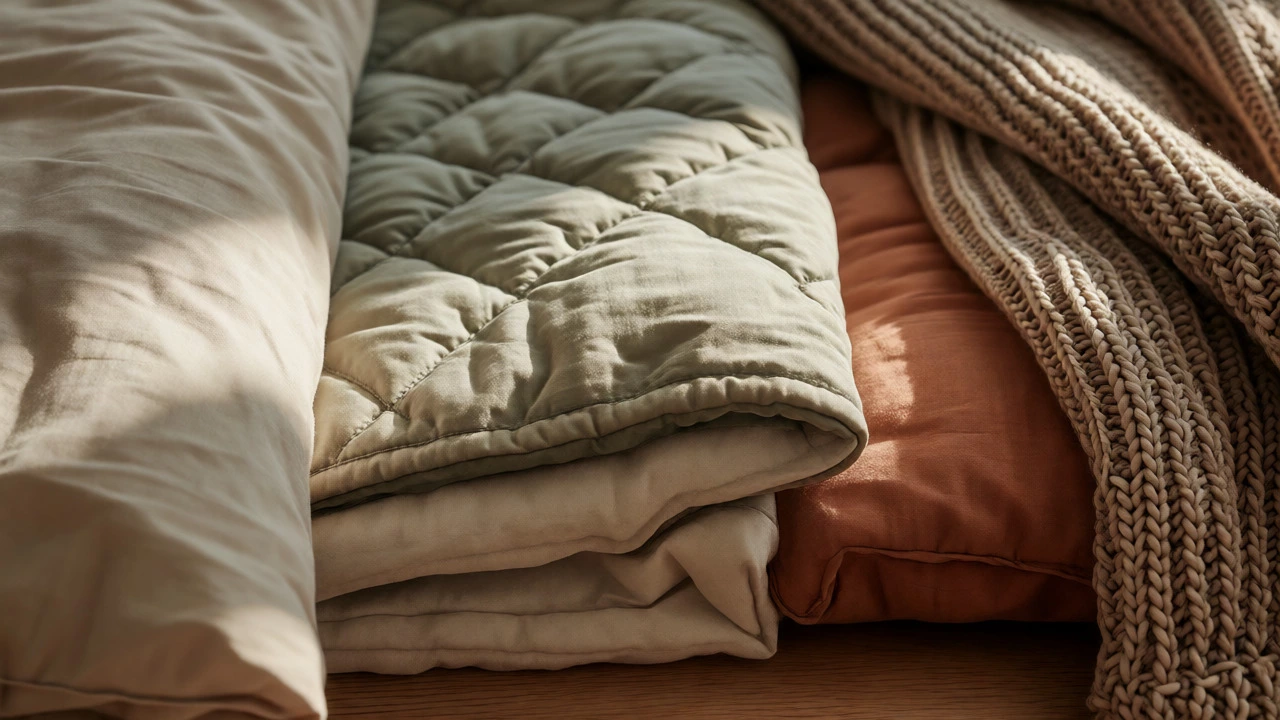
Here is where things get tricky. Sometimes, what you think is a bedspread is actually just a Throw Blanket draped across the foot of the bed. Throws are smaller than bedspreads. They typically measure around 150cm x 200cm, whereas a bedspread must fit the full width and length of the mattress plus drop.
Throws are rarely intended to cover the whole bed for sleep. Their job is visual interest and occasional warmth. If you see a photo in a magazine of a bed with a thin, colorful layer folded at the bottom, that is a throw. It is not a functional bedspread in the traditional sense because you would kick it off immediately if you tried to sleep under it. However, in casual conversation, many people call this a "bed spread" because it spreads out over the bed.
Common materials for throws include wool, cashmere, faux fur, and chunky knits. If you want something thin, stick to cotton gauze or lightweight linen throws. Avoid wool if you want the "thin" effect; wool has volume even when loosely knit. Throws are cheap compared to full-size linens, making them a low-risk way to test if you like the look of a layered bed before committing to a full set.
Comparing the Options: Which One Do You Need?
To help you decide, let’s look at the key differences between these three items. The table below breaks down size, warmth, and primary use cases. This comparison assumes standard double (queen) bed sizes, though dimensions vary by brand.
| Feature | Coverlet | Quilt | Throw Blanket |
|---|---|---|---|
| Thickness | Very Thin (Single Layer) | Thin to Medium (3 Layers) | Variable (Usually Bulky) |
| Coverage | Full Mattress + Drop | Full Mattress + Drop | Partial (Foot or Lap) |
| Warmth | Low (Summer/Air-conditioned) | Medium (Spring/Autumn) | High (Spot Warmth) |
| Maintenance | Easy Wash/Dry | Easy Wash/Dry | Often Dry Clean Only |
| Best For | Hot Sleepers, Minimalists | Guest Rooms, Style Lovers | Decor, Couches, Foot of Bed |
Notice the maintenance column. While coverlets and quilts are usually machine washable, many high-end throws require special care. If you have pets or kids, a washable coverlet is far more practical than a delicate cashmere throw. Also, consider the coverage. If you leave your bedroom door open and guests can see the sides of your bed, a throw will look incomplete unless paired with a duvet. A coverlet or quilt stands alone.
Material Matters: Choosing the Right Fabric
Once you’ve identified whether you need a coverlet, quilt, or throw, the next step is material. The fabric determines how "thin" the item feels against your skin and how it behaves in different temperatures. Since you are asking about thin options, here are the best fabrics to look for:
- Linen: The gold standard for thin, breathable bedding. Linen gets softer with every wash and regulates temperature incredibly well. It wrinkles easily, which adds to its relaxed charm. A pure linen coverlet is expensive but lasts decades.
- Cotton Percale: This is a tight weave that feels crisp and cool, similar to a hotel sheet. It is thinner than sateen (which is silky and heavier). Cotton percale coverlets are affordable, durable, and hypoallergenic.
- Gauze: Often sold as "muslin" or "gauze" blankets. These are extremely thin, airy, and soft. They are popular for babies but make excellent adult summer layers too. They tend to pill (form small balls of fuzz) faster than cotton or linen.
- Polyester Blends: Cheap and wrinkle-resistant. However, polyester traps heat. If you buy a synthetic coverlet, ensure it is marketed as "breathable" or has moisture-wicking properties. Otherwise, you might wake up sweaty despite the thinness.
Avoid velvet, chenille, or heavy flannel if you want a truly thin profile. Those materials add visual and physical bulk. Stick to flat weaves for the sleekest look.

How to Style Your Thin Bedspread
Buying the right item is half the battle. Styling it correctly makes your bed look like it belongs in a design magazine. Here are three ways to style a thin coverlet or quilt:
- The Fold-Back Method: Spread the coverlet evenly over the bed. Then, fold the top third down towards the pillows. This reveals the sheets underneath and creates depth. It works best with contrasting colors-e.g., a white sheet with a grey coverlet.
- The Corner Drape: Pull the coverlet taut. Then, lift one corner of the foot of the bed and let it hang naturally. This asymmetrical look feels effortless and modern. Pair this with a textured pillow arrangement.
- The Layered Look: Use the coverlet as the base layer. Add two shams behind your sleeping pillows. Place a small decorative cushion in front. This elevates a simple thin bedspread into a curated display. It is perfect for guest rooms where comfort is secondary to appearance.
Remember, thin bedspreads show imperfections. If your mattress protector is lumpy or your fitted sheet is wrinkled, it will show through a coverlet. Invest in a good quality, tight-fitting sheet set first. The thin layer on top should enhance, not hide, the foundation.
Frequently Asked Questions
Is a coverlet warmer than a duvet?
No, a coverlet is significantly cooler than a duvet. A duvet uses a fluffy insert (down or synthetic) to trap air and create insulation. A coverlet is a single layer of fabric with no trapping mechanism. It provides minimal warmth, making it suitable for summer or heated bedrooms.
Can I use a throw blanket as a bedspread?
You can, but it won't cover the whole bed. Throws are sized for laps or sofas, not mattresses. If you use a throw as a bedspread, it will only cover the foot or center of the bed. To cover the full mattress, you would need multiple throws sewn together or a dedicated bed-sized item like a coverlet.
What is the difference between a quilt and a comforter?
A quilt is a thin, stitched-together blanket used directly on the bed. A comforter is a thick, fluffy blanket filled with down or fiberfill, usually requiring a duvet cover. Quilts are lighter and more decorative; comforters are heavier and primarily for warmth.
How do I wash a thin bedspread?
Most cotton and polyester coverlets and quilts are machine washable. Use cold water and a gentle cycle to prevent shrinking or fading. Tumble dry on low heat or line dry to maintain shape. Always check the care label, especially for linen or blended fabrics, which may require ironing.
Are thin bedspreads good for allergies?
Yes, generally. Because they are thinner and often made of natural fibers like cotton or linen, they harbor fewer dust mites than thick, porous comforters. Additionally, their ease of washing means you can clean them more frequently, reducing allergen buildup.