What Is a Good Brand of Bedding? Top Picks for Sleep Quality
Bedding Match Calculator
Your Recommendation
Linen
Flax Weave
Best for hot sleepers who want natural cooling.
Great value for European flax linen.
Waking up tangled in sweaty sheets or feeling like you slept on a rock isn't just annoying-it ruins your day before it starts. We spend roughly one-third of our lives in bed, yet most people treat bedding as an afterthought until the fabric feels rough or the duvet loses its loft. Finding a good brand of bedding isn't about splashing cash on luxury logos; it's about matching material science to your specific sleep habits and climate.
If you are looking for the perfect set, you need to look past the marketing hype. A "good" brand is one that prioritizes durability, breathability, and honest labeling over flashy packaging. Whether you are a hot sleeper in Auckland's humid summers or someone who needs extra warmth during winter, the right choice depends on fiber type, weave, and construction quality. Let's break down what actually matters when choosing sheets that will last more than a season.
Decoding Fabric: Cotton vs. Linen vs. Synthetics
The foundation of any good bedding brand is the raw material. Not all fabrics are created equal, and understanding the difference between natural fibers and synthetics is the first step toward better sleep.
Cotton remains the gold standard for most households. It is breathable, durable, and gets softer with every wash. However, not all cotton is the same. Long-staple cotton varieties, such as Egyptian or Pima, produce stronger threads that resist pilling. If a brand doesn't specify the staple length, be cautious. Short-staple cotton tends to feel scratchy and wears out quickly.
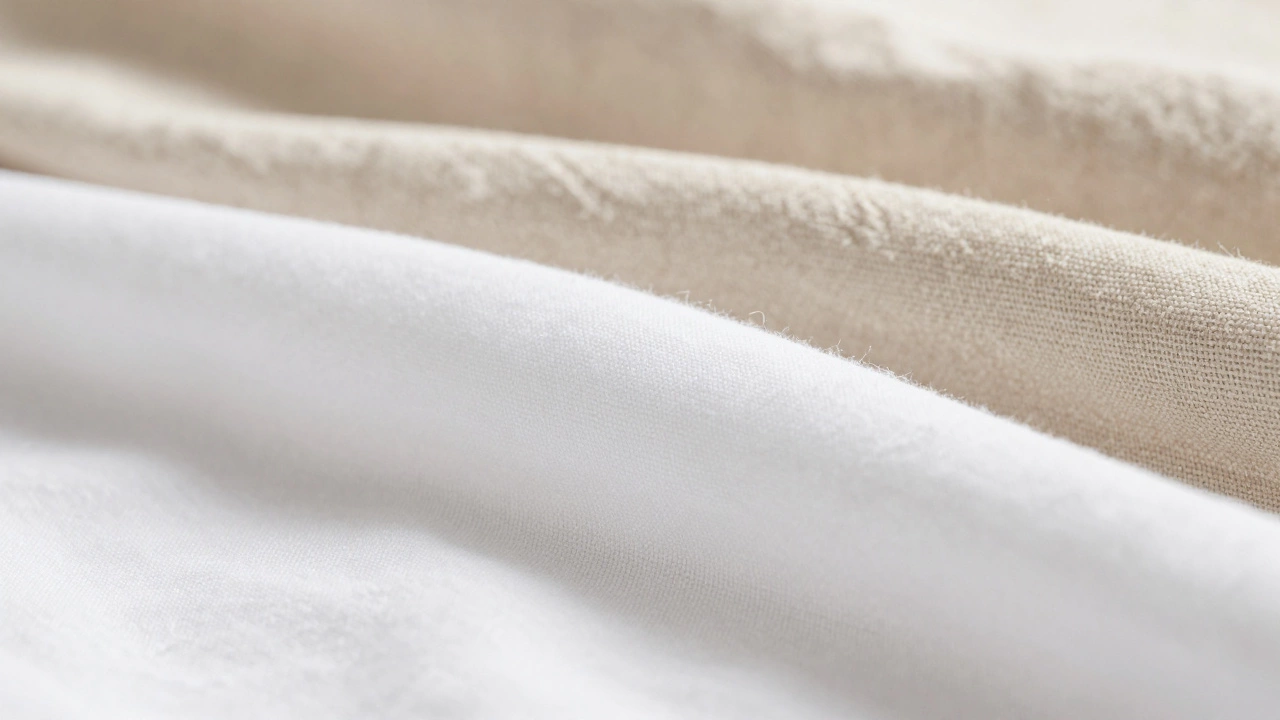
Linen, made from flax plants, is the ultimate choice for temperature regulation. It has a naturally textured feel that some find rustic, but it offers superior airflow. Linen is incredibly durable-often lasting decades-and becomes noticeably softer over time. Brands specializing in linen are ideal for those who sweat at night or live in warmer climates.
Synthetic blends, including polyester and microfiber, are cheap and wrinkle-resistant, but they trap heat and moisture. While they might feel smooth initially, they lack the breathability of natural fibers. For long-term comfort and health, stick to natural materials whenever possible.
Understanding Weave and Thread Count Myths
Walk into any department store, and salespeople will try to sell you the highest thread count available. This is largely a myth. Thread count refers to the number of threads per square inch of fabric, but beyond 400-600, higher numbers often mean thinner, weaker threads that don't hold up well.
Instead of obsessing over numbers, focus on the weave:
- Percale: Crisp, cool, and matte. It feels like a fresh hotel shirt. Percale is woven in a simple one-over-one-under pattern, making it breathable and lightweight. It’s perfect for hot sleepers.
- Sateen: Silky, lustrous, and warm. Sateen uses a three-or-four-over-one-under weave, which pushes more thread to the surface. It feels luxurious but traps more heat and is prone to snagging.
- Flannel: Brushed cotton that creates a fuzzy surface. It’s excellent for retaining body heat during cold months but too heavy for summer use.
A good bedding brand will clearly state the weave type rather than hiding behind inflated thread counts. Look for transparency in their product descriptions.
Top Contenders: Who Makes the Best Bedding?
Several brands have earned reputations for quality, consistency, and value. Here’s how they stack up based on real-world performance and customer feedback.
| Brand | Best For | Material Focus | Price Range |
|---|---|---|---|
| Brooklinen | Balanced quality & style | Egyptian Cotton (Percale & Sateen) | Mid-to-High |
| Parachute | Aesthetic minimalism | Long-Staple Cotton & Linen | High |
| Boll & Branch | Ethical sourcing & durability | 100% Long-Staple Cotton | High |
| Coyuchi | Eco-conscious buyers | GOTS-Certified Organic Cotton | Mid-to-High |
| Quince | Budget-friendly luxury | European Flax Linen & Cotton | Low-Mid |
Brooklinen has become a household name because it bridges the gap between affordable and premium. Their signature sateen is soft without being slippery, and their percale stays crisp even after dozens of washes. They offer a generous return policy, which reduces the risk of trying new weaves.
Parachute appeals to those who prioritize aesthetics alongside comfort. Their linen collection is particularly praised for its relaxed drape and natural color variations. While pricey, the longevity of their products justifies the cost for many users.
Boll & Branch focuses heavily on ethical manufacturing and direct partnerships with farmers. Their sheets are known for exceptional durability, though some users note they require a few washes to reach peak softness.
For eco-conscious consumers, Coyuchi stands out. All their cotton is GOTS-certified organic, ensuring no harmful chemicals are used in cultivation or processing. Their designs feature subtle patterns that add character without overwhelming the space.
If budget is a concern, Quince offers surprising value. Their European flax linen competes with much more expensive brands in terms of texture and breathability, making them a smart entry point for linen enthusiasts.
Sustainability and Certifications That Matter
In 2026, sustainability is no longer a niche concern-it's a core expectation. Many brands claim to be "green," but vague terminology can be misleading. Look for third-party certifications that verify environmental and labor standards.
GOTS (Global Organic Textile Standard) is the most rigorous certification for organic fibers. It ensures that the entire supply chain, from farming to final stitching, meets strict ecological and social criteria. Brands like Coyuchi and Eileen Fisher adhere to this standard.
Oeko-Tex Standard 100 certifies that textiles are free from harmful substances. While it doesn't guarantee organic farming practices, it ensures the finished product is safe for human contact. Most reputable brands, including Brooklinen and Parachute, carry this certification.
Avoid brands that rely on generic terms like "eco-friendly" or "natural" without providing verifiable proof. Transparency builds trust, and trustworthy brands willingly share details about their factories and material sources.
Maintenance Tips to Extend Sheet Life
Even the best bedding will deteriorate if treated poorly. Proper care can double the lifespan of your sheets and maintain their comfort level.
- Wash Less Frequently: Unless you have allergies or sweat heavily, washing sheets once a week is sufficient. Over-washing breaks down fibers faster.
- Use Cold Water: Hot water shrinks cotton and damages elastic fibers in fitted sheets. Cold water preserves color and integrity.
- Avoid Fabric Softeners: Softeners coat fibers with a waxy residue that reduces absorbency and breathability. Instead, use white vinegar in the rinse cycle to naturally soften fabrics.
- Tumble Dry Low: High heat weakens threads. Air-drying is ideal, especially for linen, but low-heat tumble drying works well for cotton.
- Rotate Sets: Using two sets alternately gives each pair time to rest and recover shape between washes.
Ignoring these basics leads to premature wear, pilling, and loss of elasticity. Investing in quality bedding means committing to proper maintenance.
Common Mistakes When Buying Bedding
Many shoppers fall into predictable traps when selecting sheets. Avoiding these errors can save money and frustration.
- Focusing Only on Price: Cheap sheets often feel great initially but pill within months. Calculate cost per year, not just upfront price.
- Igoring Fit: Deep-pocket sheets are essential for modern mattresses, which often exceed 15 inches in height. Ill-fitting sheets slip off and create wrinkles.
- Chasing High Thread Counts: As mentioned, thread count above 600 is usually marketing fluff. Prioritize weave and fiber quality instead.
- Neglecting Return Policies: Online shopping lacks the ability to touch fabric before buying. Choose brands with hassle-free returns so you can test comfort at home.
Being informed helps you navigate the crowded market confidently. You deserve sleep that feels restorative, not irritating.
What is the best thread count for sheets?
The ideal thread count ranges between 200 and 400 for percale weaves and 300 to 600 for sateen weaves. Higher counts do not necessarily mean better quality and can sometimes indicate lower-grade fibers.
Are organic sheets worth the extra cost?
Yes, if you prioritize skin health and environmental impact. Organic cotton is grown without pesticides, reducing chemical exposure. It also tends to be more durable due to longer staple lengths.
How often should I replace my sheets?
With proper care, high-quality cotton or linen sheets can last 5 to 10 years. Replace them when they develop holes, persistent stains, or lose their structural integrity despite washing.
Is linen better than cotton for hot sleepers?
Absolutely. Linen's loose weave and hollow fibers allow superior air circulation and moisture wicking, keeping you cooler throughout the night compared to most cotton weaves.
Can I put silk sheets in the dryer?
No. Silk is delicate and requires hand washing or gentle machine cycles with cold water. Always air dry silk to prevent shrinkage and damage to the protein fibers.