What Is the Most Comfortable Sofa? The Ultimate Guide to Cushioning, Support, and Fit
Sofa Comfort Matcher
Your Preferences
Enter your details and click calculate to see your personalized recommendation.
Recommended Specs
Why this works for you:
You sink into it after a long day, expecting relief. Instead, you feel like you’re sitting on a brick or floating in quicksand. It happens to the best of us. We spend thousands on furniture, only to realize too late that "comfort" is not a universal standard-it’s a deeply personal equation involving your body type, how you sit, and what you do on the couch.
There is no single "most comfortable sofa" in existence. If there were, every showroom would sell only that model. But if you know what to look for-specifically regarding foam density, seat depth, and frame construction-you can engineer a seating experience that feels custom-made for you. This guide cuts through the marketing fluff to help you identify the structural elements that actually create comfort.
The Anatomy of Comfort: It’s Not Just About Softness
We often equate comfort with softness. A plush pillow feels great for five minutes. Try sleeping on one for eight hours, and your neck will hate you. Sofas work the same way. True comfort comes from supportive resilience, not just initial squishiness. You need a material that yields to your weight but pushes back enough to keep your spine aligned and prevent that "bottomed-out" feeling where your hips touch the wooden frame.
Why does my new sofa feel uncomfortable?
It usually boils down to two things: low-density foam that compresses too quickly, or a seat depth that doesn't match your leg length. If you're bottoming out, the foam is too thin or low-quality. If your knees are hitting the edge, the seat is too shallow.
Foam Density: The Hidden Metric That Matters
When you read a spec sheet, ignore adjectives like "plush" or "firm." Look for numbers. Specifically, look for Polyurethane Foam Density. Measured in pounds per cubic foot (PCF), this number tells you how much actual material is packed into the cushion.
- 1.5 PCF or lower: Avoid this for daily use. This is cheap filler foam. It might feel soft initially, but it will flatten within six months, leading to sagging and poor support.
- 1.8 - 2.0 PCF: This is the sweet spot for most households. It offers a good balance of softness and longevity. Brands like IKEA often use foams in this range for their mid-tier collections.
- 2.5+ PCF: High-end durability. This is found in luxury brands like Herman Miller or Restoration Hardware. It feels firmer at first but maintains its shape for years.
If the retailer won’t tell you the density, ask anyway. If they dodge the question, assume it’s low quality. For the ultimate comfort, look for High-Resilience (HR) Foam. HR foam has a higher rebound rate, meaning it bounces back faster when you stand up. This prevents the "stuck in the couch" feeling and keeps the seat looking new longer.
Cushion Construction: Down, Foam, or Hybrid?
The filling determines the immediate sensation. Here is how the three main types perform in real life:
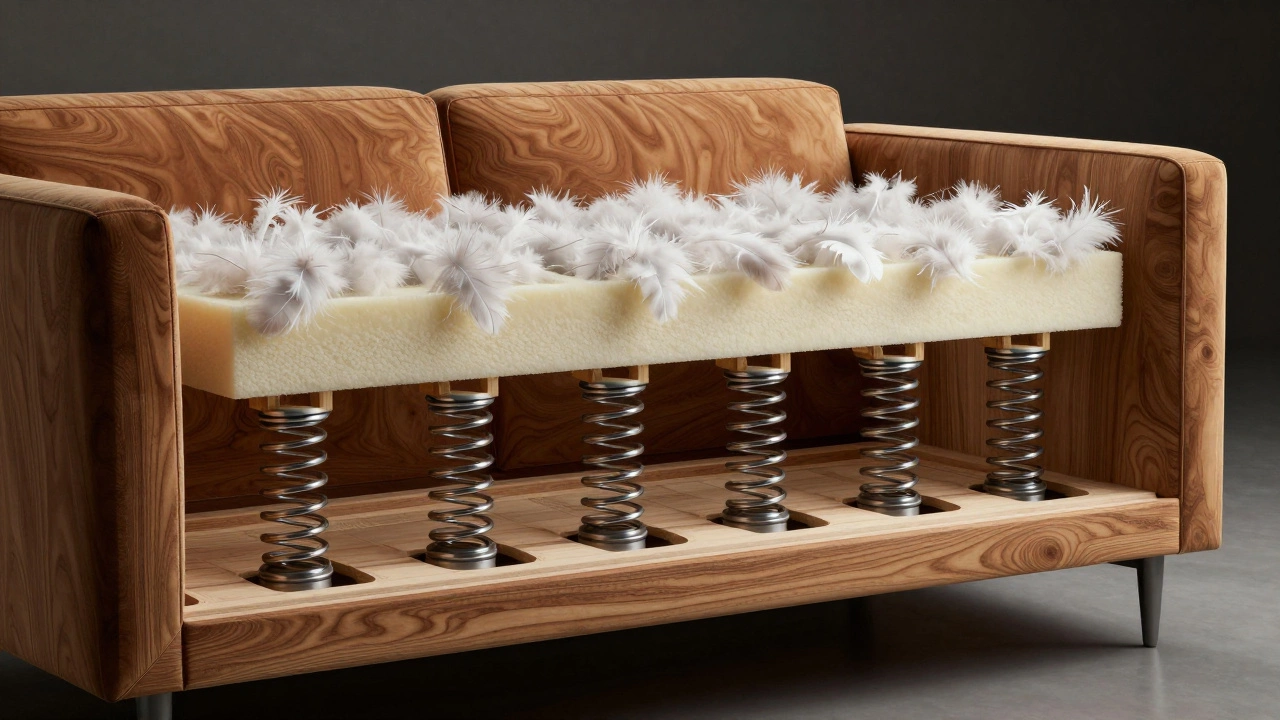
- All-Foam: Predictable and supportive. It holds its shape perfectly. Ideal if you sit upright while reading or working. It never needs fluffing. However, it can feel firm if the density isn't high enough.
- All-Down (Feather): The epitome of luxury sinkage. You mold into it completely. The downside? It requires maintenance. You must fluff these cushions daily, or they will look lumpy and uneven. Also, down shifts around, so your posture changes as the fill moves.
- Hybrid (Foam Core with Down Wrap): This is often considered the gold standard for comfort. The foam core provides structure and prevents bottoming out, while the down wrap adds a layer of cloud-like softness. It offers the best of both worlds without the daily maintenance of pure down.
| Type | Feel | Maintenance | Best For |
|---|---|---|---|
| All-Foam | Firm to Medium | None | Active households, pet owners |
| All-Down | Very Soft/Sink-in | Daily Fluffing | Relaxation lounges, quiet homes |
| Hybrid | Soft with Support | Weekly Fluffing | Balanced comfort seekers |
Seat Depth and Height: The Ergonomics of Sitting
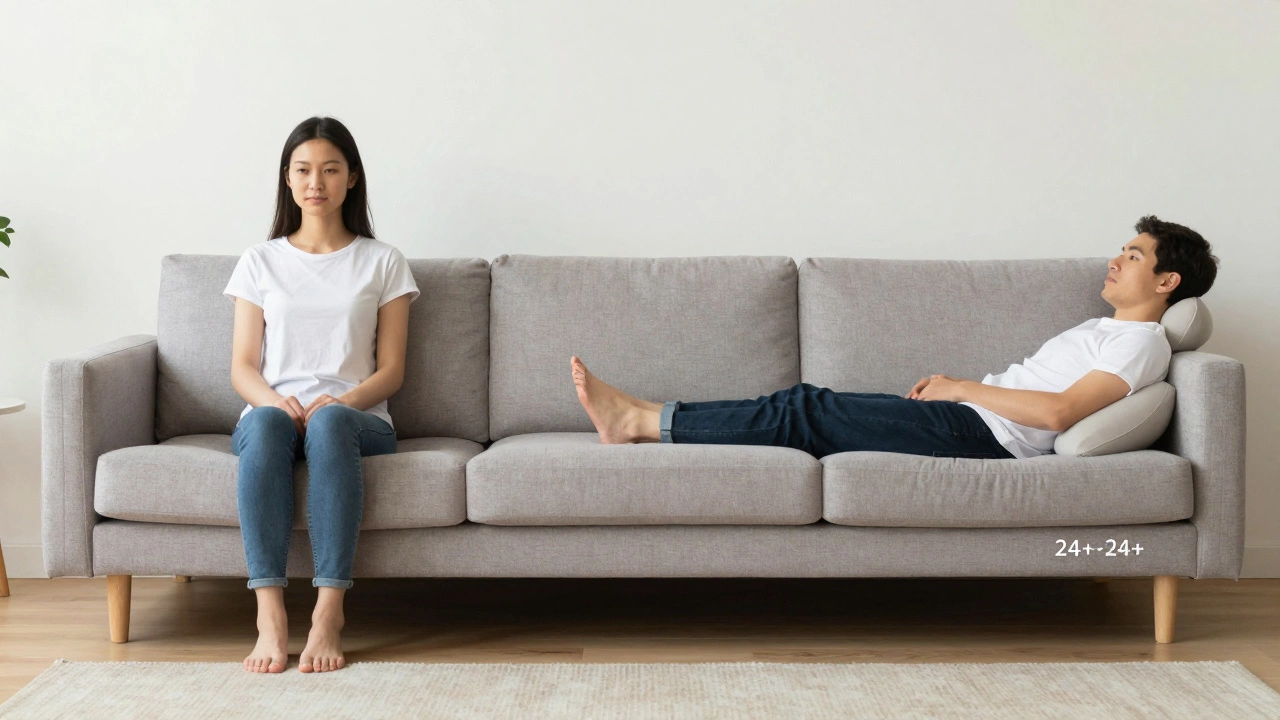
Comfort is also about geometry. If the dimensions don't match your body, the best foam in the world won't save you. Measure yourself before you buy.
Seat Depth: This is the distance from the front edge of the cushion to the backrest.
- Standard Depth (20-22 inches): Good for upright sitting. Your feet should flatly touch the floor, and your back should rest against the backrest simultaneously.
- Deep Seat (24-26+ inches): Essential for lounging. If you like to stretch out, cross your legs, or sleep on the sofa, you need a deep seat. Note: Deep seats often require throw pillows for lumbar support because your back won't reach the rear frame naturally.
Seat Height: Standard height is 17-19 inches from the floor. If you have trouble standing up due to knee issues or age, look for a higher seat (20+ inches). Lower seats (<16 inches) make it harder to rise and can strain your lower back unless you are very flexible.
Frame and Suspension: The Foundation
A soft cushion on a weak frame creates a wobbly, unstable feel. The frame should be made of kiln-dried hardwood (like oak, maple, or ash) to resist warping. Avoid particleboard or softwoods like pine for the primary structure.
Look for Eight-Way Hand-Tied Springs. While expensive, this suspension system allows each spring to move independently. This means if you shift your weight, the sofa adjusts locally rather than pulling the whole seat with you. It provides a dynamic, responsive comfort that webbing or sinuous springs cannot match. Sinuous springs (the zig-zag metal wires) are acceptable for budget options, but they lack the individualized support of hand-tied coils.
Upholstery: Texture and Temperature
Comfort isn't just about pressure points; it's about skin contact. The fabric matters more than people think.
- Linen: Breathable and cool. Great for warm climates. However, it wrinkles easily and can feel rougher against bare skin compared to cotton blends.
- Velvet: Luxurious and temperature-regulating (cool in summer, warm in winter). Modern performance velvets (like those from River Island Home or Sterling) are stain-resistant and durable. It feels smooth and inviting.
- Leather: Adapts to body heat. Initially cool, it warms up to your temperature. Full-grain leather develops a patina and becomes softer over time. It’s excellent for hot sleepers but can stick to skin in humid environments.
- Performance Fabric: Brands like Rust-Oleum (for finishes) or textile makers like Crypton offer fabrics that repel liquids and resist stains. They often have a tighter weave, which can feel less breathable but is easier to clean.
Testing the Sofa: The 15-Minute Rule
Never buy a sofa without sitting on it. But don’t just perch on the edge for ten seconds. Apply the 15-minute rule. Sit in your natural position. Cross your legs. Lean back. Read a book. Watch a video. How does your lower back feel after ten minutes? Does your thigh numbness set in? Do you find yourself adjusting your position constantly?
If you are buying online, check the return policy. Many modern retailers like Article or Burrow offer free trials. Take advantage of them. Comfort is subjective, and photos lie.
Special Considerations for Different Needs
Your lifestyle dictates the "most comfortable" choice for you.
- For Pet Owners: Choose tight-weave fabrics or microfiber. Loose weaves snag on claws. Darker colors hide hair better. Avoid down cushions, as pets love to dig into them.
- For Small Spaces: Look for slim-arm designs. Traditional rolled arms add 6-8 inches to the width but provide zero usable seating space. Track arms maximize seating area in tight rooms.
- For Back Pain Sufferers: Firm support is key. Avoid deep seats that force you to slouch. Ensure the backrest is tall enough to support your head if you recline. Lumbar pillows are non-negotiable here.
Conclusion: Defining Your Personal Comfort
The most comfortable sofa is the one that disappears. You shouldn't notice the furniture; you should only feel relaxed. By prioritizing high-density foam (1.8+ PCF), choosing a hybrid cushion for balanced support, and ensuring the seat depth matches your leg length, you eliminate the common pitfalls of bad seating. Don't chase trends. Chase ergonomics. Your body will thank you for years to come.
How do I know if a sofa cushion is high quality?
Check the foam density label. Look for 1.8 PCF or higher. Press firmly into the corner of the cushion; if you can easily touch the bottom frame, the foam is too thin or low density. High-quality cushions should resist compression and bounce back slowly.
Is a deeper seat always more comfortable?
Not necessarily. Deep seats (24+ inches) are great for lounging but can cause poor posture if you sit upright. If you choose a deep seat, ensure you have extra lumbar pillows to support your lower back, otherwise, you may experience strain.
What is the best fabric for a comfortable sofa?
Velvet and linen are top contenders. Velvet offers a soft, temperature-regulating feel that is luxurious against the skin. Linen is breathable and cool, ideal for warmer climates. Both provide a tactile comfort that synthetic blends often lack.
How long should a comfortable sofa last?
A well-built sofa with high-density foam and a hardwood frame should last 7-10 years while maintaining its comfort. Cheaper models with low-density foam may lose their shape and support within 2-3 years of daily use.
Can I make an existing sofa more comfortable?
Yes. Add high-density foam toppers to the seat cushions to increase support. Use lumbar pillows to improve back alignment. Replace worn-out springs or webbing if the frame is still sound. These upgrades can extend the life and comfort of your sofa significantly.