What Fits in a 5x5 Storage Unit: The Ultimate Packing Guide
5x5 Storage Unit Capacity Planner
Select Items to Add
Click items to see how they fit in your 5x5 unit
Visual Layout (Top View)
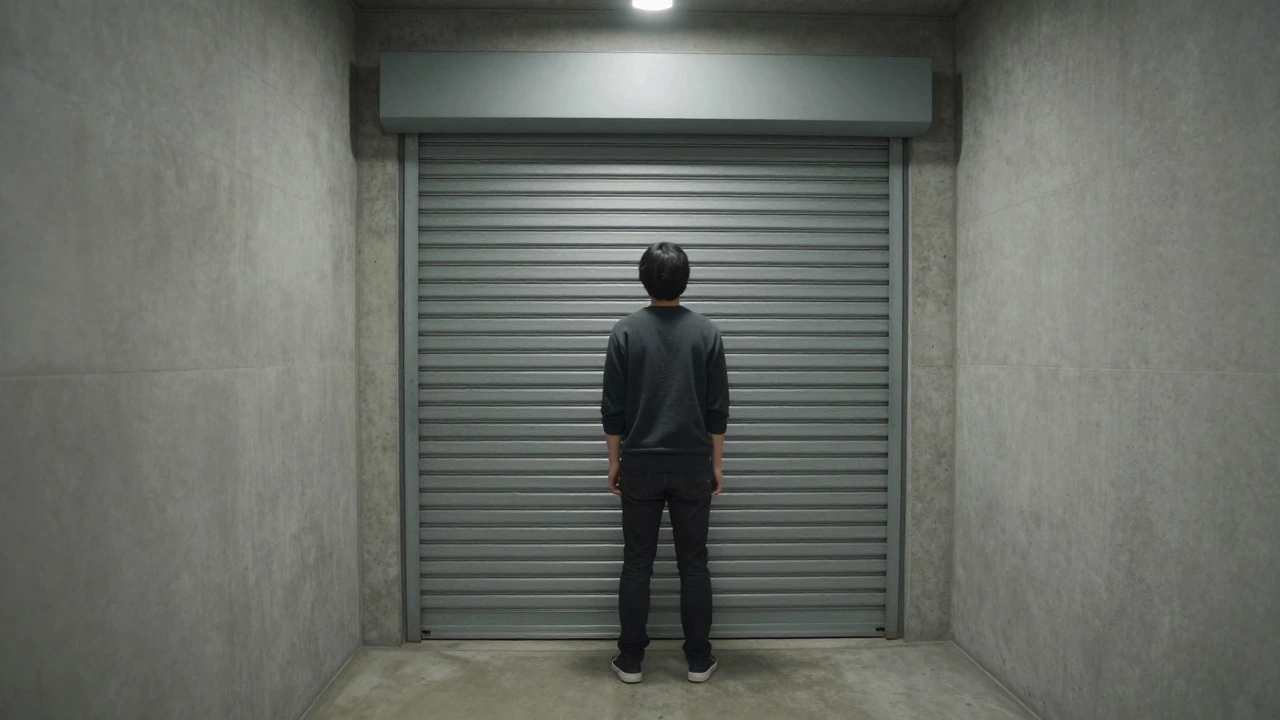
Picture this: you’re standing in front of a door that looks barely big enough for your bicycle to pass through. You’ve just rented a 5x5 storage unit is a compact self-storage space measuring five feet by five feet, totaling 25 square feet of floor area. It’s the smallest standard option most facilities offer. You might be wondering if it’s actually going to hold all those boxes from your recent declutter or the spare furniture you can’t bear to throw away. The short answer? Yes, but only if you pack smart. A 5x5 unit isn’t a walk-in closet; it’s more like a large closet or a small garage corner. Understanding exactly what fits-and what doesn’t-is the difference between saving money and realizing too late that you need to upgrade to a much larger, more expensive unit.
The Reality of 25 Square Feet
Before we start listing items, let’s get concrete about the dimensions. A 5x5 unit gives you 25 square feet of floor space. If you visualize a standard parking spot, which is usually around 160 square feet, a 5x5 unit is roughly one-sixth of that size. In terms of household objects, think of it as the size of a small master bedroom closet or a tiny bathroom. The height matters too. Most facilities have ceilings ranging from eight to ten feet. This vertical space is your best friend. If you ignore the height and only stack things two boxes high, you’ll run out of room immediately. But if you stack safely up to six or seven feet, you unlock significant volume.
The layout is simple: a rectangular box with one access point. There are no aisles inside. Everything must fit against the walls or stacked centrally. Because there is no room to maneuver once the door is closed, accessibility becomes a major constraint. You aren’t renting this space to store things you need daily. It’s for seasonal items, archives, or long-term holding. Knowing this helps you decide what goes in. If you need to grab a winter coat every Tuesday, a 5x5 unit will frustrate you because you’ll have to move other items to reach it.
What Actually Fits Inside
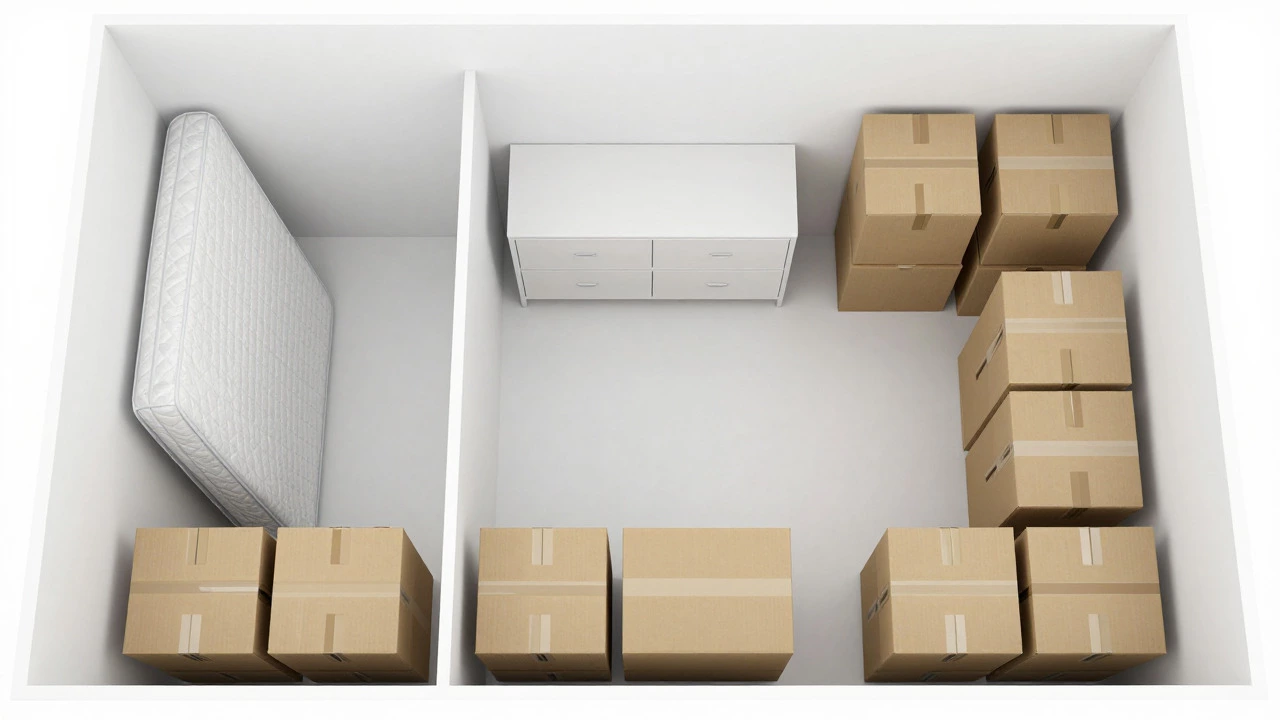
To give you a clear picture, here is a realistic breakdown of what you can expect to fit in a standard 5x5 unit. These estimates assume efficient stacking and reasonable organization. Keep in mind that irregularly shaped items eat up valuable cubic footage without adding much utility.
- One Twin Mattress and Box Spring: This takes up about half your floor space if laid flat. If you stand it vertically against a wall, it saves floor space but requires careful balancing to prevent tipping.
- Two to Three Medium Dressers: You can slide these in side-by-side. Make sure they are empty or lightly packed to avoid breaking drawers during transport.
- One Desk and Chair Set: Disassemble if possible. A bulky office desk with hutch might take up more space than a simple writing desk.
- Five to Seven Cardboard Boxes: Standard moving boxes (18x18x24 inches) can be stacked neatly. Heavier items go on the bottom; lighter items like linens or books go on top.
- Bicycles: Two to three bikes can fit if you remove the wheels and lay them flat. Hanging them from hooks on the wall is even better for saving floor space.
- Sports Equipment: Golf clubs, camping gear, skis, or surfboards. Long items should be stored horizontally along the back wall or vertically if the ceiling height allows.
- Small Appliances: A microwave, toaster oven, or vacuum cleaner. Wrap them well to protect against dust and moisture.
If you are storing purely boxes-say, photo albums, tax records, or holiday decorations-you could fit anywhere from 15 to 20 medium-sized boxes, depending on how tightly you pack them. However, mixing large furniture with boxes drastically reduces the total count. A single armchair can consume as much usable volume as five boxes because of its awkward shape.
| Item Type | Quantity Estimate | Space Impact |
|---|---|---|
| Twin Bed Set | 1 set | High (takes ~50% floor space) |
| Moving Boxes (Medium) | 5-7 boxes | Low (stackable) |
| Dresser | 2-3 units | Medium (sliding required) |
| Bicycle | 2-3 bikes | Medium (disassembly recommended) |
| Office Desk & Chair | 1 set | Medium (disassembly recommended) |
Packing Strategies for Maximum Efficiency
Fitting everything into a 5x5 unit is less about the size of the items and more about how you arrange them. Gravity and geometry are your tools. Here are practical steps to maximize every inch of that 25-square-foot footprint.
- Disassemble Everything Possible: Don’t try to shove a fully assembled bookshelf into the unit. Take off the doors, legs, and shelves. Flat-pack furniture stores significantly better. Use ziplock bags for screws and nuts, and tape them directly to the corresponding piece so nothing gets lost.
- Stack Vertically, Not Horizontally: Utilize the full height of the unit. Place heavy, sturdy items like dressers or toolboxes on the bottom. Stack lighter boxes on top. Never put fragile items on the bottom unless they are in reinforced crates. Aim for stacks that are stable and won’t topple if the building vibrates slightly.
- Use Uniform Boxes: Mixing box sizes creates gaps and instability. Stick to one or two standard sizes. Uniform boxes stack like bricks, creating a solid wall of storage. Avoid using grocery bags or plastic bins with lids that don’t seal tightly, as they shift easily.
- Create Zones: Group similar items together. Put all holiday decorations in one section, all sports gear in another. Label each box clearly on multiple sides. Since you won’t see the labels when boxes are stacked, write on the top and at least two visible sides.
- Leave a Small Gap: Don’t pack items flush against the back wall if you can help it. Leave an inch or two of air circulation. This prevents moisture buildup, which is critical for preventing mold on fabrics and paper documents. Also, ensure the door opens fully without hitting any protruding handles or knobs.
A pro tip: use vacuum-seal bags for clothing, linens, and comforters. These bags remove the air, reducing the volume of soft goods by up to 80%. A stack of winter coats that normally takes up a whole dresser drawer can shrink down to the size of a shoebox. This frees up massive amounts of space for harder items.
What Should NOT Go in a 5x5 Unit
Not everything belongs in self-storage, especially in a small unit where conditions can vary. Facilities are generally climate-controlled, but not always perfectly so. Temperature fluctuations and humidity levels can damage sensitive items. Here is what you should keep at home or find alternative storage for.
- Perishable Foods: Even canned goods can attract pests if seals break. No food should go into a storage unit unless it is strictly non-perishable and sealed in rodent-proof containers.
- Living Plants or Pets: Self-storage units are not designed for life. Lack of light, water, and proper ventilation will kill plants quickly. Pets require constant care and temperature regulation.
- Valuables and Irreplaceables: Jewelry, cash, important legal documents (birth certificates, passports), and family heirlooms. While many units have insurance options, theft does happen, and fire or water damage can destroy unique items. Keep these in a bank safe deposit box or a home safe.
- Hazardous Materials: Gasoline, paint thinner, propane tanks, fertilizers, and pesticides. Most storage facilities ban these due to fire risk and environmental regulations. Check your facility’s rules before bringing anything chemical-related.
- Antiques Requiring Specific Climate Control: If you have vintage violins, oil paintings, or antique wooden furniture that cracks in dry heat, a standard 5x5 unit might not suffice. Look for specialized climate-controlled vaults instead.
Also, consider the frequency of access. If you need to retrieve items weekly, a 5x5 unit is inconvenient. You’ll spend more time rearranging boxes than enjoying your belongings. For frequent access, consider organizing a dedicated closet or shelf in your home rather than paying monthly rent for a distant location.

Cost vs. Capacity: Is It Worth It?
In Auckland and similar urban centers, a 5x5 unit typically costs between $80 and $150 NZD per month, depending on the facility’s security features, climate control, and location convenience. When evaluating whether this size is right for you, calculate the cost per cubic foot. Larger units often offer a lower rate per square foot. If you’re on the borderline between a 5x5 and a 5x10, ask yourself: "Will I regret running out of space in three months?" Upgrading later involves moving costs and potential price hikes. It’s often cheaper to rent the slightly larger unit from the start if you’re unsure.
However, if you only have a few boxes and some seasonal gear, a 5x5 is perfect. It’s affordable and secure. Just be honest with yourself about what you own. People tend to overestimate their ability to pack tightly. Do a trial run at home. Lay out a 5x5 grid on your floor using painter’s tape. Try to fit your intended items within that boundary. If they spill over, you know you need more space or better packing strategies.
Maintenance and Access Tips
Once your 5x5 unit is packed, your job isn’t done. Regular maintenance ensures your belongings stay in good condition. Visit the unit every few months if possible. Check for signs of moisture, pest activity, or shifting boxes. If you notice condensation on the walls or boxes, add silica gel packets or a small dehumidifier bag inside the unit. These inexpensive packs absorb excess humidity and prevent mold growth.
When accessing your unit, bring a flashlight. Lighting in storage corridors can be dim, and inside the unit, it’s dark. Wear gloves to protect your hands from cardboard edges and dust. Always close the door securely behind you. Many facilities use keypad entry systems, so ensure you have your code handy. If you share the unit with someone else, establish clear rules about who moves what. Miscommunication leads to misplaced items and damaged goods.
Finally, review your insurance coverage. Your homeowner’s or renter’s insurance policy may cover items in storage, but often with limitations. Verify with your provider. Some storage facilities offer third-party insurance plans that specifically cover loss or damage due to fire, flood, or theft. For a 5x5 unit containing mostly low-value items, basic coverage might suffice. For higher-value electronics or collectibles, consider additional protection.
Can I fit a queen-size mattress in a 5x5 storage unit?
Yes, but it will take up most of the floor space. A queen mattress measures approximately 60x80 inches. Laid flat, it covers nearly half the unit's 25-square-foot area. To save space, stand the mattress vertically against a wall, secured with straps or leaning against other heavy items. Ensure it is wrapped in a protective plastic cover to guard against dust and moisture.
How many boxes can realistically fit in a 5x5 unit?
You can fit approximately 15 to 20 medium-sized moving boxes (18x18x24 inches) if they are the only items stored. If you mix boxes with furniture like dressers or desks, the number drops to 5-7 boxes. Efficient stacking and uniform box sizes are key to maximizing capacity.
Is a 5x5 storage unit climate-controlled?
Not necessarily. Many facilities offer both climate-controlled and non-climate-controlled units. Climate control maintains a consistent temperature and humidity level, protecting sensitive items like wood furniture, electronics, and paper documents. In regions with extreme weather, such as hot summers or humid winters, opting for climate control is highly recommended to prevent warping, mold, or electronic failure.
What is the best way to organize a small storage unit?
Start by placing heavier, sturdier items like dressers or toolboxes along the back wall. Stack lighter boxes on top of them. Create distinct zones for different categories of items, such as seasonal decor, sports equipment, and documents. Label every box clearly on multiple sides. Use vertical space by stacking up to the ceiling, ensuring stability. Leave a small gap behind items for air circulation to prevent moisture buildup.
Can I store my car in a 5x5 storage unit?
No, a 5x5 unit is far too small for a car. Even a compact car requires at least a 10x15 or 10x20 unit to fit comfortably with room to open doors. A 5x5 unit is suitable only for small personal items, boxes, and minor furniture pieces. Attempting to park a vehicle in such a small space would result in damage to both the car and the unit structure.