The 5 Essential Bathroom Pieces You Actually Need
Bathroom Essentials & Ventilation Calculator
The 5 Essentials Checklist
Select the items you currently have in your bathroom to see your completeness score.
Ventilation Calculator (CFM)
Calculate the required airflow (CFM) to prevent mold and moisture damage based on your room size.
Based on 0 sq ft of floor space.
Walk into any modern bathroom, and you’ll likely see a sea of white ceramic, chrome fixtures, and maybe a plant or two. But look closer at the shelves and counters. What’s actually there? For most people, it’s a chaotic mix of half-used lotions, tangled cords, and toothbrushes leaning precariously off the edge. We often think we need a dozen gadgets to make a bathroom function, but the truth is simpler. There are really only five core pieces that define how a bathroom works and feels. Everything else is just noise.
If you’re renovating, moving into a new place in Auckland, or just trying to declutter your current space, knowing these five essentials helps you cut through the marketing hype. You don’t need a $200 smart mirror or a heated towel rack to have a functional, stylish room. You need the basics, done right. Let’s break down the five non-negotiable pieces that every bathroom needs to survive the daily rush.
1. The Mirror: More Than Just Glass
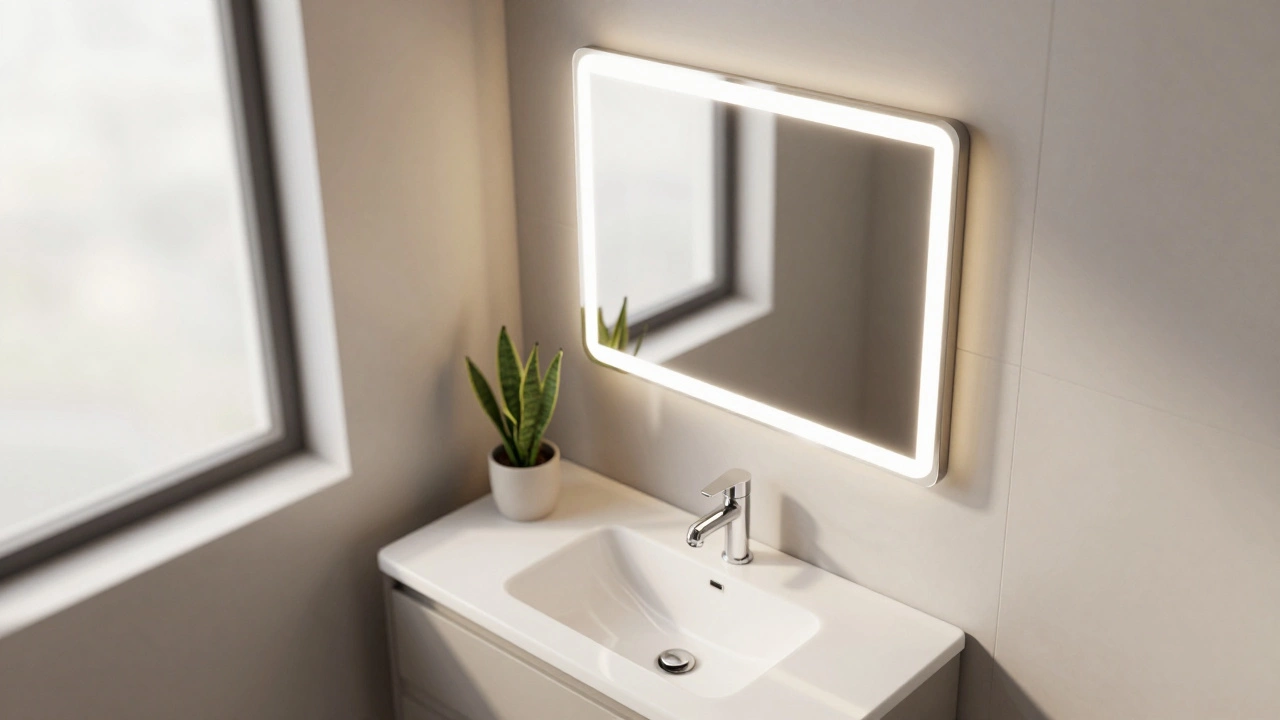
We start with the Mirror is a reflective surface essential for grooming and visually expanding small spaces. It’s the first thing you look at when you walk in, and it’s the last thing you check before leaving. A mirror isn’t just a tool; it’s a structural element. In smaller bathrooms-common in many Kiwi apartments-a well-placed mirror can double the perceived size of the room by reflecting light and depth.
But not all mirrors are created equal. If you’re buying one today, skip the cheap, frameless glass that fogs up instantly. Look for a mirror with anti-fog properties or one that includes integrated lighting. LED-lit mirrors are no longer just for high-end hotels; they’re affordable and game-changing. They provide even, shadow-free illumination for applying makeup or shaving, which overhead lights simply can’t do. Plus, the warm glow makes the space feel more inviting in those early morning hours when the rest of the house is still dark.
- Size matters: Aim for a mirror that is at least as wide as your vanity sink. This creates visual balance.
- Placement: Hang it at eye level, not chest level. Most people hang mirrors too low, forcing you to crane your neck.
- Style: A simple round or rectangular shape works best. Avoid overly ornate frames unless your entire home decor leans heavily into vintage styles.
2. Storage Solutions: Taming the Clutter
Here’s the hard truth: if you don’t have a plan for where things go, they will end up on the counter. Bathroom Storage is systems like cabinets, shelves, and organizers designed to keep toiletries out of sight and accessible. This is the piece that separates a functional bathroom from a stressful one. Without adequate storage, your beautiful tiles and fixtures get buried under shampoo bottles and cotton swabs.
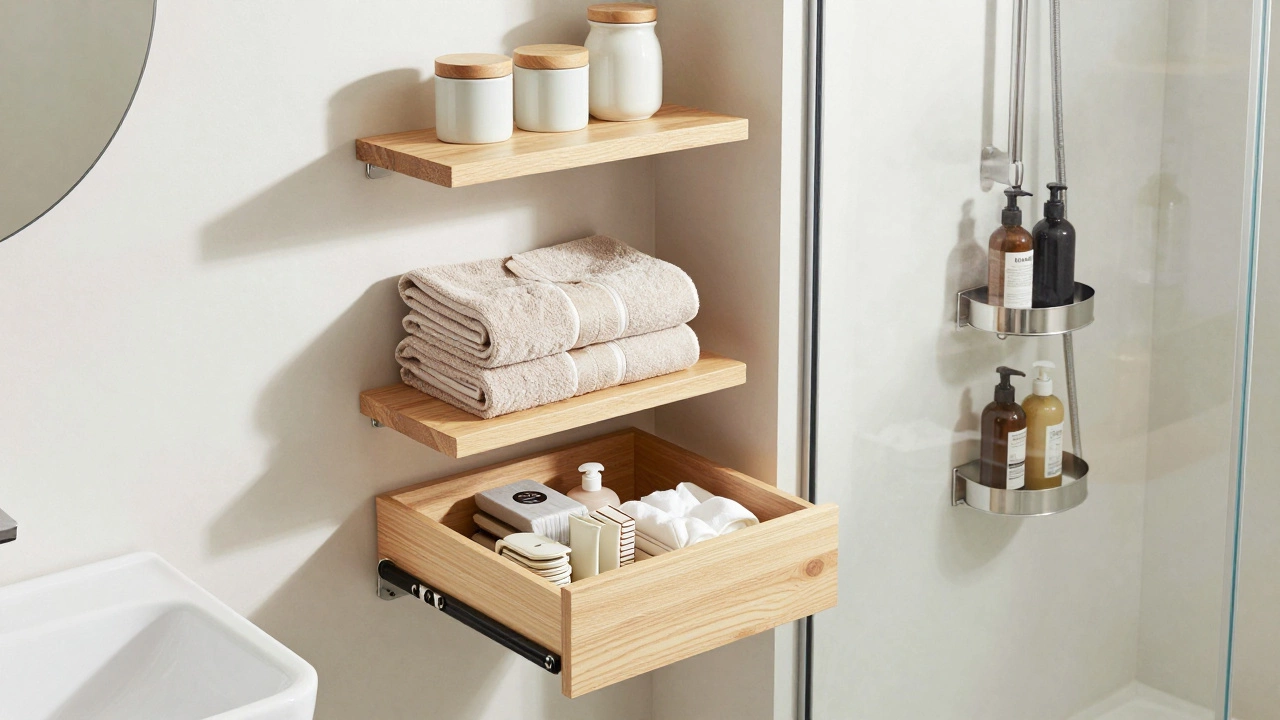
You don’t need a massive built-in cabinet to solve this. In fact, flexible storage often works better. Think verticality. Wall-mounted floating shelves above the toilet or beside the shower can hold towels and decorative items without taking up floor space. Inside the shower, a corner caddy made of stainless steel or rust-resistant plastic keeps soap and shampoo organized. Under the sink, pull-out drawers or stackable bins turn dead space into usable real estate.
The key is to match the storage to the user. If you have kids, lower shelves or open baskets make it easier for them to grab their own toothbrushes. If you’re a skincare enthusiast, clear acrylic organizers on the counter let you see what you have while keeping bottles upright and tidy. The goal is zero clutter on horizontal surfaces. If it doesn’t belong in your hand right now, it belongs in storage.
| Zone | Best Storage Solution | Why It Works |
|---|---|---|
| Vanity/Sink | Under-sink cabinets or drawer organizers | Hides bulky items like cleaning supplies and extra towels |
| Shower/Tub | Ceiling-mounted racks or corner caddies | Utilizes unused vertical space; keeps floor dry |
| Toilet Area | Floating shelves or over-the-toilet units | Adds display space without blocking traffic flow |
| Walls | Hooks and pegboards | Keeps robes and towels off the floor; easy to install |
3. Towels: The Texture Factor
Towels might seem mundane, but they are the primary source of comfort in a bathroom. Bath Towels are absorbent textiles used for drying after bathing, impacting both hygiene and aesthetic appeal. A thin, scratchy towel ruins the experience of a hot shower, no matter how nice the tiles look. Conversely, plush, high-quality towels elevate the entire room’s vibe.
When choosing towels, focus on GSM (grams per square meter). Standard hotel towels are around 500-600 GSM, which offers a good balance of absorbency and quick drying. Super plush towels can hit 900+ GSM, but they take forever to dry, especially in humid climates like New Zealand’s. This can lead to mildew smells if you don’t have excellent ventilation. Stick to Egyptian or Pima cotton for softness, or bamboo blends if you want something naturally antibacterial and eco-friendly.
Don’t forget the hierarchy. You need bath sheets for full-body drying, hand towels for the sink, and washcloths for face and body exfoliation. Keep spares folded neatly in a linen closet or under-bed storage. Rotating them weekly ensures you always have a fresh, dry set ready. And yes, color coordination matters. Neutral tones like white, grey, or beige hide water spots better than bright colors and tie together disparate design elements.
4. Lighting: Setting the Mood
Lighting is often an afterthought until you realize you’re squinting into the mirror or tripping over the bathmat at night. Bathroom Lighting is illuminating fixtures that ensure safety, functionality, and ambiance in a wet environment. Good lighting does three things: it helps you see clearly for tasks, it makes the space feel safe, and it sets the mood for relaxation.
Avoid relying solely on a single ceiling light. That creates harsh shadows under your eyes and nose. Instead, layer your lighting. Start with ambient light from the ceiling or wall sconces flanking the mirror. Then add task lighting if your mirror doesn’t have built-in LEDs. Finally, consider accent lighting. A dimmable bulb or a small LED strip under the vanity can create a spa-like atmosphere in the evening.
Safety is critical here. Ensure all fixtures are rated for damp or wet locations, especially near showers and tubs. IP44 rating or higher is standard for splash zones. Smart bulbs are also a great addition. Being able to adjust the brightness and color temperature via your phone or voice assistant means you can switch from bright, cool white for morning routines to warm, dim yellow for a relaxing soak at night.
5. Ventilation: The Invisible Hero
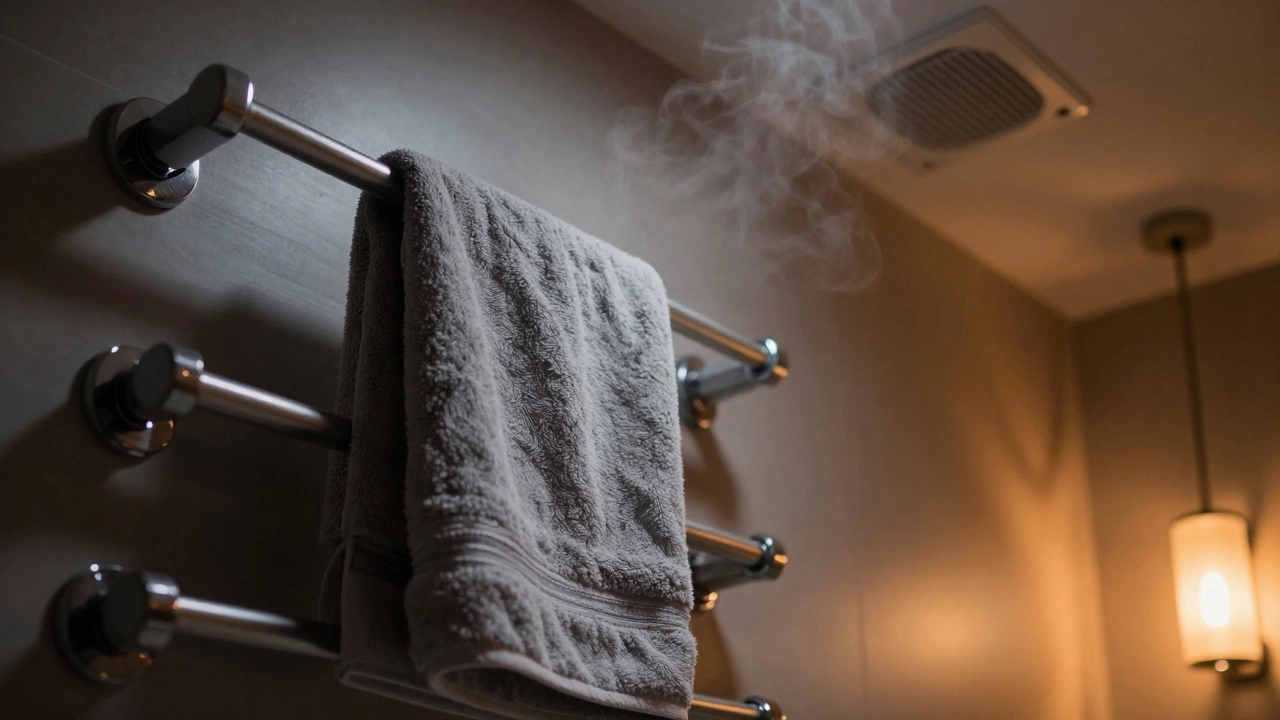
You won’t see it much, but it’s arguably the most important piece for longevity. Exhaust Fan is a mechanical device that removes moist air, preventing mold growth and maintaining indoor air quality. Without proper ventilation, humidity builds up, leading to peeling paint, warped wood, and black mold in grout lines. This is particularly relevant in Auckland, where the climate is consistently humid.
An exhaust fan should run during and for at least 20 minutes after a shower. Look for fans with a high CFM (cubic feet per minute) rating relative to your bathroom size. A general rule is 1 CFM per square foot of floor space. So, a 100-square-foot bathroom needs a 100 CFM fan. Quiet operation is also key; decibel ratings below 1.0 sones are considered whisper-quiet.
If you can’t install a window or a fan, a dehumidifier is a necessary alternative. But prevention is better than cure. Proper airflow protects your investment in the other four pieces. It keeps the mirror fog-free, the towels dry, and the air fresh. Don’t skimp on this invisible piece-it saves you thousands in repairs down the line.
Putting It All Together
These five pieces-mirror, storage, towels, lighting, and ventilation-form the backbone of any functional bathroom. You can add plants, art, or fancy soap dispensers later, but without these fundamentals, the room will feel incomplete or frustrating to use. Focus on quality over quantity. One great mirror is better than three mediocre ones. Solid storage beats a pile of random baskets. When you nail these basics, your bathroom becomes a sanctuary rather than a chore.
What is the most important accessory in a bathroom?
While subjective, the mirror is often considered the most important because it serves a primary functional need (grooming) and significantly impacts the room's spatial perception. However, ventilation is the most critical for long-term health and maintenance.
How do I choose the right size mirror for my bathroom?
Aim for a mirror width that matches or is slightly narrower than your vanity sink. This creates visual harmony. Height-wise, ensure the bottom edge is at least 5 inches above the faucet to prevent splashes, and the top is at eye level for comfortable viewing.
What type of storage is best for small bathrooms?
Vertical storage is key. Use floating shelves, over-the-toilet units, and wall-mounted hooks. Inside the shower, corner caddies maximize space. Avoid bulky floor-standing cabinets that block movement in tight areas.
Do I need an exhaust fan if I have a window?
Ideally, yes. Windows aren't always open, and weather conditions vary. An exhaust fan provides consistent, controlled removal of moisture regardless of external conditions, reducing the risk of mold and damage more reliably than natural ventilation alone.
What GSM towel should I buy for everyday use?
For everyday use, aim for 500-600 GSM. This range offers excellent absorbency and softness without being too heavy or slow to dry. Higher GSM towels (800+) are luxurious but require more frequent washing and better ventilation to prevent mildew.