Should a Rug Fill the Whole Floor? The Truth About Rug Sizing in Modern Homes
Rug Size Calculator
Calculate Your Ideal Rug Size
Based on modern interior design guidelines, determine the perfect rug size for your space.
Room Dimensions
Rug Placement Guide
Recommended spacing: 12-18 inches of exposed floor around the rug
Results
Pro Tip: The rug should anchor your furniture, not cover the entire floor. Leave 12-18 inches of exposed flooring around the edges for optimal flow.
Ever walked into a room and felt like something was off-even though everything looked neat? More often than not, the culprit isn’t the furniture, the paint, or even the lighting. It’s the rug. A rug that’s too small makes a space feel disconnected. A rug that’s too big can overwhelm it. So, should a rug fill the whole floor? The short answer: no. But here’s why that’s not the whole story.
Why Full-Floor Rugs Rarely Work
Most people picture a rug covering every inch of the floor like a giant carpet. But that’s not how modern interior design works. Solid flooring under furniture creates a sense of openness. It lets light move freely and makes rooms feel larger. Covering the entire floor with a rug kills that effect. It turns the space into a box with a patterned lid-no air, no flow.
Think about it: in a 12x15-foot living room, a full-floor rug would be 180 square feet. That’s bigger than most dining tables. Most standard area rugs are 8x10 or 9x12. Even the largest ones top out around 10x14. That’s not because manufacturers can’t make bigger ones-it’s because they shouldn’t.
What the Experts Actually Recommend
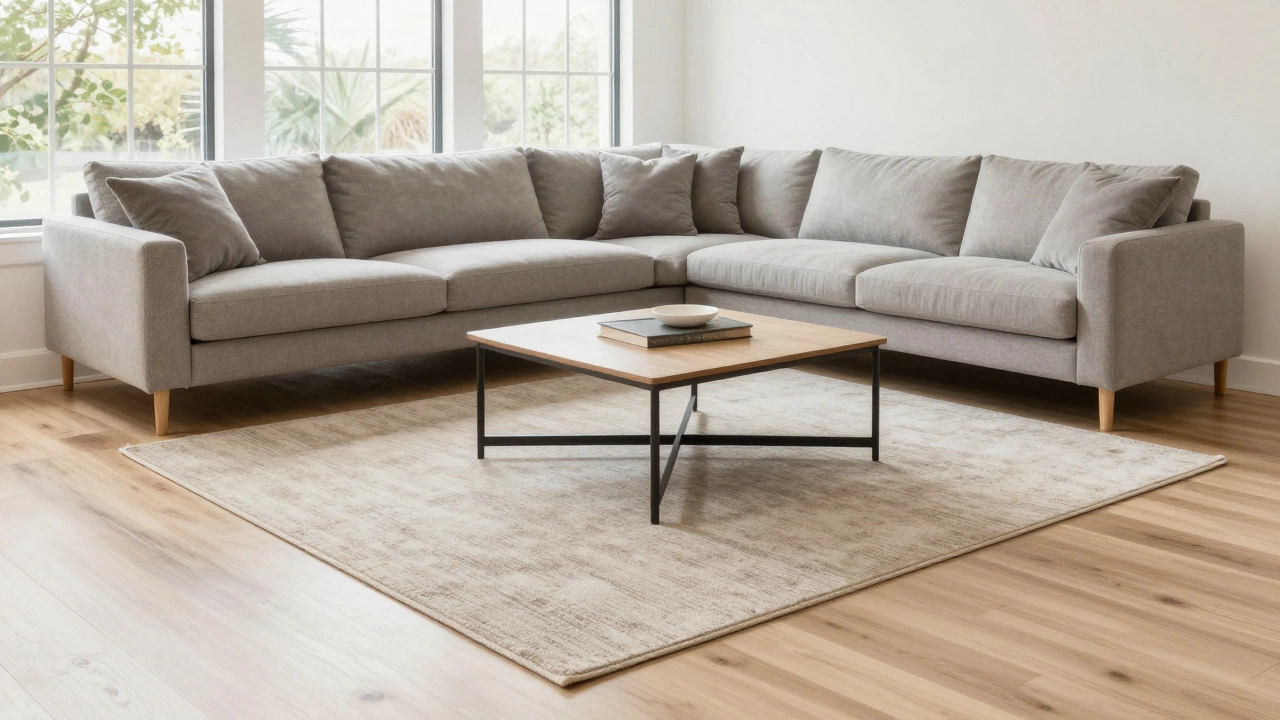
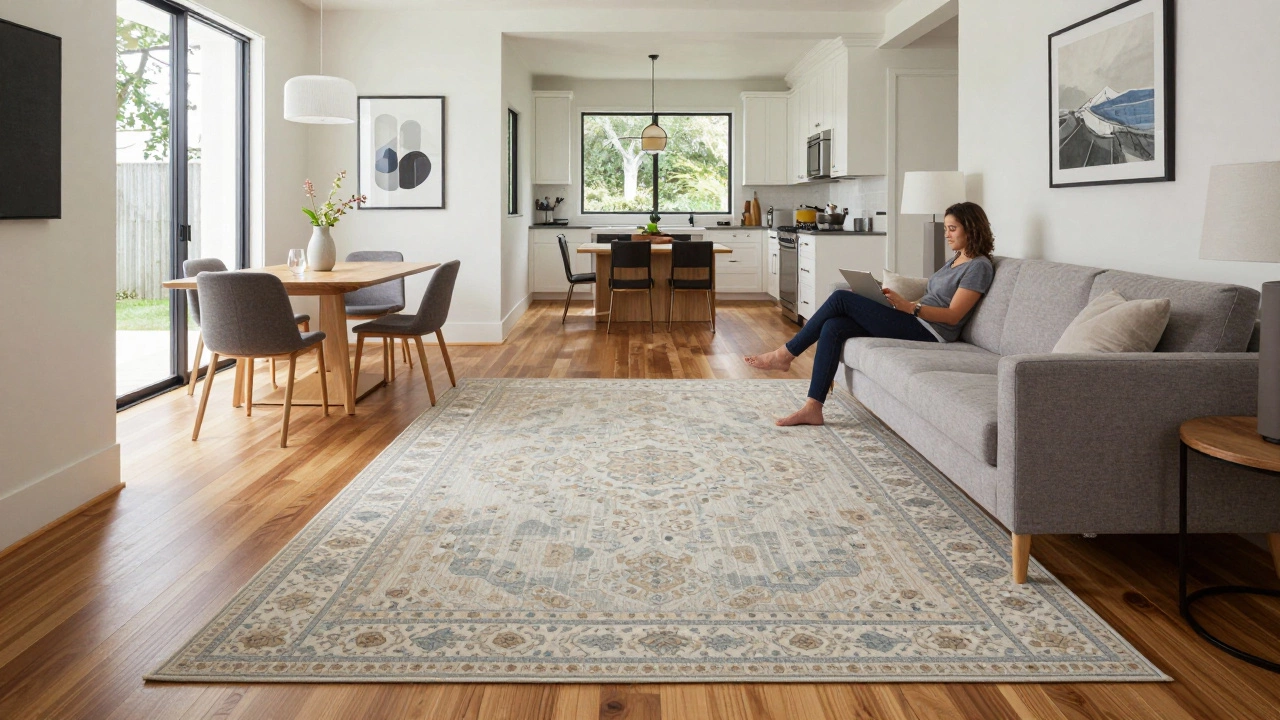
Interior designers follow a simple rule: the rug should anchor the furniture, not the floor. In a living room, all major seating pieces-sofas, chairs, ottomans-should sit on the rug. At minimum, the front legs of each piece need to be on the rug. If you have a large sectional, the whole thing should fit. If you have a coffee table, its legs should be on the rug too.
That doesn’t mean the rug needs to stretch to the walls. In fact, leaving 12 to 18 inches of floor exposed around the edges is ideal. It creates a frame, like a picture in a mat. That gap lets your eyes rest. It gives the room breathing room. It also makes cleaning easier. No one wants to vacuum right up to the baseboard every week.
When a Bigger Rug Makes Sense
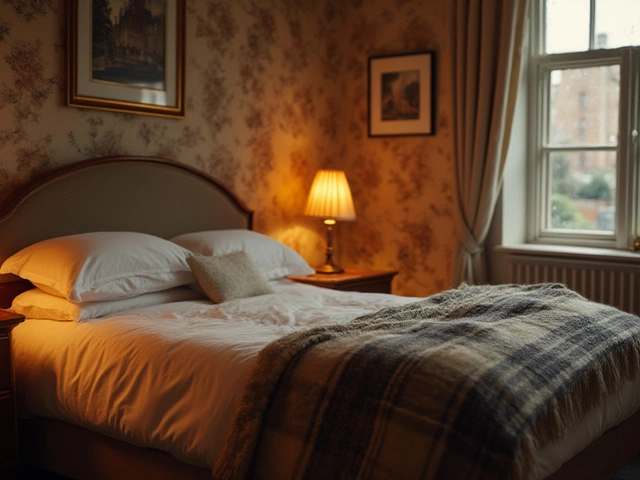
There are exceptions. If your room has a bold patterned floor-like checkerboard tile or wide-plank hardwood with heavy grain-a large rug can soften the look. In open-concept spaces, a single oversized rug can define a seating area without using walls or railings. In bedrooms, a rug that runs from the bed to the dresser (and maybe even under the nightstands) works beautifully. But even then, it rarely covers the entire floor.
One real-world example: a client in Austin had a 16x20-foot great room with dark stained oak floors. The furniture was modern, low-slung, and neutral. She wanted the room to feel cozy. We went with a 10x14 rug. It sat under the sectional and coffee table, with 2 feet of floor showing on all sides. The result? The rug became the visual anchor. The space felt grounded, not cramped.
What Happens When You Go Too Big
Over-sized rugs cause three common problems:
- Visual clutter: Too much pattern on the floor competes with walls, art, and furniture. Your eyes don’t know where to land.
- Practical mess: Cleaning becomes a nightmare. Vacuuming edges is hard. Spills spread farther. Moving furniture is harder when it’s glued to the rug.
- Cost: A rug that covers 200+ square feet isn’t just expensive-it’s often custom-made. You’re paying for coverage, not quality.
One homeowner in Chicago bought a 12x16 rug for her 14x18 living room. She thought it looked luxurious. But after three months, she said: "It feels like I’m sitting on a giant tapestry. The room doesn’t breathe anymore." She replaced it with a 9x12 and said the difference was "like turning on a window."
How to Choose the Right Size
Follow this step-by-step method:
- Measure your main seating area. Include the sofa, chairs, and coffee table.
- Add 18 inches to each side. That’s your minimum rug size.
- Check your door swings. Make sure the rug doesn’t block a door from opening fully.
- Stand in the doorway. Look at the room. Does the rug feel like it belongs? Or does it look like an afterthought?
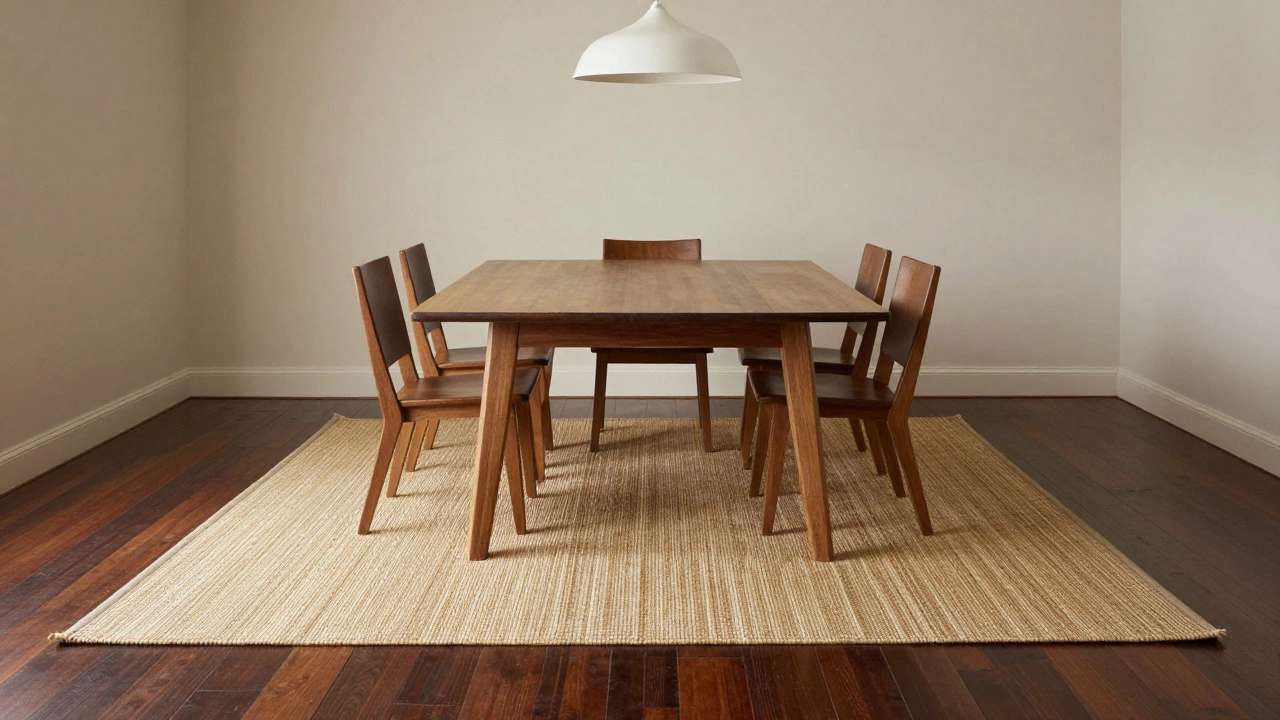
For dining rooms: the rug should extend at least 24 inches beyond the table on all sides. That way, chairs stay on the rug even when pulled out. In bedrooms: aim for a rug that extends 18-24 inches past the bed on the sides and foot. In entryways: a runner is better than a full rug. It guides movement without covering every inch.
The Psychology of Floor Coverage
Our brains respond to boundaries. A rug that’s too small feels like an island. A rug that’s too big feels like a prison. The sweet spot is a rug that creates a zone-clear, defined, but not closed off.
Studies in environmental psychology show that rooms with well-placed rugs are perceived as more welcoming. But only when the rug leaves space. One 2024 study from the University of Oregon found that rooms with 12-18 inches of exposed flooring around a rug scored 37% higher in perceived comfort than rooms with full-floor coverage.
It’s not about covering more. It’s about creating harmony.
Common Mistakes and How to Fix Them
Here are three mistakes people make-and how to fix them:
- Mistake: Putting a 5x8 rug under a large sectional. Fix: Swap it for a 9x12. At least the front legs of the sofa should be on it.
- Mistake: Using a round rug in a rectangular room. Fix: Choose a rectangular rug that matches the room’s shape. Round rugs work best under round tables or in circular seating areas.
- Mistake: Buying a rug based on color alone. Fix: Test it in the room. Lay down a sheet of painter’s tape to mark the rug’s size. Walk around. See how it feels at different times of day.
Final Rule: Less Is More
There’s a reason luxury hotels don’t cover entire floors with rugs. They use small, high-quality pieces to highlight key areas. They let the floor speak for itself.
A rug isn’t meant to hide the floor. It’s meant to celebrate it. To add warmth, texture, and rhythm. To pull a room together without smothering it.
So no, a rug shouldn’t fill the whole floor. But it should fill the right space. The space where people live, sit, and gather. That’s the only coverage that matters.
Should a rug go under all the furniture?
In a living room, yes-if the furniture is meant to be part of the rug’s zone. At minimum, the front legs of sofas and chairs should be on the rug. If you have a large sectional, the whole thing should fit. For dining rooms, chairs must stay on the rug even when pulled out. But in bedrooms or hallways, partial coverage is fine. The goal is cohesion, not coverage.
Can I layer rugs to make a small one look bigger?
Yes, but do it right. Layer a neutral, low-pile rug underneath (like a jute or sisal) and place a smaller decorative rug on top. This adds depth without overwhelming the space. Avoid layering two patterned rugs-it creates visual noise. Also, make sure the bottom rug is large enough to hold the top one without slipping.
What if my room has an odd shape?
Measure the main seating or dining area, not the whole room. If your room is L-shaped, treat each section separately. Use two smaller rugs instead of one awkwardly shaped one. A rug doesn’t need to follow the walls-it needs to follow the furniture. Focus on where people move and sit, not where the walls are.
Is it okay to have no rug at all?
Absolutely. Not every room needs a rug. If you have beautiful hardwood, tile, or stone floors, let them shine. Rugs are for comfort and cohesion, not obligation. A clean, well-maintained floor can be just as inviting as a rug-if the lighting and furniture work together.
How do I know if my rug is too small?
If you can’t sit on the edge of your sofa without your feet touching bare floor, it’s too small. If the coffee table looks like it’s floating, or if chairs look like they’re about to fall off, you need a bigger one. The rug should feel like part of the furniture, not an add-on.