Is It Worth Buying Expensive Sofas? A Practical Guide to Quality, Durability, and Value
Sofa Value & Longevity Calculator
Your Situation
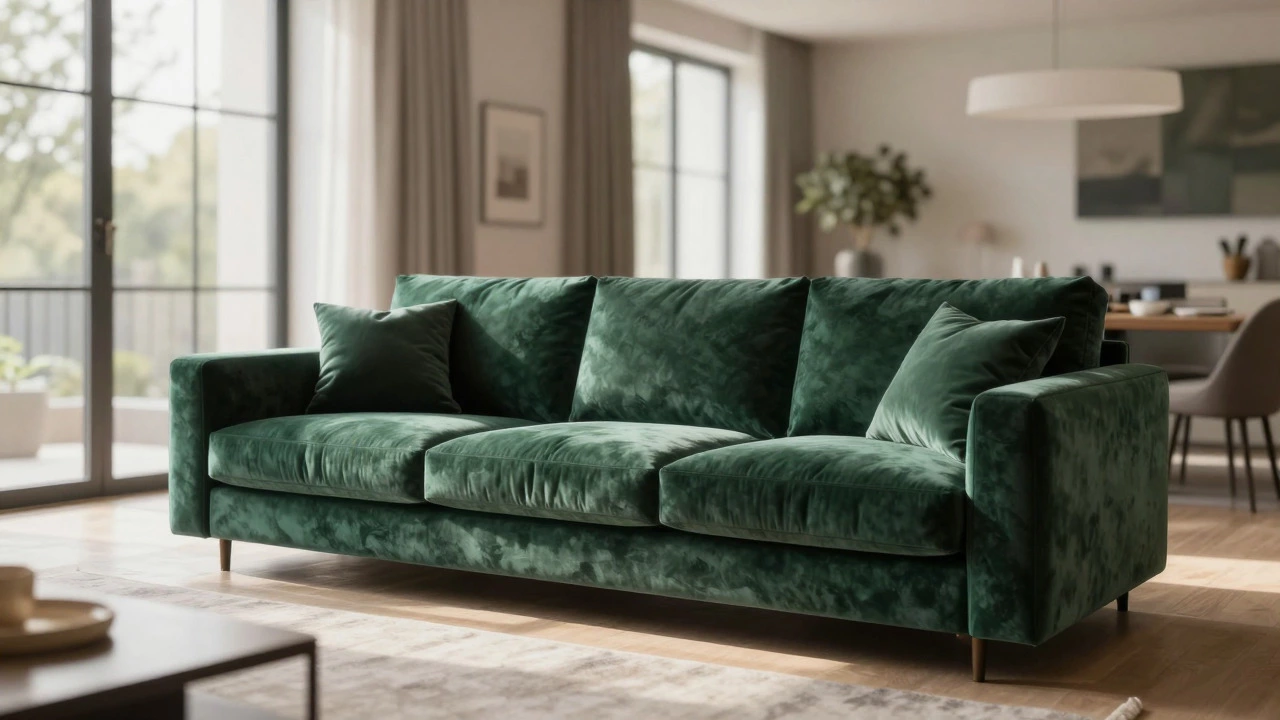
You’re standing in a showroom, running your hand over the velvet of a three-seater that costs more than your first car. The salesperson talks about 'hand-tufted buttons' and 'high-resilience foam.' You walk out confused. Is this luxury actually worth it, or are you just paying for a brand name?
In Auckland, where space is often at a premium and we value practicality as much as style, this question hits home. We aren’t just looking for a place to sit; we need something that survives kids, pets, and long movie nights without sagging into an uncomfortable slump after six months.
The short answer? Sometimes yes, often no. The price tag alone doesn’t guarantee quality. What matters is what’s underneath the fabric. If you buy the right expensive sofa, it lasts decades. If you buy the wrong one, it’s a costly mistake. Let’s break down exactly what you should look for so you don’t waste your money.
What Actually Makes a Sofa Expensive?
When you see a massive price difference between two similar-looking sofas, it’s rarely about the aesthetics. It’s about materials, construction methods, and labor. Understanding these components helps you decide if the extra cost brings real value.
Fabric and Upholstery
Cheap sofas often use synthetic fabrics like basic polyester or acrylic blends. They might look nice initially but tend to pill, fade, or tear quickly. High-end options use natural fibers like linen, cotton, or wool, or high-performance synthetics designed to resist stains and wear. For example, Sunbrella is a solution-dyed acrylic fabric known for its exceptional durability and colorfastness. This type of fabric can last ten years longer than standard upholstery because the color is woven into the fiber, not just printed on top. If you have pets or small children, this kind of material is worth every cent.
Frame Construction
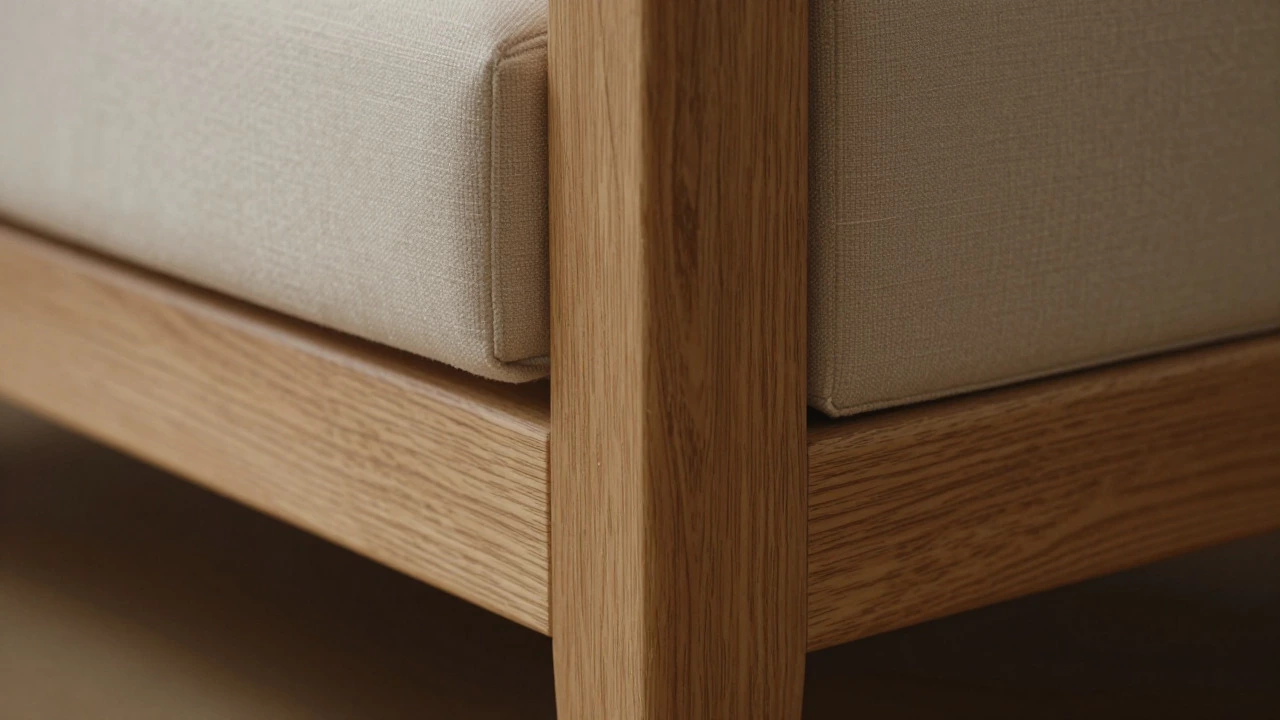
The skeleton of the sofa determines its lifespan. Budget models frequently use particleboard, MDF (medium-density fiberboard), or thin hardwoods joined with staples and glue. These materials swell when exposed to humidity-something we know well here in New Zealand-and eventually crack or loosen. Premium sofas use kiln-dried hardwoods like oak, ash, or maple. Kiln drying removes moisture from the wood, preventing warping. These frames are usually joined using mortise-and-tenon joints or double-doweled connections, which are mechanically stronger than simple glue-ups.
Cushioning and Support
This is where comfort lives. Cheap sofas use low-density polyurethane foam that flattens out within a year. You’ve probably sat on those chairs in fast-food restaurants; they feel firm at first but become lumpy and hard over time. Better sofas use high-resilience (HR) foam, which bounces back to its original shape. Some luxury brands combine HR foam with down feathers for a plush, sink-in feeling, though this requires regular fluffing. Another option is pocket spring seating, similar to mattress technology, which provides individualized support and prevents the "hammock" effect where the middle sags.
The Hidden Costs of Cheap Furniture
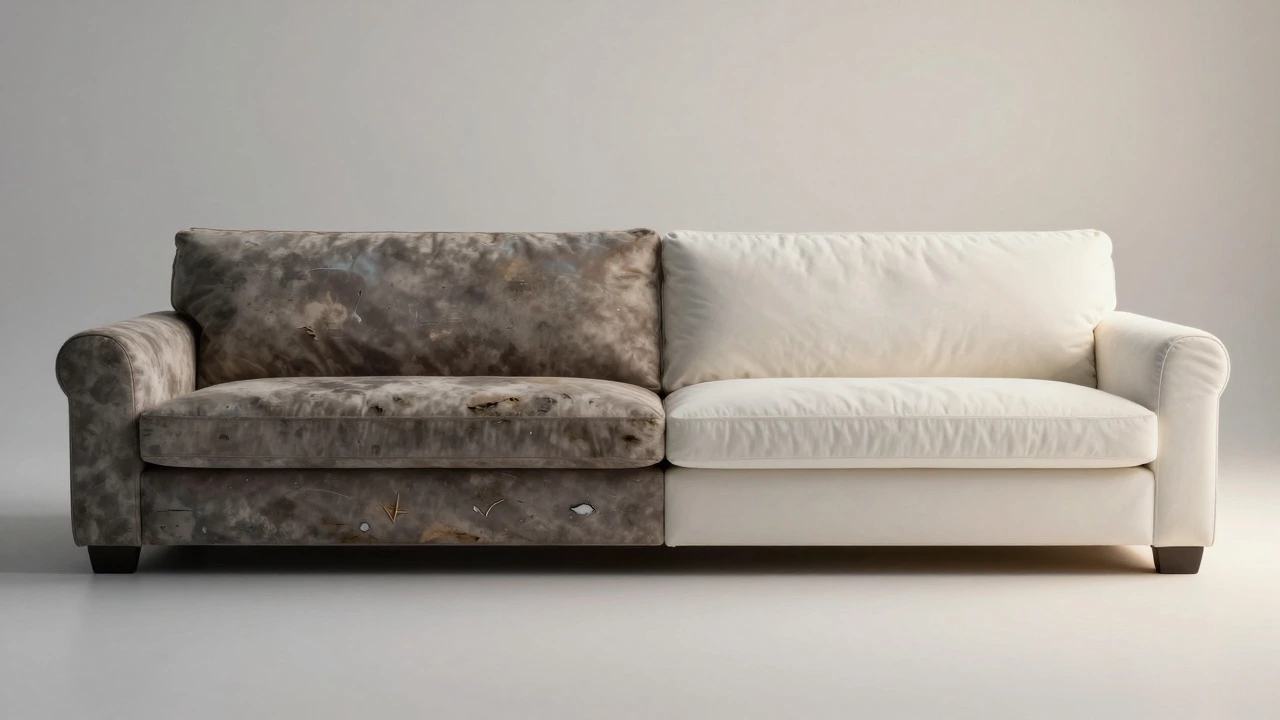
It’s tempting to save money upfront by buying a budget sofa. But consider the total cost of ownership. A $1,000 sofa that needs replacing every three years costs you $3,000 over nine years. A $3,500 sofa that lasts fifteen years costs you significantly less per year. Plus, there’s the hassle factor: moving heavy furniture, disposing of old pieces, and the environmental impact of landfill waste.
Cheap furniture also tends to lose its visual appeal faster. Fading colors, stained cushions, and exposed frame joints make your living room look tired. An expensive sofa, maintained properly, retains its structure and appearance far longer, keeping your home looking polished.
| Feature | Budget Sofa ($800 - $1,500) | Premium Sofa ($2,500+) |
|---|---|---|
| Frame Material | Particleboard, softwood, staples | Kiln-dried hardwood, mortise & tenon joints |
| Foam Density | Low density (1.5 - 1.8 lb/ft³), flattens quickly | High-resilience (2.5+ lb/ft³), retains shape |
| Upholstery | Basic polyester, prone to pilling/fading | Natural fibers or performance fabrics (e.g., Sunbrella) |
| Warranty | 1-2 years, limited coverage | 5-10 years, comprehensive structural warranty |
| Lifespan Expectancy | 3-5 years | 10-20+ years |
When Is an Expensive Sofa NOT Worth It?
Not all high prices indicate high quality. Sometimes, you’re paying for marketing, designer names, or trendy designs that won’t age well. Here’s when you should hesitate:
- Trendy Designs: If a sofa has an unusual shape or bright color that feels very "now," it might look dated in five years. Classic silhouettes with neutral fabrics offer better long-term value.
- Brand Hype: Some brands charge premiums simply because their logo is recognizable. Check the specs. If the frame is still particleboard and the foam is low-density, the name doesn’t matter.
- Short-Term Needs: Are you renting a flat for a year or two? Or waiting for a new house to be built? Don’t invest thousands in furniture you’ll move soon. Moving damages even the best sofas.
- Over-Specialization: Highly customized pieces with rare woods or exotic leathers can be beautiful but difficult to repair or reupholster later. Stick to accessible materials if you plan to maintain the piece yourself.
How to Spot Quality Without Being an Expert
You don’t need a degree in woodworking to tell if a sofa is well-made. Here are practical checks you can do in any store:
- The Sit Test: Sit on the sofa. Lean back. Does it feel supportive, or does it bottom out? Press down on the seat cushion with your hand. Good foam springs back immediately. Bad foam stays indented.
- Check the Corners: Look at the underside of the arms and legs. If you see clean, tight corners with visible joinery (like dowels or screws), that’s a good sign. Staple lines should be straight and even.
- Ask About the Foam: Salespeople should know the density of the foam. Ask specifically: "What is the density of the seat foam?" If they hesitate or say "polyester fiber fill," keep walking. Aim for densities above 2.0 lb/ft³ for daily use.
- Inspect the Fabric Rub Count: Fabrics are tested for durability using a Martindale rub test. A number above 30,000 rubs indicates heavy-duty suitability. Below 15,000 is light residential use only.
- Read the Warranty Fine Print: A strong warranty covers the frame and springs for at least five years. If the warranty only covers manufacturing defects for one year, the manufacturer isn’t confident in longevity.
Making the Decision: A Personal Approach
Buying a sofa is personal. Your lifestyle dictates what "worth it" means. If you host dinner parties weekly, a stain-resistant, durable leather or performance fabric sofa is an investment in peace of mind. If you live alone, have no pets, and watch TV quietly, a mid-range sofa with decent foam might suffice.
Consider local craftsmanship too. In places like Auckland, there are talented upholsterers who can build custom pieces using high-quality local timber and fabrics. While this can be expensive, you get transparency on materials and a product tailored to your exact space. It’s often cheaper than importing luxury brands and supports the local economy.
Finally, think about resale value. Well-known, high-quality sofas retain some value if you ever sell them. Generic cheap furniture has zero resale value. If you view your home furnishings as assets rather than disposable goods, the initial higher cost makes sense.
Alternatives to Brand-New Luxury
If the price of new premium sofas scares you, consider second-hand markets. Vintage mid-century modern sofas or solid wood pieces from the 70s and 80s were often built to last. With professional reupholstering, you can get a high-quality frame for half the price of a new equivalent. Just ensure the frame is intact before buying.
Another option is modular sofas from reputable mid-tier brands. They allow you to replace individual sections if they wear out, extending the life of the entire piece without replacing everything.
How long should a good quality sofa last?
A well-made sofa with a hardwood frame and high-resilience foam should last between 10 and 20 years. Cheaper models with particleboard frames and low-density foam typically last 3 to 5 years before needing replacement due to sagging or structural failure.
Is leather always more expensive than fabric?
Generally, yes. Full-grain leather is durable and ages well, making it a premium material. However, high-performance synthetic fabrics like Sunbrella can rival leather in durability and may cost less while offering easier maintenance and more color options.
What is the most important feature to check when buying a sofa?
The frame construction is critical. Look for kiln-dried hardwoods joined with mortise-and-tenon or double-doweled joints. This ensures the sofa won't wobble or collapse under weight over time. Foam density is the second most important factor for comfort longevity.
Can I repair a cheap sofa instead of replacing it?
Minor repairs like fixing tears or replacing zippers are possible. However, if the frame is broken or the foam has completely flattened, repair costs often exceed the value of a cheap sofa. Investing in a quality piece initially reduces the need for major repairs.
Are Australian or New Zealand made sofas worth the extra cost?
Locally made sofas often use higher quality materials suited to our climate, such as kiln-dried timber that resists humidity. Supporting local artisans also means better customer service and easier access for repairs. While pricier, the durability and ethical production often justify the cost.