What Adds the Most Value to a Bathroom? A 2026 Guide
Bathroom Value & ROI Estimator
Select the upgrades you are considering to estimate their impact on your home's value and your daily comfort. Based on New Zealand real estate data.
Select Your Upgrades
Project Summary
Recommendation
Select upgrades above to see personalized advice.
You’re standing in your bathroom. It’s clean, sure, but does it feel like a space you actually want to be in? Or is it just a room you rush through before work? Here’s the uncomfortable truth: most homeowners waste money on trendy tiles or flashy faucets that barely move the needle on their home’s value. But other changes? They can add thousands of dollars to your property’s worth while making your daily routine infinitely better.
So, what actually adds the most value to a bathroom? Is it the shower? The storage? That heated towel rail everyone seems obsessed with? We’ve looked at real estate data, renovation costs, and homeowner satisfaction surveys from New Zealand and beyond to cut through the noise. You don’t need a full gut renovation to see a return. Sometimes, it’s about fixing what frustrates you most.
The central entity here isn't just "renovation." It's Bathroom Value, defined as the increase in market price and functional utility resulting from specific improvements to a bathroom space. Unlike general home decor, bathroom value is heavily tied to functionality, hygiene perception, and modern standards. When we talk about adding value, we are measuring two things: financial ROI (Return on Investment) and Quality of Life. Let’s break down which upgrades hit both marks hardest.
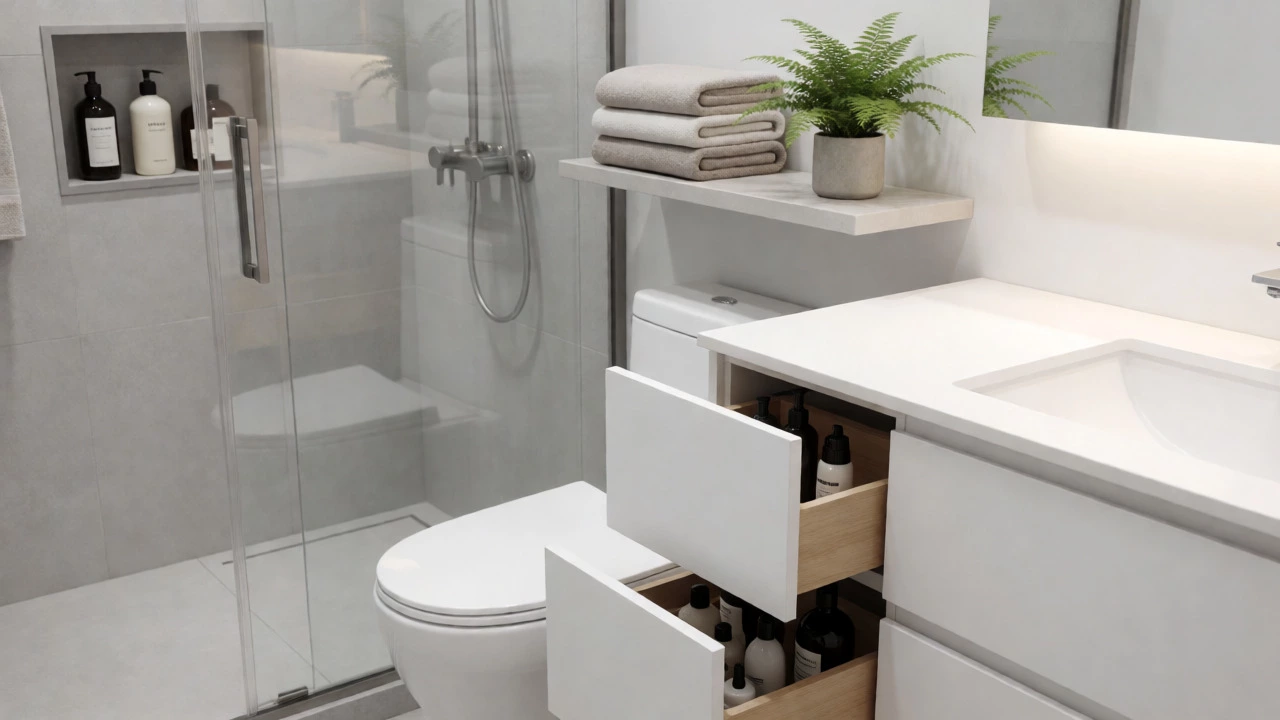
Storage Solutions That Solve Real Problems
Think about the last time you dropped your shampoo bottle behind the toilet. Or when you couldn’t find a dry towel because everything was damp. Poor storage is the number one complaint in older bathrooms. It makes the space feel smaller, messier, and less luxurious. This is why built-in Storage is often cited by real estate agents as a top feature for buyers.
But not all storage is created equal. Floating shelves are cheap, yes, but they collect dust and look cluttered if you have too many products. Recessed niches inside showers? Those are gold. They keep toiletries off the floor, prevent mold buildup in corners, and make cleaning ten times faster. In Auckland, where humidity is high, proper ventilation combined with smart storage prevents the black mold that scares off buyers.
- Vanity Drawers: Switch out cabinet doors for deep drawers. You can see everything at once. No more digging around for hair ties.
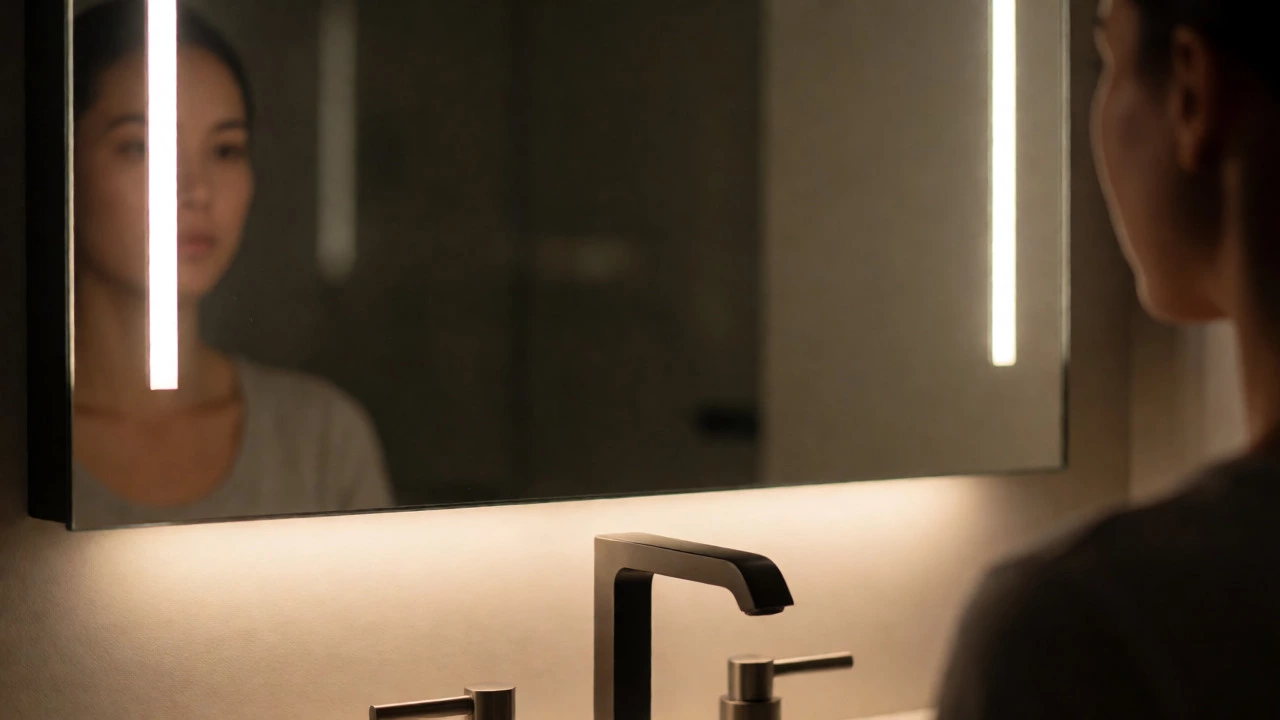
- Medicine Cabinets: Install one with integrated lighting. It doubles as task lighting for shaving or makeup, saving you from buying separate mirrors.
- Over-Toilet Shelves: Utilize dead space. A simple unit here can hold extra towels or decorative items without eating up floor area.
If you only do one thing, fix the storage. A clutter-free bathroom feels bigger. And bigger sells.
The Power of Lighting Layers
Bad lighting ruins even the most expensive marble. If your bathroom has one sad overhead bulb casting shadows under your eyes, you’re losing value. Buyers notice this immediately. They imagine how hard it will be to apply eyeliner or shave in that light.
Experts recommend three layers of Lighting: ambient, task, and accent. Ambient is your general ceiling light-keep it soft. Task lighting is crucial; this means vertical lights beside the mirror, not above it. Why? Vertical light illuminates the face evenly. Above-head light creates dark circles under the eyes. Accent lighting might be an LED strip under the vanity or in a niche, adding a spa-like glow.
In 2026, smart lighting is standard. Motion-sensor nightlights under the vanity prevent fumbling in the dark at 3 AM. Dimmer switches let you switch from bright morning prep to relaxing evening bath mode instantly. These small electrical updates cost relatively little but signal to buyers that the home is modern and well-maintained.
Upgrading Fixtures and Hardware
You don’t need to replace the entire bathtub to update the look. Swapping out outdated Fixtures like taps, showerheads, and handles offers one of the highest returns per dollar spent. Chrome is still popular, but matte black and brushed nickel are trending for their ability to hide water spots-a huge plus in hard-water areas.
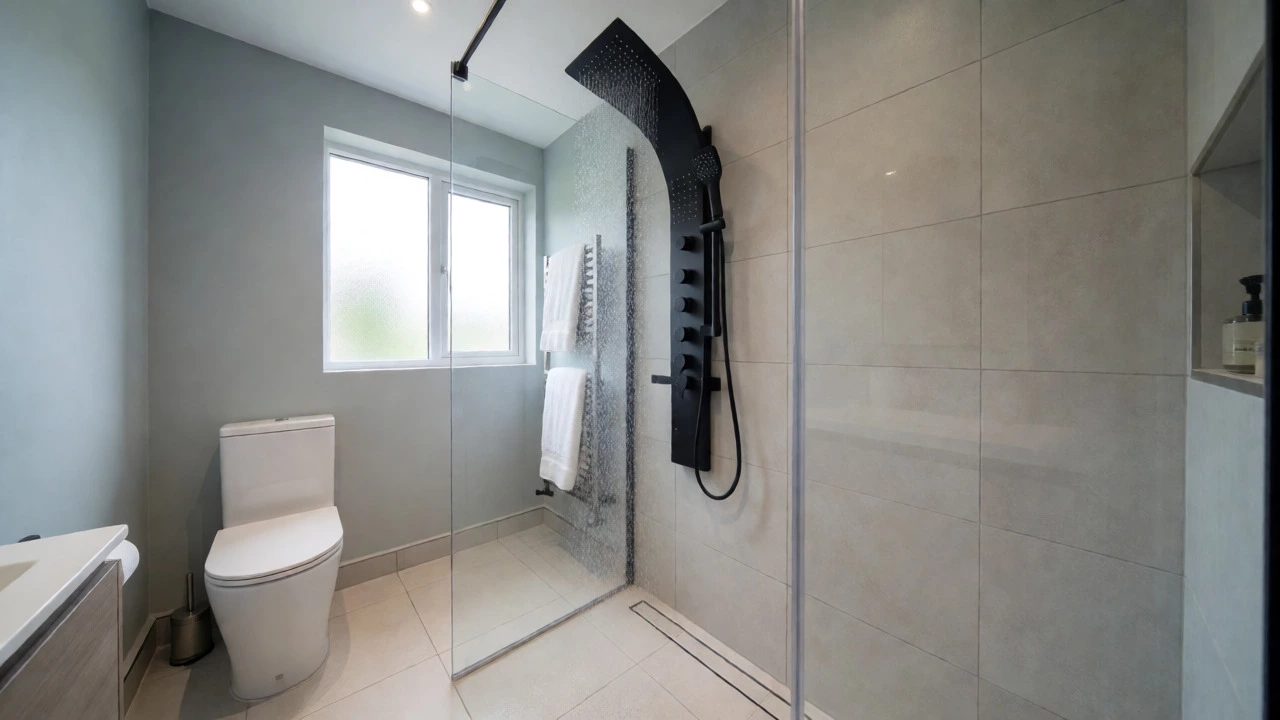
Consider the showerhead alone. A standard fixed head feels dated. A multi-setting rain showerhead transforms a quick rinse into a luxury experience. Cost? Maybe $150-$300 NZD. Impact? Massive. Similarly, replacing a leaky tap washer is cheap, but installing new, smooth-turning mixers signals quality. Leaks are red flags for inspectors. Fix them before you list.
Don’t forget the toilet. A dual-flush system saves water and meets current efficiency standards. Older single-flush toilets use up to 9 liters per flush. Modern ones use 4.5/3.0. That’s a tangible saving on utility bills, something eco-conscious buyers love.
Waterproofing and Ventilation
This is the unsexy part that matters most. If your grout is cracked or your silicone sealant is peeling, water gets behind the tiles. Behind the tiles, it rots the timber framing. By the time you smell mustiness, the damage is done. Buyers pay for peace of mind.
Ensure your Ventilation fan extracts moisture effectively. A weak fan leads to mold on ceilings and walls. Replace old fans with quiet, high-CFM models. If you have a window, ensure it opens fully. If not, a good exhaust fan is non-negotiable.
Re-grouting or re-sealing costs very little if you DIY. Use epoxy grout in wet areas-it’s stain-resistant and waterproof. Fresh white or grey grout makes old tiles look brand new. It’s a cosmetic fix with structural implications. Clean grout implies a clean, dry, healthy home.
Aesthetic Touches: Mirrors and Accessories
Once the functional stuff is sorted, aesthetics come in. But be careful. Personal taste doesn’t always equal market value. Bold pink tiles might be *your* style, but they limit who wants to buy your house.
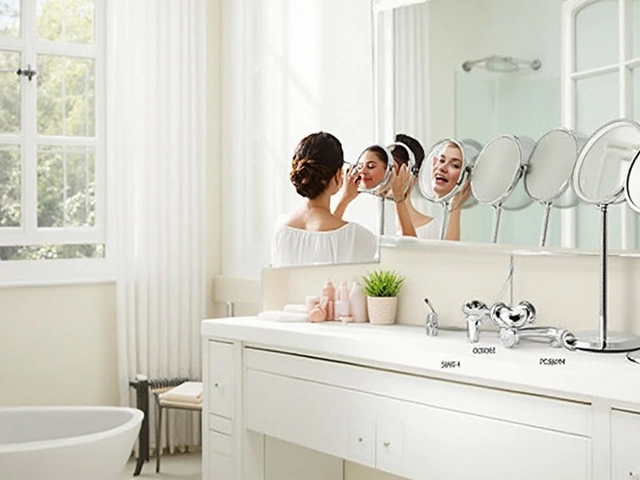
Stick to neutral palettes for big surfaces. Walls, floors, and large tiles should be whites, creams, greys, or earth tones. Then, use Mirrors and accessories to add personality. A large, framed mirror reflects light and makes a small powder room feel twice the size. Add a few plants-real or high-quality fake-that thrive in humidity. Ferns and pothos are great choices.
Textiles matter too. Swap out stained mats for plush, absorbent ones. Get matching towels that look hotel-quality. Fold them neatly. These details cost under $100 total but create a psychological impression of cleanliness and care.
| Upgrade | Estimated Cost (NZD) | Value Added | Effort Level |
|---|---|---|---|
| New Paint & Grout Refresh | $200 - $500 | High (Visual Impact) | Low |
| Fixture Replacement (Taps/Shower) | $300 - $800 | Medium-High (Modern Feel) | Medium |
| Vanity Upgrade (Pre-made) | $800 - $2,500 | High (Storage + Style) | Medium-High |
| Full Re-tile | $5,000+ | Variable (Depends on Layout) | High |
| Lighting Overhaul | $150 - $400 | Medium (Ambiance) | Low-Medium |
Common Pitfalls to Avoid
Don’t over-personalize. If you install a bidet attachment, keep it removable. Some buyers love it; others think it’s unnecessary clutter. Don’t tile every wall. Floor-to-ceiling tiling in a small bathroom can feel cold and clinical. Paint above the splash zone instead.
Also, ignore the "flipper" trap. Just because a TV show says knock down a wall doesn’t mean you should. Moving plumbing is expensive. Unless the layout is truly dysfunctional, keep the pipes where they are. Focus on surface-level upgrades that mask age rather than structural changes that drain savings.
Finally, check local regulations. In New Zealand, building consent rules vary by council. Simple fixture swaps rarely need consent, but moving a shower or changing drainage might. Check with your local authority before starting major work.
Frequently Asked Questions
Does a freestanding tub add value?
It depends on the market. In luxury homes, yes, it’s a desirable feature. In average family homes, it takes up valuable space that could be used for a larger shower. If you have a small bathroom, prioritize a spacious walk-in shower over a cramped freestanding tub.
How much should I spend on a bathroom renovation?
Aim for 5-10% of your home’s value. Spending more than that rarely yields a direct financial return, though it may improve your enjoyment. For a mid-range home, a budget of $10k-$15k NZD allows for significant updates without overcapitalizing.
Are heated towel rails worth it?
In cooler climates like Auckland winters, yes. They reduce drying time for towels, preventing mildew smells. While not a primary selling point for every buyer, they add comfort and perceived luxury for a modest installation cost.
Should I choose glass or acrylic for shower screens?
Glass looks higher-end and is easier to clean if treated with hydrophobic coatings. Acrylic is cheaper and warmer to touch but scratches easily. For maximum resale value, frameless glass is generally preferred.
What color makes a small bathroom look bigger?
Light, cool colors like soft whites, pale blues, or light greys reflect light and expand the visual space. Using large-format tiles with minimal grout lines also helps reduce visual clutter, making the room feel seamless and larger.
Next Steps for Your Project
Start with a declutter. Remove everything. Clean thoroughly. Look at the bones of the room. Does it need paint? New hardware? Better lights? Tackle those first. They are low-risk, high-reward. Only then consider bigger items like vanities or tiling. Remember, value comes from solving problems. If your bathroom works well, looks clean, and feels bright, you’ve added the most important kind of value there is.