How to Use the Word Bedding: Meaning, Context, and Common Mistakes

🛏️ Bedding Classification & Usage Checker
1. Item Classifier
Select an item to determine if it counts as "bedding" and which layer it belongs to.
2. Grammar Checker
Paste a sentence using the word "bedding" to check for common grammatical errors.
Imagine walking into a high-end hotel suite. The bed is made with crisp white sheets, a plush duvet, and decorative pillows. If you were describing that setup to a friend, would you say "the bed looks nice" or "the bedding is luxurious"? That single word choice changes the entire vibe of your description. It shifts the focus from the furniture (the frame) to the textiles (the soft layers). Yet, many people still struggle with exactly when and how to use this term correctly.
Bedding is a collective noun referring to all the soft furnishings used on a bed, including sheets, blankets, quilts, and pillows. Unlike specific items like a "duvet" or "fitted sheet," bedding is an umbrella term. It covers everything from the protective mattress cover to the topmost throw blanket. Understanding this distinction is key to using the word naturally in both casual conversation and professional contexts, such as interior design or hospitality management.
The Core Definition: What Counts as Bedding?
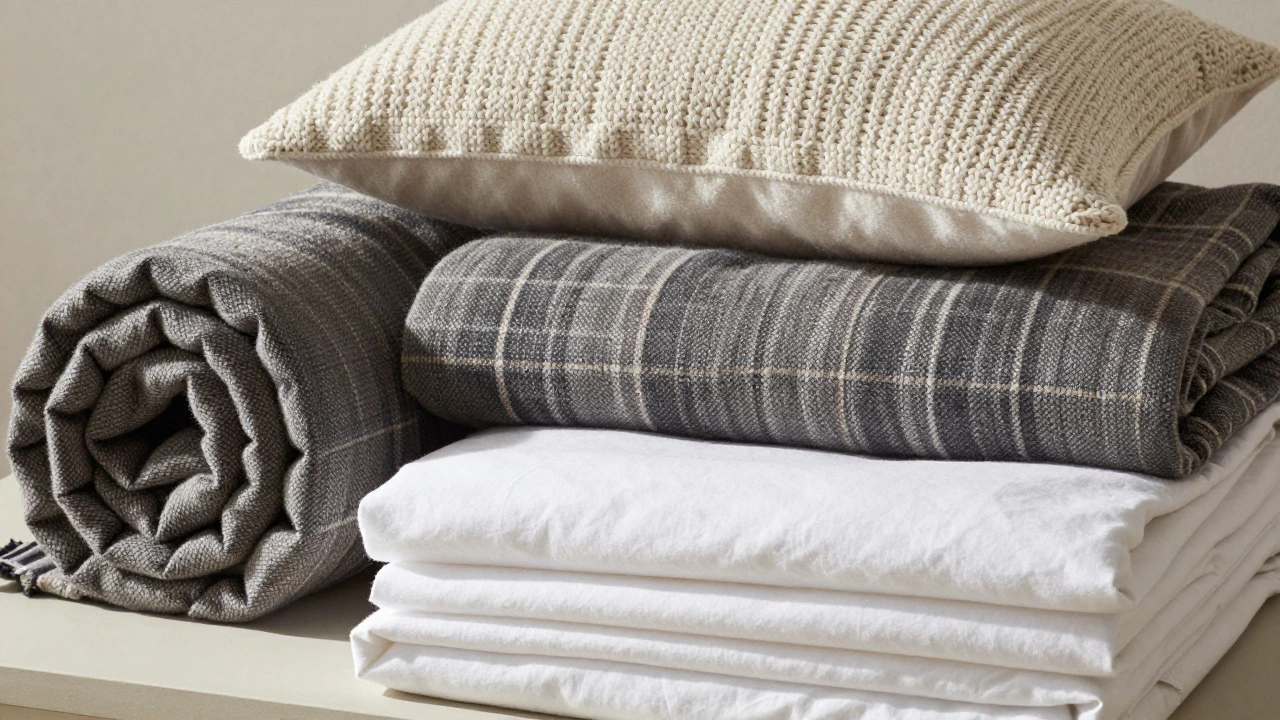
To use the word effectively, you first need to know what it includes. In most contexts, Textile Furnishings are the primary components of bedding. This category typically consists of three main layers:
- Base Layer: Fitted sheets, flat sheets, and mattress protectors. These sit directly on the mattress.
- Warmth Layer: Duvets, comforters, quilts, or blankets. These provide insulation.
- Decorative Layer: Pillowcases, shams, accent pillows, and throw blankets. These add style and texture.
Notice that the mattress itself is not considered bedding. The mattress is furniture or structural support. Similarly, the headboard is part of the bed frame. When you say "I bought new bedding," you are implying you purchased the soft goods, not the box spring or the wooden frame. This distinction is crucial for clarity, especially when shopping or discussing home renovations.
Grammatical Usage: Countable vs. Uncountable
One of the biggest hurdles for non-native speakers and even some native speakers is treating "bedding" as a countable noun. In standard English, bedding is generally treated as an uncountable (mass) noun. You don't usually say "I have two beddings." Instead, you might say "I have two sets of bedding" or "I have two duvet sets."
However, in the commercial and retail sectors, "bedding" can be used to describe categories of products. For example, a store might have a "Bedding Department" or sell "linen bedding." Here, it functions almost like a material descriptor, similar to how we talk about "woodwork" or "silverware."
| Context | Correct Usage | Incorrect/Awkward Usage |
|---|---|---|
| Shopping | I need to buy new bedding for my guest room. | I need to buy a new bedding. |
| Design Discussion | The color scheme of the bedding matches the curtains. | The colors of the beddings match the curtains. |
| Hospitality | We replace the bedding daily. | We replace a bedding every day. |
If you want to specify quantity, always pair it with a classifier like "set," "piece," or "collection." For instance, "a set of Egyptian cotton bedding" is precise and natural. Saying "one bedding" sounds incomplete, as if you're missing a unit of measurement.
Contextual Nuances: Home Decor vs. Agriculture
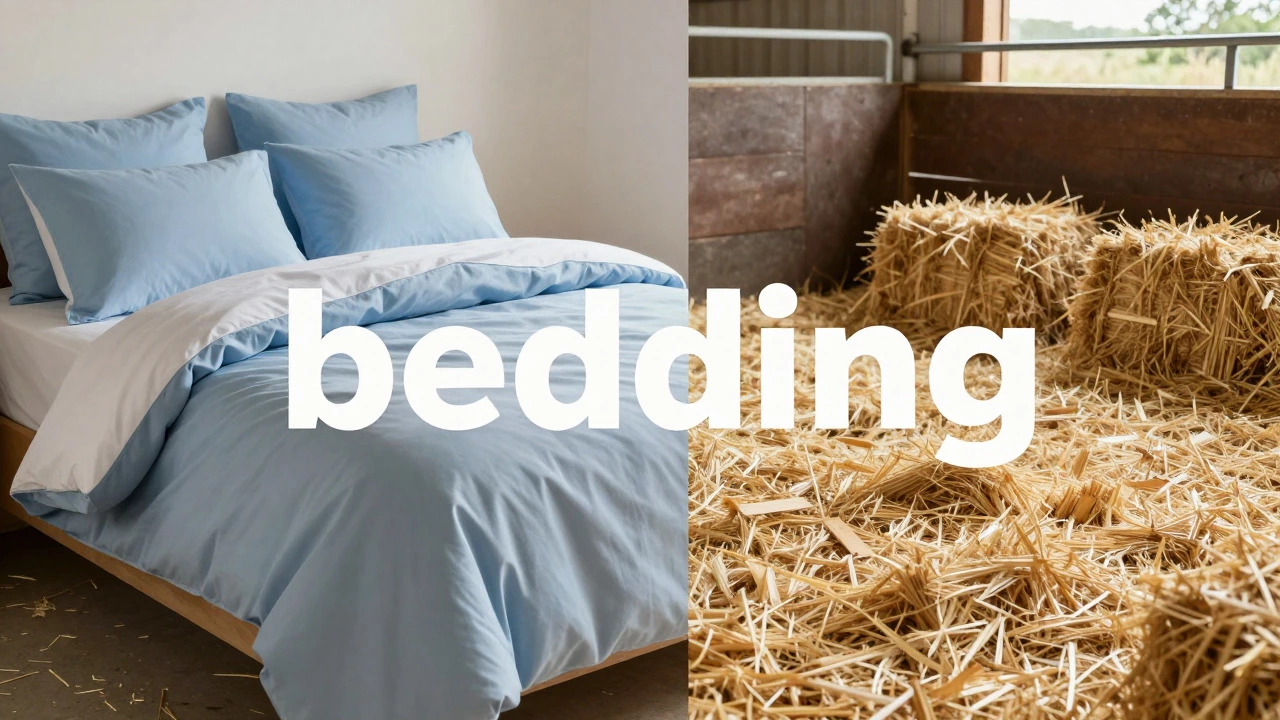
While most people associate bedding with sleep, the word has a secondary meaning in agriculture and animal care. In this context, Animal Bedding refers to material placed in an enclosure to absorb moisture and provide comfort for livestock or pets. Common types include straw, wood shavings, hay, and shredded paper.
This dual meaning rarely causes confusion because the context usually makes it clear. If you are talking to a farmer, "fresh bedding" means straw or shavings. If you are talking to an interior designer, it means linens. However, if you are writing a general article or giving directions, it’s wise to specify which type you mean. For example, "buying pet bedding" versus "buying bedroom bedding."
In the home decor world, the term also carries aesthetic weight. "Bedding" often implies a coordinated look. A mismatched collection of random sheets isn't usually referred to as a cohesive "bedding ensemble." Designers use the word to discuss themes, seasons, and textures. "Summer bedding" suggests lighter fabrics like linen or cotton percale, while "winter bedding" implies heavier materials like flannel or velvet.
Common Mistakes to Avoid
Even fluent speakers make a few predictable errors with this word. Here are the most common pitfalls and how to fix them:
- Confusing Bedding with Bed Linens: While often used interchangeably, "bed linens" is slightly more formal and specifically refers to the washable fabric items (sheets, pillowcases). "Bedding" is broader and can include non-washable decorative elements like heavy throws or fur rugs. In casual speech, they are synonyms, but in technical retail descriptions, "linens" is more precise for the washables.
- Using Plurals Incorrectly: As mentioned, avoid "beddings." If you must pluralize for emphasis in creative writing, consider "bedding sets" or "layers of bedding."
- Ignoring Material Specificity: When describing quality, "bedding" alone is vague. Adding material details enhances the description. "Silk bedding" conveys luxury; "cotton bedding" conveys breathability and durability. Always anchor the abstract concept with a concrete attribute.
Practical Tips for Using Bedding in Conversation
How do you use this word naturally in daily life? Think about the situations where you discuss your living space. If a friend visits your home and comments on your room, you might say, "Thanks! I just updated the bedding." This signals that you changed the soft goods, perhaps for a seasonal refresh or a new color palette.
In a business context, such as running a boutique or Airbnb, precision matters. Listing "high-thread-count bedding" appeals to guests who value comfort. Describing the "bedding arrangement" helps housekeepers maintain consistency. The word serves as a shorthand for the entire tactile experience of the bed.
When shopping online, filters often separate "Bedding" from "Mattresses" and "Furniture." Knowing this hierarchy helps you navigate stores efficiently. You’re looking for the textile section, not the hardware aisle.
Frequently Asked Questions
Is a mattress part of bedding?
No. A mattress is considered furniture or a structural component of the bed. Bedding refers only to the soft, removable textiles placed on top of the mattress, such as sheets, duvets, and pillows.
Can I say "a bedding"?
Generally, no. "Bedding" is an uncountable noun. To refer to a single unit, use a classifier like "a set of bedding," "a piece of bedding," or "a bedding set." Saying "a bedding" sounds grammatically incomplete to native ears.
What is the difference between bedding and linens?
"Linens" typically refers specifically to the washable fabric items (sheets, pillowcases, duvet covers). "Bedding" is a broader term that includes linens plus decorative items like throw blankets, accent pillows, and sometimes even bed skirts. In casual conversation, they are often used interchangeably.
Does bedding include the headboard?
No. The headboard is part of the bed frame, which is furniture. Bedding is strictly the soft, textile-based layer that sits on the mattress and can be easily removed or changed.
How is bedding used in agriculture?
In agriculture, bedding refers to materials like straw, wood shavings, or hay placed in animal enclosures to absorb waste and provide cushioning. This usage is distinct from home decor but follows the same logic of providing a comfortable base layer.