Best Rug Material: Wool vs Silk vs Synthetic for Quality
Rug Material Matchmaker
Answer three simple questions to find the best rug material for your specific needs.
You walk into a showroom or scroll through an online store, and the options are dizzying. Hand-knotted wool? Machine-made polypropylene? A blend of viscose and cotton? The price tags vary wildly, from fifty bucks to five figures, but what actually determines if that rug will survive your household life? It’s not just about looks. It’s about fiber integrity, pile density, and how the material reacts to your specific environment.
There is no single "best" material for every situation. If you have a toddler who loves to spill juice, high-pile silk might be a disaster waiting to happen. If you live in a dry, sunny apartment, certain synthetics might crack over time. The right choice depends entirely on where the rug goes and how hard it works. Let’s break down the materials by performance, cost, and longevity so you can stop guessing and start choosing with confidence.
The Gold Standard: Why Wool Dominates High-Quality Rugs
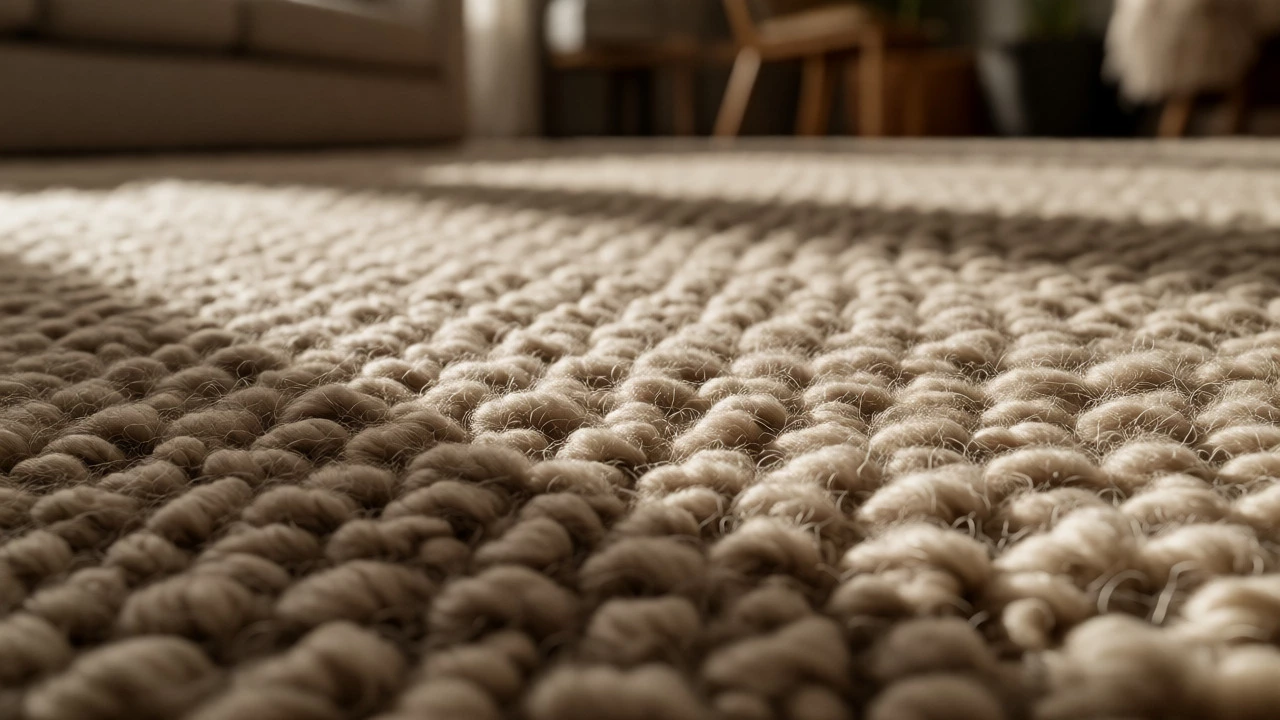
Wool is the most common natural fiber used in high-end rug making due to its resilience, stain resistance, and thermal properties. When people ask for the best quality, they usually mean wool. And for good reason. It’s naturally flame-retardant, which is a safety bonus you don’t get with many synthetics. More importantly, wool has a crimped structure that allows the fibers to bounce back after being compressed. You walk on it, furniture sits on it, and when you lift the chair, the pile returns to its original height. This memory effect is why wool rugs look new for decades.
In Auckland, where humidity fluctuates between damp winters and dry summers, wool handles moisture exceptionally well. It can absorb up to 30% of its weight in water vapor without feeling wet, helping regulate indoor air quality. However, not all wool is created equal. New Zealand wool, often called Corriedale or Crossbred, is prized for its strength and luster. Persian wool is finer and softer, ideal for intricate designs but less durable in high-traffic zones. If you’re buying a hand-knotted piece, check the origin. New Zealand or UK wools tend to hold color better and resist shedding more than lower-grade imports.
| Material | Durability | Stain Resistance | Cost Range | Best For |
|---|---|---|---|---|
| Wool | High (10+ years) | Natural oils repel stains | $$$ - $$$$ | Living rooms, bedrooms, high traffic |
| Silk | Moderate (delicate) | Lows; requires professional care | $$$$$ | Low-traffic display areas |
| Polypropylene | Moderate (5-7 years) | Excellent (non-absorbent) | $ | Kids' rooms, outdoors, basements |
| Jute/Sisal | Low-Moderate | Poor (absorbs liquids quickly) | $$ | Boho decor, low-spill zones |
| Nylon | Very High | Good (with treatment) | $$ | Heavy commercial use, hallways |
Silk: Luxury That Demands Respect
If wool is the workhorse, Silk is the luxury protein fiber known for its sheen, softness, and vibrant dye absorption in fine rug weaving. Silk rugs shimmer. Literally. The triangular cross-section of the fiber reflects light like a prism, creating depth and movement in the design that wool simply cannot match. When you run your hand across a silk rug, it feels cool and smooth, almost liquid.
But here’s the catch: silk is fragile. It doesn’t handle abrasion well. Dragging a sofa across a silk rug can pull threads instantly. It also hates direct sunlight; UV rays degrade the protein structure, causing colors to fade and fibers to become brittle. In our Auckland homes, this means keeping silk rugs away from west-facing windows unless you have heavy curtains. Silk is also a nightmare for pet owners. Cat claws catch easily, and dog urine can leave permanent yellow marks if not treated immediately. Buy silk only if you’re treating the rug as art-something to admire, not something to sit on daily.
Synthetics: Polypropylene and Nylon Explained
Not everyone needs a heirloom rug. Sometimes you need something cheap, tough, and easy to clean. Enter Polypropylene, a synthetic plastic polymer widely used in outdoor and budget-friendly indoor rugs for its moisture resistance and low cost. Often marketed as "Olefin," this material is essentially plastic spun into yarn. It’s hydrophobic, meaning it repels water. Spills sit on top rather than soaking in, making cleanup incredibly easy. This makes it perfect for entryways, kids' playrooms, or covered patios.
The downside? Polypropylene crushes easily. Over time, foot traffic flattens the pile, and it doesn’t spring back like wool. It also attracts oil-based dirt, which can make it look dingy faster than natural fibers. If you choose polypropylene, go for a looped or berber style, which hides wear better than cut pile.
Nylon is a strong synthetic fiber often used in commercial carpets for its exceptional abrasion resistance and ability to retain dye. It’s stronger than polypropylene and holds color vividly. Many modern "stain-resistant" treatments are applied to nylon. While it’s more expensive than polypropylene, it’s still cheaper than wool. If you have heavy foot traffic-say, a busy hallway or a home office chair rolling back and forth-nylon outperforms both wool and polypropylene in sheer endurance.
Plant Fibers: Jute, Sisal, and Seagrass
For a rustic or bohemian vibe, plant fibers are tempting. Jute is a coarse natural fiber derived from the jute plant, commonly woven into eco-friendly area rugs with a textured appearance. It’s biodegradable, renewable, and affordable. But jute is thirsty. It absorbs water rapidly, which leads to mold and mildew if it stays damp. In Auckland’s humid climate, this is a real risk. Never put jute in a bathroom or near a kitchen sink. Also, jute sheds significantly when new. You’ll be vacuuming tiny fibers for months.
Sisal is a stiff natural fiber extracted from agave plants, valued for its durability and neutral aesthetic in contemporary interiors. It’s tougher than jute but rougher underfoot. Walking barefoot on sisal can feel like walking on straw. It’s great for adding texture to a minimalist room but poor for comfort. Seagrass is similar but smoother and more water-resistant, though it lacks the rich color options of other materials.
How to Judge Quality Beyond the Material
Knowing the fiber is half the battle. The construction method matters just as much. A thin, loosely woven wool rug will wear out faster than a dense, tightly knotted synthetic one. Here’s how to spot quality:
- Knot Density: Flip the rug over. Count the knots per square inch. Higher density means more detail and durability. Hand-knotted rugs should have visible, uneven knots. Machine-made rugs have uniform loops or tufts.
- Pile Height: Low-pile rugs hide dirt better and last longer. High-pile rugs feel luxurious but trap debris and mat quickly.
- Backing Integrity: Check the backing. It should be firm and attached securely. If it’s glued on thinly, it may delaminate over time. Latex-backed rugs offer slip resistance but can degrade in heat.
- Fringe Attachment: On hand-knotted rugs, the fringe should be part of the warp threads, not sewn on separately. Sewn-on fringes unravel easily.
Don’t ignore the smell. High-quality wool smells faintly of lanolin (sheep’s grease) when new. Synthetics might have a chemical odor off-gassing initially. Plant fibers smell earthy. If a rug smells strongly of plastic or glue, let it air out for a few days before bringing it inside permanently.
Matching Material to Your Lifestyle
Let’s make this practical. Who are you? Where does the rug go?
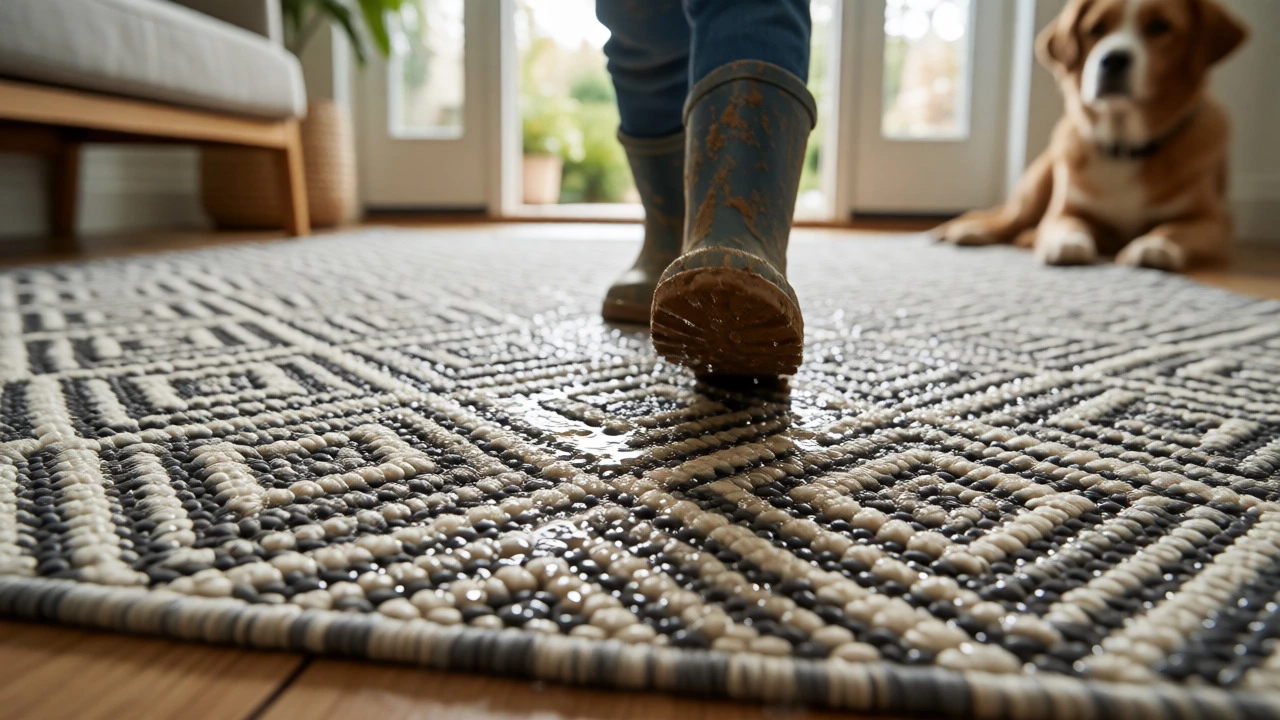
The Busy Family: You have kids and pets. You need durability and ease of cleaning. Go for Polypropylene or Nylon. Darker colors or patterned designs hide stains. Avoid light-colored wool or silk.
The Minimalist Professional: You want elegance and quiet luxury. Choose Wool with a low pile. Neutral tones work well. Ensure it’s New Zealand wool for maximum resilience against office chairs.
The Art Collector: You want a statement piece. Invest in Silk or a Silk-Wool Blend. Place it in a low-traffic corner. Rotate it quarterly to prevent uneven fading.
The Eco-Conscious Homeowner: You prioritize sustainability. Look for Jute or Bamboo Silk (viscose). Note that bamboo silk is semi-synthetic and can shed. Pair it with a natural rubber pad for stability.
In Auckland, consider the local weather. Humidity affects natural fibers. Use dehumidifiers in winter if you have wool or jute rugs in poorly ventilated rooms. Sunlight is intense in summer; use UV-filtering window films if you have colorful rugs near windows.
Care Tips to Extend Lifespan
No matter the material, maintenance dictates longevity. Vacuum regularly, but turn off the beater bar for delicate rugs like silk or shaggy wool. The spinning brush pulls fibers and causes premature wear. Rotate your rug 180 degrees every six months to ensure even wear from foot traffic and sunlight.
Blot spills immediately. Do not rub. Rubbing pushes the liquid deeper into the fibers and spreads the stain. For wool, use a mixture of cold water and white vinegar. For synthetics, mild detergent works. Never steam clean silk at home; the heat and moisture can distort the weave. Always test cleaning solutions on a hidden corner first.
Use a rug pad. It’s non-negotiable. A good felt-rubber combo pad prevents slipping, adds cushioning, and protects your floor from friction damage. It also extends the rug’s life by reducing stress on the fibers during use.
Is wool really better than synthetic rugs?
Generally, yes, for longevity and aesthetics. Wool lasts longer, feels softer, and improves with age. Synthetics win on price and stain resistance for high-risk areas like children's rooms. Choose wool for living spaces and synthetics for utility zones.
Can I wash a wool rug myself?
Small wool rugs can be gently washed with cold water and specialized wool shampoo. Large rugs should be professionally cleaned. Never soak wool for long periods or wring it out, as this distorts the shape and damages fibers.
Why is my new rug shedding fibers?
Shedding is normal for new wool and jute rugs. Loose fibers from the manufacturing process work their way out. Regular vacuuming helps remove them. Shedding typically decreases significantly after 3-6 months of regular use.
Which rug material is best for allergies?
Wool is naturally hypoallergenic and resists dust mites and mold. Low-pile synthetics like polypropylene are also good because they don't trap allergens deeply. Avoid high-pile shags or unsealed jute if you have severe allergies.
Do silk rugs require special cleaning?
Yes. Silk is delicate and water-sensitive. Professional cleaning is recommended. Blot spills immediately with a dry cloth. Avoid harsh chemicals, bleach, or steam cleaning, which can cause discoloration or shrinkage.