What Kind of Couch Is the Most Durable? A Buyer's Guide to Long-Lasting Sofas
Sofa Durability Estimator
Input your sofa's specifications to estimate its lifespan and durability score.
Durability Estimate
You just dropped $2,000 on a beautiful velvet sectional. Six months later, the seat cushions have collapsed into sad pancakes, and the legs wobble like a drunk flamingo. Sound familiar? Buying a durable couch isn't about picking the prettiest fabric or the trendiest shape. It’s about looking past the aesthetics and inspecting the bones. If you want a sofa that survives kids, pets, and decades of Netflix binges, you need to know what actually holds up.
The core answer is simple: The most durable couch features a hardwood frame, high-density foam or eight-way hand-tied suspension, and performance fabrics. Avoid particleboard, soft polyfoam, and loose-weave linens if longevity is your priority.
The Frame: Where Durability Lives (or Dies)
Think of the frame as the skeleton. If it breaks, the rest doesn’t matter. You’d be surprised how many "luxury" sofas hide cheap frames under expensive upholstery.
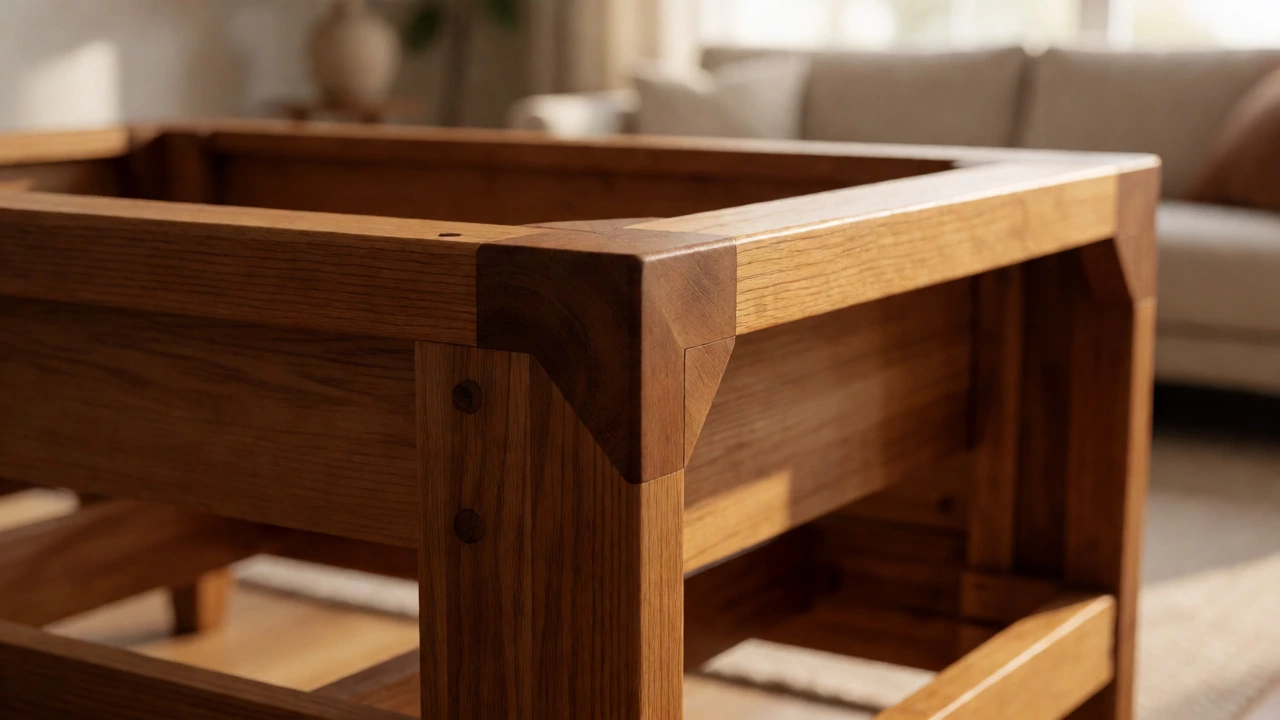
Kiln-dried hardwood is the gold standard. This wood has been heated in a kiln to remove moisture, preventing warping, cracking, or shrinking over time. Look for species like oak, maple, or ash. They are dense, strong, and resist pests.
On the other end of the spectrum is particleboard or MDF (medium-density fiberboard). These are essentially sawdust glued together. They’re cheap, which is why budget retailers love them. But put weight on an MDF joint repeatedly, and it will crumble. You’ll hear creaks first, then feel instability. Within five years, an MDF frame often needs replacing.
Plywood is the middle ground. High-quality plywood with thick layers can be surprisingly sturdy, but thin veneer plywood bends under stress. How do you check this in a store? Lift one side of the sofa. If it feels light and flexible, run away. A durable couch should feel heavy and rigid. Shake it gently. No movement means solid joinery.
Suspension Systems: Supporting the Weight
Once the frame is solid, the suspension determines how well the couch handles daily use. This is the layer between the frame and the cushions.
Eight-way hand-tied springs are the classic choice for high-end sofas. Craftsmen tie steel springs together with twine in eight directions. This creates a firm, even surface that distributes weight evenly. It’s labor-intensive, so it costs more, but it rarely sags.
Webbing is common in modern sofas. Elastic webbing stretches across the frame to support cushions. Cheap webbing loses elasticity quickly, leading to sagging seats. High-quality webbing is tighter and reinforced, but it still doesn’t match the lifespan of hand-tied springs. Sinuous springs (S-shaped wires) are another option. They are cheaper than hand-tied springs but better than basic webbing if they are gauged correctly (thicker wire lasts longer).
If you see "drop-in coil springs," be cautious. These are individual coils placed in pockets. They can shift over time, creating uneven seating areas. For maximum durability, prioritize eight-way hand-tied or high-gauge sinuous systems.
Cushion Fill: Comfort vs. Collapse
This is where most people get burned. Feather cushions look luxurious and feel cloud-like, but they require constant fluffing and eventually flatten. Polyfoam is affordable but degrades fast, especially lower densities.
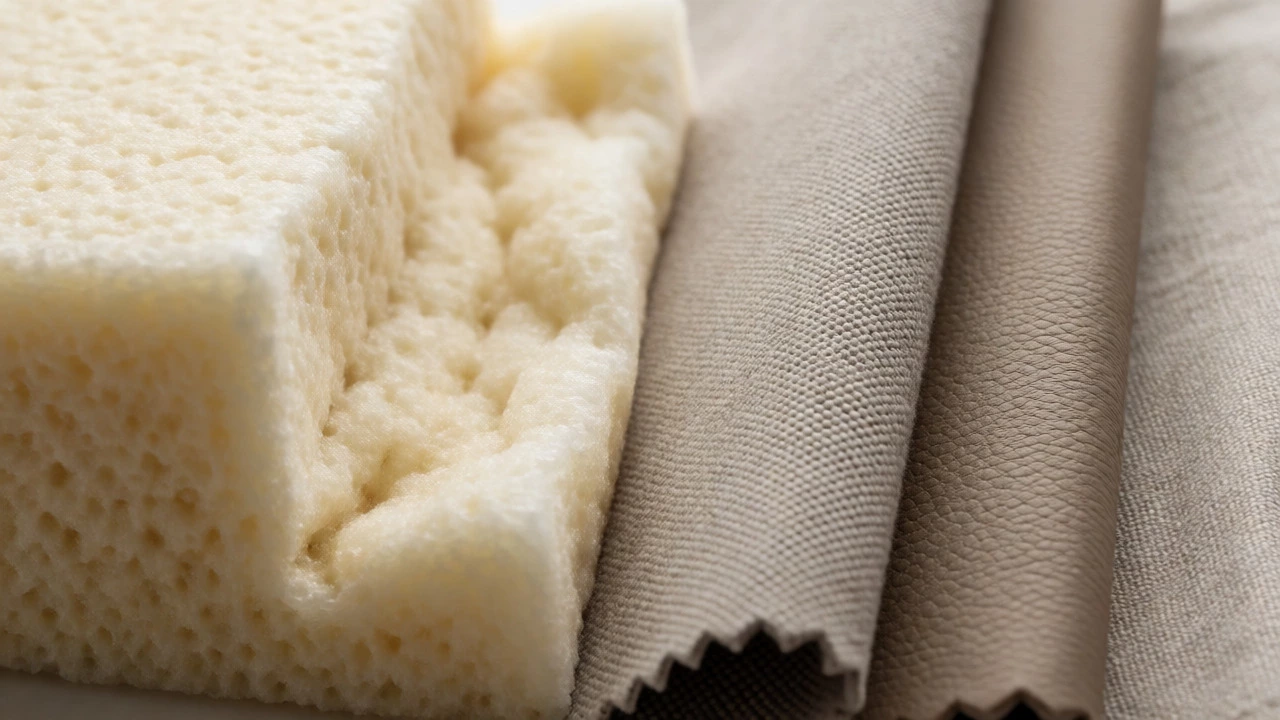
For true durability, look for high-resiliency (HR) foam. HR foam is dense and bounces back to its original shape after every sit. Check the density rating. Anything below 1.8 pounds per cubic foot will sag within a few years. Aim for 2.5 pounds or higher for seat cushions.
A popular hybrid approach combines a core of HR foam wrapped in a thin layer of down or feather. You get the structure of foam with the soft touch of down. Just remember: the foam does the work; the down is just for show. Pure down cushions will never last as long as foam-based ones without significant maintenance.
| Component | High Durability Choice | Low Durability Choice | Why It Matters |
|---|---|---|---|
| Frame Material | Kiln-dried Hardwood | Particleboard/MDF | Hardwood resists warping; MDF crumbles under stress. |
| Suspension | Eight-way Hand-Tied Springs | Elastic Webbing | Springs maintain tension; webbing stretches out. |
| Seat Foam Density | >2.5 lbs/cu ft | <1.8 lbs/cu ft | Dense foam retains shape; low density collapses. |
| Upholstery Fabric | Performance Microfiber/Leather | Loose Weave Linen/Cotton | Tight weaves resist abrasion; loose weaves snag. |
Upholstery: Protecting the Outside
Your couch’s skin takes the brunt of spills, claws, and sun exposure. Natural fibers like cotton and linen breathe well but stain easily and wear thin. Silk is delicate and hates sunlight.
Performance fabrics are engineered for resilience. Brands like Crypton or Sunbrella treat synthetic fibers (polyester or olefin) to resist stains, moisture, and fading. They are tough enough for outdoor use but comfortable indoors.
Leather is another top-tier option for durability. Full-grain leather develops a patina rather than peeling. It repels liquids and cleans easily. However, avoid bonded leather-it’s scraps glued onto a backing sheet, and it cracks within a few years. Genuine leather requires conditioning but lasts decades.
Check the Martindale rub count. This test measures how many cycles of abrasion a fabric withstands before showing wear. For residential use, aim for 15,000+ double rubs. Commercial grade is 30,000+. If the tag says "decorative only," don’t put it on your main family sofa.
Legs and Joinery: The Hidden Weak Points
Furniture fails at the joints. Screws loosen. Glue dries out. Staples pop.
Look for dowel-and-glue joinery. Wooden dowels provide alignment, while high-quality glue creates a bond stronger than the wood itself. Corner blocks-triangular pieces of wood screwed into the corners-add massive stability. Without them, the frame twists under load.
Metal brackets are okay if they are heavy-gauge steel. Thin metal bends. Plastic brackets crack. Avoid stapled-only construction. Staples pull out over time, especially in humid climates where wood expands and contracts.

How to Test Durability Before Buying
You can’t always see the inside, but you can infer quality through physical tests.
- The Lift Test: Grab the front edge of the armrest and lift. The entire sofa should come off the floor. If the opposite side stays grounded, the frame is weak or unbalanced.
- The Shake Test: Push and pull the arms vigorously. Listen for creaks. Feel for wobbling. Silence and rigidity are good signs.
- The Cushion Squeeze: Press firmly into the seat cushion. It should offer resistance and spring back immediately. If it feels mushy or leaves a dent, it’s low-density foam.
- The Zipper Check: Are the covers removable? Removable covers allow for professional cleaning and replacement. Non-removable covers mean you’re stuck with stains forever.
Common Myths About Durable Sofas
Many shoppers fall for marketing tricks. Here’s what doesn’t guarantee durability:
Price tag: A $5,000 sofa from a trendy brand might have an MDF frame covered in expensive boucle. A $1,500 sofa from a heritage manufacturer might have solid oak and HR foam. Always ask about construction, not just style.
Brand name: Big box stores often sell different lines under the same label. One line uses hardwood; another uses plywood. Read the fine print on the spec sheet.
"Stain-resistant": This often refers to topical coatings that wash off after a year. True durability comes from fiber type and weave tightness, not just a spray-on treatment.
Next Steps: Making Your Decision
Ready to shop? Prioritize these specs in order:
- Confirm the frame is kiln-dried hardwood.
- Verify the suspension is eight-way hand-tied or high-gauge sinuous.
- Ensure seat foam density is above 2.5 lbs/cu ft.
- Select performance fabric or full-grain leather.
- Check for corner blocks and dowel joinery.
If you have pets, skip velvet and chenille. Choose microfiber or treated polyester. If you have small children, prioritize removable covers and dark patterns to hide messes during the transition years.
Is leather or fabric more durable?
Full-grain leather is generally more durable than most fabrics because it resists punctures and wipes clean easily. However, high-performance synthetic fabrics (like Crypton) can outlast cheaper leathers and resist staining better. Bonded leather is less durable than both.
How long should a durable couch last?
A high-quality sofa with a hardwood frame and HR foam should last 10 to 15 years with regular use. Budget sofas with particleboard frames typically last 3 to 5 years.
Do recliners reduce durability?
Reclining mechanisms add moving parts, which increases the risk of mechanical failure. Power recliners are prone to motor issues. Manual recliners with simple lever mechanisms are more durable but still less so than stationary sofas.
What is the hardest-wearing fabric?
Microfiber and tightly woven synthetic blends (olefin/polyester) with a Martindale count above 30,000 are among the hardest-wearing options. They resist abrasion, pilling, and fading better than natural fibers.
Can I fix a sagging couch?
Yes, if the frame is intact. You can replace worn-out cushions with new high-density foam inserts. If the suspension springs are broken, a reupholsterer can restring them, though this may cost 50% of a new sofa's price.