What Is the Most Popular Type of Rug?
Rug Size Calculator
How to Use This Calculator
Enter your room measurements and furniture layout to get personalized rug size recommendations based on industry standards.
- For living rooms: Leave 12-18 inches of floor visible around the rug
- For dining rooms: Ensure chairs can pull out without catching the rug edge
- For bedrooms: Rug should extend 18 inches beyond the bed on all sides
Recommended Rug Size
Recommended Dimensions
Why This Size Works
When you walk into almost any home in North America, Europe, or even parts of Asia, there’s a good chance you’ll see one type of rug dominating the floor: the area rug. It’s not just common-it’s the default. Why? Because it works. It fits. It solves problems without shouting for attention.
Area rugs are the unsung heroes of interior design. They define spaces in open-plan homes, soften hard floors, add warmth underfoot, and tie together furniture layouts. You’ll find them in living rooms, bedrooms, dining areas, and even home offices. Unlike runners or round rugs, area rugs come in standard rectangular sizes-like 5x8, 8x10, or 9x12-that match the scale of most furniture arrangements. That’s not an accident. Manufacturers design them this way because they’re what people actually buy.
But not all area rugs are made the same. The material makes all the difference. And when it comes to durability, comfort, and long-term value, wool reigns supreme. Wool rugs account for nearly 60% of all area rug sales in the U.S. and Canada, according to the Carpet and Rug Institute’s 2025 report. Why? Because wool fibers naturally resist stains, hide dirt, and bounce back after years of foot traffic. A good wool rug doesn’t flatten out like synthetic fibers do. It looks better with age.
Take a typical family home in Auckland or Chicago. Kids run around, pets track in mud, coffee gets spilled. The rug doesn’t need to be spotless-it just needs to hold up. Wool does that. It’s also naturally fire-resistant and doesn’t hold onto static electricity, which makes it safer and more comfortable in dry climates. You won’t find a single major home decor brand that doesn’t offer a wool area rug in their core lineup. Brands like Ruggable, Safavieh, and West Elm all lead with wool as their primary material for mid- to high-end area rugs.
That said, there’s another contender that’s surged in popularity over the last five years: the shag rug. Shag rugs have thick, long pile that feels like walking on clouds. They’re cozy, they’re Instagram-famous, and they’re everywhere in boho-chic and Scandinavian-style interiors. But here’s the catch-shag rugs aren’t always practical. They trap dust, pet hair, and crumbs. Vacuuming them takes time. They’re not ideal for homes with allergies or high foot traffic. Still, they’re the go-to for bedrooms, media rooms, or reading nooks where comfort matters more than cleanliness.
So what’s the real winner? Area rugs made from wool. Not because they’re flashy, but because they’re reliable. They’re the kind of rug you buy once and keep for a decade. They don’t go out of style. They don’t need to be replaced every two years. They adapt. A wool area rug in a neutral tone-like oat, charcoal, or soft gray-can blend into modern, traditional, or minimalist spaces without clashing. That versatility is why they dominate.
Let’s break it down by use case:
- Living rooms: 78% of homeowners choose wool area rugs here. They handle daily wear and add subtle texture without overwhelming the space.
- Bedrooms: Shag rugs are popular here, especially in larger sizes (9x12), for that plush feel under bare feet. But even here, many are switching to low-pile wool for easier cleaning.
- Dining rooms: Only 12% use rugs here-but if they do, it’s a wool area rug with a stain-resistant backing. Spills happen. The rug needs to survive.
- Entryways: Synthetic rugs (polypropylene) are common here for moisture resistance. But for the rest of the house? Wool wins.
One thing you won’t see much anymore: thick, synthetic shag rugs from the 1970s. Those were cheap, faded fast, and held odors. Modern shag rugs are better, but they still can’t compete with wool’s longevity. Even synthetic area rugs now mimic wool textures because consumers have learned: you get what you pay for.
Price matters, too. A high-quality wool area rug might cost $300-$800, depending on size and weave. That sounds steep until you realize a synthetic rug that costs $150 might need replacing in three years. Wool? You’re looking at 10-15 years of use. That’s not an expense-it’s an investment.
And it’s not just about looks. Wool is renewable. It’s biodegradable. It’s produced with far less environmental impact than petroleum-based synthetics. Brands like Loomly and The Rug Company now highlight their wool sourcing from New Zealand and Australia-regions known for high-quality, ethically raised sheep. That’s not marketing fluff. It’s a real shift in consumer values.
So if you’re shopping for a rug and wondering what to choose, start here: pick a wool area rug in a size that leaves 12-18 inches of floor visible around the edges. That’s the sweet spot. It grounds the furniture without swallowing the room. Avoid bold patterns unless you’re sure you’ll love them in five years. Stick to solids, subtle stripes, or textured weaves. They age gracefully.
Don’t get distracted by trends. Shag rugs look great in photos. But in real life? They’re high-maintenance. You want a rug that makes your life easier, not harder. That’s why the wool area rug isn’t just popular-it’s the smartest choice.
Why Wool Outlasts Other Materials
Not all rugs are created equal. The material determines everything: how long it lasts, how easy it is to clean, and how it feels underfoot.
Synthetic rugs-made from nylon, polyester, or polypropylene-are cheaper. They’re often sold as “stain-resistant” or “pet-friendly.” But here’s the truth: they break down faster. Nylon fibers crush under heavy furniture. Polyester fades in sunlight. Polypropylene sheds lint and can’t handle moisture well. They’re fine for short-term use, but not for the long haul.
Wool, on the other hand, has natural resilience. Each fiber can bend over 20,000 times before breaking. That’s why wool rugs hold their shape. They also wick away moisture, which means they don’t harbor mold or mildew like cotton rugs sometimes do. And unlike synthetics, wool doesn’t generate static. That’s a small thing-but in dry climates like Auckland’s winters, it makes a difference.
Wool also has natural fire-retardant properties. It doesn’t melt like plastic. It chars slowly. That’s why it’s used in commercial buildings and hotels. If you’ve ever seen a hotel lobby rug that’s been walked on for years and still looks good? That’s wool.
Shag Rugs: The Trend That’s Not for Everyone
Shag rugs are having a moment. Pinterest is full of them. Influencers swear by them. But they’re not universal.
They’re perfect if you want luxury underfoot in a low-traffic zone. A shag rug in a bedroom feels like a spa. A shag rug in a media room adds coziness. But if you have kids, pets, or allergies, they’re a nightmare. Dust gets trapped. Pet hair sticks. Cleaning requires a special vacuum with a beater bar-and even then, it’s not foolproof.
Modern shag rugs are better than the ones from the 80s. They’re denser, more tightly woven, and often made from a blend of wool and synthetic fibers. That helps. But they still require more care than a flat-weave wool rug.
Think of it this way: if you’re willing to vacuum twice a week and deep-clean quarterly, shag is fine. If you want a rug that just sits there and does its job? Go wool.
What Size Should You Get?
Size matters more than people think. Too small, and the rug looks like an afterthought. Too big, and it overwhelms the room.
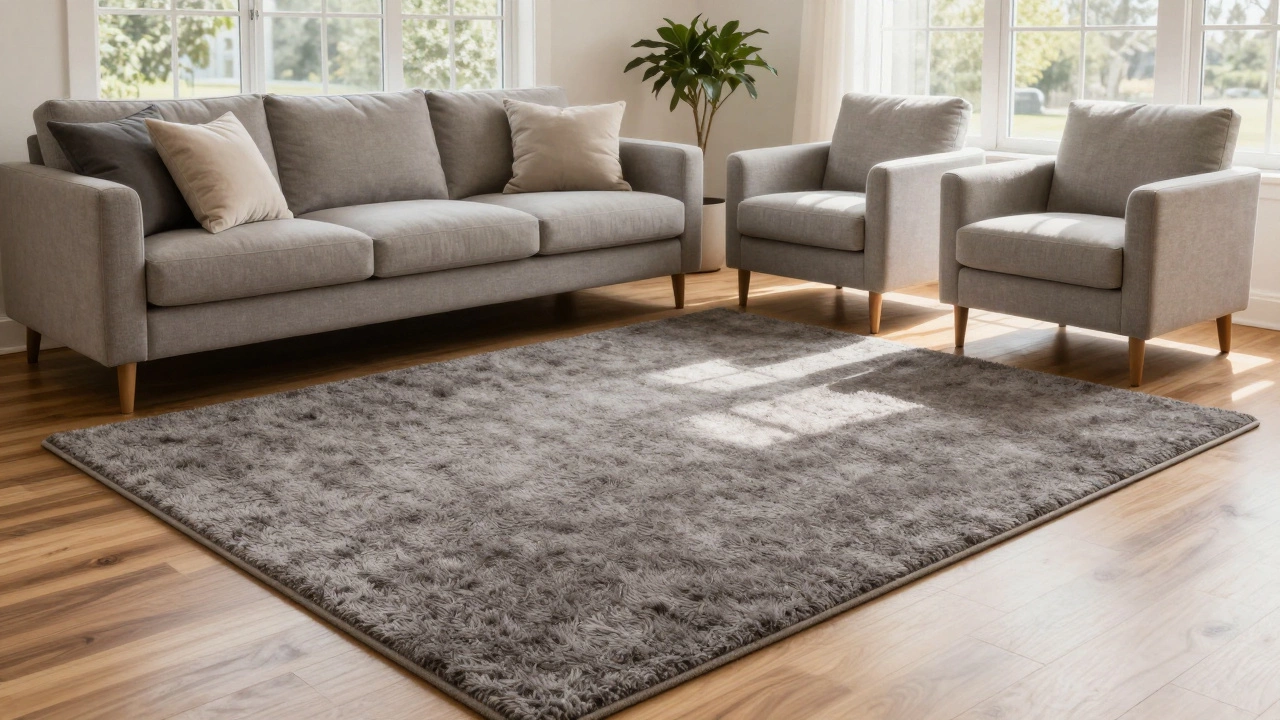
For a living room with a sofa and two chairs, an 8x10 rug is the gold standard. It should fit under all furniture legs, or at least the front legs of the sofa and chairs. That creates a cohesive anchor.
In a dining room, you need enough room for chairs to pull out without catching on the rug edge. A 9x12 rug gives you that breathing room.
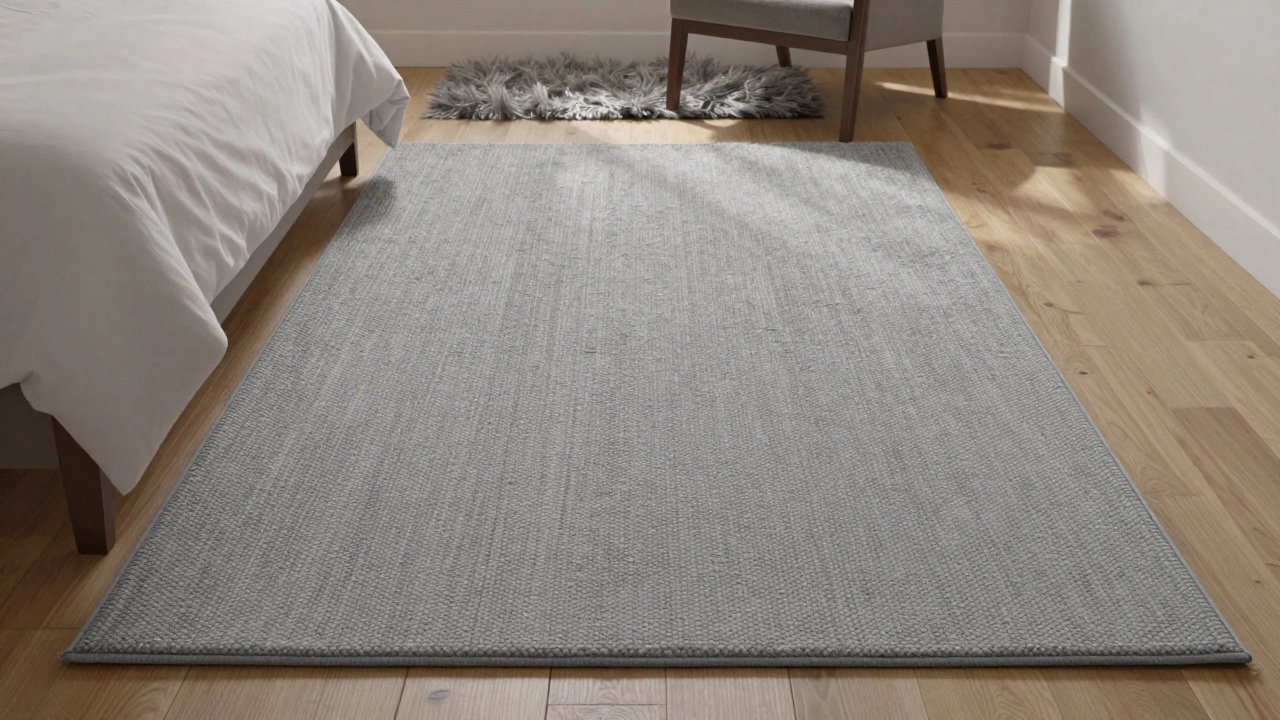
For bedrooms, go big. A 9x12 rug placed so it extends 18 inches beyond the bed on all sides works best. It’s not just about looks-it’s about comfort when you step out of bed.
There’s no one-size-fits-all. But these guidelines cover 90% of homes.
How to Spot a Quality Wool Rug
Not every wool rug is high quality. Some are 30% wool, 70% synthetic. Others are thin, loosely woven, or glued together.
Here’s how to tell:
- Check the backing: A good wool rug has a cotton or jute backing. Avoid rubber or synthetic backings-they trap moisture.
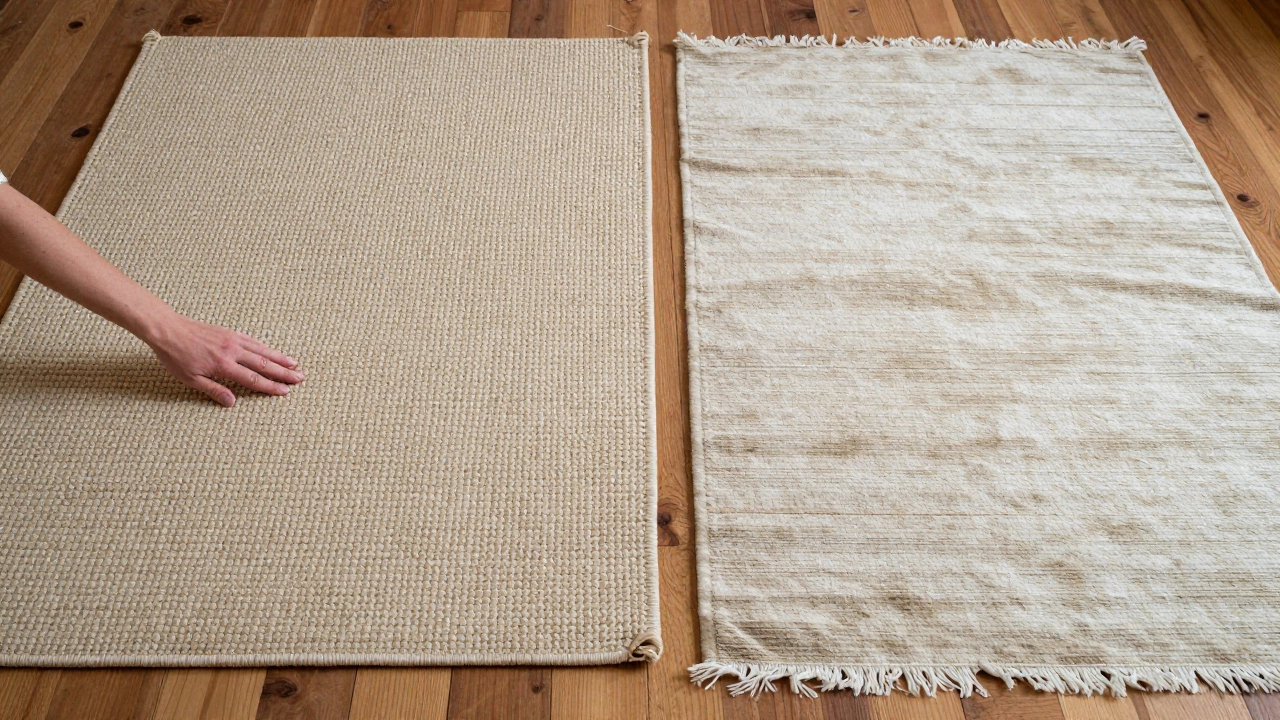
- Look at the pile: Run your hand over it. A dense, tight weave means it’ll last longer. If the fibers feel loose or uneven, skip it.
- Smell it: A new wool rug should smell like nothing. If it smells chemical, it’s likely treated with harsh dyes or glues.
- Ask about origin: Wool from New Zealand, Australia, or the UK is typically higher grade. It’s longer, stronger, and more resilient.
Don’t be afraid to ask for a sample. Many stores let you take home a 12x12 swatch to test in your lighting and with your furniture.
Where to Buy
You don’t need to spend thousands to get a good wool rug. Brands like IKEA, Wayfair, and Rugs USA offer solid wool options under $500. Higher-end brands like Stark, Jaipur Living, and The Rug Company offer hand-knotted wool rugs that can cost $1,000+, but they’re heirloom pieces.
Online retailers often have better selection and return policies. Look for free shipping and at least a 30-day return window. A rug is a big commitment. You need time to live with it.
Local rug stores are worth visiting too. You’ll feel the quality in person. And many offer custom sizing-something you can’t get online.
Common Mistakes to Avoid
- Buying too small: A rug that doesn’t anchor the furniture looks cheap. Go bigger than you think.
- Ignoring the pad: A rug pad prevents slipping and extends the rug’s life. Use one. It’s $20 well spent.
- Choosing bright colors: Unless you’re going for a bold statement, stick to neutrals. They age better and match more styles.
- Skipping the vacuum: Wool rugs need regular cleaning. Vacuum weekly with a suction-only setting. No beater bar.
What is the most popular type of rug in 2026?
The most popular type of rug in 2026 is the wool area rug. It dominates homes because it’s durable, easy to maintain, and fits almost any decor style. Wool naturally resists stains, holds its shape over time, and is biodegradable-making it both practical and sustainable. It’s especially common in living rooms, bedrooms, and dining areas where long-term use matters more than trends.
Are shag rugs still popular?
Yes, shag rugs are still popular-but mostly in specific settings like bedrooms, media rooms, or cozy reading nooks. They’re loved for their soft texture and visual warmth. However, they’re not ideal for high-traffic areas or homes with pets or allergies because they trap dust and debris. Most homeowners now choose wool area rugs for everyday use and shag rugs only for low-traffic comfort zones.
Is wool better than synthetic rugs?
For long-term use, yes. Wool is naturally stain-resistant, fire-retardant, and doesn’t degrade under pressure like synthetic fibers. It also lasts 10-15 years, while most synthetic rugs show wear in 3-5 years. Wool is also eco-friendly-made from renewable sheep fibers. Synthetics are cheaper upfront, but you’ll likely replace them sooner, making wool the smarter investment.
How do I know if a wool rug is high quality?
Check the fiber content-look for 100% wool, not blends. Feel the weave: dense, tight stitches mean better quality. The backing should be cotton or jute, not rubber. Smell it: a good wool rug has no chemical odor. And check the origin: wool from New Zealand or Australia is typically superior in strength and softness.
What size rug should I get for my living room?
For a standard living room with a sofa and two chairs, an 8x10 rug is ideal. It should fit under all the front legs of the furniture, or at least the front legs of the sofa and the front two legs of the chairs. This creates a grounded, cohesive look. If your room is larger, go up to 9x12. Never go smaller than 5x8 in a living room-it looks out of place.